Note: This recipe is designed forst potatoes have a lot of fans, and for good reason. They are golden, comforting, and capable of disappearing from a serving bowl before the gravy even arrives. But they can also be a bit needy. There is peeling, chopping, parboiling, draining, shaking, preheating oil, and hoping the tray does not turn into a sad collection of pale cubes.
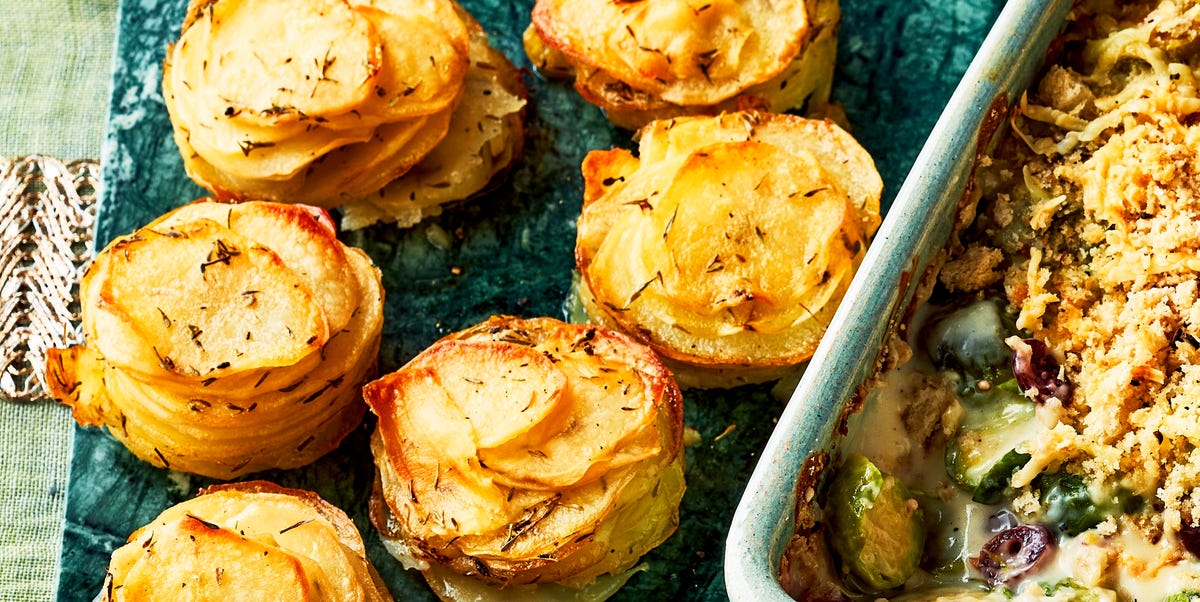
These crispy and buttery potato stacks offer a much easier path to potato glory. Thin slices of potato are tossed with melted butter, herbs, garlic, and Parmesan, then tucked into a muffin pan and baked until the edges turn bronzed and crisp. The centers stay tender and creamy, while every stack arrives at the table looking like it attended finishing school.
They have the flavor satisfaction of roast potatoes, the comfort of potato gratin, and the built-in portion control of a side dish that does not require anyone to debate what counts as “just one more spoonful.” Better still, the oven does most of the work. Your main responsibilities are slicing, tossing, stacking, and resisting the urge to eat one directly from the pan.
Why Potato Stacks Are Easier Than Roast Potatoes
The biggest advantage of potato stacks is that they skip several steps that make traditional roast potatoes feel like a kitchen group project. There is no need to boil potatoes first, rough up their edges, or carefully arrange them on a hot baking sheet. Instead, thin slices cook evenly in individual muffin cups.
That small change creates a surprisingly big payoff. Each stack gets crisp around the outside where the potato touches the hot pan, while the layers inside gently steam and soften under the butter. You get contrast in every bite: crunchy edges, silky slices, salty Parmesan, and a little herb fragrance that makes the kitchen smell far more organized than it probably is.
Potato stacks are also easier to serve. Rather than scooping uneven roast potatoes onto plates, you can lift out neat individual portions. This makes them especially useful for holiday dinners, Sunday roasts, steak nights, potlucks, or any meal where you want a side dish that looks polished without requiring culinary gymnastics.
What Makes Crispy Potato Stacks So Good?
The secret is simple: thin slices and enough fat. When potatoes are sliced evenly, they cook at the same rate. Melted butter slides between the layers, carrying garlic, herbs, salt, and pepper into every nook. The muffin pan holds the potatoes upright, allowing the edges to crisp while the center stays soft.
Yukon Gold potatoes are especially good here because they have a naturally buttery flavor and a creamy texture. Russet potatoes also work well if you prefer a slightly fluffier interior and more dramatic crispness around the edges. Avoid waxy potatoes that are extremely firm, because they can stay a little too chewy when layered tightly.
Freshly grated Parmesan adds more than cheesy flavor. It creates savory, salty little crisp bits around the top and edges of the stacks. Think of it as the potato equivalent of finding the crunchiest corner piece of lasagna. Nobody complains when that happens.
Ingredients for Buttery Potato Stacks
This easy potato stacks recipe makes 12 individual stacks, serving about 6 people as a generous side dish.
Ingredients
- 2 pounds Yukon Gold potatoes, scrubbed and dried
- 5 tablespoons unsalted butter, melted
- 2 tablespoons olive oil
- 2 cloves garlic, finely grated or minced
- 1 teaspoon kosher salt
- 1/2 teaspoon freshly ground black pepper
- 1 tablespoon fresh thyme leaves, chopped
- 1 teaspoon finely chopped rosemary, optional
- 3/4 cup freshly grated Parmesan cheese, divided
- Chopped chives or parsley, for serving
- Flaky sea salt, optional, for finishing
Equipment
- Standard 12-cup muffin pan
- Mandoline slicer or sharp chef’s knife
- Large mixing bowl
- Small offset spatula, butter knife, or thin spoon for loosening the stacks
How to Make Crispy and Buttery Potato Stacks
1. Heat the oven and prepare the pan
Preheat the oven to 400°F. Generously butter all 12 cups of a standard muffin pan. Do not be shy here. Butter is not merely invited to this party; it is handling security, lighting, and guest seating.
2. Slice the potatoes thinly and evenly
Slice the potatoes into rounds about 1/16 inch thick. A mandoline is the fastest way to get uniform slices, which matters because thick slices and thin slices do not share the same sense of urgency in the oven. If slicing by hand, aim for the thinnest, most even rounds you can manage.
3. Toss with butter, seasoning, and cheese
In a large bowl, whisk together the melted butter, olive oil, garlic, salt, pepper, thyme, rosemary, and 1/2 cup of the Parmesan. Add the potato slices and gently toss them until every slice is coated. Use your hands if needed; they are excellent kitchen tools and rarely need charging.
4. Build the stacks
Divide the potato slices among the muffin cups, stacking them neatly but not obsessively. Each cup should be filled to slightly above the rim because the potatoes will settle as they bake. Spoon any remaining butter and seasoning from the bowl over the stacks.
5. Bake until tender, then crisp
Cover the muffin pan loosely with foil and bake for 20 minutes. Remove the foil, sprinkle the remaining Parmesan over the tops, and continue baking for 20 to 25 minutes. The stacks are ready when the centers are tender when pierced with a thin knife and the edges are deeply golden.
6. Rest before serving
Let the potato stacks rest in the pan for 5 to 10 minutes. This gives the layers time to settle and makes them easier to remove. Run a thin knife around each cup, then gently lift out each stack. Finish with chives, parsley, and a tiny pinch of flaky salt.
Tips for the Crispiest Potato Stacks
Choose even slices over perfect slices
The goal is consistency, not architecture. Potato rounds do not need to look identical, but they should be close in thickness. Even slicing helps all layers finish at the same time, preventing a stack that is crispy on top and oddly crunchy in the middle.
Do not rinse the potatoes after slicing
For this recipe, a little surface starch helps the slices cling together as they bake. Simply scrub the potatoes before slicing, dry them well, and move straight into the butter mixture.
Use real butter for flavor
Olive oil helps encourage browning, but butter provides the rich, classic flavor that makes these stacks taste like a holiday side dish even when it is a Tuesday and you are wearing socks with questionable life choices.
Give the stacks room to brown
Foil is useful at the beginning because it helps the layers soften without over-darkening. Removing it for the final stretch is what creates those crisp, golden edges. Keep an eye on the pan during the last 10 minutes, especially if your oven runs hot.
Easy Potato Stack Variations
Garlic Parmesan Potato Stacks
Double the garlic and add an extra handful of Parmesan. Serve with a spoonful of sour cream and chopped chives for a steakhouse-style side dish that disappears before the steak gets a chance to feel important.
Cheesy Gruyère Potato Stacks
Replace half the Parmesan with shredded Gruyère. The nutty cheese melts into the layers and gives the stacks a richer, more gratin-like personality. This version is excellent with roast chicken, ham, or baked salmon.
Smoky Paprika Potato Stacks
Add 1 teaspoon smoked paprika and a small pinch of cayenne pepper to the butter mixture. The result is warm, savory, and slightly smoky without becoming spicy enough to frighten anyone at the dinner table.
Holiday Herb Potato Stacks
Use thyme, rosemary, sage, and a little lemon zest. These stacks pair beautifully with turkey, roast beef, glazed ham, stuffing, green beans, and the kind of family gathering where someone always asks who made the potatoes.
Sweet Potato Stacks
Swap in sweet potatoes and use cinnamon, a pinch of nutmeg, brown sugar, and a little butter. Add pecans during the final few minutes of baking for a sweet-savory holiday side that feels fancy without demanding a second oven.
What to Serve With Potato Stacks
These crispy potato stacks are versatile enough for casual dinners and special occasions. Serve them beside roast chicken with a bright green salad, grilled steak with mushrooms, pork tenderloin with apples, or salmon with lemon and herbs.
For holiday meals, they are an easy alternative to roasted potatoes, scalloped potatoes, or mashed potatoes. Their individual portions make them especially helpful when the table is crowded with casseroles, rolls, cranberry sauce, and at least one dish nobody can identify but everyone eats anyway.
They also work for brunch. Add a fried egg, a spoonful of crème fraîche, smoked salmon, or a few sautéed mushrooms. Suddenly, your muffin pan has gone from banana bread territory to restaurant brunch territory, and nobody had to wait in line for a table.
Make-Ahead, Storage, and Reheating Tips
Potato stacks are best served fresh from the oven, when their edges are at peak crunch. However, you can slice the potatoes and toss them with the butter mixture a few hours ahead. Keep the bowl covered in the refrigerator, then assemble and bake when needed.
Leftovers can be refrigerated in a covered container for up to 3 to 4 days. To reheat, place the stacks on a baking sheet in a 375°F oven for 10 to 15 minutes, until hot and crisp again. The microwave will warm them, but it will not restore that crisp texture. The microwave is many things, but it is not a miracle worker.
For food safety, refrigerate cooked potato stacks within two hours of serving. Reheat leftovers until hot all the way through. A quick oven reheat is the best way to bring back their buttery edges and tender centers.
Why This Recipe Belongs in Your Dinner Rotation
Potato stacks solve a problem that many side dishes create: they look impressive but do not require complicated preparation. You do not need a deep fryer, a potato ricer, a special casserole dish, or a private relationship with a professional chef. You need potatoes, butter, a muffin pan, and a willingness to make something that tastes far more elaborate than it really is.
They are crisp, buttery, cheesy, and easy to customize. More importantly, they bring the same cozy satisfaction as roast potatoes without the extra prep. Once you make them, you may still love roast potatoes, but you will have a new favorite shortcut waiting in the muffin pan.
Experiences: Why Potato Stacks Become a Repeat Recipe
The first time many home cooks make potato stacks, there is usually a small moment of doubt. The muffin pan looks crowded. The potato slices may not be perfectly aligned. Some stacks lean a little to the left like they have been listening to too many opinions at brunch. Then the pan comes out of the oven, the butter is bubbling, the Parmesan has browned, and suddenly the entire kitchen smells like a restaurant that charges extra for cloth napkins.
That is the charm of this recipe. It transforms simple ingredients into something that feels intentional. Potatoes are humble, affordable, familiar, and remarkably forgiving. They do not need a complicated sauce or an expensive garnish to become memorable. A little butter, enough salt, fresh herbs, and careful heat are enough to turn them into a side dish that earns compliments before anyone even tastes it.
Potato stacks are also one of those recipes that quietly build confidence. They teach a useful lesson about cooking: presentation does not always mean difficulty. A muffin pan naturally creates tidy individual servings, so the finished potatoes look elegant even when the preparation was straightforward. Guests see golden stacks with crisp edges and assume you had a plan. You can smile, nod, and avoid mentioning that your biggest plan was “use the potatoes before they sprout eyes and become emotionally complicated.”
For busy weeknights, the experience is especially satisfying because the recipe does not create a mountain of dishes. One bowl, one muffin pan, one cutting board, and a little patience are all it takes. While the stacks bake, you can make a simple protein, toss a salad, or stand near the oven pretending you are only checking progress when you are actually enjoying the smell.
For holidays, the appeal is different. Potato stacks feel special enough for a celebration but practical enough for a crowded kitchen. They can sit beside turkey, ham, roast beef, or a vegetarian main course without competing for attention. They are easy to portion, easy to pass, and easy to adapt for different tastes. Add rosemary and sage for Thanksgiving. Add Gruyère for Christmas dinner. Add smoked paprika for a backyard barbecue. The basic method stays the same, which means the recipe becomes more useful every time you make it.
There is also something comforting about the texture. The outer edges become crisp and almost chip-like, while the middle stays soft and rich. That contrast is the reason people often reach for a second stack before they have finished the first. It is not just a potato side dish; it is a tiny layered argument for why butter, salt, and a hot oven remain some of the greatest inventions in home cooking.
Over time, potato stacks often become a signature recipe. They are the dish friends request when they come over for dinner. They are the side that turns a basic roast chicken into a meal that feels planned. They are what you make when you want something better than ordinary roasted potatoes but do not want to spend an afternoon peeling, boiling, tossing, and negotiating with a baking sheet.
Once you know the method, you can make the recipe your own. Try different cheeses, herbs, spices, or garnishes. Serve the stacks with eggs for breakfast, steak for dinner, or sour cream and chives as a party appetizer. The formula is flexible, the flavor is dependable, and the reward is immediate: crisp edges, buttery layers, and a serving dish that comes back to the kitchen suspiciously empty.