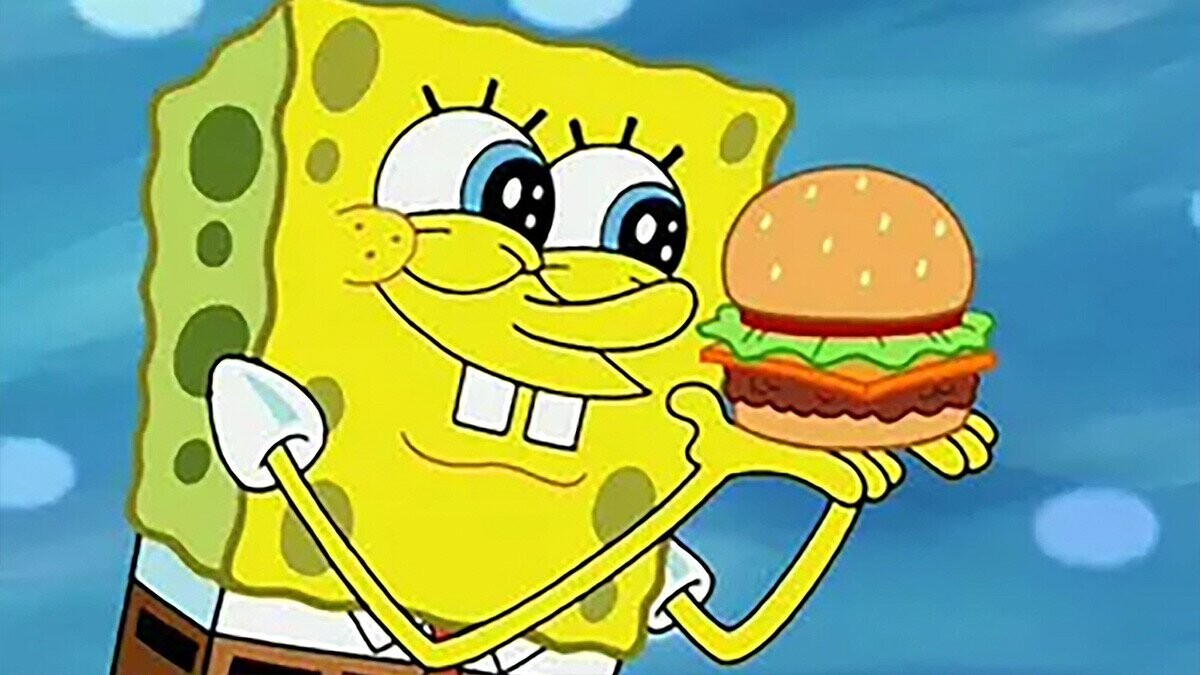
Some fast-food collaborations arrive quietly, like a coupon sliding under the door. Others burst in wearing a tiny paper hat, shouting “I’m ready!” and immediately start a fandom argument. Wendy’s Krabby Patty Kollab did the second one. The limited-time SpongeBob SquarePants menu was designed to celebrate the cartoon’s 25th anniversary with a real-world version of the legendary Krabby Patty and a tropical Pineapple Under the Sea Frosty. On paper, that sounds like a perfect nostalgia meal: childhood memories, fries, a Frosty, and enough Bikini Bottom energy to make Squidward consider smiling.
But almost as soon as the burger surfaced, a wave of longtime fans pointed at the menu and yelled the emotional equivalent of “My leg!” Their problem was not simply that Wendy’s made a burger inspired by a cartoon burger. The deeper issue was that, according to many SpongeBob SquarePants fans, Wendy’s broke a sacred rule: the Krabby Patty was never supposed to be a regular beef burger, and it was never supposed to become the kind of fast-food product the show had been quietly joking about for decades.
So why did a promotional cheeseburger make people this mad? The answer is part food debate, part creator legacy, part internet outrage, and part “you touched my childhood with a marketing spatula.” Let’s dive in, preferably with nose plugs.
The Wendy’s Krabby Patty Kollab: What Actually Happened?
Wendy’s launched the Krabby Patty Kollab Burger as part of a SpongeBob anniversary campaign with Nickelodeon and Paramount. The meal included a quarter-pound Wendy’s beef patty, American cheese, lettuce, tomato, pickles, onion, and a “top-secret” Krabby Kollab sauce on a toasted bun. Alongside it came the Pineapple Under the Sea Frosty, a vanilla Frosty swirled with pineapple-mango puree.
From a marketing angle, the move made sense. Wendy’s has square burgers. SpongeBob is square. The Krabby Patty is one of the most famous fictional foods in television history. If you work in fast-food branding, that connection practically jumps onto the whiteboard by itself and starts drawing dollar signs in permanent marker.
However, what looked like a clever pop-culture crossover to casual diners looked like a violation of Bikini Bottom canon to devoted fans. The burger was not just “inspired by” the Krabby Patty; it was marketed as Wendy’s take on the most coveted recipe in the SpongeBob universe. That is where the debate got spicyspicier, perhaps, than the actual sauce.
The Sacred Rule: The Krabby Patty Is Not Supposed to Be Beef
For old-school viewers, the Krabby Patty is more than a cartoon sandwich. It is the magical menu item SpongeBob flips with religious devotion at the Krusty Krab. It is the reason Plankton keeps launching plans so ridiculous they make business school look like improv comedy. It is the burger Squidward pretends to hate until his self-control collapses like a wet napkin.
But the important detail is this: the Krabby Patty has long been understood by many fans as a meatless patty. SpongeBob creator Stephen Hillenburg, who was also a marine science educator, reportedly wanted the underwater world to keep its own internal logic. Cows do not exactly graze next to jellyfish fields. A beef burger under the sea raises uncomfortable questions that a children’s cartoon probably does not want sitting at the table with a side of fries.
That is why fans often describe the Krabby Patty as a veggie burger or at least a non-meat mystery patty. In the series, the formula remains secret, but the joke has always worked partly because the Krusty Krab is a cartoon fast-food restaurant, not a real chain selling real beef to real children. The distance between parody and product mattered.
Why Stephen Hillenburg’s Legacy Matters So Much
To understand the backlash, you have to understand how protective SpongeBob fans are of Stephen Hillenburg’s vision. Hillenburg created a show that looked silly on the surface but was surprisingly disciplined underneath. Bikini Bottom had rules. Its absurdity had structure. The characters were ridiculous, but their world made emotional and comedic sense.
Hillenburg also expressed concern about fast-food marketing connected to SpongeBob. The Krusty Krab itself is a parody of fast-food work culture: SpongeBob loves his job with heroic intensity, Mr. Krabs treats money like oxygen, and the “secret formula” is guarded with the seriousness of national defense. The joke is that this ordinary greasy spoon is treated as the center of civilization. Turning that joke into a literal fast-food promotion feels, to critics, like missing the point while holding a receipt.
That is why the Wendy’s collaboration hit a nerve. Fans were not merely arguing over toppings. They were asking whether a brand had taken a beloved satire of fast food and flattened it into fast food. It is the difference between laughing at Mr. Krabs and accidentally becoming Mr. Krabs while saying, “Come spend your money here.”
The Ingredients Debate: Canon, Memory, and the Perfect Patty
Any conversation about the Krabby Patty secret formula gets messy fast. SpongeBob fans can debate patty order with the intensity of constitutional lawyers. Depending on the episode and fan memory, the ideal Krabby Patty includes a bottom bun, patty, ketchup, mustard, pickles, onions, lettuce, cheese, tomatoes, and a top bun. Some fans recite the order like a prayer. Others add mayo. Someone in the corner is probably yelling about extra onions.
Wendy’s version included many familiar burger elements: cheese, lettuce, tomato, pickle, onion, and sauce. But it also included beef, which is exactly where many fans drew the line. To them, the issue was not whether Wendy’s made a tasty cheeseburger. The issue was whether calling it a Krabby Patty ignored the spirit of the original.
This is why “it’s just a burger” did not settle the argument. In fan culture, nothing is ever “just” anything. A lightsaber color matters. A superhero costume seam matters. The order of animated sandwich toppings matters. If you rename a beef cheeseburger after the sacred food of Bikini Bottom, you have entered the fandom courtroom, and the judge is a 34-year-old who still remembers the “Pickles” episode.
Was the Burger Actually Bad?
The food reviews were mixed, and that made the controversy even more interesting. Some customers enjoyed the Krabby Patty Kollab Burger as a solid Wendy’s cheeseburger with a peppery, tangy sauce. The Pineapple Under the Sea Frosty received more consistent curiosity because it at least felt playful: tropical, sweet, creamy, and directly connected to SpongeBob’s pineapple house.
But many fans complained that the burger did not feel special enough. For a menu item tied to one of the most iconic fictional foods ever invented, the final product looked to some diners like a standard Wendy’s burger wearing a SpongeBob name tag. No seaweed bun. No dramatic packaging. No Krusty Krab box. No employee shouting “Order up!” with theatrical terror. Just a cheeseburger, sauce, fries, and a Frosty.
That gap between expectation and execution is where nostalgia marketing often gets dangerous. When a brand invites fans to relive childhood magic, fans expect magic. If they receive a normal burger with a themed sauce, they may react like Plankton after another failed heist: loudly, dramatically, and with suspicious machinery.
Why Fans Felt the Collaboration Was “Low Effort”
One of the loudest criticisms was not only about beef. It was about imagination. SpongeBob SquarePants is visually explosive: pineapple houses, boatmobiles, jellyfish nets, bubble transitions, talking fish crowds, and a restaurant shaped like a lobster trap. The world is weird in the best possible way. A collaboration with that universe has endless room for creative design.
Fans imagined themed wrappers, Krusty Krab-style packaging, collectible trays, SpongeBob employee hats, Plankton “secret formula” jokes, or a burger that looked visually distinct. Instead, many customers felt the promotion leaned heavily on the name while leaving the experience mostly ordinary.
That does not mean Wendy’s did nothing. The campaign had social media buzz, app promotions, and anniversary tie-in energy. But fan expectations were sky-high. When you promise the Krabby Patty, you are not promising a sandwich. You are promising a myth. Myths require presentation. Otherwise, the Chum Bucket starts looking competitive, and nobody wants that.
The Nostalgia Trap: When Brands Touch Childhood Icons
The Wendy’s SpongeBob controversy is a textbook example of the nostalgia trap. Brands love nostalgia because it comes pre-loaded with emotion. A character like SpongeBob does not need an introduction. Millions of adults already know the laugh, the pineapple, the spatula, and the theme song. Nostalgia can make a product feel instantly familiar.
But nostalgia also comes with ownership feelings. Fans do not see SpongeBob as a neutral licensing property. They see him as part of their childhood, their humor, their memes, and their emotional furniture. When a fast-food chain uses that memory, the audience becomes both excited and suspicious. They want the fun, but they also want respect.
That is why brand collaborations must do more than slap a logo on a meal. They have to understand the inside jokes, the rules, and the emotional boundaries of the fan base. Otherwise, the campaign risks feeling like a corporation wearing a SpongeBob costume backward.
Wendy’s, SpongeBob, and the Question of “Real” Fictional Food
Fictional foods are powerful because they stay just out of reach. The Krabby Patty, Scooby Snacks, butterbeer, lembas bread, and blue milk all live in that delicious fantasy zone where imagination seasons the meal. Once a real company makes the food, the fantasy becomes measurable. People can judge the texture, price, packaging, and whether the sauce tastes suspiciously like another chain’s special sauce.
That is the risk Wendy’s took. By bringing the Krabby Patty to land, it transformed a mystery into a product. For casual fans, that was fun. For purists, it was almost tragic. The secret formula was not supposed to be solved by a drive-thru window.
Still, the controversy proves how strong SpongeBob remains after 25 years. A truly irrelevant show does not cause adults to argue passionately about whether a cartoon burger should contain beef. SpongeBob still matters because the world of Bikini Bottom still feels alive. Fans are not angry because they stopped caring. They are angry because they care too much, which is basically the entire internet in one sentence.
Did Wendy’s Really Break the Rule?
It depends on what you think the rule is. If the rule is simply “do not ever make a SpongeBob-themed fast-food item,” then yes, fans can argue Wendy’s crossed that line. If the rule is “do not market real fast food as though it is actual Krusty Krab food,” the answer is also complicated because the entire campaign revolved around a real-world Krabby Patty-inspired burger.
If the rule is “the Krabby Patty should not be beef,” Wendy’s definitely invited criticism by using its standard fresh beef patty. The company’s signature square burger made the collaboration visually logical, but it also made the canon problem unavoidable. A plant-based or veggie version would have answered the fan concern more directly, though it may not have matched Wendy’s core brand identity.
In other words, Wendy’s created a product that made business sense but fandom-sensitive sense only if you squint through a bubble wand. The campaign was clever, but not bulletproof. Or perhaps more accurately: not spatula-proof.
What Wendy’s Could Have Done Differently
1. Offer a Meatless Krabby Patty Option
A veggie-based Krabby Patty would have shown that the brand understood the deepest fan concern. Even if Wendy’s still sold the beef version, a meatless option could have softened the criticism and made the collaboration feel more faithful to SpongeBob lore.
2. Build Better Packaging
Packaging matters in nostalgia campaigns. A Krusty Krab wrapper, a faux “Galley Grub” box, or a Plankton-themed sauce packet could have turned an ordinary meal into a collectible experience. Fans wanted theater. Wendy’s gave them lunch.
3. Lean Into the Joke
The campaign could have acknowledged the sacred formula more playfully. Imagine copy that said, “No, Plankton, we still won’t tell you what’s in the sauce.” That kind of detail signals that a brand is laughing with the fans, not just selling to them.
4. Make the Burger Visually Distinct
A square yellow bun, sea-inspired garnish, or unique sauce color might have made the item feel more like SpongeBob and less like a renamed cheeseburger. In fandom marketing, visual proof matters.
The Fan Experience: Trying to Eat a Childhood Memory
Here is the strange thing about meals like the Wendy’s Krabby Patty Kollab: nobody is only tasting the burger. They are tasting a Saturday morning. They are tasting reruns before school, SpongeBob memes in group chats, and the specific joy of hearing a cartoon sponge take minimum-wage labor more seriously than most adults take tax season. That is a lot to put on one sesame bun.
For many fans, ordering the Wendy’s SpongeBob meal probably started with genuine excitement. You walk into the restaurant or open the app and see the words “Krabby Patty.” For a second, the boring real world gets a little more Bikini Bottom in it. The fluorescent lights become ocean shimmer. The fryer noise becomes nautical ambience. Somewhere in your brain, a tiny French narrator whispers, “Several dollars later…”
Then reality arrives in a paper bag. Maybe the burger smells good. Maybe the fries are hot. Maybe the Pineapple Under the Sea Frosty looks cheerful enough to make Patrick clap. But if the packaging is plain and the burger looks like something you have already eaten twelve times, the fantasy starts leaking air. You wanted the Krusty Krab. You got Wendy’s with a licensing agreement.
That disappointment is not entirely rational, but nostalgia rarely is. Fans are not mad because they expected an actual sponge to cook the meal. They are mad because the collaboration made them imagine something bigger than what arrived. A true Krabby Patty experience should feel a little ridiculous. It should make you smile before the first bite. It should understand that SpongeBob is not just a brand; he is a tone, a rhythm, a whole underwater nonsense language.
The best version of this experience would have turned customers into temporary citizens of Bikini Bottom. A custom wrapper could have looked like it came from the Krusty Krab. The receipt could have included a fake warning from Mr. Krabs about not sharing the secret formula. The sauce cup could have had Plankton’s angry little face on it. Employees could have had optional paper hats. None of that requires Michelin-star cooking. It requires affection.
And that is the lesson. When people buy a pop-culture meal, they are buying two things: food and recognition. They want the brand to recognize why the original mattered. They want proof that someone in the room watched the show, remembered the jokes, and knew which details were sacred. The Wendy’s Krabby Patty Kollab may have succeeded as a buzz machine, but for many fans, it fell short as a love letter.
Still, there is something funny and oddly beautiful about the whole uproar. A cartoon burger caused a real-world debate about artistic intent, vegetarian canon, fast-food ethics, and sauce originality. That is peak SpongeBob. The show always made tiny things feel enormous: a lost name tag, a squeaky boot, a pickle problem, a single Krabby Patty. Wendy’s may have broken the sacred rule, but the fan reaction proved the rule still exists. Somewhere, in the great imaginary kitchen of Bikini Bottom, SpongeBob is probably flipping patties with perfect form while the internet argues in the dining room.
Conclusion: A Burger, a Backlash, and a Very Loud Fandom
The backlash against Wendy’s Krabby Patty Kollab was not just about a cheeseburger. It was about what happens when a beloved fictional world becomes a limited-time menu item. For some diners, Wendy’s delivered a fun SpongeBob-themed meal with a tropical Frosty and a familiar fast-food flavor. For others, the chain broke the sacred rule by turning the Krabby Patty into a beef burger and blurring the line between parody and product.
The controversy shows that nostalgia marketing can be incredibly powerful, but only when brands respect the small details fans treat as holy. The Krabby Patty is not famous because it is a burger. It is famous because it belongs to SpongeBob’s world, where the secret formula is protected, Plankton never wins, and a fry cook with square pants treats every order like a masterpiece. Change too much, and fans will notice. Add beef, skip the magic, and they may do more than noticethey may bring out the torches, pitchforks, and jellyfishing nets.
Note: This article synthesizes real public information from official brand announcements, entertainment coverage, food reviews, restaurant industry reporting, and fan reaction discussions. No external source links are embedded so the HTML can be copied cleanly for web publishing.