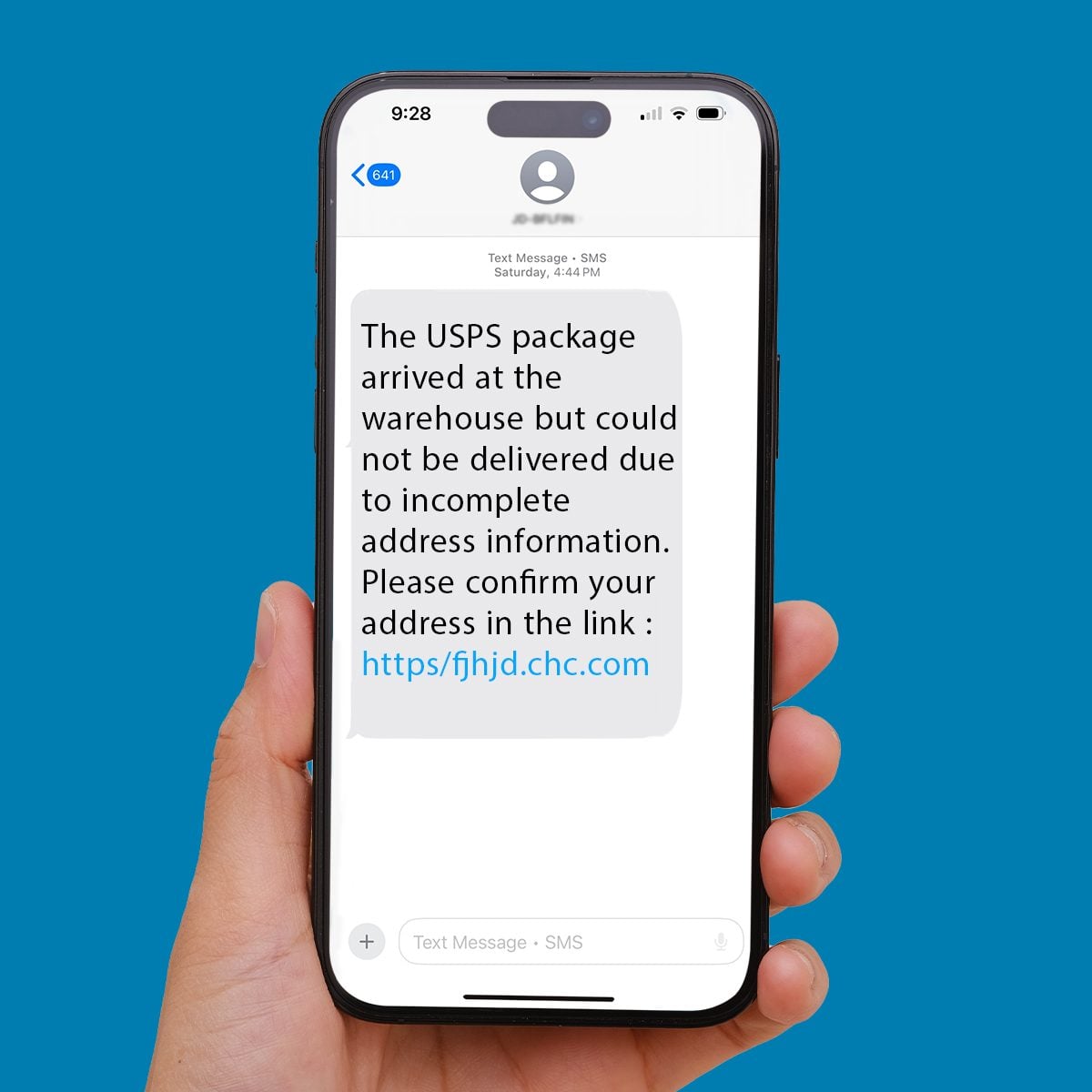
That “USPS package problem” text may look urgent, official, and just annoying enough to be believable. But before you tap the link, type in your address, or pay a tiny “redelivery fee,” stop. A USPS scam text is one of the most common forms of smishing, and the few seconds after you receive it matter more than you think.
First Things First: Do Not Click the Link
If you receive a text claiming to be from USPS about a package that “cannot be delivered,” “needs address confirmation,” “requires customs payment,” or is “waiting at the warehouse,” the safest move is simple: do not click anything. Do not reply. Do not call a number from the message. Do not copy and paste the link into your browser because the text politely told you to “reply Y first.” That is not customer service. That is a scammer wearing a tiny postal hat.
USPS scam texts are designed to trigger panic. They usually arrive when people are expecting something: an Amazon order, a birthday gift, a replacement phone charger, or the mysterious package you ordered at midnight and refuse to discuss in daylight. The message works because it feels possible. But possibility is not proof.
Real package problems should be checked through official channels, not through a random text link. Open your browser manually and visit the official USPS website, use the USPS mobile app, or check the retailer account where you placed the order. If there is a genuine delivery issue, it will appear there. A scam text, meanwhile, will try to drag you to a fake page that looks official enough to fool a rushed person with coffee in one hand and twelve browser tabs open.
What Is a USPS Scam Text?
A USPS scam text is a fake message pretending to come from the United States Postal Service. It is usually a form of smishing, which means SMS phishing. Instead of sending a fake email, scammers send a text message and hope you will click a link, enter personal information, or pay a bogus fee.
The message may claim your package is stuck because of an incomplete address, invalid ZIP code, unpaid postage, failed delivery attempt, or customs issue. Some texts say your package will be returned unless you act immediately. Others ask for a small payment, often just a few cents or a couple of dollars, because scammers know a tiny fee feels harmless. Unfortunately, the “small fee” is bait. The real prize is your credit card number, name, address, phone number, email, and sometimes login credentials.
Common Examples of Fake USPS Texts
Scam messages often sound like this:
- “USPS: Your package has arrived at the warehouse but cannot be delivered due to incomplete address information.”
- “The USPS package is on hold. Please confirm your ZIP code to schedule redelivery.”
- “Your parcel could not be delivered. Pay $0.30 for redelivery within 12 hours.”
- “Final notice: Your package will be returned today unless you update your delivery details.”
The wording changes, but the trick stays the same: create urgency, offer a link, and make you feel that ignoring the message will cost you a package.
What You Should Do Immediately
1. Take a Screenshot
Before deleting the message, take a screenshot. This gives you a record of the sender, the message, the fake link, and the time it arrived. If you report the scam, that screenshot can help investigators and carriers identify patterns.
2. Forward the Text to 7726
Forward the suspicious text to 7726, which spells “SPAM” on a phone keypad. This helps your wireless carrier identify and block similar scam messages. It will not magically vaporize every scammer on earth, but it is one of the easiest ways to help reduce the spread.
3. Report USPS-Related Smishing to USPIS
If the message claims to be from USPS, report it to the U.S. Postal Inspection Service by emailing the details to [email protected]. Include the screenshot, the sender’s number, the date and time you received it, and whether you clicked the link or shared any information.
4. Report the Scam to the FTC
You can also report scam texts to the Federal Trade Commission at ReportFraud.ftc.gov. The FTC uses reports to track scam trends, warn the public, and support enforcement efforts. Even if you did not lose money, reporting the attempt still matters.
5. Block the Sender and Delete the Message
After reporting, block the number and delete the text. Do not engage with the sender. Replying “STOP,” “Who is this?” or “Nice try, criminal goblin” may feel satisfying, but it can confirm that your number is active.
How To Tell a USPS Text Is Fake
It Arrives Unexpectedly
A major red flag is an unexpected delivery text when you did not request USPS tracking alerts. USPS does offer text tracking services, but scam messages often appear out of nowhere and include urgent demands for personal details or payment.
It Includes a Suspicious Link
Look closely at the link. Scammers often use odd domains, shortened URLs, extra hyphens, misspellings, or addresses that imitate USPS without actually being USPS. Some links may include words like “usps,” “tracking,” or “delivery” to look legitimate, but the domain is what matters. A fake site can use a convincing logo and still be a trap.
It Asks for Money or Personal Information
Be especially suspicious if the text asks for your credit card, debit card, Social Security number, date of birth, password, or one-time verification code. A real delivery update should not require you to hand over sensitive data through a random text link.
It Uses Pressure
Scam texts love deadlines. “Act now.” “Final notice.” “Package will be returned.” “You have 12 hours.” Scammers want your thumbs moving faster than your brain. Whenever a message tries to rush you, slow down on purpose.
It Has Weird Grammar or Robotic Politeness
Some scam texts contain obvious errors. Others are surprisingly polished. Still, strange phrasing like “The US Postal team wishes you a wonderful day” after threatening package doom is a clue. Real delivery systems are usually boring, direct, and not emotionally invested in your afternoon.
What Happens If You Clicked the Link?
Clicking once does not automatically mean disaster, but you should still act quickly. Close the page immediately. Do not enter any information. Do not download anything. If the page asked for permission to install an app, profile, certificate, or browser extension, deny it.
Next, update your phone and browser. Run a security scan if your device supports one. Review your recent downloads and delete anything suspicious. If the link opened a login page and you entered a password, change that password immediately from the official website or app, not from the text link. If you reuse that password elsewhere, change it on every account where it appears. Yes, this is annoying. So is replacing a stolen identity, and that has significantly worse customer support.
What If You Entered Your Credit Card or Bank Information?
If you typed in payment information, contact your bank or card issuer immediately using the number on the back of your card or in the official banking app. Tell them you may have entered your card details on a fraudulent USPS delivery site. Ask them to cancel or replace the card, monitor for unauthorized transactions, and explain any next steps.
Check your recent transactions carefully. Small test charges can appear before larger fraudulent purchases. If you see anything unfamiliar, report it right away. You may also want to set up transaction alerts so you receive a notification whenever your card is used.
If you shared bank login credentials, change your password immediately and enable multi-factor authentication. If you shared a one-time passcode, contact the financial institution because scammers may have used it to access your account.
What If You Shared Personal Information?
If you gave away your name, address, phone number, date of birth, or Social Security number, treat it seriously. Visit IdentityTheft.gov for a recovery plan. Depending on what you shared, you may need to place a fraud alert, freeze your credit, monitor credit reports, or file an identity theft report.
A credit freeze is one of the strongest protective steps if your Social Security number or other identity information was exposed. It can make it harder for someone to open new credit accounts in your name. You can freeze and unfreeze your credit for free with the major credit bureaus. It is not glamorous, but neither is explaining to a lender that you did not finance a motorcycle in another state.
Why USPS Scam Texts Work So Well
These scams succeed because they combine timing, trust, and tiny payments. Millions of Americans receive packages constantly, so a delivery-related message rarely feels random. USPS is a familiar name, and scammers borrow that credibility. Then they ask for a small action: confirm your address, pay a redelivery fee, or schedule a delivery. The request seems minor, which lowers your guard.
Another reason these scams work is mobile behavior. On a phone, people read quickly, links are harder to inspect, and distractions are everywhere. You may be standing in line, cooking dinner, or half-listening to a meeting that could have been an email. Scammers know this. They design messages for the rushed version of you.
Modern smishing pages can also look polished. Some copy logos, colors, tracking forms, and page layouts from real carriers. A fake page may even include a fake tracking number, fake progress bar, and fake customer service language. The goal is not perfection. The goal is to look real enough for long enough.
How To Verify a Real USPS Delivery Issue
If you are worried the message might be connected to a real package, verify it independently. Go directly to USPS.com by typing the address yourself, or open the official USPS app. Enter your tracking number if you have one. You can also check the retailer’s website or app where you placed the order.
Do not use the link in the text. Do not use a phone number from the message. Do not trust a website simply because it has the USPS logo. Scammers can copy images. They cannot make an unofficial domain official just by adding an eagle and some blue text.
If you truly missed a delivery, USPS typically leaves official notices or updates tracking information through legitimate channels. A real issue will not require you to panic-click a mysterious link sent from a strange number.
How To Protect Yourself From Future USPS Scam Texts
Turn On Spam Filtering
Most smartphones include tools to filter unknown senders or detect spam messages. Wireless carriers may also offer spam-blocking features. Turn them on. They will not catch everything, but they can reduce the daily parade of digital nonsense.
Use Official Tracking Notifications
If you want delivery updates, sign up through the official USPS website, USPS app, or the retailer’s order page. That way, you know where the alert should come from and what package it refers to.
Use Strong, Unique Passwords
If a scammer gets one password and you reuse it everywhere, one fake delivery text can become a full tour of your digital life. Use a password manager and create unique passwords for important accounts, especially email, banking, shopping, and mobile carrier accounts.
Enable Multi-Factor Authentication
Multi-factor authentication adds another layer of protection. Use an authenticator app or security key when available. Text-message codes are better than nothing, but they can still be targeted by scammers who trick people into sharing them.
Warn Family Members
Package scams spread because they look ordinary. Tell family members, especially those who shop online often or may be less comfortable spotting fake links. A quick warning today may save someone a canceled card, a frozen bank account, and a very stressful Tuesday.
Real-World Experiences: What People Commonly Notice After a USPS Scam Text
People who receive USPS scam texts often describe the same first reaction: “I was expecting a package, so I almost clicked.” That is the entire scam in one sentence. The message does not need to know your exact order. It only needs to arrive in a world where almost everyone is waiting for something. Shoes, pet food, vitamins, replacement blender parts, a phone case in a color called “midnight fog”there is always a package somewhere.
One common experience is the “tiny fee” trap. A person sees a message saying a package needs a redelivery payment of 30 cents or $1.99. The amount feels too small to be dangerous. But the scam is not about the fee. It is about collecting card details. The scammer is not running a postal counter; they are opening the door to future charges. The tiny payment is the shiny worm on the hook.
Another frequent experience is realizing something feels off only after the page loads. Maybe the logo looks right, but the web address looks strange. Maybe the page asks for too much information. Maybe the text says “USPS team wishes you a beautiful life,” which is sweet, but also not how package logistics usually talk. That uneasy feeling is useful. Trust it. Close the page before entering anything.
Some people click because the text arrives during a busy moment. They are at work, walking through a parking lot, helping a child with homework, or trying to stop dinner from becoming charcoal. Scammers count on distraction. A good habit is to never handle financial or identity-related requests from a text while multitasking. If a message claims something is urgent, let it wait five minutes. Real delivery problems can survive five minutes. Scams hate oxygen and patience.
People who did enter information often say they felt embarrassed. They should not. These scams are engineered to fool normal people, not careless people. The right response is not shame; it is speed. Call the bank, change passwords, report the message, and monitor accounts. Treat it like spilling coffee on a laptop: unfortunate, urgent, and fixable if you move quickly.
A useful household rule is simple: no one clicks delivery links from texts. Not Mom, not Dad, not your teenager, not the roommate who orders protein powder by the barrel. All package tracking must happen through the retailer app, the USPS app, or a manually typed official website. That rule removes the debate. The answer is always the same: check independently.
Another lesson from real experiences is that scam texts often come in waves. If you receive one, you may receive more. Blocking one number helps, but scammers rotate numbers and domains. Reporting to 7726 and to the proper agencies helps carriers and investigators spot patterns. You are not just cleaning your own inbox; you are tossing one more banana peel in the scammer’s path.
The best defense is a calm routine. Screenshot, report, block, delete, verify separately. If information was shared, contact the bank, change passwords, and use identity recovery tools. The routine matters because it replaces panic with steps. And when a message is designed to make you panic, being boring and methodical is basically a superpower.
Conclusion: Treat Every Unexpected USPS Text Like a Suspicious Package
A USPS scam text is not just an annoying message. It can be the first step in credit card fraud, account takeover, or identity theft. The good news is that you can shut down most of the danger by refusing to click, refusing to reply, and reporting the message quickly.
If you get a suspicious USPS text, remember the immediate action plan: screenshot it, forward it to 7726, report USPS-related smishing to [email protected], block the sender, delete the message, and verify any package issue only through official channels. If you clicked or shared information, act fast by contacting your bank, changing passwords, enabling multi-factor authentication, and using IdentityTheft.gov if sensitive personal information was exposed.
Scammers want speed, fear, and confusion. Give them none of those. Give them silence, reports, and the digital equivalent of a locked mailbox.