Some cleaning advice sounds so strange that your first instinct is to back away slowly and protect the furniture. A lemon in the microwave? Baking soda in shoes? Shaving cream on a mirror? A pillowcase on a ceiling fan? These sound less like cleaning hacks and more like dares from a very tidy wizard. Yet many of the craziest cleaning tips that work are built on simple science: acid dissolves mineral buildup, mild abrasives lift grime, microfiber traps dust, steam loosens stuck-on food, and patience often does more than angry scrubbing.
This guide gathers 25 weird-but-effective household cleaning hacks using common items such as vinegar, baking soda, lemon, dish soap, salt, dryer sheets, toothpaste, rubbing alcohol, and even rice. The goal is not to turn your pantry into a chemistry lab. The goal is to help you clean smarter, save money, reduce clutter under the sink, and maybe enjoy the rare satisfaction of defeating a stain with something that usually belongs in a sandwich.
Before the sparkle begins, one serious note: never mix bleach with vinegar, ammonia, rubbing alcohol, hydrogen peroxide, or random cleaners. Cleaning is fun. Toxic gas is not. Also avoid acidic cleaners such as vinegar and lemon on natural stone like marble, granite, limestone, and travertine unless the product is specifically labeled safe for that surface.
Why Weird Cleaning Hacks Actually Work
The best cleaning hacks are not magic. They are practical shortcuts. Baking soda is mildly abrasive and helps neutralize odors. White vinegar is acidic, so it can loosen mineral deposits and soap scum. Lemon juice behaves similarly but smells like a sunny kitchen instead of a pickle factory. Dish soap breaks down grease. Steam softens stuck-on messes. Microfiber cloths grab particles instead of just pushing them around like a tiny dust parade.
The trick is matching the hack to the mess. Grease needs a surfactant like dish soap. Hard-water stains often need mild acid. Odors need airflow, washing, or an odor absorber. Dust needs capture, not drama. With that in mind, here are 25 crazy cleaning tips that work in real homes, not just in suspiciously perfect internet videos.
The 25 Craziest Cleaning Tips That Work
1. Clean the Microwave With Lemon Steam
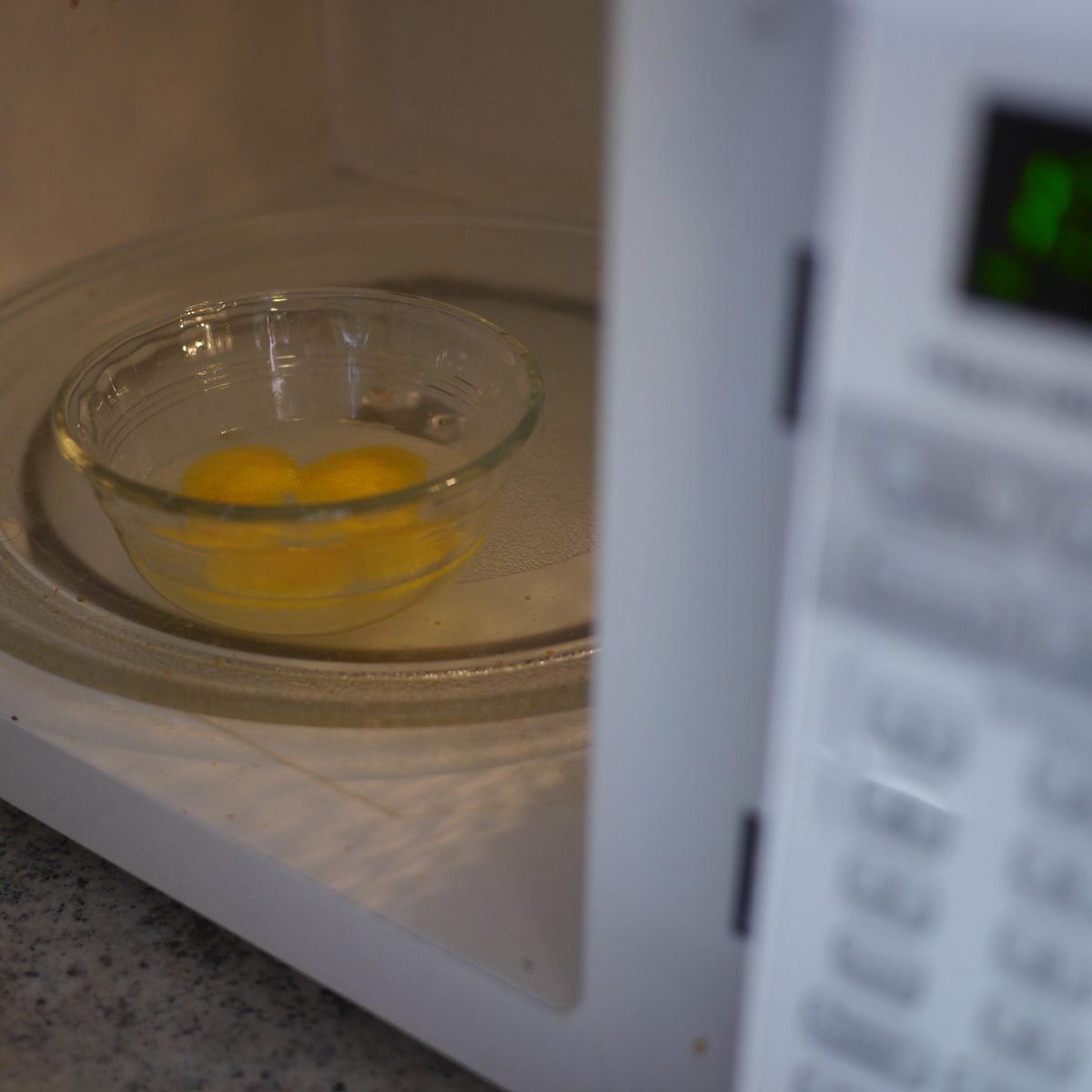
Slice a lemon, squeeze it into a microwave-safe bowl of water, drop the halves in, and microwave for three to five minutes. Let the door stay closed for a few more minutes so the steam can soften splatters. Then wipe the interior with a microfiber cloth. The steam loosens dried food, while lemon helps deodorize the appliance. It is oddly satisfying, like giving your microwave a spa day after it survived soup explosions.
2. Use a Pillowcase to Dust Ceiling Fans
Slide an old pillowcase over each fan blade, press gently, and pull it back. Dust lands inside the pillowcase instead of raining down on your face, bed, or breakfast. Shake the pillowcase outside, then wash it. This hack is simple, clever, and far less humiliating than standing under a fan while dust confetti celebrates your neglect.
3. Remove Faucet Spots With Vinegar on a Cloth
For chrome faucets with hard-water spots, soak a cloth in white vinegar, wrap it around the fixture, and let it sit for 10 to 20 minutes. Wipe and buff dry. Vinegar helps dissolve mineral deposits. Skip this method on natural stone nearby, and do not let vinegar sit too long on delicate finishes. For everyday shine, a dry microfiber cloth after handwashing does more than most people expect.
4. Shine Stainless Steel With a Tiny Bit of Olive Oil
After cleaning stainless steel with dish soap and water, dry it thoroughly. Then put a drop of olive oil on a microfiber cloth and buff with the grain. The oil helps reduce fingerprints and gives appliances a polished look. The key phrase is “a drop.” If your refrigerator looks ready for a salad dressing commercial, you used too much.
5. Deodorize Shoes With Baking Soda
Sprinkle baking soda into smelly shoes, let it sit overnight, then shake it out in the morning. Baking soda helps absorb odors rather than simply perfume them. For extra control, pour baking soda into a coffee filter, tie it with a rubber band, and tuck the pouch into each shoe. Your sneakers may not smell like roses, but they will stop announcing themselves from across the room.
6. Scrub Cutting Boards With Lemon and Salt
Sprinkle coarse salt over a cutting board, then scrub with half a lemon. The salt gives gentle abrasion, while lemon helps with odor and surface residue. Rinse and dry well. This is especially helpful for boards that smell like onions, garlic, or “I made tacos three days ago and forgot consequences exist.” For deep sanitation, follow proper washing methods based on the board material.
7. Freshen the Garbage Disposal With Lemon and Ice
Drop a handful of ice cubes and a few lemon peels into the garbage disposal, run cold water, and turn it on. Ice helps knock residue from the blades and chamber, while lemon peels freshen the smell. Do not overload the disposal, and avoid large citrus chunks. This trick makes the sink smell better without pretending your disposal is a citrus juicer.
8. Use Rice to Clean Narrow Bottles and Vases
For bottles, jars, or vases your hand cannot fit into, add warm water, a drop of dish soap, and a tablespoon of uncooked rice. Swirl vigorously. The rice acts as a gentle scrubber, reaching corners that brushes miss. Rinse thoroughly. It is one of the few times throwing rice around indoors is both useful and socially acceptable.
9. Remove Coffee Stains From Mugs With Baking Soda Paste
Mix baking soda with a few drops of water to form a paste. Rub it onto coffee or tea stains inside mugs, then rinse. Baking soda’s mild abrasion can lift brown rings without harsh scratching. For stubborn stains, let the paste sit briefly before scrubbing. Your mug will look less like it has been keeping a diary of every Monday morning.
10. Clean Greasy Cabinets With Dish Soap
Kitchen cabinets collect a mysterious film made of cooking oil, dust, and ambition. Add a few drops of dish soap to warm water, dip a microfiber cloth, wring it well, and wipe cabinet doors. Follow with a clean damp cloth and dry immediately. Dish soap is designed to cut grease, which makes it better for cabinets than random aggressive scrubbing.
11. Use a Dryer Sheet on Baseboards
After dusting baseboards, wipe them with a used dryer sheet. It can help pick up lingering dust and may reduce static, which slows future dust buildup. This is not a replacement for deep cleaning, but it is a clever finishing move. It also gives used dryer sheets a second career, which is more than most laundry products can say.
12. Clean Shower Glass With Dish Soap and Vinegar
Mix equal parts white vinegar and dish soap in a spray bottle for glass shower doors with soap scum. Spray, let it sit for several minutes, scrub with a non-scratch sponge, rinse, and dry. The vinegar tackles mineral deposits, while dish soap cuts oily residue. Do not use this on natural stone showers. The real secret is drying the glass after showers with a squeegee so soap scum has fewer chances to move in permanently.
13. Polish Chrome With Wax Paper
After cleaning chrome fixtures, rub them gently with wax paper. The waxy coating can help repel water spots temporarily and leave a shiny finish. This works best as a maintenance trick after the surface is already clean. It will not rescue a faucet buried under six months of minerals, but it can help a clean faucet stay charming a little longer.
14. Use Shaving Cream to Help Defog Mirrors
Apply a small amount of plain shaving cream to a bathroom mirror, spread it thinly, then buff it away with a clean cloth. It can leave a temporary film that helps reduce fogging. Avoid gel formulas and test a corner first. This hack feels ridiculous until you step out of a hot shower and can actually see your face instead of a cloudy mystery person.
15. Pick Up Pet Hair With Rubber Gloves
Put on slightly damp rubber gloves and run your hands over upholstery, stairs, or fabric surfaces. Pet hair clumps together and becomes easier to remove. Rinse the gloves as needed. This is one of the fastest ways to fight fur on furniture, especially when your pet sheds like it is trying to build a backup animal.
16. Use Toothpaste on Sneaker Rubber
Non-gel white toothpaste can brighten the rubber edges of sneakers. Apply with an old toothbrush, scrub gently, wipe clean, and let dry. Avoid fabric areas unless you know the material can handle it. Toothpaste is mildly abrasive, which is why it helps with scuffs. It is also why you should not attack delicate surfaces with it like you are polishing a bowling ball.
17. Clean Grout With Baking Soda and Hydrogen Peroxide
Make a paste with baking soda and hydrogen peroxide, apply it to grout lines, let it sit for several minutes, then scrub with a small brush and rinse. This combination can brighten dingy grout and lift bathroom grime. Always ventilate the room and test a hidden area first. For sealed stone tile, check manufacturer recommendations before using peroxide or abrasive pastes.
18. Deodorize the Trash Can With Baking Soda
Sprinkle baking soda in the bottom of a clean, dry trash can before adding a liner. It helps absorb odors between bag changes. For a deeper reset, wash the can with warm water and dish soap, rinse, dry in the sun, and then add baking soda. A clean trash can will still be a trash can, but at least it will stop behaving like a swamp with a lid.
19. Steam-Clean the Oven Door With Hot Water First
Before scrubbing a greasy oven door, place a heat-safe dish of hot water in a warm oven that has been turned off, or use steam from a hot damp cloth on the glass. Let the moisture soften grime, then clean with baking soda paste and a non-scratch pad. Patience helps loosen baked-on residue, making you less likely to scratch the glass in a fit of lasagna-related frustration.
20. Use a Lint Roller on Lampshades
Lampshades attract dust but can be awkward to clean. Run a lint roller over the shade to lift dust, hair, and lint without bending the material. For pleated shades, use a soft brush attachment or microfiber duster. The lint roller method is fast, easy, and makes you wonder why lampshades have been silently hoarding fuzz all this time.
21. Clean Window Tracks With Baking Soda and Vinegar
Sprinkle baking soda into dirty window tracks, add a small amount of vinegar, and let the fizz loosen grime. Once the bubbling settles, scrub with an old toothbrush and wipe with a damp cloth. The fizz helps lift debris from narrow grooves, but the real cleaning comes from brushing and wiping. Do not use this method on surfaces that may react badly to vinegar.
22. Use Rubbing Alcohol on Sticky Residue
For sticker residue on glass, metal, or some plastics, apply rubbing alcohol to a cloth and rub gently. It can dissolve adhesive residue without leaving an oily film. Test first, especially on painted or delicate surfaces. This hack is excellent for jars, price tags, and the emotional aftermath of labels that refuse to peel off cleanly.
23. Put a Bowl of Vinegar Near Cooking Odors
After frying fish, cooking cabbage, or accidentally creating “experimental smoke,” place a bowl of white vinegar on the counter for a few hours. It can help reduce lingering odors in the air. Ventilation still matters, so open windows or run the exhaust fan. Vinegar will not erase all evidence, but it can help your kitchen stop smelling like a dramatic seafood documentary.
24. Clean the Dishwasher With Vinegar, Then Baking Soda
Remove food debris from the filter and drain area first. Then place a cup of white vinegar on the top rack and run a hot cycle. Afterward, sprinkle baking soda on the bottom and run a short hot cycle. Using them separately works better than dumping them together and watching a fizzy performance. The result is a fresher dishwasher with less residue and odor.
25. Use a Squeegee on Carpets Before Vacuuming
Drag a clean rubber squeegee across carpet or rugs to pull up embedded pet hair before vacuuming. This works especially well along edges, stairs, and favorite pet nap zones. Vacuum afterward to collect loosened debris. It looks strange, but it works. Your carpet may release enough fur to suggest your dog has been secretly cloning itself.
Cleaning Hacks That Need a Warning Label
Not every viral cleaning trick deserves a place in your home. Some are ineffective, some are risky, and some are basically chaos in a spray bottle. Vinegar and baking soda are useful, but when mixed together in advance, they neutralize each other quickly. The fizz can help loosen grime in drains or tracks, but the long-term cleaning power comes mostly from scrubbing, rinsing, and using each ingredient correctly.
Also be careful with lemons and vinegar in appliances. Acidic cleaners can damage rubber parts or sensitive surfaces if overused. Do not pour random acids into washing machines every week because a social media video used cheerful music. For laundry odors, better habits include washing promptly, using the right amount of detergent, cleaning the washer, drying items fully, and airing out damp fabrics.
Bleach is another area where “more” is not better. Bleach can disinfect when diluted and used according to label directions, but it should never be mixed with other cleaners. It is not a universal cleaner, and it does not remove all soil by itself. Clean first with soap and water, then disinfect when needed. That order matters.
How to Make These Crazy Cleaning Tips Work Better
Start With the Gentlest Method
The safest cleaning strategy is to begin with the least aggressive option. Try microfiber, warm water, and dish soap before moving to vinegar, baking soda paste, peroxide, or commercial cleaners. This protects finishes and saves effort.
Give Cleaners Time to Work
Many people spray and wipe too quickly. Soap scum, grease, and mineral deposits often need a few minutes of dwell time. Let the product sit, then scrub gently. Waiting five minutes can save fifteen minutes of elbow grease and one dramatic sigh.
Dry Surfaces After Cleaning
Water spots, mildew, and soap scum love moisture. After cleaning shower glass, sinks, faucets, and counters, dry them with a microfiber cloth. A dry finish looks cleaner and stays cleaner longer.
Keep the Right Tools Nearby
A cleaning hack is only useful if you can actually do it. Keep microfiber cloths, an old toothbrush, dish soap, baking soda, white vinegar, rubber gloves, and a squeegee handy. You do not need 47 specialty products. You need a few reliable basics and the willpower to use them before the mess becomes a landmark.
Real-Life Experiences With Crazy Cleaning Tips That Work
The first time I tried the lemon microwave trick, I expected almost nothing. The microwave had hosted a tomato sauce incident that looked like tiny red fireworks. Normally, cleaning it meant scrubbing at awkward angles while questioning my life choices. This time, I heated lemon water, waited, opened the door, and wiped. The splatters came off so easily that I briefly considered apologizing to every lemon I had underestimated. The microwave smelled fresh, the mess was gone, and no one had to use a plastic scraper like an archaeologist digging through leftovers.
The pillowcase ceiling fan trick was another surprise. Ceiling fans are easy to ignore because they are above eye level, which is basically the legal hiding place for dust. When I finally cleaned one with a pillowcase, the amount of dust trapped inside was both impressive and personally insulting. The best part was that none of it fell onto the bed. That single detail turned a hated chore into something I could finish in two minutes without changing the sheets afterward.
Pet hair hacks also earn their reputation. A damp rubber glove on fabric sounds too simple, but it works better than many expensive gadgets. On a couch, the hair gathered into little rolls, making it easy to pick up before vacuuming. A squeegee on carpet did the same thing, especially near the corners where the vacuum seemed to give up. Anyone with a dog or cat knows that pet hair is not a mess; it is a lifestyle. These tricks make that lifestyle slightly less fuzzy.
The rice-in-a-vase method is the kind of cleaning tip that makes guests think you know ancient household secrets. Narrow vases often develop cloudy rings at the bottom, and no sponge can reach them. Warm water, dish soap, and rice changed that. After a minute of swirling, the glass looked clearer, and the rice had done the job of a tiny cleaning crew. It is cheap, oddly fun, and much safer than trying to wedge a butter knife into a vase like a person who should not be trusted near glassware.
The biggest lesson from testing strange cleaning hacks is that maintenance beats rescue missions. A squeegee after a shower, a microfiber wipe after using the sink, baking soda in the trash can, and quick attention to spills prevent the kind of grime that requires heroic effort later. The craziest cleaning tips work best when they are part of a routine, not a once-a-year panic. You do not need to clean all day. You just need a few smart tricks, a little patience, and the humility to admit that sometimes the weird internet tip is right.
Conclusion: Clean Smarter, Not Harder
The 25 craziest cleaning tips that work prove that a cleaner home does not always require expensive sprays, complicated gadgets, or scrubbing until your arms file a complaint. Many effective household cleaning hacks rely on ordinary items used in smart ways: lemon for microwave steam, baking soda for odors, vinegar for mineral spots, dish soap for grease, rubber gloves for pet hair, and microfiber for almost everything.
The secret is knowing when a hack makes sense and when to step away. Use acids carefully, avoid vinegar and lemon on natural stone, never mix bleach with anything, and test delicate surfaces before going all in. When used wisely, these weird cleaning tricks can make your kitchen fresher, your bathroom brighter, your laundry area less musty, and your weekends less consumed by chores. That is not just clean living. That is domestic strategy with a little sparkle.