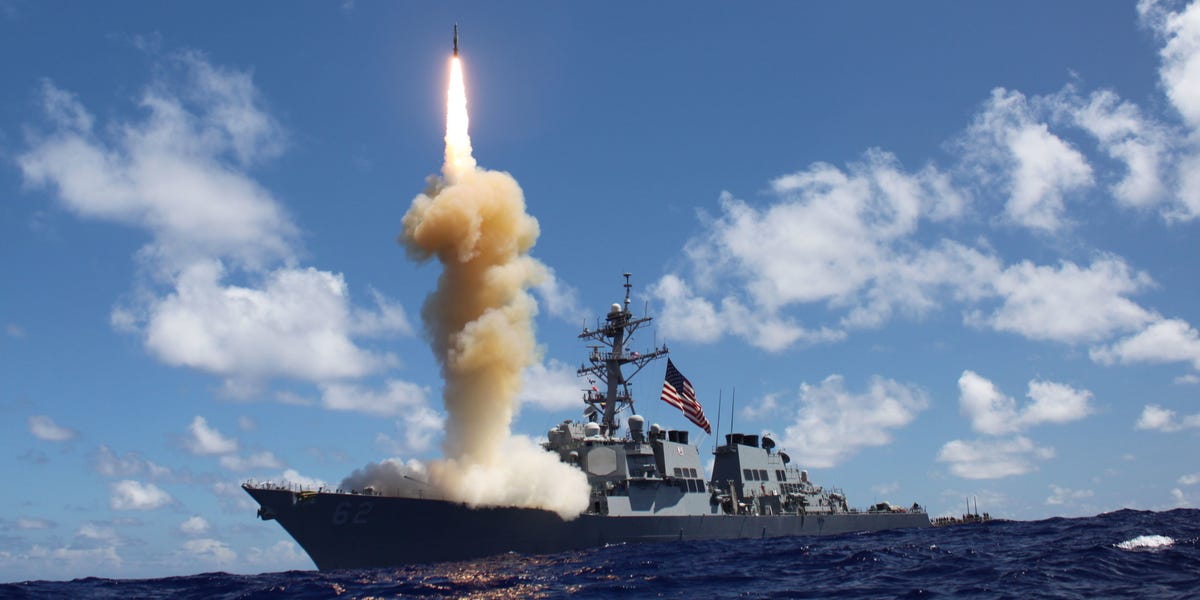
Modern warships are built to survive harsh seas, hostile environments, and the kind of mechanical punishment that would make an ordinary vessel start writing its goodbye note. Yet the story of the U.S. Navy guided-missile destroyer USS Fitzgerald proves that even an advanced, steel-built, sensor-packed naval ship is not immune to one of the oldest dangers at sea: collision.
On June 17, 2017, USS Fitzgerald, an Arleigh Burke-class guided-missile destroyer, collided with the Philippine-flagged container ship ACX Crystal in busy waters southwest of Yokosuka, Japan. The incident shocked the Navy, maritime professionals, and the public because Fitzgerald was not some small patrol boat drifting around like a paper cup in a bathtub. It was a sophisticated U.S. missile destroyer designed for demanding missions, from escort operations to air-defense support.
But this event was not just a headline about a “tough ship hit by a cargo ship.” It became a major case study in seamanship, fatigue, communication, training, leadership, and damage control. The destroyer survived, returned to port, underwent extensive repairs, and eventually returned to sea. The human loss, however, made the collision a lasting reminder that technology can assist judgment, but it cannot replace it.
What Was USS Fitzgerald?
USS Fitzgerald, hull number DDG-62, is an Arleigh Burke-class guided-missile destroyer. Commissioned in 1995, it belongs to one of the most important classes of surface warships in the U.S. Navy. The Arleigh Burke class was designed as a multi-mission platform, meaning these ships can perform a wide range of duties rather than being built for only one job.
In simple terms, a guided-missile destroyer is a fast, heavily equipped naval vessel that can support fleet defense, escort larger ships, monitor air and surface threats, and operate independently when needed. These ships are often associated with the Aegis combat system, advanced radar, and vertical launch systems, but the Fitzgerald story is not really about firepower. It is about what happens when a complex machine, a trained crew, and a crowded maritime environment all meet at the same unforgiving moment.
Fitzgerald was named for Lieutenant William Charles Fitzgerald, a U.S. Navy officer who was posthumously awarded the Navy Cross for his actions during the Vietnam War. That background gives the ship’s name a solemn weight, and the 2017 collision added another chapter of sacrifice to its history.
The Night of the Collision
The collision occurred around 1:30 a.m. local time on June 17, 2017, in Sagami Nada, off Japan’s Honshu Island. Fitzgerald had departed Yokosuka and was heading south, bound for operations in the region. ACX Crystal, a much larger commercial container ship, was traveling east-northeast toward Tokyo Bay.
At sea, size can be deceiving. A naval destroyer may look intimidating, but a container ship can be enormous, heavy, and slow to maneuver. It is not exactly doing ballet out there. If two vessels are closing distance in a crossing situation, early action matters. Once ships of that size are too close, physics becomes a very stern teacher.
The container ship struck Fitzgerald on the starboard side. The impact damaged the destroyer above and below the waterline, causing flooding in several spaces. Seven Fitzgerald sailors died, and others were injured. The loss made the event one of the Navy’s most painful peacetime accidents in recent memory.
Fitzgerald managed to return to Fleet Activities Yokosuka with assistance. That fact alone says something important about naval engineering and crew response. The ship was badly damaged, but it was not lost. The crew’s damage-control work helped keep the destroyer afloat long enough to reach port.
Why the Destroyer Was Considered So Tough
The word “tough” fits Fitzgerald in several ways, but not because the ship was invincible. No ship is. Fitzgerald was tough because it was built as part of a class known for all-steel construction, demanding mission profiles, and a design philosophy centered on survivability. Warships are divided into compartments, equipped with damage-control systems, and crewed by sailors trained to respond when water, fire, smoke, or structural damage threatens the ship.
The collision damaged major areas of Fitzgerald, including spaces tied to electrical, communications, and combat systems. A commercial ship’s bow is not a gentle thing. When it meets a destroyer’s side, it behaves less like a bumper and more like an extremely rude can opener. Yet Fitzgerald’s hull, internal compartmentalization, and emergency response procedures helped prevent a total loss.
That does not mean the ship shrugged off the impact. It did not. The damage was severe enough to require a long repair and modernization process. Still, the fact that Fitzgerald returned to port and eventually returned to the fleet shows why naval survivability is about layers: ship design, crew training, emergency equipment, command decisions, and the ability to keep functioning under stress.
How Could a Modern Missile Destroyer Be Hit?
This is the question many people asked immediately: how could a modern Navy destroyer, packed with sensors and trained personnel, collide with a cargo ship?
The answer is uncomfortable but important. Advanced systems can show information, but people still have to interpret it, communicate clearly, and act in time. Investigations found that the collision was not simply a case of bad luck or mysterious mechanical failure. The National Transportation Safety Board concluded that Fitzgerald’s bridge team failed to take early and substantial action to avoid collision as the give-way vessel in a crossing situation. It also cited ineffective communication and cooperation between the bridge and the combat information center, insufficient planning for a hazardous transit, fatigue, and oversight issues.
Weather and propulsion were not the main problem. The sea did not suddenly play a prank. Instead, the disaster developed through missed signals, delayed decisions, poor coordination, and a failure to fully appreciate the risk posed by nearby commercial traffic.
There is a useful lesson here for anyone who assumes technology automatically solves human problems. GPS, radar, electronic charts, and tracking tools are powerful. But if a team is tired, underprepared, not communicating, or not following established procedures, information can be available and still not become action. A screen can display a problem; it cannot force a person to make the right call.
The Role of Busy Shipping Lanes
The waters near Tokyo Bay are among the busiest maritime routes in the world. Commercial vessels, tankers, fishing boats, naval ships, and support craft may all operate within overlapping sea lanes. At night, this becomes even more complicated. Lights can blend into shore lights, ships may approach from different angles, and relative motion can be surprisingly difficult to judge.
In a crossing situation, navigation rules help determine which vessel should maintain course and which should maneuver. But rules only work when bridge teams identify the situation early and act decisively. In the Fitzgerald collision, the destroyer’s team did not take timely action, and the ACX Crystal team also did not do enough once doubt developed about Fitzgerald’s intentions.
This is why maritime safety experts often emphasize bridge resource management. The phrase sounds like something invented during a long meeting with bad coffee, but it matters. It means the people on a ship’s bridge must share information, challenge assumptions, confirm decisions, and use all available resources. The ocean may be wide, but in a crowded traffic lane, the margin for error can become painfully narrow.
What Happened After the Collision?
After Fitzgerald returned to Yokosuka, investigators began examining what had happened. The Navy’s own review called the collision avoidable and pointed to multiple failures in watchstanding, navigation, command involvement, and adherence to basic procedures. Senior leaders emphasized that the Navy had to learn from the accident and prevent similar tragedies.
The consequences extended beyond one ship. The Fitzgerald collision was followed two months later by another deadly collision involving USS John S. McCain near Singapore. Together, these accidents forced a broader Navy review of training, readiness, operational tempo, fatigue, and leadership within the surface fleet.
Fitzgerald itself required major repair work. The destroyer was eventually transported from Japan to Pascagoula, Mississippi, for restoration at Huntington Ingalls Industries’ Ingalls Shipbuilding. NAVSEA described repairs that included hull, mechanical, electrical, combat system, communications, and electronic warfare work. The Navy also used the repair period to modernize the ship, meaning Fitzgerald did not simply receive a patch and a polite “good luck.” It received extensive restoration and upgrades before returning to operations.
Reports placed the repair and modernization cost at approximately $523 million. That is a large number, even by government-project standards, where price tags sometimes look like they were typed by someone leaning on the zero key. But compared with building a new destroyer, repairing Fitzgerald made strategic and financial sense for the Navy.
What Made the Repairs So Complex?
Repairing a modern guided-missile destroyer is not like fixing a dented car door. Fitzgerald had structural damage, flooded compartments, damaged equipment, and affected electronic systems. A warship is a floating network of power, sensors, communications, weapons-control systems, pumps, pipes, cables, and crew spaces. When one major section is damaged, the repair team must think about the whole organism.
Some work involved restoration of damaged spaces. Other work required replacing equipment. Still other tasks involved testing systems to ensure they met Navy performance standards. That meant the repair effort had to combine traditional shipyard skills with high-end naval systems integration.
The ship eventually returned to sea trials in 2020, a major milestone in its recovery. Sea trials are not a ceremonial lap around the harbor. They are practical tests of propulsion, navigation, communications, damage-control systems, and other shipboard functions. For Fitzgerald, returning to sea meant proving that the ship could again operate safely and effectively.
Lessons from the Fitzgerald Collision
1. Technology Helps, But Teams Decide
The Fitzgerald collision showed that advanced radar and electronic systems are only as effective as the people using them. A ship can collect data from multiple sources, but the bridge team must turn that data into shared understanding and timely action.
2. Fatigue Is a Real Operational Risk
Fatigue is not just feeling sleepy during a boring meeting. At sea, fatigue affects reaction time, judgment, memory, and communication. Investigators identified fatigue as one of the contributing issues, reinforcing that rest is not a luxury in high-risk operations. It is part of safety.
3. Communication Must Be Clear and Constant
The bridge and combat information center should function like connected parts of the same brain. If they do not share information effectively, the ship loses awareness. In the Fitzgerald case, communication failures contributed to a dangerous loss of situational understanding.
4. Leadership Presence Matters
Busy waters, nighttime navigation, and commercial traffic require experienced oversight. The Navy’s review criticized leadership failures and the absence of senior command involvement during a demanding transit. In complex operations, leadership is not decoration. It is a safety system.
5. Damage Control Saves Ships
Fitzgerald’s survival also highlights the value of damage-control training. After the collision, the crew had to respond quickly to flooding and loss of systems. Their actions helped keep the ship afloat and brought it home. That part of the story deserves attention alongside the failures that led to the collision.
Why the Story Still Matters
The Fitzgerald collision remains relevant because it combines several big themes: the limits of technology, the pressure placed on naval crews, the danger of crowded seas, and the need for disciplined procedures. It is also a reminder that military readiness is not only about missiles, engines, and sensors. It is about people being trained, rested, supported, and empowered to speak up when something looks wrong.
For the public, the story also gives a clearer picture of what naval service involves. Sailors do not only face risk during combat. They face risk while navigating, maintaining equipment, conducting drills, standing watch, and moving through some of the busiest waters on Earth. The sea is not impressed by rank, technology, or national flag. It rewards preparation and punishes confusion.
Fitzgerald’s return to service should not erase the tragedy. Instead, it should frame the ship as both a survivor and a warning. The destroyer was tough, yes. But the harder lesson is that toughness cannot be the first line of defense. The first line is prevention.
Experience-Based Reflections: What This Story Feels Like Beyond the Headline
To understand the Fitzgerald collision in a more human way, imagine standing near a busy harbor at night. The water looks calm from a distance, almost peaceful. Lights blink on the horizon. A ferry moves across the channel. A container ship slides past slowly, stacked with metal boxes that look tiny from shore but are actually the size of small rooms. Everything seems orderly until you remember that each light represents a moving vessel with momentum, blind spots, schedules, crews, and decisions happening in real time.
That is the first experience this topic brings to mind: the ocean may look open, but navigation is crowded with invisible pressure. Ships do not stop like bicycles. A large vessel turning at sea needs time, distance, coordination, and confidence. When something goes wrong, there is rarely one dramatic Hollywood moment. More often, the danger builds quietly through small delays, assumptions, and missed chances.
Another experience comes from watching any professional team operate under stress. Whether it is a ship’s bridge, an airport control room, a hospital emergency department, or a factory floor, the pattern is similar. The best teams do not rely on one brilliant person. They rely on shared language, repeated checks, clear roles, and the courage to question a decision before the mistake becomes permanent. When those habits weaken, even talented people can fail together.
The Fitzgerald story also makes checklists feel less boring. In ordinary life, checklists can seem like paperwork wearing sensible shoes. At sea, they are memory insurance. They help tired people do important things in the right order. They reduce the chance that confidence turns into complacency. A checklist does not make anyone less skilled; it protects skill from stress.
There is also an emotional experience tied to the ship’s recovery. Seeing a damaged warship return to port is different from reading a repair estimate. It represents shock, grief, investigation, accountability, engineering, and persistence. The shipyard work that followed was not glamorous in the movie-trailer sense, but it was impressive. Welders, electricians, engineers, sailors, inspectors, and planners had to restore a complicated vessel piece by piece. That kind of recovery is slow, expensive, and deeply practical.
Finally, the Fitzgerald collision offers a lesson for everyday life: the most dangerous problems are often the ones we notice but do not act on soon enough. A confusing signal, a tired team, a quiet assumption, a task postponed until laterthese are small things until they stack up. The sea simply makes the consequences clearer. The Fitzgerald was tough enough to survive the impact, but the better goal, for ships and for people, is to catch trouble while there is still room to turn.
Conclusion
USS Fitzgerald’s collision with ACX Crystal is more than a story about a tough U.S. missile destroyer hit by a cargo ship. It is a serious maritime case study about how advanced technology, human performance, leadership, fatigue, and crowded sea lanes interact. Fitzgerald survived because of naval design, emergency response, and later shipyard restoration. But the loss of seven sailors ensures the event remains a solemn reminder of what is at stake when basic seamanship and communication fail.
The destroyer’s return to service shows resilience, but the deeper lesson is prevention. A strong ship matters. A trained crew matters more. And in the unforgiving world of maritime navigation, early action can be the difference between a close call and a tragedy.