Scalp psoriasis has a special talent for showing up exactly when you want to wear black, get a haircut, or feel like a calm, polished adult. It can cause thick plaques, flakes, itching, burning, soreness, and the kind of “snowfall” on your shoulders that has nothing to do with winter charm. The good news: scalp psoriasis is treatable. The slightly annoying news: it often takes patience, consistency, and the right mix of medications to get it under control.
This guide explains the most common scalp psoriasis medications, including over-the-counter scalp psoriasis treatments, prescription shampoos, topical steroids, vitamin D analogs, nonsteroidal creams and foams, light therapy, and systemic medications for more severe cases. It is written for readers who want clear, practical information without needing a medical dictionary and a strong cup of coffee just to understand the first paragraph.
Note: This article is for educational purposes only and does not replace medical advice. Scalp psoriasis can look similar to dandruff, seborrheic dermatitis, eczema, fungal infections, or allergic reactions, so a dermatologist can help confirm the diagnosis and recommend the safest treatment plan.
What Is Scalp Psoriasis?
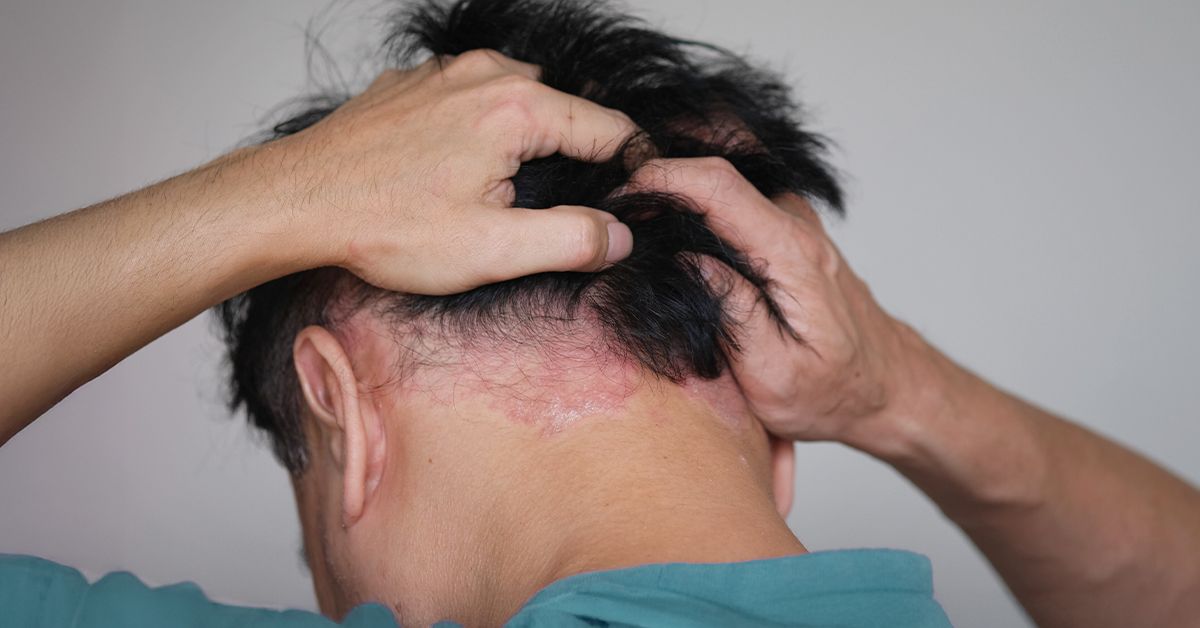
Scalp psoriasis is a chronic inflammatory skin condition that causes skin cells to build up too quickly. Instead of shedding quietly like polite little cells, they pile up into raised, scaly patches called plaques. These plaques may appear on the scalp, around the hairline, behind the ears, on the forehead, or down the back of the neck.
Symptoms can range from mild flaking to thick, stubborn scale that feels tight or painful. Some people experience intense itching, cracking, bleeding from scratching, or temporary hair shedding. The condition is not contagious, so you cannot “catch” scalp psoriasis from someone else, and you cannot give it to another person by sharing a brush, hat, or pillowcase.
How Scalp Psoriasis Medications Work
Scalp psoriasis treatments usually aim to do one or more of four things: soften scale, reduce inflammation, slow down rapid skin cell growth, and calm itching. Because hair gets in the way, scalp treatments often come as shampoos, liquids, foams, gels, sprays, oils, or solutions rather than thick creams. A rich ointment may work beautifully on an elbow plaque but turn your hairstyle into a tragic cooking accident.
The best medication depends on how severe the psoriasis is, how thick the scale is, whether it affects other parts of the body, and how your scalp responds to previous treatments. Mild cases may improve with over-the-counter products. Moderate to severe cases often need prescription medication, and some people need systemic treatment if psoriasis is widespread or connected with psoriatic arthritis.
Over-the-Counter Scalp Psoriasis Treatments
Over-the-counter, or OTC, treatments can be useful for mild scalp psoriasis or as support between prescription treatments. They are usually easier to access and less expensive than prescription products, but they are not magic potions. If your scalp is thickly covered, painful, bleeding, or not improving after several weeks, it is time to call a dermatologist.
1. Salicylic Acid Shampoos and Scale Softeners
Salicylic acid is a keratolytic ingredient, meaning it helps loosen and remove scale. For scalp psoriasis, that matters because thick scale can block other medications from reaching the skin. Think of it as clearing the driveway before the treatment truck can pull in.
Salicylic acid shampoos, gels, and scalp treatments may help reduce flaking and make plaques feel less bulky. However, using too much can irritate the scalp or make hair feel dry and brittle. Some people also find that strong scale-removing products sting if the skin is cracked or scratched. Start slowly, follow the label, and avoid combining multiple exfoliating products unless a clinician recommends it.
2. Coal Tar Shampoos
Coal tar has been used for psoriasis for many years. It can help reduce itching, scaling, and rapid skin cell growth. It is available in some OTC psoriasis shampoos and scalp products. Coal tar may be especially helpful for people whose main complaint is itch, although it has a few personality flaws: it can smell strong, stain light-colored hair or fabric, and increase sun sensitivity.
When using coal tar shampoo, massage it into the scalp rather than just the hair. Let it sit for the recommended time before rinsing. If you rinse it off in ten seconds, it has about as much chance to work as a gym membership you bought and never used.
3. Anti-Itch Hydrocortisone Products
Mild hydrocortisone is available without a prescription and may help reduce itching and inflammation in small areas. However, OTC hydrocortisone is usually not strong enough for thick scalp plaques. It should also be used carefully because overusing topical steroids can thin the skin or cause irritation.
Hydrocortisone may be better for tiny patches near the hairline than for widespread scalp psoriasis. If you feel tempted to coat your whole scalp in it every day, pause and get medical advice instead.
4. Moisturizers, Oils, and Gentle Scalp Care
Moisturizing the scalp can reduce dryness and make scale easier to lift. Mineral oil, coconut oil, or other bland oils may soften plaques before shampooing. Fragrance-free moisturizers can also help irritated skin near the hairline or behind the ears.
Gentle care matters. Avoid aggressive scraping, harsh scrubs, tight hairstyles, high-heat styling tools, and fragranced products that make the scalp sting. Scratching may feel satisfying for three seconds, but it can worsen inflammation and create tiny injuries that trigger more psoriasis.
5. Dandruff Shampoos for Overlapping Symptoms
Some people with scalp psoriasis also have dandruff or seborrheic dermatitis. OTC shampoos with ingredients such as zinc pyrithione, selenium sulfide, or ketoconazole may help if yeast, oiliness, or dandruff-like flaking is part of the problem. These products are not primary psoriasis medications, but they can be useful when symptoms overlap.
Prescription Topical Medications for Scalp Psoriasis
Prescription topical treatments are often the first major step for moderate scalp psoriasis. They are applied directly to the affected skin and can work faster than OTC products. The challenge is choosing a formula that actually reaches the scalp and does not leave your hair looking like it lost a fight with furniture polish.
1. Topical Corticosteroids
Topical corticosteroids are among the most commonly prescribed medications for scalp psoriasis. They reduce inflammation, redness, itching, and swelling. For the scalp, they may come as solutions, foams, shampoos, sprays, gels, or oils. Common examples include clobetasol, fluocinonide, betamethasone, and other steroid medications in different strengths.
High-potency steroids can be very effective, especially for thick or inflamed plaques, but they are usually used for limited periods. Long-term overuse can cause side effects such as skin thinning, stretch marks, easy bruising, or reduced effectiveness. A dermatologist may recommend using a stronger steroid during a flare, then switching to a milder or nonsteroidal medication for maintenance.
2. Vitamin D Analogs
Vitamin D analogs, such as calcipotriene or calcitriol, help slow excessive skin cell growth. They are not the same as taking a vitamin D supplement. These are prescription topical medications designed to act on the skin.
Vitamin D analogs may be used alone or combined with topical steroids. They are often helpful for longer-term management because they do not carry the same skin-thinning risk as steroids. Some people experience irritation, especially at first, so the medication should be used exactly as directed.
3. Combination Calcipotriene and Betamethasone
A common prescription option for scalp psoriasis combines a vitamin D analog with a corticosteroid, such as calcipotriene plus betamethasone dipropionate. This combination targets both rapid skin cell growth and inflammation. It is available in scalp-friendly forms, including topical suspension or foam, depending on the product.
This type of medication can be convenient because it combines two useful actions in one product. Many patients like it because it may reduce the need to juggle several bottles like a bathroom-sink chemist.
4. Tazarotene
Tazarotene is a topical retinoid that helps normalize skin cell turnover. It may be used for psoriasis plaques, sometimes along with a corticosteroid to reduce irritation. On the scalp, it may be applied carefully to affected areas and washed out later, depending on the instructions.
Tazarotene can irritate the skin and is not appropriate for everyone, especially during pregnancy. Patients should follow medical guidance closely and avoid applying it to sensitive areas unless specifically instructed.
5. Anthralin
Anthralin is an older prescription treatment that slows skin cell growth. It can be effective for some people, but it may stain skin, hair, towels, and bathroom surfaces. In other words, it works, but it has the decorating instincts of a toddler with a marker.
Because of staining and irritation, anthralin is less commonly used than newer treatments, but it still has a place in certain treatment plans.
6. Newer Nonsteroidal Topical Options
Newer nonsteroidal psoriasis medications have expanded treatment choices. Roflumilast foam, a topical PDE-4 inhibitor, is designed to reduce inflammation and is useful for hair-bearing areas because foam spreads more easily through hair. Tapinarof cream, an aryl hydrocarbon receptor agonist, is another nonsteroidal option for plaque psoriasis, though creams may be less convenient on a hairy scalp than foams or solutions.
Nonsteroidal treatments can be valuable for people who need maintenance therapy or want to limit steroid exposure. Availability, insurance coverage, age approvals, and suitability vary, so a dermatologist can help determine whether these medications fit your case.
In-Office Treatments for Stubborn Scalp Psoriasis
When topical medications do not fully control symptoms, in-office treatments may help. Dermatologists may use intralesional corticosteroid injections for localized, stubborn plaques. This means a small amount of steroid is injected directly into the affected area. It can be effective, but it is not usually used for large areas or frequent long-term treatment.
Phototherapy is another option. Narrowband UVB light and targeted excimer laser therapy can slow abnormal skin cell growth and reduce inflammation. Scalp psoriasis is tricky because hair blocks light, but special devices can help part the hair and direct treatment to plaques. Phototherapy usually requires multiple sessions over several weeks, so convenience and schedule matter.
Oral and Injectable Prescription Medications
If scalp psoriasis is severe, widespread, or associated with psoriatic arthritis, topical treatments may not be enough. In these cases, doctors may consider systemic medications, which work throughout the body.
Oral Systemic Medications
Oral medications may include methotrexate, cyclosporine, acitretin, apremilast, or newer targeted pills such as deucravacitinib. These medications work in different ways, from calming immune activity to slowing skin cell growth. They can be effective, but they may require lab monitoring, pregnancy precautions, blood pressure checks, or screening for side effects.
Biologic Medications
Biologics are injectable medications that target specific parts of the immune system involved in psoriasis. They may block pathways such as TNF-alpha, IL-17, IL-23, or IL-12/23. Biologics are often used for moderate to severe plaque psoriasis, especially when psoriasis affects quality of life, covers multiple body areas, or comes with joint symptoms.
Biologics can be highly effective, but they are prescription-only, can be expensive, and require medical screening. A dermatologist or rheumatologist may check for infections, review vaccination status, and consider other health conditions before starting treatment.
How to Choose the Right Scalp Psoriasis Medication
The right treatment plan depends on severity, symptoms, lifestyle, hair type, and how much time you realistically want to spend applying medication. A perfect treatment that you hate using will not help much. If a greasy ointment makes you skip treatment for six days, a foam or solution may be better.
For mild flaking, an OTC salicylic acid or coal tar shampoo may be enough. For itchy, red, inflamed plaques, a prescription steroid solution or shampoo may work faster. For thick scale, a scale softener may be needed before anti-inflammatory medication can do its job. For frequent flares, a maintenance plan with vitamin D analogs or nonsteroidal medication may reduce reliance on steroids. For severe or widespread disease, systemic therapy may be the most practical route.
When to See a Dermatologist
Make an appointment if flakes are thick, symptoms are painful, the scalp bleeds, hair shedding is noticeable, OTC treatments fail, or psoriasis affects your sleep, confidence, or daily routine. Also seek medical care if you have joint pain, morning stiffness, swollen fingers or toes, or nail changes such as pitting or lifting. These may point to psoriatic arthritis, which needs early attention.
You should also get help if you are unsure whether the condition is psoriasis. Dandruff, eczema, ringworm, allergic reactions, and seborrheic dermatitis can mimic scalp psoriasis. Treating the wrong condition can waste time and occasionally make symptoms worse.
Practical Tips for Using Scalp Psoriasis Medication
Apply medication to the scalp, not just the hair. Part the hair in sections and place the medication directly on plaques. Wash your hands afterward. If using a medicated shampoo, let it sit for the recommended time before rinsing. Rotate products only if your clinician suggests it; using too many active ingredients at once can irritate the scalp.
Do not pick scales aggressively. If scale is thick, soften it first with an oil, scale softener, or salicylic acid product. Use a wide-tooth comb gently after softening, not like you are excavating an ancient ruin. Be cautious with hair dye, relaxers, perms, and fragranced styling products during flares because irritated skin is more likely to react.
Experience-Based Insights: What Living With Scalp Psoriasis Treatment Can Feel Like
Many people discover that treating scalp psoriasis is less like flipping a light switch and more like training a stubborn houseplant to thrive. You water it, move it closer to the window, apologize to it, and eventually figure out what works. Scalp psoriasis often requires the same trial-and-adjust process.
One common experience is the “product graveyard” phase. A person may try a coal tar shampoo, then a salicylic acid shampoo, then a moisturizing oil, then a prescription foam, and suddenly the shower shelf looks like a small pharmacy with plumbing. This can feel frustrating, but it is also normal. Scalp skin varies, hair texture varies, and psoriasis triggers vary. A product that works wonderfully for one person may leave another person itchy, greasy, or unimpressed.
Another real-world issue is timing. Some prescription treatments are applied at night, which sounds simple until you realize your pillowcase may become part of the treatment plan. People often learn to use an old pillowcase, apply medication earlier in the evening, or choose a foam or solution that dries faster. For morning routines, medicated shampoos can be helpful, but only if there is enough time to let the shampoo sit before rinsing. The “apply and immediately rinse” method is popular among rushed humans, but it usually reduces effectiveness.
Hair care can also become emotional. Scalp psoriasis may make people nervous about haircuts, salon visits, dark clothing, close-up photos, or someone touching their hair. A practical strategy is to tell a trusted stylist, “I have scalp psoriasis. It is not contagious, but my scalp is sensitive today.” That short sentence can prevent awkwardness and protect the scalp from rough brushing, heat, or strong chemical services during a flare.
People also learn that itch control matters as much as plaque control. Scratching can break the skin and worsen inflammation. Keeping nails short, using cool compresses, applying prescribed anti-inflammatory medication, and avoiding harsh shampoos can help reduce the scratch-flare cycle. Stress management may also support treatment, not because psoriasis is “all in your head,” but because stress can influence immune activity and scratching habits.
Perhaps the most important experience is learning to measure progress realistically. Clear skin is wonderful, but improvement may first look like less itching, smaller flakes, softer plaques, fewer sore spots, or fewer flakes on clothing. Those changes count. Scalp psoriasis can be persistent, but with the right medication plan and steady use, many people get meaningful relief and longer calm periods between flares.
Conclusion
Scalp psoriasis can be stubborn, itchy, flaky, and socially annoying, but it is manageable. OTC treatments such as salicylic acid shampoos, coal tar products, moisturizers, and mild anti-itch options may help mild symptoms. Prescription treatments, including topical corticosteroids, vitamin D analogs, combination products, tazarotene, anthralin, and newer nonsteroidal options, can offer stronger control. For severe or widespread psoriasis, phototherapy, oral medications, or biologics may be appropriate.
The best approach is not always the strongest medication. It is the treatment plan that fits your scalp, symptoms, lifestyle, and safety needs. If your scalp is painful, bleeding, spreading, or not improving, a dermatologist can help build a smarter plan. Your scalp does not need to run the show forever.