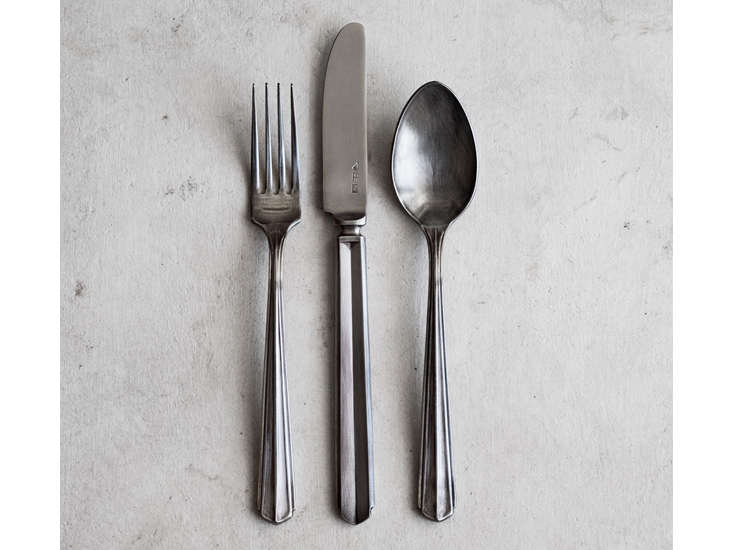
Some forks simply move food from plate to mouth. Yuichi Takemata’s ryo Fork does that, of course, but it also manages to look as if it has a small, quiet philosophy degree. It is not flashy. It does not shout from the table like a gold-plated peacock. Instead, it offers a calm, tactile kind of beauty: stainless steel with a hand-finished surface, a ridged handle, and a shape that feels both antique and entirely modern.
For anyone who loves Japanese tableware, handmade flatware, minimalist dining tools, or objects that become more interesting with age, the ryo Fork is more than a utensil. It is a tiny piece of metal craft designed for daily meals, slow dinners, and tables where the details matter. Created through the collaboration of Japanese metalware artist Yuichi Takemata, designer Osamu Saruyama, and manufacturer Tasan Kinzoku, the ryo series brings together industrial precision and individual hand finishing. The result is table cutlery that feels refined, imperfect, and personal in all the right ways.
What Is Yuichi Takemata’s ryo Fork?
Yuichi Takemata’s ryo Fork is a stainless steel table fork made in Japan as part of the ryo cutlery series. The table fork is commonly listed at approximately 18.6 cm long and 2.2 cm wide, with a weight around 53 grams. Those numbers may sound like catalog trivia, but they matter. The fork is long enough to feel elegant at a dinner setting, narrow enough to remain graceful, and weighty enough to avoid the sad, bendy feeling of cheap flatware that looks nervous around steak.
The ryo series includes several pieces, such as a table fork, salad fork, salad spoon, serving fork, serving spoon, butter knife, and other dining tools. Each piece has a family resemblance: a slender profile, a textured or ridged handle, a soft industrial patina, and a finish that suggests age without looking damaged. The ryo Fork, in particular, sits beautifully between formal and relaxed. It can appear at a carefully styled dinner party, but it also works beside a bowl of rice, roasted vegetables, handmade pasta, or a piece of toast that is trying very hard to become dinner.
The Story Behind the ryo Series
The ryo series is not just a designer’s sketch turned into production flatware. It is a layered collaboration. Osamu Saruyama contributes the design sensibility; Tasan Kinzoku provides metal manufacturing expertise; and Yuichi Takemata finishes each piece by hand. This combination is important because it explains why the fork has such an unusual personality. It is not purely handmade in the rustic sense, and it is not purely factory-made in the anonymous sense. It lives in the middle, where consistency meets touch.
The series is often associated with vintage molds and the history of Western-style tableware in Japan. That background gives the fork its old-world silhouette, while the stainless steel material keeps it practical for modern dining. The ryo Fork does not imitate European flatware exactly. Instead, it filters the idea of Western cutlery through Japanese craft values: restraint, balance, material honesty, and the belief that everyday tools deserve attention.
Who Is Yuichi Takemata?
Yuichi Takemata is a Japanese metal artist based in Kanazawa, a city known for traditional craft culture. Born in 1975 in Ishikawa Prefecture, he began studying metal carving in the 1990s and later worked in jewelry and antique restoration. That background shows up clearly in his cutlery. A jewelry maker understands small surfaces, edges, weight, polish, and the difference between shiny and soulful. A fork may not be a ring, but it still touches the hand, catches light, and becomes part of a daily ritual.
Takemata opened his atelier shop KiKU in 2004 and later expanded into everyday tools, including cutlery and table objects. His work often reflects the Japanese idea of wabi-sabi, which values imperfection, age, quietness, and the beauty of use. That does not mean the ryo Fork looks unfinished. It means the finish is alive. The surface is meant to change subtly, developing character as it is handled, washed, dried, and brought back to the table again.
Design Details That Make the ryo Fork Stand Out
A Ridged Handle With Real Tactile Appeal
The handle is one of the first things people notice about the ryo Fork. It is ridged, textural, and slightly rugged, giving the piece a pleasant grip without becoming decorative in a loud way. The ridges catch light softly, creating shadows that make the fork look different depending on the table setting. On white linen, it feels calm and architectural. Beside rough stoneware, it looks earthy and handmade. Next to polished porcelain, it adds a little friction, like a linen jacket at a formal dinner.
Stainless Steel With an Antique Mood
Stainless steel is usually associated with practicality, and for good reason. It resists corrosion, holds up to regular use, and is familiar in modern kitchens. But the ryo Fork does not have the sterile mirror finish of hotel banquet flatware. Its surface has a subdued, aged quality. It looks as if it has already lived a little, which makes it easier to enjoy. You do not have to treat it like a museum artifact, although you should still avoid abusing it like a spoon in a garbage disposal.
Hand-Finished Character
Because each piece is finished by hand, slight differences may appear in surface texture and tone. For collectors of handmade flatware, this is part of the appeal. Small variations remind you that a person was involved. The fork is not trying to be identical to every other fork in the drawer. It has the good manners to match the set, but enough individuality to keep dinner from feeling mass-produced.
How the ryo Fork Feels at the Table
A good fork should disappear during use but remain memorable afterward. The ryo Fork manages that balance well. Its slim shape makes it easy to maneuver, while the weight gives it presence. It feels especially natural with food that benefits from a precise but gentle utensil: roasted carrots, grilled fish, dressed greens, fresh fruit, dumplings, pasta, and small composed plates.
Compared with bulky Western flatware, the ryo Fork feels more delicate. Compared with very lightweight minimalist cutlery, it feels more grounded. This makes it an excellent bridge between Japanese table settings and Western dining habits. It can sit beside a ceramic rice bowl and lacquer chopsticks, then look equally comfortable next to a dinner plate, linen napkin, and wine glass.
Why Designers and Collectors Like It
The ryo Fork appeals to people who care about the “in-between” qualities of objects. It is practical, but it has emotional texture. It is modern, but it borrows from older forms. It is stainless steel, but it does not feel cold. That combination is difficult to achieve. Many products try to look artisanal by adding roughness, but the ryo Fork feels more considered. Its irregularity is controlled. Its simplicity is not empty.
Interior designers and tableware collectors often look for pieces that can work across many moods. The ryo Fork does that beautifully. It can soften a clean modern table, elevate a rustic one, and add an artisan note to everyday meals. It also photographs well, which matters in the age of dinner parties that mysteriously become photo shoots. Put it beside a matte ceramic plate, a folded linen napkin, and a wedge of lemon, and suddenly lunch looks like it has a creative director.
Best Ways to Style Yuichi Takemata’s ryo Fork
With Handmade Ceramics
The ryo Fork pairs naturally with handmade ceramics, especially stoneware, porcelain with irregular glaze, and earthy clay bodies. Its patinated stainless surface works well with plates in gray, cream, brown, charcoal, blue, or off-white. If your dishes have visible throwing marks or glaze movement, the fork will look like it belongs there.
With Minimalist Table Settings
For a minimalist table, the ryo Fork adds texture without clutter. Use plain plates, simple glassware, and natural napkins. Let the fork be one of the few decorative elements. This works especially well for modern apartments, small dining rooms, and restaurants that want their table settings to feel curated rather than crowded.
With Antique or Vintage Pieces
Because the ryo Fork has an aged character, it can also mix beautifully with antique plates, vintage serving bowls, and old silver pieces. The key is contrast. A slightly worn fork beside a floral plate or an old wooden tray creates a table that feels collected over time rather than purchased in one heroic online shopping session at midnight.
Care Tips for the ryo Fork
The ryo Fork should be treated with the kind of respect you would give any hand-finished object. Hand washing is generally recommended. Use mild dish soap, a soft sponge, and warm water. Dry it soon after washing to help preserve the surface and reduce water spots. Avoid abrasive cleansers, steel wool, harsh scouring pads, and long soaking sessions.
Although the fork is stainless steel, the finish is part of its charm. Aggressive cleaning can make the surface look uneven in the wrong way. Think of care as maintenance, not restoration. The goal is not to make the fork look brand-new forever. The goal is to let it age gracefully while keeping it clean, functional, and ready for the next meal.
Is the ryo Fork Worth It?
The answer depends on what you want from flatware. If you need a giant set of forks for a family barbecue where half the utensils may disappear into the lawn, the ryo Fork is probably not your first choice. If you want a special piece of Japanese cutlery that brings craft, history, and tactile pleasure to the table, it makes much more sense.
The ryo Fork is not about bargain quantity. It is about daily quality. Many buyers choose one or two pieces first, then slowly build a set. That approach suits the spirit of the object. You do not need to own a full drawer of handmade flatware overnight. A single fork can change the way a place setting feels. A pair can make dinner for two feel intentional. A full set can turn an ordinary meal into something closer to a ritual.
How It Compares With Ordinary Stainless Steel Flatware
Ordinary stainless steel flatware is usually judged by durability, shine, weight, and price. The ryo Fork adds another category: atmosphere. It has a visual and tactile mood that standard flatware rarely offers. Most commercial forks are designed to be neutral. The ryo Fork is quiet, but not neutral. It contributes to the table the way a good ceramic bowl or handwoven napkin does.
It also differs from mass-market “rustic” flatware, which can sometimes feel artificially distressed. The ryo Fork’s character comes from material, form, and hand finishing, not decorative gimmicks. It does not need oversized handles, dramatic black coating, or fake farmhouse energy. It simply looks like a well-made object that has been considered from tip to handle.
Experience Notes: Living With Yuichi Takemata’s ryo Fork
The experience of using Yuichi Takemata’s ryo Fork begins before the first bite. When it is placed on the table, it changes the mood of the setting immediately. A regular fork says, “Dinner is ready.” The ryo Fork says, “Dinner is ready, and someone thought about the fork.” That may sound dramatic, but small details do affect how a meal feels. The fork encourages slower eating, not because it performs magic, but because it makes the table feel more intentional.
In everyday use, the most noticeable quality is the handle. The ridges give the hand something to recognize. It does not slip into the background like flat, polished cutlery. The texture is subtle enough to remain comfortable, yet distinct enough to feel crafted. When paired with a simple lunchsay, a salad of bitter greens, roasted squash, toasted nuts, and vinaigrettethe fork adds a quiet sense of ceremony. Suddenly the salad is not just “something healthy before snacks happen.” It becomes a proper meal.
The ryo Fork also works beautifully with imperfect table settings. It does not require everything around it to be expensive or matching. In fact, it often looks better when the table has a mix of materials: a stoneware plate, a wooden board, a cotton napkin, a small glass, and perhaps one slightly chaotic flower in a vase. The fork acts like a visual bridge between those textures. It is polished enough for elegance and rough enough for warmth.
Another enjoyable experience is watching the finish respond to use. Many people are trained to think that good tableware must stay flawless forever. The ryo Fork offers a different lesson. A small shift in tone, a softened edge of shine, or a faint mark from regular handling does not ruin the object. It deepens it. This is especially appealing for anyone who likes leather that develops patina, wooden cutting boards that darken with oil, or ceramic cups that become favorites because they fit the hand just right.
Of course, living with the ryo Fork also requires a little discipline. It is not the fork to toss carelessly into a sink full of pans, knives, and mystery spoons. It asks to be washed, dried, and returned to its place. That may sound fussy, but the ritual is part of the pleasure. Caring for a beautiful object can make ordinary routines feel less automatic. Even drying the fork with a towel becomes a tiny pause in the day, which is more than most kitchen tools can claim.
For hosts, the ryo Fork is a conversation starter without being loud. Guests may not immediately know the maker or the story, but they often notice the feel. Someone will pick it up, turn it slightly, and ask about it. That is the charm of well-designed tableware: it invites curiosity through use rather than branding. No logo needs to announce itself. The fork speaks through weight, texture, proportion, and the way it catches light beside the plate.
Ultimately, the experience of Yuichi Takemata’s ryo Fork is about attention. It reminds us that dining is not only about recipes, ingredients, or presentation. It is also about the tools we touch hundreds of times without thinking. A fork can be ordinary, and most days that is fine. But a fork can also be a small work of craftuseful, humble, beautiful, and quietly capable of making Tuesday dinner feel like it has better posture.
Conclusion
Yuichi Takemata’s ryo Fork is a refined example of Japanese stainless steel flatware that combines practical function with hand-finished artistry. Its ridged handle, antique-inspired patina, balanced weight, and understated silhouette make it a standout choice for anyone who appreciates handmade cutlery, Japanese design, and table settings with soul. It is not the cheapest fork in the drawer, and that is exactly the point. It is made for people who believe everyday objects should earn their place through beauty, usefulness, and the ability to age well.
Whether styled with handmade ceramics, used for quiet dinners at home, or collected as part of the wider ryo series, this fork brings a calm elegance to the table. It proves that good design does not need to be loud. Sometimes it only needs stainless steel, a thoughtful hand, and the confidence to let dinner speak softly.
Note: This article is written for editorial and SEO publishing purposes. Product specifications and background details should be reviewed again before publication if pricing, stock status, or retailer availability is important to the final page.