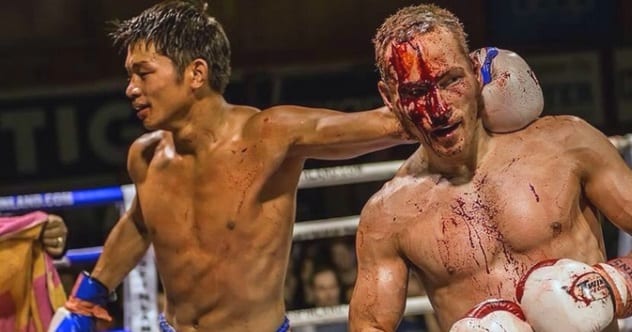
Some sports ask athletes to run fast, jump high, or calmly tap a tiny white ball into a suspiciously distant hole. Fighting sports ask a much less polite question: what happens when two trained humans agree to test timing, courage, pain tolerance, strategy, and chin durability under bright lights?
The phrase most brutal modern fighting sports sounds like a late-night argument between gym friends, but brutality is not only about blood. A sport can feel brutal because of its rules, permitted techniques, pace, protective equipment, knockout risk, or the psychological pressure of facing someone who has spent years learning how to turn small openings into very large problems.
This list ranks modern combat sports by their intensity, legal weapons, injury risk, physical demands, and the unique ways each sport challenges the body and mind. It is not a celebration of reckless violence. These sports are regulated, coached, judged, and practiced by serious athletes. Still, nobody should confuse them with gentle weekend yogaunless your yoga instructor allows elbows in the clinch, in which case you may want a new studio.
How We Ranked the Most Brutal Fighting Sports
To keep the ranking fair, each sport was judged using five major factors: the range of legal attacks, frequency of head and body impact, protective gear, likelihood of cuts or knockouts, and how exhausting the rules make competition. A sport that allows punches, kicks, elbows, knees, clinching, throws, and submissions will usually rank higher than one with a narrower rule set. A sport fought bare-knuckle or with repeated head contact also earns extra brutality pointsthough not necessarily extra wisdom points.
With that in mind, let us step into the ring, cage, mat, pit, or otherwise bad-decision-shaped competition area.
1. Lethwei: The Art of Nine Limbs
Why It Is So Brutal
Lethwei, often called Burmese bare-knuckle boxing, may be the most intimidating striking sport still practiced today. While Muay Thai is known as the “art of eight limbs” because fighters use fists, elbows, knees, and shins, Lethwei adds a ninth weapon: the head. Yes, headbutts are legal. That single rule changes everything.
Competitors use punches, kicks, elbows, knees, clinch attacks, sweeps, and headbutts, typically with only hand wraps instead of boxing gloves. The result is a style where distance is dangerous, close range is dangerous, and even forehead-to-forehead exchanges can become offensive opportunities. It is not merely a sport of hitting; it is a sport of surviving chaos while staying technical.
Lethwei’s brutality comes from its minimal hand protection, heavy clinch fighting, and knockout-centered culture. Fighters must be tough, but toughness alone is not enough. The best Lethwei athletes are calm under pressure, excellent at timing, and comfortable in the kind of close-range exchanges that make casual viewers suddenly remember an urgent appointment elsewhere.
2. Bare-Knuckle Boxing
Old-School Violence With Modern Regulation
Bare-knuckle boxing has surged back into public attention through modern promotions, especially in the United States. The sport is simple on paper: boxing without padded gloves over the knuckles. In practice, that small equipment change transforms the entire fight.
Without gloves, fighters cannot punch with the same carefree volume used in traditional boxing. Hands break. Faces cut. Defense becomes sharper because every clean punch can open skin. The rounds are often shorter than standard professional boxing, but the visual damage can be dramatic. A jab that might merely snap the head back in gloved boxing can create a cut in bare-knuckle competition.
Interestingly, bare-knuckle boxing is not automatically more dangerous in every medical category. Some research has found that lacerations and hand injuries are common, while documented concussion rates may be lower than many people expect. Still, “less concussive than assumed” is not exactly the same as “safe.” It remains one of the most brutal combat sports because every mistake leaves a receiptand the receipt is usually written across someone’s eyebrow.
3. Mixed Martial Arts (MMA)
The Most Complete Modern Combat Test
Mixed martial arts deserves a high ranking because it combines striking, wrestling, clinching, ground fighting, and submissions into one unforgiving rule set. A fighter may be winning a boxing exchange, only to be taken down. They may defend a takedown, only to eat a knee in the clinch. They may survive the striking, only to get trapped in a choke. MMA is basically a final exam where every subject is trying to hurt you.
Modern MMA is regulated by unified rules in many jurisdictions, with weight classes, rounds, fouls, medical requirements, judges, referees, and safety procedures. Even with those controls, the sport remains uniquely punishing. Legal techniques include punches, kicks, knees, elbows, takedowns, ground-and-pound, joint locks, and chokes. The small gloves allow grappling but also make punches land with a different sharpness than boxing gloves.
MMA’s brutality is not only physical; it is strategic. Athletes must train multiple disciplines and remain calm during rapid transitions. One second they are kickboxing, the next they are defending a double-leg takedown, and ten seconds later they are trying to escape a rear-naked choke while thousands of fans provide extremely unhelpful advice.
4. Muay Thai
The Art of Eight Limbs
Muay Thai is one of the world’s most respected striking arts because it uses fists, elbows, knees, and shins. The sport’s clinch fighting is especially brutal. Unlike boxing, where clinches are often broken quickly, Muay Thai allows fighters to work from close range, landing knees, elbows, sweeps, and off-balancing attacks.
Elbows are a major reason Muay Thai ranks so high. They are short, sharp, and excellent at causing cuts. Knees to the body can drain an opponent’s gas tank in a hurry, while low kicks can make even elite athletes move like they have downloaded bad software into their legs.
Muay Thai is also brutal because of its rhythm. Fighters may begin slowly, reading reactions, then increase pressure until the match becomes a storm of kicks, checks, clinches, knees, and elbows. The sport rewards balance, toughness, and composure. It also teaches a valuable lesson: blocking a shin with your thigh is technically defense, but your thigh may file a complaint afterward.
5. Professional Boxing
The Sweet Science With a Savage Edge
Professional boxing has fewer legal weapons than many sports on this list, but do not let that fool you. Boxing is brutal because its entire rule set concentrates damage through the fists, especially to the head and body. Fighters may compete for many rounds, and elite boxers are trained to land precise punches repeatedly under fatigue.
The jab, cross, hook, and uppercut sound simple until they are delivered by someone who has practiced them thousands of times. Boxing footwork creates angles. Defensive skills reduce damage, but the sport’s scoring and knockout incentives still reward clean, effective punches. Body shots can end a fight without touching the chin. Head shots can change a bout in a blink.
Boxing’s danger also comes from accumulation. A single punch can knock someone out, but repeated sub-concussive impacts are a major concern in long careers. This is why modern boxing requires medical supervision, referees, commissions, and strict stoppage judgment. It may be called the sweet science, but sometimes the science arrives wearing 10-ounce gloves and bad intentions.
6. Combat Sambo
Throws, Strikes, Submissions, and No Easy Answers
Combat sambo is a rugged fighting sport with roots in military training and competitive grappling. It blends throws, trips, pins, submissions, punches, kicks, and chokes. In other words, it gives athletes a buffet of problems and no napkins.
What makes combat sambo especially brutal is the combination of high-amplitude throws and striking. A fighter can be punched while trying to enter a clinch, thrown hard to the mat, then forced to defend an arm lock or choke. The jacket used in sambo adds gripping possibilities, making takedowns and control sequences dynamic and physically demanding.
Combat sambo athletes often develop explosive entries, heavy top pressure, and strong submission awareness. The sport rewards aggression, but reckless aggression can get punished quickly. Charge in carelessly and you may discover that gravity has a black belt.
7. Kickboxing
Fast-Paced Striking Without Much Room to Hide
Kickboxing comes in several rule styles, but modern professional kickboxing typically allows punches, kicks, and in some formats knees with limited clinching. Compared with Muay Thai, kickboxing usually features less extended clinch work and fewer elbow-based attacks. That does not make it gentle. It simply changes the flavor of pain.
Kickboxing is brutal because of its pace. Fighters often exchange combinations at high speed, mixing punches with low kicks, body kicks, head kicks, and knees. The rhythm can be relentless. A boxer may only need to worry about hands, but a kickboxer must defend the head, ribs, arms, liver, legs, and ego all at once.
Low kicks are particularly nasty. A clean low kick can reduce mobility, damage balance, and make an opponent hesitant to step forward. Once movement slows, punches become easier to land. Kickboxing is a sport of chain reactions: one damaged leg can lead to one missed defense, which can lead to one very quiet ride home.
8. Sanda
Chinese Kickboxing With Throws
Sanda, also called Chinese kickboxing, combines punches, kicks, and takedowns. Its brutality comes from transitions. Unlike standard kickboxing, where exchanges usually remain standing, Sanda fighters can strike into throws and dumps, turning a clean kickboxing exchange into an airborne physics lesson.
Sanda rewards timing, balance, and explosive counters. A fighter may catch a kick and immediately sweep or throw the opponent. This creates a constant strategic tension: kicking scores and damages, but a poorly timed kick can become a free invitation to the mat.
Although Sanda athletes often wear protective gear in amateur formats, the sport remains intense because it blends impact with sudden falls. The best competitors look smooth and controlled, but that control hides a harsh truth: getting thrown after being punched is not a relaxing afternoon activity.
9. Kyokushin Karate
Bare-Knuckle Body Striking and Iron Discipline
Kyokushin karate is famous for hard sparring, bare-knuckle body punches, low kicks, body kicks, and head kicks. In many traditional competition formats, punches to the head are not allowed, which may seem like it should lower the brutality ranking. Then you watch a Kyokushin match and realize the body is not exactly having a picnic.
Kyokushin fighters are known for conditioning, toughness, and an almost stubborn willingness to stand in front of each other trading body shots and kicks. Knockdowns often come from liver kicks, head kicks, leg kicks, or accumulated body damage. The lack of gloves makes body punching feel raw, while the kicking arsenal keeps opponents under constant threat.
This sport is brutal in a quieter way than bare-knuckle boxing or Lethwei. It may not always produce dramatic facial cuts, but the internal tax is high. After a hard Kyokushin match, the winner may look calm, bow respectfully, and then privately wonder whether breathing should require a user manual.
10. Olympic Taekwondo
Speed, Precision, and Head-Kick Danger
Olympic-style taekwondo may surprise some readers on a list of brutal fighting sports because athletes wear protective equipment and the scoring system emphasizes speed, accuracy, and technique. But the sport earns a place here because legal head kicks remain a central threat, and elite taekwondo athletes can generate stunning power from long range.
Taekwondo is less about grinding exchanges and more about explosive moments. A spinning kick, turning kick, or high roundhouse can change a match instantly. The sport’s electronic scoring systems and protective gear help regulate competition, but they do not remove the athletic danger of being kicked in the head by someone who can fold their leg around space like a human mousetrap.
Compared with MMA, Lethwei, or Muay Thai, taekwondo is more controlled and specialized. Still, specialization can be frightening. When an athlete trains for years to land fast, accurate, full-contact kicks, the result is beautiful, technical, and occasionally very loud.
What Makes a Fighting Sport “Brutal”?
Brutality in combat sports is not just about how scary a highlight reel looks. A bloody face may appear more dramatic than a concussion, but visible damage does not always tell the full medical story. A sport can be brutal because of surface injuries, brain trauma risk, joint submissions, repeated body impact, or extreme conditioning demands.
Protective gear also changes the equation. Gloves protect hands, which can allow fighters to punch harder and more often. Bare knuckles may cause more cuts but can reduce punch volume because the striker’s own hand is at risk. Headgear may prevent cuts in some settings, but it does not make the brain immune to acceleration forces. In combat sports, safety is complicated, and simple claims rarely survive contact with reality.
The most responsible gyms and promotions understand this. They use medical checks, referees, weight classes, proper matchmaking, progressive training, and recovery protocols. The goal is not to remove risk entirelythat would be impossiblebut to manage it intelligently.
Experiences and Lessons Around Brutal Fighting Sports
Anyone who spends time around modern fighting sports quickly learns that the athletes are usually calmer than the marketing. Posters scream about war. Commentators talk about destruction. Fans argue online as if they personally invented the jab. But inside a good gym, the atmosphere is often disciplined, respectful, and surprisingly humble. The beginner who enters expecting chaos usually discovers structure: warmups, footwork, drilling, controlled sparring, conditioning, cooldowns, and coaches repeating the same basic instructions until they become part of the body.
The first major experience is realizing how exhausting fighting is. Watching from a couch, it is easy to say, “Why doesn’t he just throw more punches?” After one minute of pad work, most beginners understand why. Shoulders burn. Breathing gets loud. Legs feel heavy. The brain becomes foggy. Combat sports punish tension, panic, and wasted movement. A trained fighter looks relaxed not because the sport is easy, but because relaxation is survival.
The second lesson is that impact feels different from how it looks. A low kick can seem minor on video until it lands on the thigh with a sound like someone slapping a steak against a kitchen counter. A body shot can look ordinary until the receiver suddenly folds. A clean jab may not look cinematic, but it can disrupt balance, vision, rhythm, and confidence. Brutal fighting sports are built from these small moments of discomfort, repeated until someone breaks technically, physically, or mentally.
The third experience is respect. Serious fighters respect distance, timing, coaches, opponents, and recovery. They know that bravery without skill is just express shipping to the emergency room. The best athletes are not wild brawlers; they are problem-solvers under pressure. They study habits, manage energy, hide intentions, and make adjustments in real time. A great Muay Thai fighter may spend two rounds attacking the leg before opening a head kick. A boxer may jab to the chest to set up a right hand. An MMA fighter may strike only to force a takedown reaction. The brutality is real, but so is the intelligence.
The fourth lesson is that safety culture matters. A responsible gym does not throw beginners into hard sparring on day one. It teaches defense before ego. It encourages mouthguards, wraps, gloves, shin guards, hydration, sleep, and medical attention when something feels wrong. It also teaches tapping. In grappling and MMA, tapping is not weakness; it is the reset button that lets everyone train again tomorrow.
Finally, these sports teach that toughness is not the same as carelessness. The toughest athletes often take recovery seriously, choose training partners wisely, and know when to rest. Brutal modern fighting sports can build confidence, fitness, discipline, and community, but only when approached with patience and respect. The cage, ring, or mat has a way of exposing fantasy. It rewards preparation and humbles shortcuts. That is why fans love these sports: beneath the violence is a demanding craft, and beneath the craft is a simple truthcombat sports are honest in a world that often prefers comfortable illusions.
Conclusion
The top 10 most brutal modern fighting sports each test athletes in different ways. Lethwei and bare-knuckle boxing shock viewers with minimal hand protection and visible damage. MMA and combat sambo challenge the entire body through striking, wrestling, and submissions. Muay Thai, kickboxing, Sanda, Kyokushin karate, boxing, and taekwondo all prove that specialization can be just as punishing as variety.
What separates these sports from street violence is structure. There are rules, referees, training systems, weight classes, and medical oversight. The athletes are not simply tough; they are skilled, conditioned, and disciplined. Brutality may attract attention, but technique is what earns respect.
For fans, these sports offer drama, strategy, and unforgettable athletic courage. For beginners, they offer a path to fitness and confidenceprovided training starts slowly, safely, and under qualified coaching. Fighting sports are not for everyone, and that is perfectly fine. Some people prefer tennis, swimming, or chess. Of course, chess would be more brutal if pawns were allowed elbows, but thankfully civilization has limits.