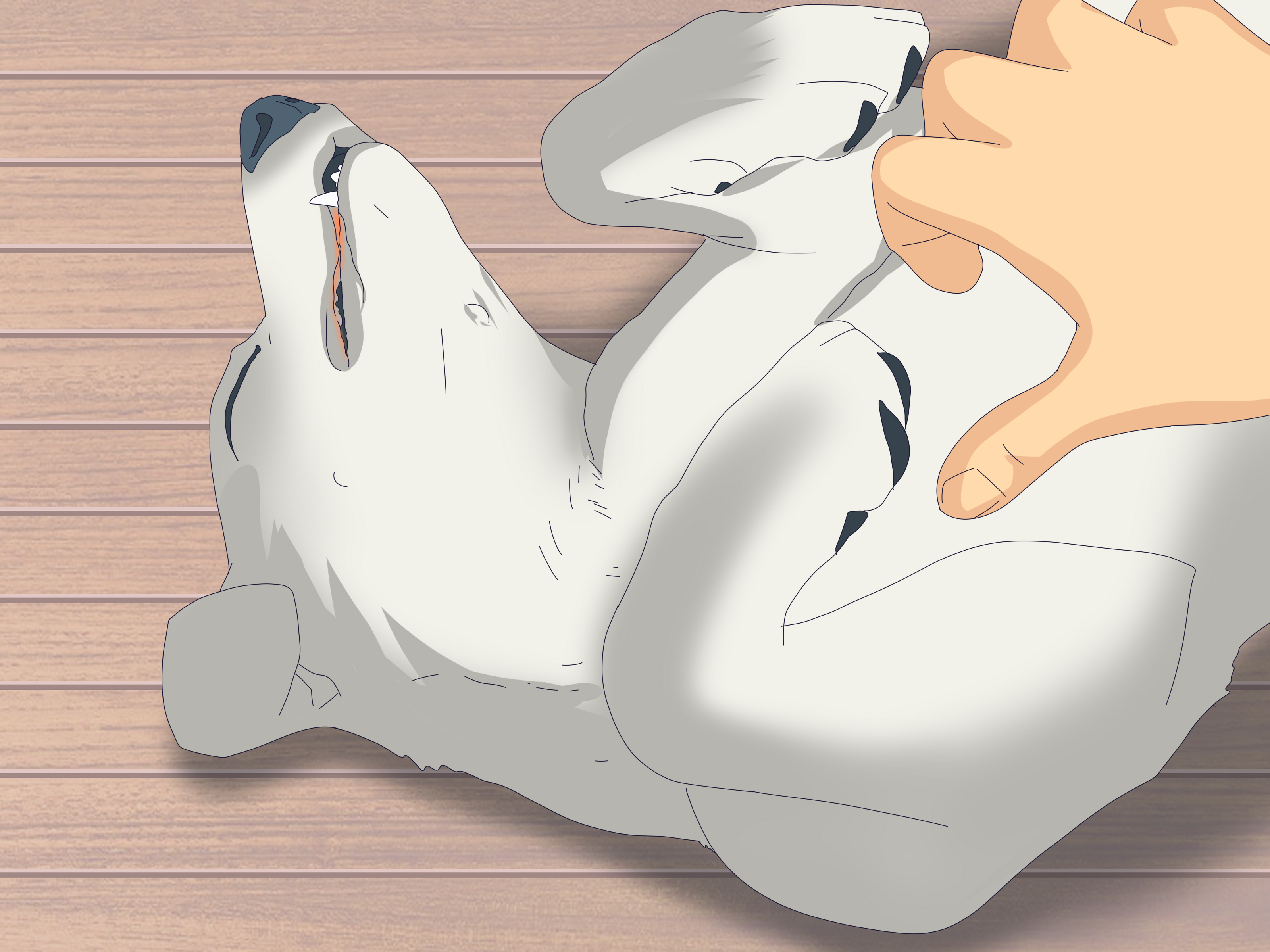
If you have ever walked into the living room and found your dog lying belly-up, legs in the air, mouth slightly open, looking like a furry piece of roadkill with excellent dental insurance, congratulations: you have witnessed one of the funniest and most revealing dog sleeping positions. Many pet parents wonder, “Why do dogs sleep on their backs?” Is it comfort? Trust? Heat? A dramatic audition for the role of “most relaxed creature on Earth”?
The short answer: a dog sleeping on its back is usually a good sign. In many cases, it means your pup feels safe, cool, comfortable, and deeply relaxed. But like most dog behavior, context matters. A belly-up snooze can be totally normal, but sudden changes in sleep posture, heavy panting, restlessness, or signs of pain deserve attention.
Below, we will break down five expert-backed reasons dogs sleep belly-up, what this position says about your dog’s body language, when it may be a health clue, and how to make your pup’s sleep space even better. Because yes, apparently your dog does need three beds, two blankets, one couch, and your favorite pillow.
1. Your Dog Feels Safe and Trusts You
The most heart-melting reason dogs sleep on their backs is simple: they feel secure. The belly is one of the most vulnerable parts of a dog’s body. When a dog rolls onto its back and falls asleep, it exposes the abdomen, chest, throat, and vital organs. In the wild, that is not exactly a “ready for battle” position. It is more like hanging a sign that says, “I trust this place enough to become a fluffy taco.”
Dogs that sleep belly-up are often relaxed in their home environment. They are not worried about needing to jump up quickly, defend themselves, or monitor every sound. This is especially common in dogs that have a consistent routine, a peaceful household, and positive relationships with their humans.
What Back Sleeping Says About Dog Body Language
A relaxed back-sleeping dog usually has loose muscles, soft facial features, and a calm breathing rhythm. Their paws may flop open, their lips may sag slightly, and they may look so comfortable that you start questioning whether you are the one who needs a better mattress.
However, not every belly-up position means the same thing. A dog may roll onto its back while awake to show friendliness, request a belly rub, avoid conflict, or communicate submission. During sleep, though, a relaxed belly-up position usually points more toward comfort and security than active communication.
If your dog chooses to sleep this way near you, take it as a compliment. Your dog is basically saying, “I believe you will not let anything weird happen while I turn myself into a four-legged croissant.”
2. Back Sleeping Helps Dogs Cool Down
Another major reason dogs sleep on their backs is temperature control. Dogs do not sweat all over their bodies the way humans do. They rely heavily on panting, changes in posture, cooler surfaces, and small sweat glands in their paw pads to help manage body heat.
When a dog sleeps belly-up, the less-furry underside of the body is exposed to the air. This can help heat escape more efficiently, especially if your dog is lying near a fan, on tile, on hardwood, or in the path of the air conditioner. The classic “dead bug” pose is often a summer favorite.
Why Some Dogs Sleep Belly-Up More in Warm Weather
You may notice your dog sleeping on their back more often during hot months or after active play. That is not random. The belly has less hair than the back, and spreading out increases air circulation around the body. If your dog stretches out on a cool floor with paws pointed toward the ceiling, they may simply be trying to beat the heat without sending a formal complaint to management.
Dogs with thick coats, large bodies, or short noses may be especially sensitive to warm conditions. While back sleeping can be a normal cooling behavior, it should not be confused with heat distress. If your dog is belly-up but also panting heavily, drooling excessively, acting restless, vomiting, stumbling, or seeming weak, move them to a cooler area and contact a veterinarian promptly.
3. It Is Comfortable for Their Muscles, Joints, and Spine
Sometimes the answer to “Why do dogs sleep on their backs?” is refreshingly practical: because it feels good. Sleeping on the back lets many dogs stretch their legs, relax their hips, open the chest, and release tension from the neck and shoulders. After a busy day of sniffing the same mailbox with the intensity of a detective at a crime scene, a dog may simply want to sprawl.
Back sleeping can be especially common in young, flexible dogs that enjoy stretching out in dramatic shapes. Puppies often fall asleep in positions that appear physically impossible, while adult dogs may use back sleeping as part of a rotating menu of comfort poses: side sleeper, donut, sphinx, couch puddle, human-bed invader, and full belly-up masterpiece.
Can Senior Dogs Sleep on Their Backs?
Some senior dogs still sleep comfortably on their backs, but others may change positions as arthritis, stiffness, or muscle loss develops. If your older dog used to sleep belly-up and suddenly avoids that posture, struggles to get up, limps, groans, or seems reluctant to be touched, discomfort may be involved.
An orthopedic dog bed can help support aging joints and give your dog more options for restful sleep. Look for a bed that is large enough for full-body stretching. If your dog loves sleeping on their back but keeps sliding off a tiny bed like a pancake escaping a plate, it may be time to upgrade.
4. Your Dog May Be in Deep, Restful Sleep
Back sleeping often appears when dogs are fully relaxed, and that can overlap with deeper sleep. Dogs, like humans, move through sleep stages, including periods when dreaming may occur. During these moments, you may notice twitching paws, soft barks, whisker movement, or tiny running motions. Your dog may be dreaming about chasing squirrels, eating forbidden cheese, or heroically saving the household from the vacuum cleaner.
A dog sleeping belly-up with relaxed limbs is usually not on high alert. This position is not ideal for springing into action, which is why it often shows up when dogs are deeply comfortable. Side sleeping and back sleeping are both commonly associated with loose, restful body posture.
Should You Wake a Dog Sleeping on Their Back?
Usually, no. If your dog is twitching or making little noises while asleep, it is often normal dream activity. Avoid shaking, poking, or startling a sleeping dog. Even a sweet dog may react defensively if woken suddenly from deep sleep. If you truly need to wake your dog, use a calm voice from a short distance and give them a moment to orient themselves.
There is one important exception: if your dog appears to be having a seizure, cannot be roused afterward, loses bladder or bowel control, has rigid movements, or seems disoriented for an extended period, contact your veterinarian. Normal sleep twitching is usually brief and relaxed. Seizure-like activity is more intense and concerning.
5. It Can Be a Social Signal or Learned Habit
Dogs are excellent students of human behavior. If your dog once rolled onto their back and received a belly rub, baby talk, and the kind of praise usually reserved for Olympic athletes, they may remember. Some dogs learn that belly-up behavior gets attention, affection, or a cozy response from their favorite person.
That does not mean every sleeping dog wants a belly rub. A sleeping dog is sleeping. But during relaxed wakeful moments, some dogs roll onto their backs because they enjoy gentle contact. Others expose their belly as a friendly, non-threatening signal. Dog body language is a full-body conversation, so always look at the whole picture: loose muscles, wiggly body, soft eyes, and relaxed mouth usually suggest comfort; stiffness, tucked tail, whale eye, or lip licking may suggest stress.
Do All Dogs Like Belly Rubs?
No. This is where many humans get politely corrected by dogs. Some dogs love belly rubs and practically melt into the carpet. Others tolerate them because they are saints. Some actively dislike them. If your dog rolls over but stiffens, turns away, licks their lips, or tries to move, give them space. Consent matters, even when the belly is fluffy.
A good rule: pet for a few seconds, then pause. If your dog nudges you, stays loose, or paws gently for more, continue. If they shift away, respect the answer. Your dog will appreciate that you speak fluent “please stop touching my stomach, Susan.”
When Back Sleeping Is Normal vs. When to Worry
Most of the time, a dog sleeping on its back is normal and adorable. Still, changes in sleep posture can sometimes provide clues about health. What matters most is your dog’s baseline. A Labrador who has slept belly-up every night for six years is probably just being a Labrador. A dog who suddenly cannot get comfortable, pants all night, avoids lying down, or changes sleeping habits dramatically may need a checkup.
Call Your Veterinarian If You Notice These Signs
- Heavy panting while resting or sleeping
- Labored breathing, coughing, or gagging
- Restlessness or inability to find a comfortable position
- Sudden avoidance of a favorite sleep position
- Limping, stiffness, groaning, or difficulty rising
- Excessive drooling, bright red gums, vomiting, or weakness in warm weather
- Confusion, seizure-like activity, or major changes in sleep-wake patterns
Dogs cannot tell us, “My hip feels weird,” or “The room is too hot,” or “I had a nightmare about the mail carrier.” Their behavior does the talking. Your job is not to panic over every new pose, but to notice patterns and changes.
How to Help Your Dog Sleep Comfortably
If your dog loves sleeping on their back, make the experience safe and supportive. Choose a bed that allows stretching, especially for medium and large breeds. Keep your dog’s sleeping area cool, quiet, and away from heavy household traffic. Provide fresh water, especially in warm weather. If your dog prefers the floor during summer, consider a cooling mat or a washable rug over tile for gentle support.
For senior dogs, orthopedic bedding can reduce pressure on joints. For anxious dogs, a predictable bedtime routine can help: evening potty break, dim lights, calm voices, and a consistent sleeping spot. For dogs that sleep in your bed, prepare to lose approximately 72 percent of your mattress to a creature who pays no rent but somehow owns the property.
Common Myths About Dogs Sleeping on Their Backs
Myth 1: A Dog on Their Back Is Always Asking for a Belly Rub
Not always. A sleeping dog should be left alone, and an awake dog may roll over for several reasons. Look for relaxed body language before touching.
Myth 2: Back Sleeping Means a Dog Is “Submissive” in a Bad Way
Belly exposure can be part of friendly or submissive communication, but sleeping on the back is usually more about safety and comfort than fear. A relaxed sleeping dog is not making a dramatic statement about household hierarchy.
Myth 3: Only Certain Breeds Sleep Belly-Up
Any breed can sleep on its back. That said, body shape, coat type, age, temperature, and personality may influence how often it happens. A tiny Chihuahua may burrow under blankets, while a Golden Retriever may sprawl belly-up in the hallway like a golden speed bump.
Real-Life Experiences: What Back-Sleeping Dogs Teach Their Humans
Ask a group of dog owners about back sleeping, and you will quickly collect enough stories to fill a comedy special. One person will describe a puppy who naps belly-up with paws folded like a tiny roasted chicken. Another will mention a senior dog who only sleeps on his back when the air conditioner is running. Someone else will confess that their dog sprawls upside down across the bed while the humans cling to the edge like mountaineers.
These everyday experiences are useful because they remind us that dog behavior is both biological and personal. A dog may sleep on their back because they are warm, but the exact version of that behavior can be wonderfully individual. Some dogs prefer the cool bathroom floor. Others choose the center of the living room, directly where everyone needs to walk. Some dogs roll onto their backs only after a long hike or a wild game of fetch. Others do it every night at 8:13 p.m., as if their internal calendar says, “Begin upside-down loaf mode.”
Many pet parents notice that back sleeping increases as a dog becomes more confident in a new home. A rescue dog may start out curled tightly in a corner, then slowly progress to side sleeping, then finally reveal the belly once trust grows. That first belly-up nap can feel like a milestone. It is quiet, funny, and emotional all at once. Your dog may not write you a thank-you note, but the posture says plenty: “I am safe here.”
Other experiences teach the value of observation. For example, a dog who sleeps on their back only in summer may be using the position to cool down. That owner might respond by adding a fan, offering a cooling mat, or adjusting walk times to cooler parts of the day. A senior dog who suddenly stops back sleeping may be showing early signs of stiffness. That owner might schedule a vet visit, add a supportive bed, and make stairs or slippery floors easier to navigate.
There are also the hilarious lessons. Back-sleeping dogs snore. They twitch. They make tiny dream sounds. They sometimes wake themselves up with their own paws. They look deeply undignified and completely at peace. This combination is exactly why people take photos, send them to family chats, and caption them with things like, “Long day at the office.”
The best experience-based advice is simple: enjoy the cuteness, but pay attention. Your dog’s sleep habits are part of their daily health story. Notice what is normal for your dog. Notice what changes. Keep the room comfortable. Let sleeping dogs lie. And if your pup trusts you enough to snooze belly-up in the middle of your home, consider it one of the highest compliments in the canine world.
Conclusion
So, why do dogs sleep on their backs? Usually because they feel safe, want to cool down, enjoy the comfort of a full-body stretch, are resting deeply, or have learned that belly-up relaxation is part of their happy routine. This position is often a sign of trust and contentment, especially when your dog’s body looks loose and their breathing is calm.
Still, sleep positions are only one piece of the puzzle. A happy belly-up nap is normal. A sudden change in sleep habits, discomfort, heavy panting, breathing trouble, or signs of pain should be taken seriously. You know your dog’s normal better than anyone. When something feels off, your veterinarian is the right partner.
In the meantime, let your upside-down pup enjoy the nap. They are not broken. They are not weird. They are simply comfortable, secure, and possibly dreaming about snacks. Honestly, relatable.