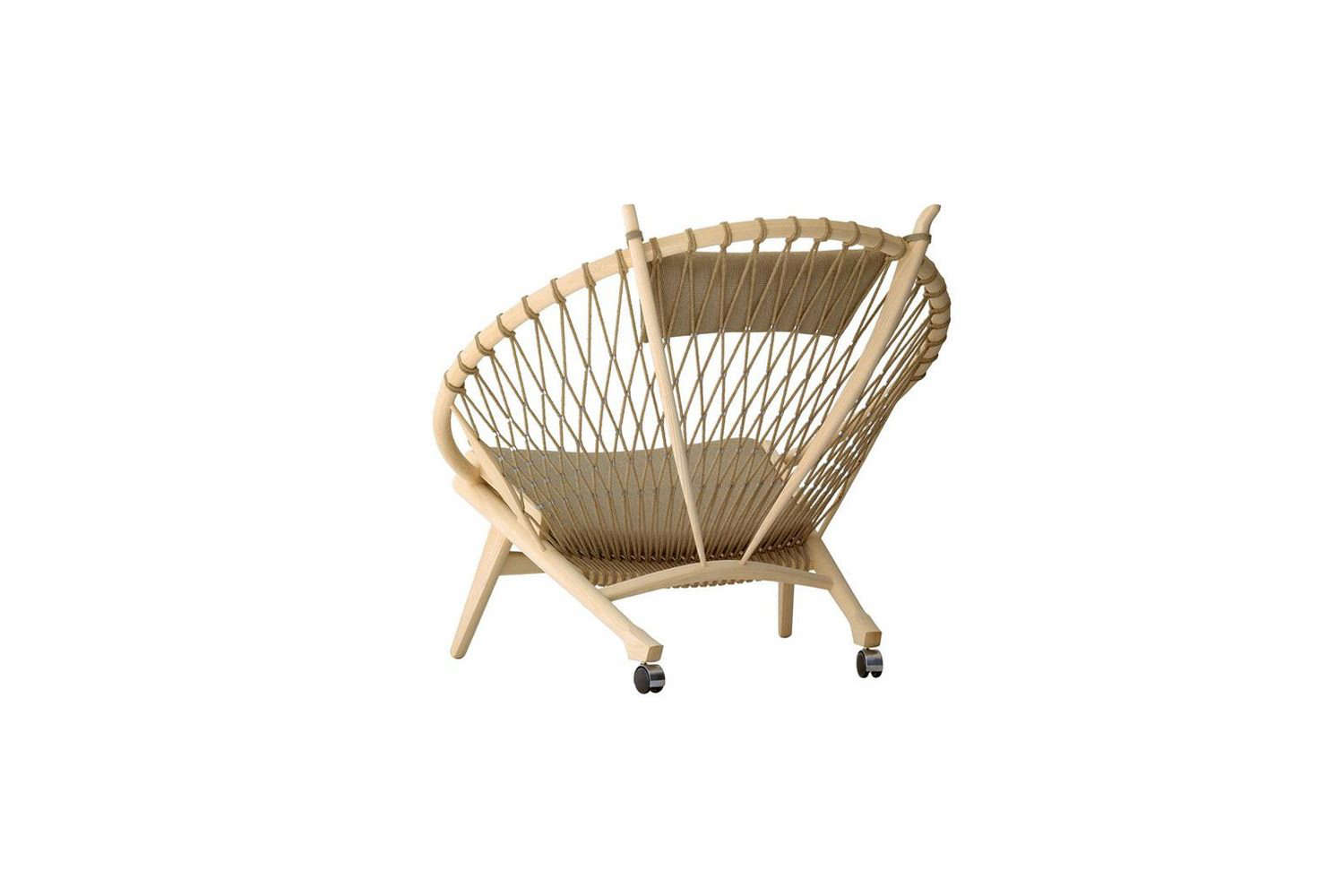
The Wegner PP130 Circle Chair is the kind of furniture piece that makes people stop mid-sentence and say, “Wait, is that a chair or modern art?” The answer, very conveniently, is yes. Designed by legendary Danish furniture designer Hans J. Wegner and produced by PP Møbler, the PP130 Circle Chair is a sculptural lounge chair built around one of the simplest shapes in the world: the circle. Simple, of course, in the same way that a perfect soufflé is simpleeasy to admire, wildly difficult to execute.
Completed in 1986, when Wegner was in the later stage of an already extraordinary career, the Circle Chair proves that great design does not retire quietly. Instead, it rolls into the room on discreet rear wheels, wrapped in flag halyard, supported by a broad wooden frame, and looking more confident than most people at a black-tie party. It is spacious, transparent, technically ambitious, and surprisingly comfortable. It also happens to be one of those rare chairs that looks equally at home in a museum-like interior, a warm Scandinavian living room, or a stylish reading corner where the books are arranged by color because someone has excellent taste and possibly too much free time.
This in-depth guide explores the design history, construction, materials, comfort, styling potential, buying considerations, and real-life experience of living with the Wegner PP130 Circle Chair. Whether you are a collector, interior designer, Danish modern enthusiast, or simply someone who appreciates furniture with a little drama and a lot of craftsmanship, this chair deserves a closer look.
What Is the Wegner PP130 Circle Chair?
The Wegner PP130 Circle Chair is a luxury Danish lounge chair designed by Hans J. Wegner for PP Møbler. It is best known for its large circular wooden frame, woven flag halyard back, upholstered seat cushion, neck cushion, and lightweight visual presence. Although the chair is generous in size, it does not feel bulky. Its open rope structure allows light to pass through, giving it an airy quality that keeps the design from overpowering a room.
The chair’s official model name, PP130, identifies it within PP Møbler’s collection. The nickname “Circle Chair” comes from the bold round form that defines its silhouette. From the front, it looks almost like a perfect wooden ring cradling the sitter. From the side, it reveals the practical intelligence of Wegner’s design: a low lounge profile, supportive angle, and small wheels on the back legs that make the chair easier to move than its sculptural appearance suggests.
Typical dimensions are approximately 44 inches wide, 36.6 inches deep, and 37 inches high, with a seat height of about 16.5 inches. In metric terms, that is roughly 112 cm wide, 94 cm deep, and 97 cm high, with a seat height of 42 cm. Translation: it is not a shy little accent chair. It wants space, and frankly, it has earned it.
The Story Behind the Circle Chair
Hans J. Wegner is often called the “Master of the Chair,” a title that sounds dramatic until you see the body of work behind it. Over his career, Wegner designed hundreds of chairs, many of which became icons of Danish modern design. His work often balanced organic form, functional comfort, and masterful woodworking. The PP130 Circle Chair fits that philosophy perfectly, but it also pushes it into more experimental territory.
The idea of creating a chair based on the pure geometry of a circle reportedly stayed with Wegner for many years. The concept was not merely decorative. Wegner wanted a chair that turned the circle into a practical structure for sitting, reclining, and relaxing. That was the difficult part. A circle is elegant on paper, but furniture has to survive actual humans, including the ones who flop into chairs like they are testing gravity for NASA.
The Circle Chair was completed in 1986, when Wegner was 72. That detail matters because it shows the design as a late-career achievement rather than an early experiment. By then, Wegner had decades of experience with wood, joinery, proportion, ergonomics, and chair construction. The PP130 feels like the work of someone who had already mastered the rules and was now cheerfully bending them into a circle.
PP Møbler, known for its refined Danish craftsmanship, took on the challenge of producing the chair. The result became one of the workshop’s most recognizable pieces. The design demanded advanced woodworking and careful tensioning of the woven back. In other words, this is not a chair that casually happened. It is the product of patience, engineering, and a very calm-looking battle with physics.
Design Anatomy: Why the PP130 Looks So Different
The Circular Wooden Frame
The most striking feature of the Wegner PP130 Circle Chair is its circular wooden frame. The frame is typically made in solid wood options such as oak or ash, with finishes that may include soap-treated wood, clear bio oil, white bio oil, or darker treatments depending on availability and dealer offerings. The circle is not just a visual flourish. It acts as the chair’s defining structure, creating the back, sides, and arm-like surround in one continuous gesture.
Producing that form requires serious craftsmanship. Wood does not naturally volunteer to become a perfect circle. It must be shaped through advanced bending and laminating techniques, where thin pieces are formed and bonded to achieve strength, stability, and curve. The finished frame looks graceful, but the process behind it is highly technical.
The Flag Halyard Webbing
The back of the PP130 Circle Chair is woven with flag halyard, available in natural or black. The material is made with a high-strength core and a protective woven outer layer, creating a surface that is both flexible and supportive. The cord is stretched before being applied to the chair to help maintain rigidity and performance.
This woven web gives the chair its signature transparency. Instead of a solid back, the PP130 uses tension and rhythm. The lines create a graphic pattern that changes depending on the viewing angle. In a bright room, the chair almost draws with shadows. In a darker room, the woven back adds texture without visual clutter.
The Seat and Neck Cushions
The PP130 Circle Chair usually comes with an upholstered seat cushion and a neck cushion, available in fabric or leather depending on the configuration. These cushions soften the chair’s architectural frame and make it a true lounge chair rather than just a beautiful object that says, “Admire me, but please stand.”
The neck cushion is especially important. It supports relaxed sitting and gives the chair a more inviting personality. Without it, the Circle Chair would still be handsome, but with it, the design becomes more human. It is the difference between a sculpture and a place where you can read, think, nap, or pretend to read while scrolling your phone.
Clips, Wheels, and Practical Details
One of the clever details of the PP130 is the use of clips and wheels. The clips that connect the halyard are commonly available in stainless steel, brass, or black finishes. These small accents can shift the mood of the chair. Stainless steel feels crisp and modern. Brass adds warmth and a quiet luxury note. Black creates a more graphic, contemporary appearance.
The rear wheels are another practical surprise. Because the Circle Chair is wide, the wheels make it easier to reposition. This matters in real homes, where chairs are not frozen in place like museum exhibits. Sometimes you need to angle the chair toward a fireplace, a window, a conversation, or away from someone telling a very long story.
Why the Wegner PP130 Circle Chair Still Feels Contemporary
The Circle Chair was completed in the 1980s, but it does not look trapped in that decade. There are no awkward neon memories here. Its continued relevance comes from several design strengths: geometric clarity, honest materials, visible craftsmanship, and functional comfort.
The circular shape feels timeless because it is universal. Circles appear in architecture, art, nature, and symbolism. Wegner used that familiar form in an unexpected way, turning it into a chair that feels both ancient and futuristic. That balance is part of why the PP130 works in so many interiors.
It also fits beautifully with today’s interest in warm minimalism. Many homeowners want interiors that feel clean but not cold, refined but not sterile. The Circle Chair answers that request with natural wood, woven texture, and an open profile. It adds personality without shouting. Well, maybe it speaks in a confident Danish accent, but it does not shout.
The chair also photographs extremely well, which matters in the modern design world. Its round frame creates an instant focal point, and the woven back adds pattern without needing extra decoration. In interiors where every object needs to earn its place, the PP130 earns its square footage through beauty, comfort, and conversation-starting power.
Comfort: Is the Circle Chair Actually Good to Sit In?
Yes, the Wegner PP130 Circle Chair is designed for real comfort, not just visual applause. The wide seat allows the sitter to settle in naturally. The woven back provides flexible support, while the cushions add softness where the body needs it most. The seat height is low enough for lounging but not so low that getting up feels like a dramatic life decision.
The chair is especially well suited for relaxed activities: reading, listening to music, enjoying coffee, having a slow conversation, or sitting in dignified silence after realizing how many emails you ignored. It is not a task chair, dining chair, or office chair. It belongs in the category of lounge seating, where comfort and atmosphere matter equally.
Because of its generous width, the PP130 gives the body room to shift positions. You can sit upright, lean back, angle slightly sideways, or use the cushions for additional support. The chair’s openness also prevents it from feeling like a heavy upholstered recliner. It offers comfort without swallowing the roomor the person sitting in it.
How to Style the Wegner PP130 Circle Chair
In a Scandinavian Living Room
The Circle Chair is a natural fit for Scandinavian interiors. Pair it with pale wood floors, soft neutral textiles, linen curtains, and a low coffee table. Add a wool throw nearby, but do not bury the chair under accessories. The PP130 already has enough personality. It does not need seventeen pillows and a motivational blanket.
In a Modern Minimalist Space
For a minimalist room, choose a version with black halyard or darker clips for stronger contrast. Place the chair against a plain wall or near a large window. Its circular outline becomes almost architectural, like a functional piece of line art. Keep nearby furniture simple so the chair can breathe.
In a Warm Contemporary Interior
If your home mixes modern furniture with warmer textures, the PP130 works beautifully in oak or ash. Pair it with a textured rug, ceramic side table, sculptural floor lamp, and natural upholstery. The chair can bridge clean modern lines and organic comfort.
In a Reading Corner
The Circle Chair makes a memorable reading chair when paired with a small side table and adjustable lamp. Because the back is open, it does not visually block a corner or window. Add a stack of books and you instantly have a reading nook that says, “I am cultured,” even if the top book is mostly there for decorative confidence.
In Hospitality or Gallery-Like Spaces
Design studios, boutique hotels, galleries, and executive lounges can use the PP130 as a statement chair. Its sculptural presence makes it ideal for spaces where first impressions matter. Unlike some statement furniture, however, it is not just there to look interesting. Guests can actually sit in it comfortably, which is always a nice feature in a chair.
Materials and Finish Options
The PP130 Circle Chair is commonly offered in wood types such as oak and ash, with finish options that vary by dealer and production availability. Soap-treated finishes create a pale, soft, natural appearance. Clear oil brings out more warmth and depth in the grain. White oil can preserve a light Scandinavian tone while adding subtle protection. Dark or black finishes make the chair feel more dramatic and contemporary.
The flag halyard is often available in natural or black. Natural halyard creates a lighter, more relaxed expression, while black halyard gives the chair a stronger graphic identity. Upholstery choices may include fabric or leather for the seat and neck cushions. Fabric can make the chair feel softer and more casual. Leather adds polish and may develop a handsome patina over time.
Clips and wheels in stainless steel, brass, or black allow another layer of customization. These details may seem small, but on a chair this visually open, small details are easy to notice. A brass clip against black halyard, for example, creates a different mood than stainless steel against natural cord.
Buying Considerations: What to Know Before You Purchase
The Wegner PP130 Circle Chair is a high-end design piece, and buyers should approach it as both furniture and collectible design. Prices vary depending on region, finish, upholstery, dealer, and whether the chair is new, vintage, or pre-owned. New examples from authorized dealers are often made to order or offered with selectable finish combinations.
Before buying, confirm the following details:
- Authenticity: Purchase through an authorized dealer, reputable gallery, or trusted vintage design source.
- Condition: For vintage pieces, inspect the wood frame, halyard tension, clips, wheels, cushions, and upholstery.
- Dimensions: Measure your room carefully. The PP130 is wide and needs visual breathing space.
- Finish selection: Request material samples when possible, especially for wood finish and upholstery.
- Lead time: Custom configurations may require waiting, because good craftsmanship does not usually arrive with two-day shipping and a guilty-looking delivery driver.
For collectors, documentation matters. Labels, receipts, provenance, and dealer information can support long-term value. For everyday owners, the most important question is simpler: does the chair fit your space, your lifestyle, and your willingness to let one piece of furniture become the most interesting guest in the room?
Care and Maintenance
Because the PP130 Circle Chair combines wood, woven cord, upholstery, and metal details, care should be gentle and consistent. Dust the wooden frame regularly with a soft cloth. For light cleaning, use a cloth wrung out in lukewarm water and dry the surface afterward. Avoid soaking the wood, using harsh chemicals, or scrubbing across the grain.
For soap-treated wood, maintenance may involve a mild soap solution appropriate for the finish. Oiled wood may occasionally need refreshing depending on use and environment. Keep the chair away from extreme humidity, direct heat sources, and prolonged intense sunlight, which can affect wood tone and upholstery over time.
The flag halyard should be treated with care. Avoid pulling, cutting, or placing sharp objects against the woven structure. Cushions should be maintained according to the upholstery type. Fabric may require vacuuming with a soft brush attachment, while leather needs appropriate leather care products. When in doubt, follow the manufacturer or dealer’s specific care instructions for your exact configuration.
Why Designers Love the PP130 Circle Chair
Interior designers often look for pieces that solve more than one problem. The Wegner PP130 Circle Chair does exactly that. It provides seating, creates a focal point, adds texture, introduces craftsmanship, and communicates taste without needing a paragraph of explanation. Though, as this article proves, it can definitely survive a paragraph or twenty.
The chair is also visually flexible. It can soften a hard-edged modern room or add structure to a relaxed interior. It works with stone, wood, plaster, wool, glass, metal, and linen. It can sit near a fireplace, beside a window, in an entry lounge, or at the edge of a conversation area. Because it is open and transparent, it does not behave like a bulky armchair. It occupies space with confidence but not arrogance.
Most importantly, the PP130 has emotional appeal. People remember it. Many chairs are useful, some are attractive, but fewer become part of the identity of a room. The Circle Chair has that ability. It is both seat and signature.
Experiences Related to the Wegner PP130 Circle Chair
Living with or encountering the Wegner PP130 Circle Chair is different from seeing it in a product photo. In images, the chair looks precise and almost graphic. In person, it feels warmer and more tactile. The wooden ring has a physical presence that photographs cannot fully capture. You notice the grain, the gentle curve, the way the halyard lines create depth, and the small mechanical confidence of the clips and wheels. It is one of those designs that rewards slow looking.
The first experience many people have with the PP130 is surprise. It appears large, but not heavy. It looks artistic, but not uncomfortable. It seems delicate because of the open webbing, yet the construction feels assured. That combination can be disarming. You expect a dramatic design object; you discover a chair that invites use. It is a little like meeting someone dressed for a fashion editorial who also makes excellent pancakes.
In a home setting, the Circle Chair tends to become a destination. Guests notice it quickly, and many will ask about it before they sit down. This makes it useful not only as furniture but as a conversation starter. Unlike trend-driven accent chairs, the PP130 has a real story behind it: Wegner’s late-career vision, PP Møbler’s craftsmanship, the challenge of bending wood, the tensioned halyard, and the idea of turning a pure circle into a comfortable lounge chair. That story gives the chair depth beyond appearance.
For daily use, the experience depends on placement. Near a window, the chair becomes a quiet observation point. In a reading corner, it feels generous and slightly ceremonial, as though opening a book deserves better posture and better lighting. In a living room, it works best when it has enough clearance around it. Push it too close to other furniture and the circular form loses some of its magic. Give it room, and the whole chair relaxes visually.
The PP130 also changes with materials. A pale oak frame with natural halyard feels calm, Nordic, and almost coastal. A black frame with black halyard becomes sharper and more architectural. Brass clips add jewelry-like warmth, while stainless steel keeps the expression cooler and more technical. Fabric cushions can make the chair feel approachable and soft; leather cushions introduce a more polished, collectible mood. These choices affect not only how the chair looks, but how people behave around it. A lighter version says, “Come sit.” A darker version says, “Come sit, but maybe admire me first.”
One of the most enjoyable aspects of the Circle Chair is how it balances visual drama with practical intelligence. The rear wheels are not flashy, but they matter. They make repositioning easier and remind you that Wegner was not simply drawing beautiful shapes. He was thinking about use. The chair is broad enough to feel luxurious, but its open construction keeps it from becoming a wooden throne. It is comfortable without being lazy, sculptural without being stiff, and iconic without being boring.
Over time, owners may find that the PP130 becomes less of a purchase and more of a room anchor. Other design decisions begin to orbit around it: the rug, the lamp, the side table, the art on the wall. That is the power of a great chair. It does not just fill space. It organizes it. And in the case of the Wegner PP130 Circle Chair, it does so with a perfect circle, a web of cord, a few cushions, and a level of confidence that most furniture can only dream about.
Conclusion
The Wegner PP130 Circle Chair is one of Hans J. Wegner’s most memorable late-career designs and a standout piece in the PP Møbler collection. Built around the pure geometry of the circle, it combines advanced woodworking, woven flag halyard, refined upholstery, and practical details such as rear wheels and customizable clips. The result is a lounge chair that feels artistic, comfortable, and unmistakably Danish.
Its appeal comes from contrast. The PP130 is large but visually light, technical but warm, iconic but usable. It can elevate a minimalist room, enrich a Scandinavian interior, or become the centerpiece of a refined contemporary space. For collectors and design lovers, it represents more than a beautiful chair. It is a lesson in patience, craftsmanship, and the magic that happens when a simple idea is pursued for long enough to become extraordinary.