“`
Some comics try to save the universe. Others try to explain politics, decode modern dating, or make cats look even more suspicious than they already are. Then there are comics like Samimations: bright, chaotic, silly little bursts of illustrated thought that feel like your brain opened a snack drawer at 2 a.m. and found a joke hiding behind the crackers.
The artist behind Samimations is Samuel, a Philippines-based illustrator who began sharing his colorful webcomics on Instagram around late 2020. What started as a creative cure for boredom turned into a playful comic series full of random ideas, meme-inspired humor, relationship jokes, exaggerated expressions, and everyday absurdity. His work does not ask readers to prepare a notebook, study three timelines, or memorize the genealogy of a dragon king. It simply says: “Here is a funny thought. Please enjoy this tiny emotional vitamin.”
That is why the phrase “random thoughts comics” fits so well. Samuel’s humor often feels spontaneous, like a shower thought that grew legs, bought sunglasses, and walked straight into a punchline. In this new batch of 30 pics, the appeal is not just in the jokes themselves, but in the way the comics turn ordinary mental clutter into something cheerful, shareable, and weirdly comforting.
Meet Samimations: The Comic Series That Turns Brain Noise Into Bright Comedy
Samimations lives in the energetic world of digital comics, where short-form humor, colorful visuals, and social media timing all matter. Samuel’s art style is expressive and approachable: bold characters, punchy reactions, clean setups, and a visual rhythm that makes each comic easy to understand quickly. That matters because online readers are professional scanners now. We skim captions, dodge pop-ups, check notifications, forget why we opened our phones, and somehow end up watching a raccoon steal cat food.
In that environment, a good webcomic needs to land fast. Samimations does exactly that. The comics usually build around a familiar feeling: boredom, confusion, love, annoyance, overthinking, social awkwardness, or the kind of random logic that makes perfect sense until you say it out loud. A simple situation becomes exaggerated just enough to become ridiculous. A normal thought becomes a tiny cartoon event. A meme reference becomes a full visual joke.
Samuel has mentioned drawing inspiration from online animation culture, including famous story-time animators such as JaidenAnimations. That influence makes sense. Like many modern webcomic creators, he blends personal observation with internet humor. The result is not stiff or polished to the point of lifelessness. It feels flexible, casual, and alive, as if each panel is saying, “Relax, we are all a little weird here.”
Why Random Thoughts Make Such Good Comics
Random thoughts are funny because they sneak past the serious security guard in your brain. You are trying to behave like a responsible adult, and suddenly your mind asks, “What if dragons had customer service departments?” That is the magic zone where comics thrive.
Comics are especially good at capturing these tiny mental interruptions because they combine images, timing, words, facial expressions, and silence. A character’s wide eyes can do the work of an entire paragraph. A pause between panels can make a punchline stronger. A tiny background detail can turn a normal joke into something readers notice on the second look and immediately send to a friend with the message, “This is so us.”
In Samimations, the jokes often work because they feel like thoughts many people have but rarely bother to explain. Some may be based on memes. Some may come from relationship moments. Some may simply be ideas Samuel found funny enough to draw. But they all share a common ingredient: relatability with a cartoon sugar rush.
The Art Style: Colorful, Simple, And Built For Fast Laughs
One reason these funny webcomics work so well is their visual clarity. Samimations does not bury the joke under overly complicated detail. The characters are expressive, the colors are cheerful, and the panels guide the eye naturally. That gives each comic a light, snackable quality. You can enjoy one during a coffee break, in a waiting room, or while pretending to read an important email.
Bright colors also help set the emotional tone. Even when a joke is about frustration, awkwardness, or nonsense, the overall mood stays playful. This is important because the purpose of these comics is not to drag readers into a gloomy cave of over-analysis. They are made to cheer people up. They are the online equivalent of a friend sending you a goofy picture at the exact moment your day starts acting like a badly assembled chair.
The simplicity is not a weakness. In comedy comics, simplicity is often the engine. If the reader understands the setup quickly, the punchline has room to hit. If the characters are easy to read emotionally, the joke feels more immediate. Samuel’s style understands this rhythm: setup, expression, twist, laugh, repeat.
What Makes These 30 New Pics Feel So Shareable?
The best social media comics are not just funny; they are easy to pass around. Samimations has that “send this to someone” quality. A comic about a relationship misunderstanding can become a message to your partner. A comic about boredom can become a group chat confession. A comic about an absurd random thought can become proof that your brain is not the only browser with 47 tabs open.
This shareability comes from three main strengths. First, the humor is broad enough to be understood without a long explanation. Second, the visuals are friendly and instantly readable. Third, the topics often connect to everyday emotions. That combination makes the comics feel personal without being too private, silly without being empty, and internet-friendly without feeling like a recycled joke wearing a fake mustache.
1. The Jokes Feel Familiar
Many readers enjoy comics that turn daily life into something slightly exaggerated. Relationships, laziness, internet culture, snacks, animals, fantasy creatures, and random conversations all make good comic fuel because people already understand the emotional setup. Samimations often takes that familiar base and adds a twist that feels unexpected but not confusing.
2. The Characters React Like We Wish We Could
In real life, most people respond to awkward situations with polite nodding. In comics, a character can melt, explode, scream, transform, or stare into the distance like they just discovered the secret tax code of the universe. Samuel uses expressive reactions to make small moments feel big, and that exaggeration is where much of the humor lives.
3. The Comics Are Light Without Being Lazy
There is a difference between simple and careless. Samimations may look effortless, but good short comics require control. The artist has to choose what to show, what to leave out, where to place the punchline, and how much visual information the reader needs. When it works, the comic feels quick and natural. That is usually a sign that more craft went into it than the reader notices.
Why Cheerful Comics Matter More Than People Admit
It is easy to dismiss lighthearted comics as “just entertainment,” but tiny moments of humor can genuinely improve a day. Laughter is not a magic cure for life’s problems, but it can offer a useful break from stress. A quick comic can create a moment of distance between you and whatever is irritating you. Your deadline is still there, your laundry still exists, and your inbox is still making that villainous little number badge, but for a few seconds, your brain gets to breathe.
That is one reason wholesome and funny comics remain popular online. They are small, accessible mood-shifters. You do not need a subscription, a theater ticket, or a three-hour commitment. You just need one panel, one expression, one silly twist. Sometimes that is enough to make the day feel less heavy.
Comics also create connection. When readers tag friends or share posts, the joke becomes a social gesture. It says, “This reminded me of you,” or “I know you need a laugh,” or “Unfortunately, we are both exactly like this cartoon potato.” Humor becomes a low-pressure way to communicate affection, agreement, or shared chaos.
The Internet Loves Relatable Comics For A Reason
Digital comics sit at the perfect intersection of art and social media. They are visual, quick, emotional, and easy to revisit. Platforms like Instagram, YouTube, Webtoon, and other creator spaces have helped independent artists build audiences without waiting for a traditional publisher to open a golden gate and hand them a tiny official cartoonist hat.
For artists like Samuel, this means random ideas can become finished comics and reach readers across countries within minutes. For readers, it means discovering creators whose humor matches their own oddly specific mental frequency. This is one of the best parts of modern comic culture: there is room for polished graphic novels, newspaper-style strips, slice-of-life cartoons, chaotic meme comics, and tiny illustrated thoughts that exist mainly to make people smile.
Samimations fits beautifully into this ecosystem. The series is not trying to be the loudest comic on the internet. It is trying to be bright, funny, and human. In a feed full of arguments, ads, bad news, and people filming soup as if it were a luxury event, that is a valuable thing.
How Samimations Uses Humor Without Making It Complicated
One underrated skill in comedy is knowing when to stop explaining. A joke explained too much becomes a PowerPoint presentation with emotional damage. Samuel’s comics usually avoid that trap. They present a situation, push it into absurdity, and let the image carry the laugh.
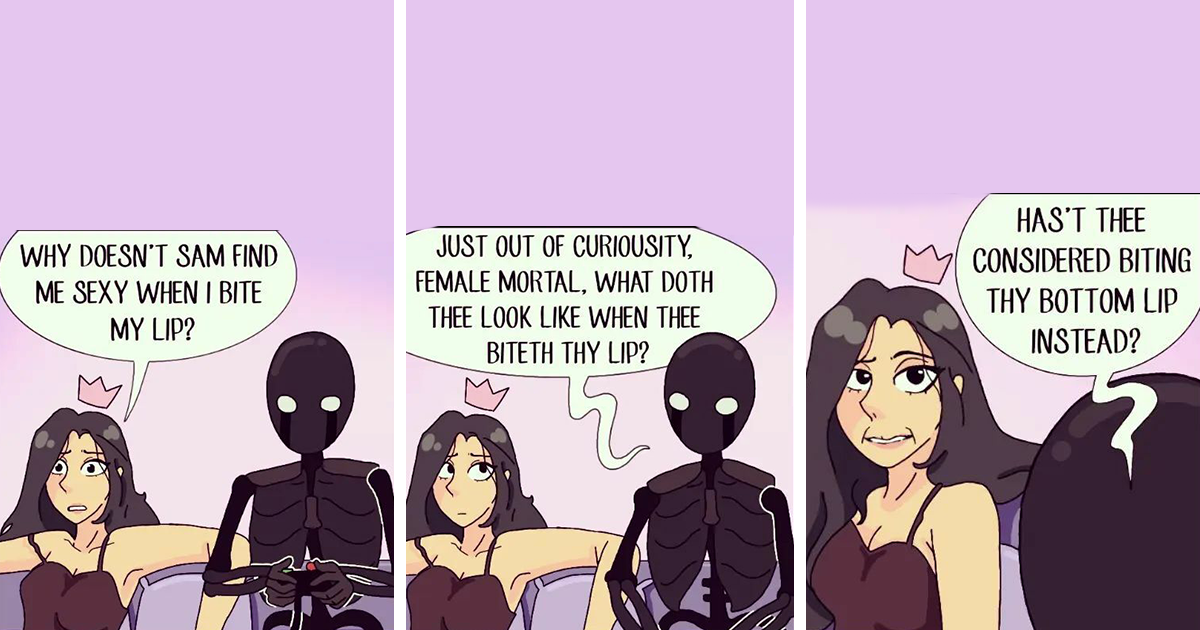
This is especially effective for meme-based humor. Memes often depend on recognition: a familiar phrase, a common situation, a known internet rhythm. But simply copying a meme is not enough. The artist has to transform it. Samimations does that by turning references into character-driven visual moments. The joke becomes more than text on a screen; it becomes a tiny scene with personality.
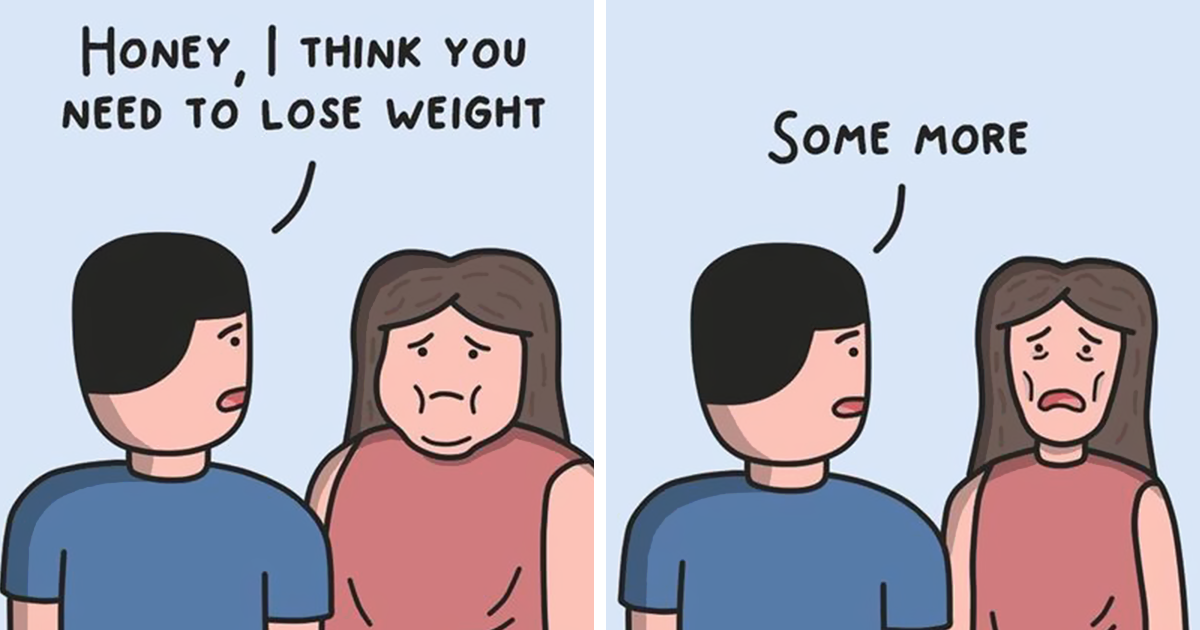
Relationship humor is another recurring strength. When comics draw from couple dynamics, they can easily become repetitive or mean-spirited. Samuel’s approach tends to stay playful. The humor comes from exaggeration, not cruelty. It feels like laughing with someone, not at them. That keeps the tone warm even when the characters are being ridiculous.
What Readers Can Learn From These Comics
Aside from giving readers a laugh, Samimations offers a useful creative lesson: not every good idea has to be grand. Sometimes the best comic starts with a tiny observation. A weird phrase. A silly misunderstanding. A meme you cannot stop thinking about. A moment with someone you love. A boring afternoon that suddenly becomes less boring because you drew something instead of doom-scrolling until your thumb filed a complaint.
For aspiring artists, this is encouraging. You do not need to wait for the “perfect” concept. You can start with what is already floating around your head. Random thoughts are raw material. The trick is to shape them into something readable: a setup, a turn, a reaction, and a final beat that gives the reader a reason to smile.
For readers, the lesson is even simpler: small joys count. A comic does not have to change your life to improve your afternoon. Sometimes a funny drawing is enough. Sometimes a cheerful character with an absurd problem is exactly the emotional reset button you needed.
30 New Pics, One Clear Mission: Make The Day Less Annoying
The charm of this new Samimations collection is that it understands the internet’s greatest need: not more noise, but better little breaks. These 30 new pics are the kind of comics people enjoy between tasks, after school, during lunch, or late at night when the brain has decided sleep is optional and thinking about penguins is mandatory.
They work because they are cheerful without being fake, silly without being empty, and relatable without being painfully obvious. Samuel’s comics remind us that random thoughts are not useless. Sometimes they are jokes waiting for a face. Sometimes they are tiny stories. Sometimes they are the beginning of a comic that makes a stranger somewhere feel a little less alone in their weirdness.
Experience Section: Why Comics Like This Feel Like A Tiny Vacation For The Brain
Reading comics like Samimations can feel like taking a mental mini-vacation without packing a bag, booking a flight, or discovering that airport coffee costs the same as a small appliance. The experience is quick, but it has a real emotional shape. You arrive at the first panel with whatever mood you had before: tired, bored, distracted, mildly annoyed, or convinced that your to-do list has developed independent political power. Then the comic gives you a simple situation. Your brain relaxes because it knows the format. A character appears. Something odd happens. The final panel lands. You laugh, smile, or at least perform that silent nose-exhale that counts as laughter on the internet.
One of the best experiences related to these comics is the feeling of recognition. You see a joke about overthinking, laziness, love, food, games, animals, or random imagination, and you immediately think, “I have had this exact thought, but with worse posture.” That recognition is powerful. It turns a private mental habit into a shared joke. Suddenly, your weird little brain moment is not so weird. Someone else noticed it too. Better yet, someone drew it with funny faces.
Another enjoyable part is sharing the comic with the right person. A good Samimations-style joke can become social currency in the nicest possible way. You send it to a friend who is having a stressful day. You tag someone who always makes the same dramatic reaction. You forward it to your partner because the comic has exposed your relationship dynamic with suspicious accuracy. The comic becomes more than a post; it becomes a tiny message wrapped in humor.
There is also something comforting about the low-pressure nature of short comics. Not every reader has energy for a long article, a serious documentary, or a complex story with 19 characters and a map. A short comic asks very little. It says, “Give me ten seconds.” That small invitation matters. When life feels busy, cheerful micro-entertainment can help people return to the day with a slightly lighter mood.
For creative people, these comics can also be motivating. They show that inspiration does not always arrive wearing a dramatic cape. Sometimes it arrives as boredom. Sometimes it appears as a meme, a conversation, a goofy relationship moment, or a random sentence that refuses to leave your head. Samuel’s work is a reminder that creativity often begins when you take a small thought seriously enough to play with it.
The experience of reading Samimations is ultimately simple: it makes the internet feel friendlier for a moment. In a digital world that can be loud, stressful, and strangely obsessed with turning every opinion into a cage fight, cheerful comics offer a softer corner. They do not demand that you solve everything. They just invite you to laugh at something small. And honestly, some days that is not small at all.
Conclusion: A Bright Little Reminder That Random Can Be Wonderful
This Artist Illustrates Random Thoughts To Cheer You Up With His Comics (30 New Pics) is more than a catchy title. It is a fair description of what Samimations does best. Samuel takes the loose, funny, unpredictable thoughts that bounce around everyday life and turns them into colorful comics that are easy to enjoy and even easier to share.
The appeal comes from a mix of expressive art, meme-savvy timing, relatable situations, and a cheerful tone that never tries too hard to be profound. Yet, in its own playful way, the series does say something meaningful: humor is useful. Small creative ideas matter. A random thought can become a smile. A silly comic can improve a mood. And sometimes the best way to survive a chaotic day is to let a cartoon character be ridiculous on your behalf.
“`