Note: This article is written for web publishing and is based on verified public information from official store pages, local San Francisco reporting, travel guides, and design publications. No source links are embedded in the article body.
A Cabinet of Curiosities on Valencia Street
Some stores sell things. Paxton Gate in San Francisco sells the very specific feeling of walking into a natural history museum after it has had too much espresso, rearranged itself into a boutique, and decided that your living room might need a framed beetle, a crystal, a carnivorous plant, and a conversation-starting skull. Located at 824 Valencia Street in the Mission District, Paxton Gate is one of San Francisco’s most memorable independent shops: part garden store, part oddities emporium, part design destination, and part “please do not let me leave with a taxidermy mouse dressed like a tiny Victorian gentleman.”
The title “Shopper’s Diary: Paxton Gate in San Francisco” fits because this is not the kind of place you simply visit with a list. You wander. You inspect. You raise one eyebrow. You pick up a book, stare at a fossil, admire a plant, and suddenly become the type of person who says, “Actually, a mineral specimen would look great next to the coffee table.” Paxton Gate rewards curiosity. It is not a mall store pretending to have personality; it is personality with a cash register.
For anyone searching for unique shopping in San Francisco, unusual home decor, natural science gifts, taxidermy, terrariums, fossils, crystals, or Mission District boutiques, Paxton Gate sits near the top of the city’s “only in San Francisco” retail experiences. It is strange, stylish, educational, and just polished enough to make oddity shopping feel like interior design rather than evidence that you have been left unsupervised.
The Story Behind Paxton Gate
Paxton Gate began in 1992 as a small, eccentric gardening store founded by landscape designers with a fascination for the natural world. Its first incarnation was tiny compared with the store people know today, but the concept already had unusual DNA: gardening merchandise, natural curiosities, and a taste for the bizarre side of botany and biology. Over time, rare insects, taxidermy, fossils, bones, minerals, and artful home objects crept into the mix. In other words, the plants invited the beetles, the beetles invited the bones, and nobody asked them to leave.
The shop eventually moved to Valencia Street in the Mission District, where a larger space allowed the brand to grow into a fuller retail universe. Today, Paxton Gate is closely associated with founder and owner Sean Quigley, who helped shape its identity as a store inspired by gardens, natural sciences, old-world collecting, and San Francisco’s proudly eccentric spirit.
That history matters because Paxton Gate does not feel like a trend-chasing “weird store.” It feels like a long-running local institution with a clear point of view. It has outlasted design fads, retail cycles, and the endless modern temptation to make every shop look like a white box with one beige candle in the center. Paxton Gate is maximalist, tactile, and deeply specific. It knows what it is.
What You’ll Find Inside
Natural History Objects
The heart of Paxton Gate is its collection of natural-history-inspired objects. Expect framed insects, butterflies, beetles, bones, skulls, fossils, minerals, shells, preserved specimens, and other curiosities that would make a Victorian collector nod approvingly from behind a suspiciously dramatic mustache. These items range from small affordable discoveries to more serious collector pieces.
The appeal is not only shock value. Many objects are beautiful in a precise, scientific way: the symmetry of a butterfly wing, the architecture of a skull, the mineral glow of a crystal, the sculptural curve of a shell. Paxton Gate turns the natural world into decor without making it feel like a theme-party prop closet.
Plants, Terrariums, and Garden Goods
Because Paxton Gate started as a gardening store, plants remain part of its identity. The shop has long been associated with succulents, unusual plants, garden tools, containers, and terrarium culture. This side of the store softens the bones-and-bugs drama with living green texture. One moment you are contemplating a fossil; the next you are considering whether your apartment is emotionally ready for a carnivorous plant.
Terrariums are especially aligned with the Paxton Gate mood. They are miniature worlds: glass, soil, moss, stones, humidity, and quiet weirdness. A well-made terrarium has the same energy as the store itselfa tiny ecosystem where design and natural science shake hands.
Home Decor, Books, Jewelry, and Gifts
Paxton Gate is not only for collectors. It is also a strong stop for unusual gifts in San Francisco. The store offers home decor, candles, art prints, cards, books, jewelry, personal goods, and other design-minded objects. This makes it useful for shoppers who want something memorable but not necessarily a mounted specimen. A crystal, botanical print, oddball book, or small decorative object can carry the Paxton Gate spirit without requiring your roommate to approve a skull shelf.
The book selection is part of the charm. In a shop like this, books do not feel like filler inventory; they feel like field guides to the store’s imagination. Natural history, design, botany, science, folklore, and visual culture all fit the mood. It is the kind of place where a coffee-table book can become a souvenir and a souvenir can become a personality trait.
Why Paxton Gate Feels So San Francisco
San Francisco has always made room for the unusual: artists, builders, naturalists, collectors, inventors, punks, poets, gardeners, and people who can explain the difference between “eccentric” and “unhinged” with academic seriousness. Paxton Gate taps into that older San Francisco energy. It is refined but not sterile, strange but not sloppy, educational but never boring.
Its location on Valencia Street adds another layer. The Mission District is one of San Francisco’s most vibrant neighborhoods, known for murals, food, cafes, bars, independent shops, and cultural history. Valencia Street in particular has become a shopping and strolling corridor, lined with boutiques, vintage stores, restaurants, bookstores, and design-forward stops. Paxton Gate fits that street perfectly because it is stylish without being generic. It does not whisper “luxury lifestyle.” It says, “Come inside; the beetles are framed beautifully.”
This is also why the shop works for both tourists and locals. Visitors get a memorable San Francisco experience that is more interesting than a souvenir hoodie. Locals get a place that still feels connected to the city’s oddball roots. In a retail world increasingly dominated by sameness, Paxton Gate remains gloriously specific.
Shopping Strategy: How to Visit Paxton Gate
Go Slowly
The best way to shop Paxton Gate is to slow down. This is not a grab-and-go store. It is a browse-and-point store. Look up, look down, scan shelves, open your peripheral vision, and give yourself permission to be surprised. The best finds are often not the first things you notice.
Set a Gift Budget Before You Fall in Love
Because the inventory ranges from small gifts to serious collector pieces, it helps to decide what kind of shopping trip you are on. Are you buying a birthday gift, decorating a shelf, hunting for a plant, or simply collecting inspiration? If you do not set a budget, the store may gently persuade you that your home has always needed a dramatic specimen under glass.
Ask Questions
Paxton Gate is the kind of shop where questions make the experience better. Ask about plant care, sourcing, materials, specimen background, or how to display a delicate object. A small conversation can turn a curious item into a meaningful purchase. This is one of the advantages of independent retail: the staff can often provide context that a product page cannot.
Think Like a Designer
If you are shopping for home decor, think in terms of contrast. A framed insect can look striking in a minimalist room. A mineral specimen can bring texture to a bookshelf. A botanical object can soften modern furniture. Paxton Gate pieces work best when they are given space to be noticed. You do not need to turn your apartment into a gothic greenhouse. One strong object can do the job.
Ethical Sourcing and Why It Matters
Any shop selling taxidermy, bones, or natural specimens should invite responsible questions. Paxton Gate addresses this directly through its ethical sourcing philosophy, explaining that many of its taxidermy items are vintage, antique, recycled, or sourced through estates and private collections. The store also describes some items as byproducts of legal, sustainable, or practical circumstances rather than newly hunted decorative trophies.
For shoppers, this matters. The difference between curiosity and carelessness is context. Buying natural-history objects should involve attention to legality, conservation, sourcing, and respect for the natural world. Paxton Gate’s public sourcing information gives customers a framework for asking better questions and making more informed choices.
If you are unsure about an item, ask. A responsible shopper is not a buzzkill; a responsible shopper is someone who wants the story behind the object. In a store built around curiosity, that is exactly the right attitude.
Workshops and Hands-On Curiosity
Paxton Gate is not only a retail store. It has also hosted workshops and classes tied to its natural science identity, including insect spreading, insect pinning, terrarium-related experiences, and private classes. This educational angle makes the store more than a place to buy objects; it becomes a place to learn techniques, understand specimens, and participate in the craft behind the display.
That is important because modern shoppers increasingly want experiences, not just things. Anyone can order a decorative object online. Fewer people can spend an afternoon learning how a natural specimen is prepared, how a terrarium functions, or why a certain plant behaves like a tiny green diva. Workshops give Paxton Gate a community dimension and make its “curiously mind-expanding” personality feel literal.
What Makes Paxton Gate Different From a Museum Gift Shop?
At first glance, Paxton Gate might sound like a museum gift shop that escaped its institution and opened a boutique. But the difference is mood. Museum shops often feel like the final room after an exhibit. Paxton Gate feels like the exhibit itself. The browsing experience is immersive, layered, and unpredictable.
It is also more personal. You are not buying a standardized souvenir from a famous museum collection. You are choosing an object because it catches your eye, suits your space, or says something about your taste. A fossil, plant, book, or framed insect from Paxton Gate carries the memory of the visit: Valencia Street outside, shelves of oddities inside, and the strange satisfaction of finding beauty where you did not expect it.
Nearby Mission District Pairings
A visit to Paxton Gate pairs well with a broader Mission District afternoon. Before or after shopping, explore Valencia Street’s cafes, bookstores, boutiques, and restaurants. Walk toward the neighborhood’s murals, including well-known Mission mural corridors and colorful public art spaces. Add a pastry, a burrito, a coffee, or a park stop, and suddenly the shopping trip becomes a full San Francisco itinerary.
For design lovers, Paxton Gate also works as a visual warm-up. After browsing its mix of biology, botany, antiques, and decor, you may find yourself noticing the neighborhood differently: painted walls, old signs, plant-filled windows, vintage storefronts, and the layered textures that make the Mission feel alive. The shop trains your eye, then Valencia Street gives that eye plenty to do.
Who Should Visit Paxton Gate?
Paxton Gate is ideal for design travelers, plant lovers, science fans, collectors, artists, gift hunters, and anyone who likes stores with actual character. It is also a great stop for people who think they dislike shopping. Why? Because it does not feel like shopping in the standard sense. It feels like exploring.
It may not be for shoppers who want predictable, mass-market decor. If your dream store is a perfectly symmetrical aisle of beige throw pillows, Paxton Gate may gently alarm you. But if you enjoy objects with stories, textures, and a little mystery, the shop is a standout.
Best Things to Buy at Paxton Gate
For Small Gifts
Look for cards, small crystals, books, candles, botanical objects, tiny specimens, or clever curiosities. These are good options when you want something memorable but easy to carry.
For Home Decor
Consider framed insects, sculptural minerals, unusual vessels, art prints, or carefully chosen natural objects. The key is to choose one piece that adds contrast and focus to a room.
For Plant Lovers
Explore plants, terrarium supplies, planters, and garden-inspired accessories. Even a small plant purchase can feel special here because it sits within a larger world of natural wonder.
For Collectors
Fossils, skulls, bones, and taxidermy pieces are the obvious draw. Shop with care, ask about provenance, and think about long-term display before buying anything delicate or large.
Extra Shopper’s Diary: A 500-Word Experience Walkthrough
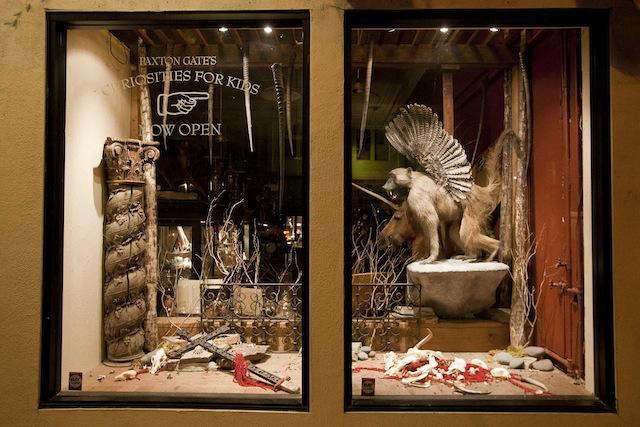
Imagine starting your Paxton Gate visit on a clear San Francisco afternoon, the kind where the Mission feels sunlit, busy, and slightly theatrical. Valencia Street has that wonderful city rhythm: bikes sliding past, friends debating where to eat, someone carrying an iced coffee like it contains medicine, and shop windows competing for your attention. Then Paxton Gate appears, and the mood shifts. The storefront does not scream. It beckons. It suggests that inside, something with wings may be framed, something with leaves may be plotting, and something with antlers may be watching.
The first few minutes inside are pure adjustment. Your eyes need time. This is not because the store is chaotic, but because it is dense with detail. A normal boutique gives you a rack, a shelf, a candle, and a mirror. Paxton Gate gives you layers: glass cases, plants, bones, books, minerals, mounted insects, decorative objects, and little arrangements that feel like still lifes from a naturalist’s dream journal. You may enter intending to “just look,” a phrase that has bankrupted stronger people emotionally if not financially.
One of the best experiences is watching different shoppers react. A design lover studies display ideas. A plant person gravitates toward greenery. A tourist quietly photographs the mood. A childlike adult points at something and says, “Wait, is that real?” Someone else finds the perfect card and looks relieved, as if the birthday-gift gods have finally answered. The store gives everyone a different doorway into curiosity.
The funniest part is how quickly your taste expands. Outside, you might not think of yourself as a person who needs a beetle under glass. Inside, you begin making arguments. “It has nice symmetry.” “The colors are subtle.” “It would look sophisticated near the books.” This is Paxton Gate’s special talent: it turns the unusual into the plausible. Not ordinary, exactly, but plausible enough that you start mentally rearranging your shelves.
Take your time in the book and decor areas, because they help translate the store’s stranger side into everyday living. You may not buy a skull, but you might leave with a botanical book, a candle, a small crystal, or a plant. That is part of the fun. Paxton Gate does not demand that every visitor become a collector of oddities. It simply offers a spectrum of curiosity, from gentle to gloriously dramatic.
When you leave, Valencia Street feels a little different. The murals look brighter. Window displays seem more intentional. Even a sidewalk weed appears to have botanical importance. That is the mark of a great shop: it changes your attention. Paxton Gate is not just a place to buy something in San Francisco. It is a place to practice noticing, and maybe to bring home one small object that proves you did.
Conclusion: Why Paxton Gate Still Belongs on Your San Francisco List
Paxton Gate remains one of San Francisco’s most distinctive shopping experiences because it combines retail, design, science, nature, and local eccentricity in a way that feels authentic. It is not weird for the sake of being weird. It is curious, crafted, and rooted in decades of evolution from a small gardening shop into a Mission District landmark.
For shoppers, the store offers more than products. It offers atmosphere, discovery, and a rare chance to browse objects that feel connected to the natural world and the imagination. Whether you leave with a plant, a book, a crystal, a framed insect, or nothing but a very good story, Paxton Gate delivers what many modern stores lack: surprise.
If your San Francisco itinerary includes the Mission District, make time for 824 Valencia Street. Go slowly, ask questions, and keep an open mind. The perfect souvenir may not be the thing you expected. It may be stranger, smarter, and much more fun.