Note: This publish-ready article is written in original American English and synthesizes real indoor plant care guidance from reputable horticultural, extension, botanical, and pet-safety resources.
If you have ever looked at an asparagus fern and thought, “Wow, what a soft, fluffy little forest cloud,” you are not alone. This plant has a way of looking delicate, elegant, and slightly dramatic, like it belongs in a Victorian sunroom or beside a very serious cup of tea. But here is the funny twist: the asparagus fern is tougher than it looks. Give it the right light, steady moisture, and a little grooming, and it can reward you with airy, feathery greenery that makes a room feel fresher almost instantly.
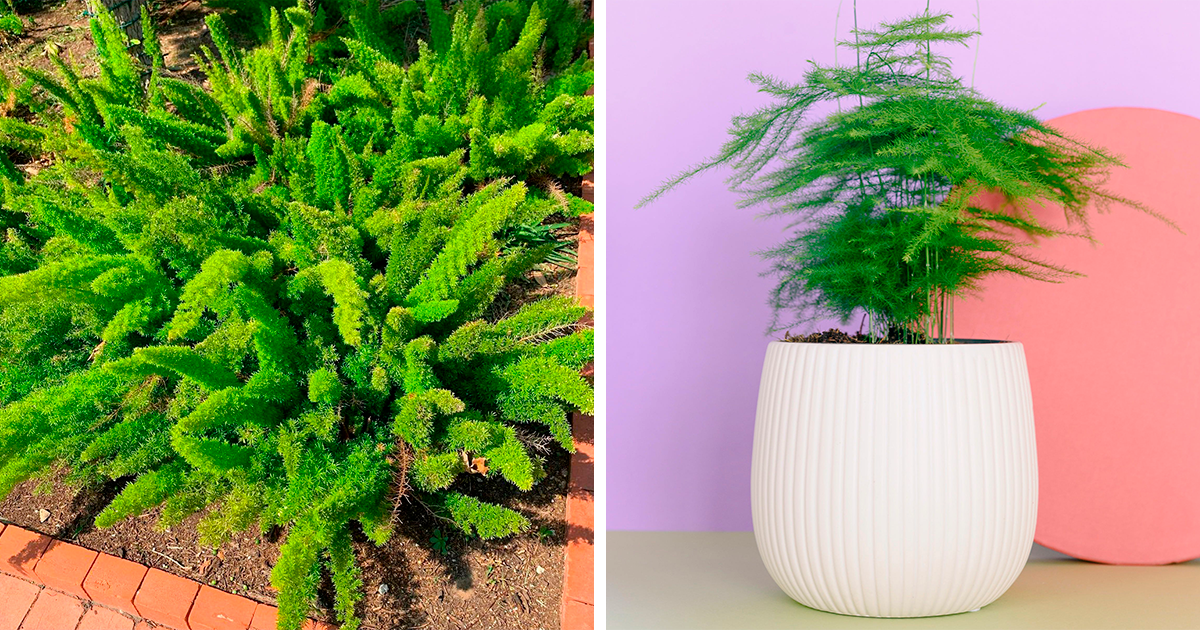
Despite its name, the asparagus fern is not a true fern. It belongs to the asparagus family, which makes it a botanical cousin of the vegetable on your dinner plate. No, you should not sauté your houseplant with garlic. Indoor asparagus ferns are grown for their graceful stems, fine needle-like foliage, and cascading texture. Popular types include Asparagus densiflorus ‘Sprengeri,’ foxtail fern, and the lacy Asparagus setaceus, often called plumosa fern.
This guide covers everything you need to know about asparagus fern care indoors, including light, watering, soil, humidity, pruning, repotting, pests, yellow leaves, and pet safety. Think of it as a friendly plant-care manual with fewer lectures and more practical advice.
What Is an Asparagus Fern?
An asparagus fern is a tropical-looking ornamental plant known for its soft, arching growth and bright green texture. The “leaves” are actually tiny flattened or needle-like structures called cladodes. The true leaves are small scales, which is one reason the plant can confuse new growers. It looks like a fern, behaves like a houseplant, and secretly belongs to the asparagus family. Plants, apparently, enjoy identity plot twists.
Indoors, asparagus ferns are valued for their airy form. They look beautiful in hanging baskets, tall planters, shelves, plant stands, and mixed container displays. Their stems may arch, trail, or grow upright depending on the variety. Foxtail ferns create dense, bottlebrush-like plumes, while plumosa ferns have a finer, lace-like appearance.
In warm climates, asparagus ferns can grow outdoors, but in some regions they may spread aggressively. For indoor growers, containers are the safest and easiest way to enjoy the plant without accidentally turning the backyard into an asparagus fern fan club meeting.
Best Light for Asparagus Fern Indoors
Light is one of the biggest keys to growing a healthy asparagus fern. The plant does best in bright, indirect light. A spot near an east-facing window is often ideal because it gets gentle morning sun without the harsh afternoon rays that can scorch delicate foliage.
A north-facing window can also work if the room is bright. Near a south- or west-facing window, place the plant a few feet back or filter the light with a sheer curtain. Direct hot sun may cause yellowing, browning, or crispy tips. Low light, on the other hand, can lead to thin growth, pale color, and shedding. In short, the asparagus fern wants brightness without being roasted like a marshmallow.
Signs Your Plant Needs More Light
If your asparagus fern becomes leggy, pale, or sparse, it may not be receiving enough light. The stems may stretch toward the window, and the plant may drop some of its fine foliage. Move it gradually to a brighter location. Sudden changes can stress the plant, so do not move it from a dim corner straight into blazing sun and expect it to clap politely.
How to Water an Asparagus Fern
Watering asparagus fern is about balance. The plant likes consistent moisture during the active growing season, but it does not want soggy soil. A good rule is to water when the top inch of potting mix feels slightly dry. Then water thoroughly until excess drains from the bottom of the pot.
Never let the pot sit in standing water. Wet roots can lead to root rot, especially if the potting mix is heavy or the container lacks drainage holes. On the other hand, letting the plant dry out completely for too long can cause yellowing and needle drop. The plant’s tuberous roots store some water, so it can handle brief neglect better than many fussy houseplants, but consistent care produces the lushest growth.
Watering in Winter
During winter, asparagus fern growth slows. Reduce watering and let the soil dry a little more between drinks. Do not fertilize during this rest period unless the plant is actively growing under strong light. Winter overwatering is one of the easiest ways to upset this plant, especially in cooler rooms.
Soil and Potting Mix: Drainage Is the Magic Word
Asparagus fern grows best in a loose, well-draining potting mix with organic matter. A high-quality indoor potting mix amended with perlite, orchid bark, or coarse material works well. The goal is soil that holds some moisture but still allows air to reach the roots.
A dense, compact mix can stay wet for too long. That is bad news for the root system. If your plant’s soil looks like a swampy brownie, it is time for a better mix. Choose a container with drainage holes, and avoid decorative pots that trap extra water unless you remove the nursery pot before watering and let it drain fully.
Temperature and Humidity Needs
Asparagus ferns appreciate average indoor temperatures, generally around 65°F to 75°F. They dislike cold drafts, sudden temperature changes, and dry blasts from heating vents. Keep the plant away from exterior doors, air-conditioning vents, radiators, and fireplaces.
Humidity helps keep the foliage fresh, especially in dry homes. A bathroom with good natural light can be a great location. You can also group plants together, use a small humidifier, or place the pot on a pebble tray with water below the pot base. Misting may offer a short-term boost, but it is not a complete humidity solution. Think of misting as a quick snack, not a full dinner.
Fertilizing Asparagus Fern
Feed asparagus fern during spring and summer when the plant is actively growing. A balanced liquid houseplant fertilizer diluted to half strength once a month is usually enough. If the plant is growing vigorously in bright light, it may appreciate slightly more frequent feeding, but do not overdo it.
Too much fertilizer can cause yellowing, weak growth, or salt buildup in the soil. If you notice white crust on the soil surface or pot rim, flush the pot with water and let it drain well. Stop fertilizing in winter unless your plant continues producing strong new growth.
Pruning: How to Keep It Full and Tidy
Asparagus fern can grow quickly, and a little pruning keeps it attractive. Remove yellow, brown, dry, or bare stems at the base of the plant. Avoid cutting a stem halfway and expecting it to branch beautifully from that point. Trimming at the base encourages cleaner regrowth and a better shape.
Wear gloves when pruning. Some asparagus fern varieties have small spines that are easy to underestimate. They may look like soft green feathers, but they can scratch your hands with the confidence of a tiny plant porcupine.
How Often Should You Prune?
Prune whenever you see damaged stems or when the plant becomes too wild for its space. Light maintenance every few weeks is usually easier than waiting until the plant looks like it is trying to take over the bookshelf.
Repotting and Dividing an Asparagus Fern
Asparagus ferns have tuberous roots that can fill a pot surprisingly fast. If roots are circling the container, water runs straight through, or the pot looks distorted, your plant may be root-bound. Repot in spring or early summer when the plant is ready for active growth.
Choose a pot one size larger than the current container. Use fresh, well-draining mix and water thoroughly after repotting. If the plant is very crowded, division is a practical option. Carefully remove the plant, separate the root ball into sections, and make sure each division has healthy roots and stems. Replant each section in its own pot.
Dividing can feel a little dramatic the first time, like plant surgery with potting soil, but asparagus ferns usually recover well when handled carefully.
Common Asparagus Fern Problems
Yellow Leaves
Yellowing can happen for several reasons: too much water, too little water, low light, harsh sun, overfertilizing, or pests. Start by checking the soil. If it is soggy, improve drainage and reduce watering. If it is bone dry, water more consistently. Then evaluate light. Bright indirect light is the sweet spot.
Brown Tips or Crispy Stems
Brown, crispy growth often points to dry soil, low humidity, sun scorch, or heat stress. Trim away dead stems and adjust the plant’s environment. If your home is very dry, a humidifier can make a noticeable difference.
Needle Drop
Asparagus fern shedding is common when the plant is stressed. Inconsistent watering is a frequent cause. The tiny dried pieces can scatter everywhere, which is charming only if your decorating style is “forest confetti.” Keep moisture more even, avoid drafts, and give the plant bright filtered light.
Pests to Watch For
Asparagus ferns may attract common houseplant pests such as spider mites, mealybugs, aphids, scale, and whiteflies. Because the foliage is fine and dense, pests can hide easily. Inspect stems regularly, especially where leaves and branches meet.
Spider mites may cause stippled, faded foliage and fine webbing. Mealybugs look like small white cottony spots. Scale can appear as brown bumps along stems. Treat early by isolating the plant, rinsing it gently, and using insecticidal soap or another houseplant-safe pest control method according to label instructions.
Is Asparagus Fern Toxic to Pets?
Yes. Asparagus fern is considered toxic to cats and dogs. Repeated skin exposure may irritate some pets, and eating the berries can cause stomach upset. If you share your home with curious pets, place the plant out of reach or choose a pet-safe alternative. Hanging baskets can help, unless your cat believes gravity is merely a suggestion.
If a pet chews the plant or eats berries, contact a veterinarian for guidance. Also remove berries if they appear indoors, especially in homes with pets or small children.
Best Places to Display an Asparagus Fern
Asparagus fern looks excellent in places where its texture can shine. Try it on a plant stand beside a bright window, in a hanging basket where stems can trail, or on a shelf where the foliage can soften hard lines. It pairs beautifully with broad-leaf plants such as pothos, philodendron, rubber plant, or peace lily because the contrast makes each plant look more intentional.
In small spaces, a single asparagus fern can add movement without feeling bulky. In larger rooms, use it as part of a layered indoor garden. Just give it breathing room. Crowding it into a dark corner behind furniture is a fast way to turn elegance into sadness.
Seasonal Care Calendar
Spring
Spring is the best time for repotting, division, pruning, and restarting fertilizer. Watch for fresh growth and adjust watering as the plant becomes more active.
Summer
Water more often during warm weather, especially if the plant is in bright light. Keep it away from harsh afternoon sun. If you move it outdoors for the season, place it in shade or filtered light and bring it indoors before temperatures drop.
Fall
Slow down fertilizing and monitor temperature changes. If the plant spent summer outside, inspect it carefully for pests before bringing it indoors.
Winter
Reduce watering, stop feeding, and protect the plant from cold drafts and dry heating vents. Add humidity if the air becomes very dry.
Quick Indoor Asparagus Fern Care Checklist
- Place in bright, indirect light.
- Water when the top inch of soil begins to dry.
- Use a loose, well-draining potting mix.
- Keep away from cold drafts and hot vents.
- Increase humidity in dry rooms.
- Fertilize monthly in spring and summer at half strength.
- Prune dead or yellow stems at the base.
- Repot or divide when root-bound.
- Keep away from pets that chew plants.
Conclusion: A Little Attention Goes a Long Way
Caring for asparagus fern is not complicated, but it does require consistency. The plant wants bright indirect light, steady moisture, good drainage, moderate humidity, and occasional grooming. When those basics are handled, it can become one of the most rewarding indoor plants in your collection.
The secret is to pay attention before the plant becomes dramatic. Yellow leaves, crispy stems, and shedding are not random acts of plant rebellion. They are signals. Adjust the light, check the soil, improve humidity, trim tired growth, and your asparagus fern will usually bounce back with fresh green energy.
For anyone who wants an indoor plant that looks elegant but does not demand celebrity-level treatment, asparagus fern is a smart choice. It brings texture, softness, and a lively natural look to the home. Just remember: it is not really a fern, it is not pet-friendly, and it does not enjoy sitting in a puddle. Honestly, same.
Personal Experience: What Growing an Asparagus Fern Teaches You
Growing an asparagus fern indoors teaches patience in a very practical way. It is not the kind of plant that screams for help immediately. Instead, it gives small hints. One week, you may notice a few yellow stems. The next week, tiny needles start collecting under the pot like green dust. At first, you might blame the plant. Then you check the soil and realize you forgot to water it for longer than you thought. The asparagus fern is not being difficult; it is keeping receipts.
One of the most useful lessons is that watering by schedule is not always reliable. A plant near a bright window may dry faster than one across the room. A small pot dries faster than a large one. A plant in a warm apartment in winter may need different care than the same plant in spring. The best habit is to touch the soil. If the top inch feels dry, water. If it still feels damp, wait. This simple check prevents many problems.
Another experience many growers share is discovering that asparagus fern loves consistency more than perfection. You do not need a greenhouse, rare fertilizer, or a plant-care spreadsheet with color-coded tabs. You need a good spot with bright indirect light, a pot that drains, and a willingness to check in regularly. When the plant is happy, new growth appears fresh, upright, and vibrant. That new growth is extremely satisfying because it feels like the plant is saying, “Fine, you may continue being my caretaker.”
Repotting can also be a surprise. The first time you remove an asparagus fern from its pot, the root system may look thick, crowded, and almost muscular. Those tuberous roots explain why the plant can tolerate brief dry spells, but they also show why repotting matters. When the roots have nowhere to go, watering becomes harder, growth slows, and the plant may decline. Dividing a crowded plant can feel intimidating, but it is often the beginning of healthier growth.
Pruning is another confidence builder. Many beginners hesitate to cut plants, worrying they will ruin them. With asparagus fern, removing dead or yellow stems at the base usually improves the entire look. The plant becomes cleaner, airier, and less messy. It is a reminder that plant care is not just about adding water and fertilizer; sometimes good care means removing what no longer helps.
The biggest real-life tip is to choose the location carefully from the start. A bright bathroom, kitchen window, or filtered living room corner can be excellent. A dark hallway usually is not. Once the right spot is found, asparagus fern can become wonderfully dependable. It may shed a little, poke your fingers during pruning, and act offended if ignored, but it also brings beautiful texture that few houseplants can match.
In the end, asparagus fern care feels like a friendly partnership. You provide light, water, drainage, and attention. The plant provides fresh green movement, soft texture, and the quiet satisfaction of keeping something alive and thriving indoors. Not a bad deal for a plant that looks like it belongs in a tiny enchanted forest.