Some celebrity dolls look like the manufacturer met the star once, from across a parking lot, during a rainstorm. The idea is there, sure. A famous dress. A recognizable hairstyle. Maybe a heroic jawline that has been slightly overcooked. But the face? The face often lands somewhere between “tribute” and “distant cousin who also owns sunglasses.”
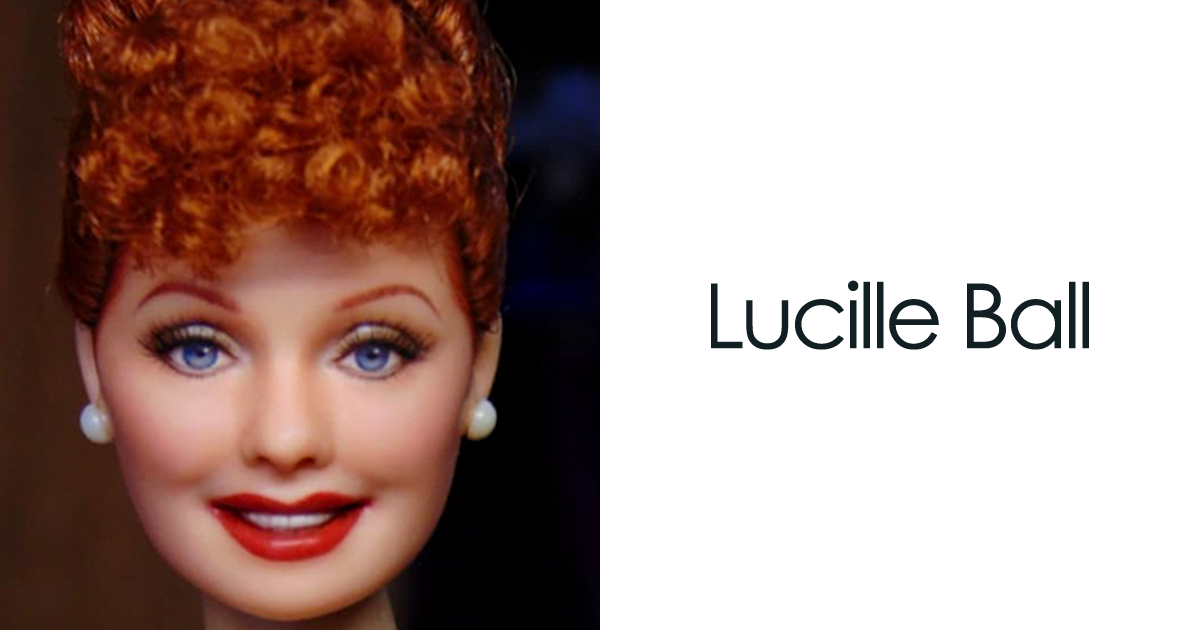
That is exactly why the work of Mexican doll artist Gil Plazola feels so striking. His celebrity doll repaints take ordinary factory-made dolls and transform them into lifelike miniature portraits of actors, singers, and movie characters. The project popularly known as “These 60 Celebrity Dolls Were Repainted By A Mexican Artist To Look Real” became a perfect example of how repainting can turn a mass-produced toy into a one-of-a-kind collectible with personality, expression, and that mysterious spark we call presence.
Plazola’s repainted celebrity dolls are not simply “prettier” versions of their originals. They are visual corrections, tiny character studies, and pop-culture love letters painted on vinyl faces. With shading, highlighting, hair restyling, costume details, and a very patient hand, he gives famous figures the kind of realism that makes viewers lean closer and say, “Wait, that’s a doll?”
What Makes These Celebrity Doll Repaints So Fascinating?
The appeal begins with surprise. Most people know dolls as toys, display pieces, or nostalgic collectibles. But a repaint artist treats the doll face as a three-dimensional canvas. Instead of accepting the original factory paint, the artist reimagines the entire expression: the eyelids, brows, cheekbones, lips, shadows, and even the mood behind the eyes.
In Gil Plazola’s case, the result is often dramatic. A standard doll can become Maleficent with sharp cheekbones and theatrical intensity. Audrey Hepburn can appear with her graceful brows, soft gaze, and unmistakable Old Hollywood elegance. Clark Gable can suddenly look less like “generic handsome man doll” and more like a miniature leading man who might ask for a cigar and a close-up.
This is why realistic celebrity dolls have such a strong pull online. They combine several things people already love: cinema, music, fashion, miniature art, and the oddly satisfying joy of a before-and-after transformation. It is makeover content, but instead of a bathroom mirror reveal, the star is a twelve-inch figure with newly painted irises.
Who Was Gil Plazola?
Gil Plazola was a Mexican doll artist known for repainting and restyling dolls into recognizable celebrities and fictional characters. His work gained attention because it showed how far a doll could be pushed beyond its factory design. He used prefabricated dolls as his starting point, then transformed them through careful repainting, contouring, hair work, and clothing details.
One charming part of Plazola’s story is that his interest in dolls began early. He spoke about liking Barbies since childhood and finding inspiration in Hollywood actresses. That detail matters because his work does not feel cynical or gimmicky. It feels like fandom filtered through craftsmanship. He was not just copying a face; he was celebrating a screen presence.
His repaints also show a strong understanding of glamour. Many celebrity dolls fail because they focus only on obvious traits: red lips, big hair, a famous outfit. Plazola went deeper. He looked at bone structure, expression, eyebrows, eye spacing, and the way light changes a face. That is where realism begins. A celebrity likeness is not just a checklist of features; it is a mood arranged on a face.
The Art of Repainting: More Than Makeup for Dolls
Doll repainting may sound simple if you have never tried it. “Just paint the face,” someone might say, confidently, right before producing a doll that looks personally offended. In reality, repainting requires precision, material knowledge, and portrait skills.
Step 1: Choosing the Right Doll Sculpt
The sculpt is the physical shape of the doll’s face. It includes the nose, jawline, lips, cheekbones, forehead, and eye placement. A repaint can do wonders, but it cannot fully change the underlying structure without sculpting or modification. This is why expert repaint artists choose base dolls carefully. If the sculpt already has something in common with the celebrity, the final likeness has a much better chance of succeeding.
For example, a doll with a long face and delicate features may work well for an elegant classic actress. A doll with strong cheekbones and a dramatic brow might be a better base for a fantasy villain or action character. The magic begins before the brush even touches the face.
Step 2: Removing the Factory Look
Many custom doll artists remove or paint over the original face paint. Factory dolls are designed for mass production, so the features are usually simplified. The eyes may be too flat, the lips too generic, and the brows too symmetrical. Symmetry is nice in theory, but real faces have tiny irregularities that make them alive.
By stripping away the factory expression, the artist creates room for a new identity. The doll is no longer “a princess doll” or “a fashion doll.” It becomes raw material for a miniature portrait.
Step 3: Building Realism With Shadows and Highlights
Realistic doll repainting relies heavily on contouring. Shading can make cheekbones sharper, noses more defined, eyelids deeper, and lips fuller. Highlighting can bring light back to the face. These techniques are familiar in human makeup, but on a doll, they must be incredibly subtle. Too little paint and the face remains flat. Too much and the doll suddenly looks like it has been through a very intense theater audition.
Plazola’s work stood out because his shading gave dolls depth without overwhelming them. The faces looked dimensional, expressive, and camera-ready. That balance is difficult. It requires knowing when to add detail and when to stop before realism becomes chaos.
Step 4: Painting the Eyes
The eyes are usually the moment when a repaint either succeeds or joins the drawer of “learning experiences.” Human eyes are complicated. They are wet, reflective, asymmetrical, and full of tiny color shifts. On a doll, an artist must suggest all of that in a very small space.
Realistic eyes need carefully placed pupils, soft irises, catchlights, lash lines, and shadows. A single misplaced highlight can change the direction of the gaze. A slightly wrong eyelid shape can make a celebrity look sleepy, startled, or like they just read a confusing restaurant bill.
In the best celebrity doll repaints, the eyes do not just look painted. They appear to look back.
Why Celebrity Dolls Often Miss the Mark
Official celebrity dolls have a difficult job. They must be recognizable, affordable enough to manufacture, safe to produce, and appealing to a wide audience. That means compromises. A mass-produced doll cannot usually include the level of individual hand-painted detail that a custom artist can add.
Another challenge is likeness approval. Celebrities, estates, studios, and brands often have opinions about how a face should appear. The result can be polished but cautious. Custom repaint artists, however, can focus on capturing the emotional truth of the face. They are not trying to make a toy aisle product. They are making a tiny portrait.
That freedom is visible in Plazola’s celebrity dolls. His versions often feel more specific than factory releases because they emphasize the small traits that fans remember: the tilt of a smile, the shape of the brow, the dramatic shadow under the cheekbone, or the precise energy of a character.
Examples That Show the Power of a Good Repaint
Some of the most memorable celebrity doll repaints are based on instantly recognizable figures. A character like Maleficent works beautifully because the visual language is strong: sculpted cheekbones, arched brows, dark lips, and a commanding expression. Repainting turns the doll from costume-based recognition into character-based recognition.
Audrey Hepburn is a different challenge. Her beauty was not loud or exaggerated. It depended on balance, elegance, and delicate facial details. A repaint must capture softness without making the face plain. The brows, eyes, and mouth need to work together in a very controlled way.
Clark Gable, meanwhile, shows how male celebrity dolls require just as much nuance. A good repaint must suggest charisma, age, masculinity, and period style without relying only on hair or wardrobe. The face has to carry the old Hollywood attitude.
These examples explain why Plazola’s work became so shareable. The best repaints do not merely make viewers recognize a celebrity. They make viewers recognize a performance.
The Role of Hair, Clothes, and Styling
A repaint may begin with the face, but a convincing celebrity doll needs more than good eyes. Hair and clothing complete the illusion. A doll can have the perfect expression, but if the hair is wrong, the whole thing feels off. Imagine Marilyn Monroe with a bowl cut. Actually, don’t. We have suffered enough as a society.
Plazola frequently modified hair and used clothing that matched the original celebrity or character inspiration. This is important because viewers recognize famous people through a full visual package. A hairstyle can signal an era. A dress can identify a film. A color palette can trigger memory before the viewer even processes the face.
For collectors, these details add value. A custom doll is not just a face repaint; it is a miniature scene, a tiny museum object, and sometimes a portable tribute to a favorite movie moment.
Why Barbie and Fashion Dolls Make Good Canvases
Barbie has been part of American pop culture since Mattel introduced the doll in 1959. Over the decades, Barbie evolved from a teenage fashion model into a cultural icon with countless careers, styles, body types, and identities. That long history makes Barbie and similar fashion dolls ideal bases for custom artists.
Fashion dolls are especially useful because they already exist at the intersection of beauty, performance, clothing, and identity. They are designed to be styled. Repaint artists simply take that idea further, moving from play fashion into portrait art.
Modern doll culture also includes a strong collector community. Some collectors want pristine vintage dolls. Others want limited editions. Others love one-of-a-kind, or OOAK, creations. Celebrity doll repaints fit neatly into that world because they offer something mass production cannot: individuality.
Are Repainted Celebrity Dolls Toys or Art?
The answer is both, and that is what makes them fun. A repainted doll begins as a toy, but the artist’s labor turns it into an art object. The original doll provides the structure. The repaint adds interpretation.
Think of it like a portrait painted on an unusual canvas. Instead of linen or paper, the surface is vinyl. Instead of a large frame, the final work may wear a tiny gown, boots, or a movie costume. The medium is playful, but the skill is serious.
This is also why realistic doll repaints can feel slightly uncanny. They sit between childhood object and adult portrait. They are small enough to hold but detailed enough to feel alive. That tension is exactly what makes viewers stare.
The Internet Loves a Transformation
One reason these 60 repainted celebrity dolls captured attention is that the internet is built for transformations. Before-and-after content gives people instant satisfaction. We see the starting point, we see the result, and our brains clap like tiny seals.
But doll repainting offers a special kind of transformation because the change is not random. It is purposeful. The artist is solving a visual puzzle: How do you make this sculpt become that celebrity? Which features matter most? Which details can be painted? Which must be suggested through styling?
Every successful repaint feels like a magic trick performed slowly, with a brush instead of smoke.
What Artists Can Learn From Gil Plazola’s Celebrity Dolls
Plazola’s work offers useful lessons for artists in many fields, not only doll repainting. First, observation matters. To create a strong likeness, an artist must study the subject carefully. They need to understand what makes a face recognizable beyond the obvious features.
Second, restraint matters. Realism is not created by adding every possible detail. It is created by adding the right details. A tiny shadow under the lower lip may do more than ten heavy lines around the mouth.
Third, passion matters. The best fan art does not feel like a mechanical copy. It feels like admiration made visible. Plazola’s celebrity dolls have that energy. They show the patience of someone who truly cared about the characters and performers he recreated.
The Collector Appeal of Lifelike Celebrity Dolls
Collectors are drawn to rarity, craftsmanship, nostalgia, and emotional connection. A celebrity doll repaint can offer all four. It is rare because it is handmade. It shows craftsmanship through paint, hair, and styling. It carries nostalgia because many subjects come from beloved films, music videos, or classic Hollywood images. And it creates emotional connection because fans see a familiar face in a new form.
That is why custom celebrity dolls often attract attention far beyond traditional doll circles. Movie fans, art lovers, fashion enthusiasts, and collectors all find something to appreciate. The doll becomes a conversation piece. It says, “Yes, this is a miniature celebrity portrait,” and also, “Yes, someone had the patience of a saint and the eyesight of a hawk.”
Experiences and Reflections: Why This Topic Stays With Viewers
Looking at realistic celebrity doll repaints is a surprisingly personal experience. At first, the viewer notices the skill. The tiny eyelashes. The sculpted cheekbones. The careful lips. The hair arranged with almost cinematic intention. But after a few moments, something else happens: memory enters the room.
A repainted Audrey Hepburn doll may remind someone of watching Breakfast at Tiffany’s for the first time, perhaps on a rainy Sunday when the world felt softer. A Maleficent doll may bring back the drama of a favorite fairy tale villain, the kind of character who enters a room and immediately makes everyone regret their seating arrangement. A classic male star like Clark Gable may remind viewers of old films watched with parents or grandparents. The doll becomes more than a miniature object. It becomes a trigger for stories.
That is the emotional power of celebrity-based art. Famous faces are public, but our relationships with them are private. We connect them to moments in our own lives: a movie night, a song on the radio, a childhood Halloween costume, a poster on a bedroom wall, or a scene that made us laugh at exactly the right time. When an artist recreates that face in a doll, the viewer is not only judging the likeness. They are measuring it against memory.
There is also something joyful about seeing a mass-produced object become unique. Many people grew up with dolls that looked similar to everyone else’s dolls. A custom repaint changes that completely. It says that even a familiar object can be reimagined. In a world full of identical products, that feels refreshing. The doll has been rescued from sameness and given a personality.
For creative people, Plazola’s work can be motivating. It proves that art does not always require a traditional studio, a giant canvas, or a dramatic black turtleneck. Sometimes art begins with a small plastic face, a brush, and the decision to look more closely than everyone else. That is encouraging. It reminds artists that unusual materials can produce serious work.
The topic also speaks to the value of patience. Repainting a doll is slow. There are layers, mistakes, corrections, drying time, and details so small they could make a person question every life choice that led to holding a micro-brush at midnight. But the final result rewards that patience. The transformation feels earned.
For viewers, the experience is almost like watching restoration, portraiture, and fandom meet at a tiny café and become best friends. A factory doll may start with a vague resemblance, but the repaint gives it intention. Suddenly the figure has attitude, glamour, humor, or melancholy. Suddenly it looks less like merchandise and more like a character who has just stepped out of a scene.
That is why “These 60 Celebrity Dolls Were Repainted By A Mexican Artist To Look Real” remains such an engaging topic. It is not only about dolls. It is about transformation, recognition, and the human pleasure of seeing craft done well. It is about taking something ordinary and asking, “What else could this become?” In Gil Plazola’s hands, the answer was clear: it could become a tiny star.
Conclusion
Gil Plazola’s celebrity doll repaints show how powerful small-scale art can be. Through paint, shading, highlighting, hair restyling, and careful costume choices, he transformed ordinary dolls into lifelike tributes to famous actors, singers, and characters. His work reminds us that realism is not only about copying features. It is about capturing personality, expression, and the feeling that makes a face unforgettable.
These repainted celebrity dolls continue to fascinate because they sit at the crossroads of pop culture, portrait art, collecting, and nostalgia. They are playful, but they are not simple. They are miniature, but they carry big emotion. Most importantly, they prove that even a factory-made doll can become something extraordinary when an artist sees potential where others see plastic.
Note: This article is written in original American English and synthesized from publicly available information about Gil Plazola’s celebrity doll repaints, realistic doll repainting, Barbie history, and custom collectible doll art.