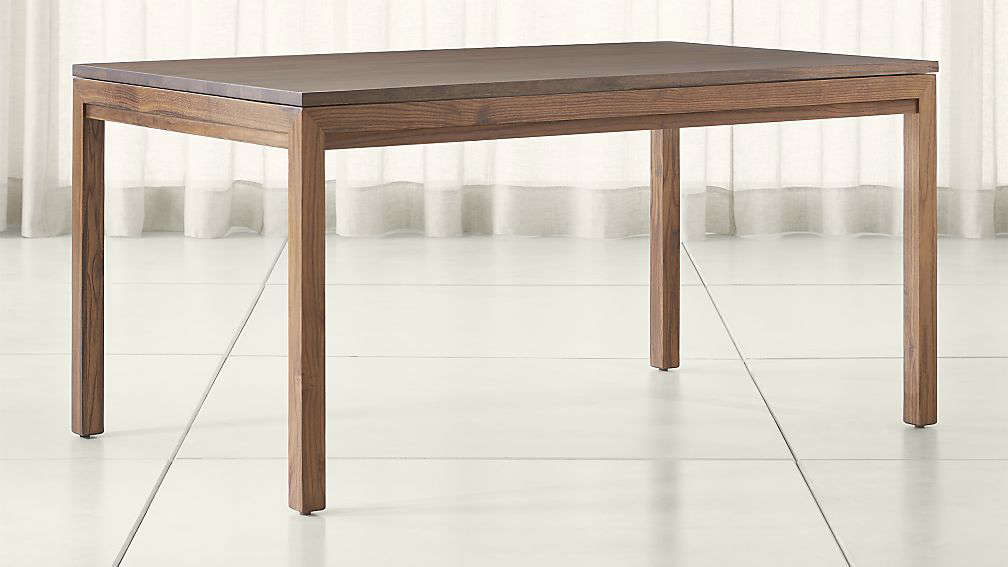
A dining table does not need carved lions, swooping legs, or enough decorative akes the strongest impression. The Parsons Walnut Top/ Elm Base Dining Table proves the point with a clean rectangular silhouette, a richly grained walnut surface, and a lighter elm structure that lets the materials do most of the talking.
Originally offered by Crate & Barrel in several sizes, this discontinued table combined a solid American walnut top with a natural elm base. Its construction reportedly used traditional Chinese joinery rather than visible nails or screws, while mitered corners and a recessed apron helped support the streamlined shape. Natural oil finishes emphasized the grain instead of covering it beneath a glossy, furniture-store disguise. ough the original product is no longer widely available, it remains an excellent reference point for anyone shopping for a modern wood dining table, restoring a used example, or planning a custom piece with a similar walnut-and-elm combination.
What Is a Parsons Dining Table?
A traditional Parsons table is rectangular or square, with straight legs positioned flush with the corners of the tabletop. The legs are usually close to the same visual thickness as the top, producing a continuous geometric outline. There is no dramatic overhang, no turned-leg theater, and very little ornamentation. It is essentially a very handsome box that has learned how to host dinner.
The design is associated with Jean-Michel Frank and the Paris branch of Parsons School of Design. According to The New School’s historical archive, Frank challenged students to develop a simple table that could retain its integrity when covered in almost any material. The early concept was known as the “T-square table,” and the resulting form became what is now called the Parsons table. material flexibility explains why Parsons tables appear in lacquer, metal, stone, leather, grasscloth, veneer, and solid wood. The framework is quiet enough to support bold finishes, yet recognizable enough to avoid looking generic. Contemporary manufacturers continue to use the form for dining tables, desks, consoles, coffee tables, and occasional tables. the Walnut Top Stands Out
Rich Color Without Excess Decoration
Walnut is prized for colors that can range from medium brown to deep chocolate, often with darker streaks, curls, or irregular figuring. Because the Parsons design offers a broad, uninterrupted surface, the walnut grain becomes the main decorative feature. The tabletop does not need inlays or elaborate edging; the wood already brought its own artwork.
Black walnut also offers useful dimensional stability, shock resistance, and strength for furniture applications. It is durable enough for everyday dining, although it is not as resistant to dents as some harder species. That balance gives walnut a refined appearance without making it unpleasantly difficult for furniture makers to shape and finish. urface That Develops Character
Natural walnut changes subtly with light exposure and age. Instead of remaining exactly the same color forever, it may become warmer or somewhat lighter over time. Minor marks can also become part of the table’s visual history, especially on an oil-finished surface.
That does not mean owners should begin attacking the tabletop with forks in the name of “patina.” It simply means a well-used walnut dining table often looks more relaxed and personal after several years than it did on delivery day.
Why Use an Elm Base?
Elm is a practical furniture wood known for strength, flexibility, and visually active grain. Different elm species vary in color and hardness, but elm commonly displays an interlocking grain pattern that can add texture even when the furniture has a straightforward shape. It works particularly well in dining tables, benches, chairs, cabinets, and other pieces expected to handle regular use. he Parsons table, the lighter elm base creates a natural contrast with the darker walnut top. The difference is noticeable without becoming loud. Rather than looking like two unrelated pieces accidentally introduced at a party, the woods share enough warmth to feel coordinated.
Elm is sometimes described as a softer hardwood, so it can collect dents more easily than oak or hickory. That is less concerning in the base than it would be in the eating surface. Table legs may receive the occasional chair bump or enthusiastic vacuum-cleaner greeting, but they do not normally face hot bowls, spilled coffee, or a child conducting unauthorized experiments with permanent markers. struction Details Worth Understanding
Traditional Joinery
The original product description emphasized traditional Chinese joinery without visible nails or screws in the elm base. This type of construction generally depends on accurately shaped wooden joints that lock structural members together. When properly executed, joinery can produce a strong frame while preserving a clean exterior. recessed apron is another important detail. An apron connects the legs beneath the tabletop and helps resist wobbling or racking. Recessing it visually lightens the table because the support structure does not sit flush with the outer edge. From normal standing height, the top and legs remain the stars while the apron quietly performs the less glamorous structural work.
Allowing Solid Wood to Move
Solid wood expands and contracts as indoor humidity changes. A properly constructed dining table must secure the top while still permitting controlled movement across the grain. Woodworking references recommend techniques such as slotted fasteners, wooden buttons, clips, or floating connections rather than rigidly fastening a wide solid top in every direction. Ignoring seasonal movement can lead to cracks, splits, warping, or joints that pull apart. consideration becomes especially important when a walnut top is paired with a base made from another species. The two woods do not necessarily respond to humidity in precisely the same way, so the connection must be engineered rather than merely glued together with optimism.
Choosing the Right Parsons Table Size
Versions of the original table included compact dimensions around 48 by 28 inches and larger options around 72 by 42 inches. The smaller version could suit an apartment dining area, breakfast space, or multipurpose room. A 72-inch table provides more comfortable capacity for approximately six diners, depending on chair width and how strongly everyone feels about elbow territory. mmon planning guideline is to reserve roughly 24 inches of table edge per person. Rectangular tables measuring about 70 inches long can generally accommodate six place settings, while larger groups require additional length. These numbers are starting points rather than legally binding dinner rules; wide armchairs and oversized place settings need more room. clearance matters just as much as tabletop size. Designers commonly recommend at least 36 inches between the table and surrounding walls or furniture, with 42 inches providing easier movement behind occupied chairs. Measure from the table edge to the nearest obstruction, not from the center of the room while hoping the walls become more cooperative. to Style a Walnut and Elm Dining Table
Modern and Minimalist Rooms
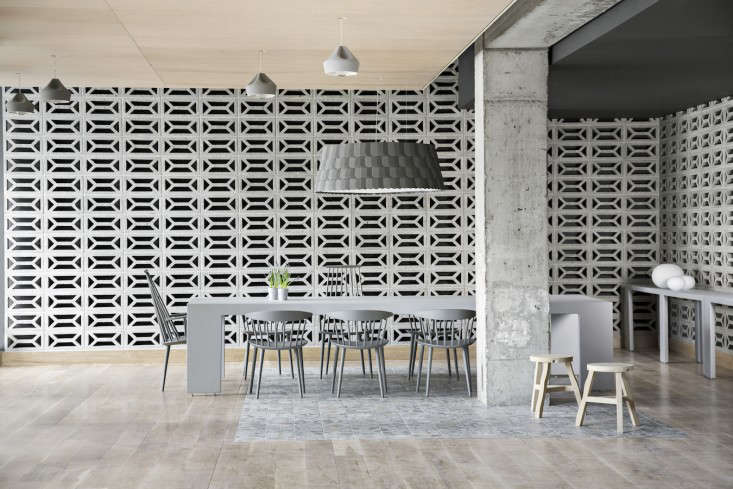
The straight lines of a Parsons table naturally complement contemporary interiors. Pair it with slim upholstered chairs, molded seats, or black metal dining chairs for a crisp look. A large pendant light can introduce curves above the rectangular surface, preventing the room from becoming an enthusiastic celebration of right angles.
Keep the centerpiece low and simple. A ceramic bowl, sculptural vase, or small group of candlesticks allows the walnut grain to remain visible. Covering the entire top with accessories rather defeats the purpose of buying a beautiful piece of wood.
Traditional and Transitional Spaces
A Parsons table can also work with antiques, patterned rugs, and classic dining chairs. Its restrained outline acts as a visual bridge between old and new furniture. Designers have long valued the form for this flexibility, pairing its basic geometry with materials and furnishings from very different periods. a transitional room, try spindle-back chairs, woven seats, or upholstered chairs with modest curves. Brass lighting and linen curtains add softness, while the dark walnut top anchors the arrangement.
Scandinavian, Rustic, and Organic Interiors
The elm base makes the table particularly suitable for warm minimalist, Scandinavian, rustic, and organic-modern rooms. Elm’s visible grain and earthy coloring coordinate easily with linen, wool, ceramics, baskets, and natural stone. nch can make the arrangement feel casual, but check the apron and leg placement before buying one. The bench must slide far enough beneath the table to avoid becoming a permanent obstacle course.
Care and Maintenance
Daily Cleaning
Remove crumbs and dust with a soft, dry cloth. For ordinary cleaning, use a slightly damp cloth and dry the surface promptly. Avoid leaving water, wine, oil, tomato sauce, or other spills in place. Wood is patient, but pasta sauce is ambitious.
Do not assume that every commercial furniture polish is appropriate. The correct product depends on whether the surface has an oil, wax, lacquer, polyurethane, or another finish. Care guidance for oil-finished walnut generally recommends mild cleaning, prompt spill removal, and occasional refinishing with a compatible product rather than frequent applications of silicone-heavy polish. tection From Heat, Moisture, and Sunlight
Use coasters, trivets, and placemats under hot or wet items. Avoid placing a steaming casserole directly on the walnut top, even when someone insists it will be there for “just a second.” Heat and trapped moisture can cloud or damage certain finishes.
Strong, continuous sunlight may cause uneven color changes, especially if a runner, bowl, or stack of mail remains in one spot for months. Rotate decorative objects occasionally and consider window treatments when the table sits directly beside intense afternoon light.
Maintaining reasonably stable indoor humidity also helps reduce excessive wood movement. Avoid positioning the table against a radiator, heating vent, fireplace, or powerful air-conditioning outlet.
Advantages and Possible Drawbacks
Main Advantages
- Timeless form: The simple Parsons silhouette is unlikely to look dated after one decorating trend disappears.
- Natural contrast: Dark walnut and lighter elm create visual interest without relying on paint or heavy ornament.
- Flexible styling: The table can work with modern, traditional, industrial, Scandinavian, or eclectic chairs.
- Strong visual presence: The broad walnut surface gives the table warmth and character.
- Practical geometry: A rectangular shape simplifies furniture placement and accommodates a variety of seating arrangements.
Possible Drawbacks
- Limited end seating: Corner legs can reduce knee room for diners seated at the short ends.
- Visible wear: Oil-finished walnut may show scratches, rings, and dents more readily than a heavily coated commercial surface.
- Substantial weight: A solid hardwood table may be difficult to move through narrow halls or up staircases.
- Maintenance requirements: Natural finishes may need periodic refreshing with the correct oil or wax.
- Discontinued status: Original examples are more likely to appear through resale marketplaces than current retail inventory.
Buying a Used or Similar Table
When examining a secondhand example, look along the tabletop in low side light. This angle reveals scratches, cupping, finish wear, and water rings more clearly than overhead showroom lighting. Check the underside for cracks, loose fasteners, repairs, or evidence that the top has been rigidly attached without room for seasonal movement.
Gently press each corner to test for wobble. Inspect the apron-to-leg joints and verify that the table stands evenly on a flat floor. Small surface scratches may be repairable, but loose structural joints deserve more attention.
Confirm the actual dimensions before arranging transportation. A 72-by-42-inch solid wood top can be surprisingly uncooperative in a stairwell. Measure doors, elevators, corners, and the cargo area of the vehicle. Furniture develops a wicked sense of humor whenever someone says, “It should fit.”
For a new alternative, search for solid walnut Parsons tables, mixed-wood dining tables, or custom designs using a walnut top and elm, ash, oak, or maple base. Ask the maker how the top is attached, what finish is used, whether the legs can be removed for delivery, and how future refinishing should be handled.
Living With a Parsons Walnut Top/ Elm Base Dining Table
The First Few Weeks
A realistic ownership experience begins with the table changing the mood of the room before anyone places a plate on it. The dark walnut surface makes an ordinary dining area feel more deliberate, while the lighter elm base prevents the piece from appearing too heavy. In daylight, the top may show subtle grain movement that was not obvious in product photographs. At night, warm pendant lighting deepens the brown tones and makes the table look richer.
The first practical discovery is usually that the table does not require much decoration. A vase that looked pleasantly substantial on the old table may suddenly seem like it is blocking the main attraction. Many owners would likely simplify the centerpiece after realizing that open walnut is more visually satisfying than a small warehouse of decorative objects.
The second discovery involves fingerprints, crumbs, and the laws of domestic reality. A dark tabletop can reveal pale crumbs with impressive efficiency. Fortunately, the simple rectangular surface is easy to wipe because there are no carved edges or grooves collecting evidence from last Tuesday’s breakfast.
Daily Meals and Work
For daily dining, the wide top provides a stable surface for plates, serving dishes, homework, laptops, and the mysterious pile of papers that appears in every household. The Parsons form transitions easily from breakfast table to home office because it does not look overly formal. Add a laptop and it becomes a desk. Add candles and proper napkins and it remembers that it was invited to dinner.
Corner legs create a sturdy visual frame, although chair placement matters. Side seats generally have straightforward legroom, but large chairs at the ends may compete with the table legs. Testing chair width before purchase prevents the awkward discovery that a beautiful end chair only fits when no human being is sitting in it.
The walnut surface also encourages better habits. Coasters begin appearing more regularly. Hot dishes suddenly receive trivets. Family members who once treated the old table like a loading dock may develop an unexpected interest in placemats. This period of intense caution usually relaxes over time, which is healthy. A dining table should support life, not turn dinner into a museum-security exercise.
After Months of Use
After several months, small changes become part of the ownership experience. The wood may respond subtly to seasonal humidity. A shallow scratch may appear where a ceramic bowl was dragged instead of lifted. A faint mark may record the evening someone trusted an overfilled glass of red wine.
These imperfections are easier to accept on naturally finished wood than on a flawless synthetic surface. Walnut grain disguises some marks, while oil finishes can sometimes be refreshed locally or professionally. The table gradually becomes less like a pristine retail object and more like a piece connected to birthdays, workdays, hurried breakfasts, and long conversations.
The elm base tends to remain visually quiet. Its lighter color makes dust less obvious than on the walnut top, though chair impacts may eventually leave minor dents near the legs. Because the design is so simple, structural changes are easier to notice. A developing wobble or opening joint cannot hide behind decorative carving, making periodic inspection worthwhile.
Entertaining Guests
When guests arrive, the Parsons table performs best with an uncomplicated arrangement. Neutral dishes, linen napkins, and low candles allow the contrasting woods to remain visible. The rectangular shape supports shared platters down the center, while its straight edges make place settings easy to align.
A 72-inch version can accommodate a comfortable small gathering, though very wide chairs may reduce capacity. The ideal setup leaves enough space for diners to move without organizing a synchronized chair-pulling ceremony. When the room has proper clearance, the table feels generous rather than oversized.
Most importantly, the design does not dictate the occasion. It works for takeout containers on Wednesday and holiday dinnerware on Sunday. That adaptability is the real strength of the Parsons Walnut Top/ Elm Base Dining Table. It looks designed, but not precious; modern, but not cold; substantial, but not desperate for attention.
Conclusion
The Parsons Walnut Top/ Elm Base Dining Table succeeds because it combines disciplined geometry with expressive natural materials. The walnut top supplies depth, warmth, and distinctive grain, while the elm base introduces a lighter tone and a durable structural foundation. Traditional joinery and restrained detailing reinforce the table’s straightforward character.
Its discontinued status may make an original example difficult to find, but the underlying design remains highly relevant. Whether purchased secondhand, commissioned from a furniture maker, or used as inspiration for a similar table, the combination offers lasting versatility. It can anchor a minimalist apartment, soften a contemporary dining room, or bring modern balance to a home filled with vintage pieces.
In other words, it is a table that knows how to be noticed without standing on a decorative soapbox. Give it enough room, protect it from boiling cookware, and let the walnut grain handle the conversation.