Summer is supposed to feel like freedom: iced drinks, beach days, backyard barbecues, road trips, and sunsets that look like they were edited by someone with excellent taste. But for people with dry eyes, summer can also bring a less glamorous guest: burning, scratchy, watery, irritated eyes that make you blink like you are trying to send Morse code.
Dry eyes in summer are common because the season quietly stacks the deck against your tear film. Heat speeds evaporation. Air conditioning dries indoor air. Wind, smoke, chlorine, sunscreen, allergies, long screen sessions, and contact lenses can all add to the irritation. The result? Your eyes may feel gritty, tired, red, sensitive to light, or weirdly watery. Yes, watery eyes can be a sign of dry eyesbecause irritated eyes may overproduce low-quality reflex tears that do not lubricate well. Annoying? Absolutely. Manageable? Very often, yes.
This guide explains why summer dry eyes happen, how to recognize the signs, and what practical steps can help you stay comfortable without turning your entire summer into a dramatic eye-care documentary.
What Are Dry Eyes, Really?
Dry eye happens when your eyes do not produce enough tears, when the tears evaporate too quickly, or when the tear film is unstable. A healthy tear film is not just “water.” It has layers: an oily layer that slows evaporation, a watery layer that hydrates and cleans the eye surface, and a mucus layer that helps tears spread evenly. When one part of this system gets out of balance, the surface of the eye can become irritated.
In summer, evaporative dry eye is especially common. That means your tears may be disappearing too fast, often because heat, wind, dry indoor air, or poor oil gland function makes the tear film break up before it can do its job. Imagine watering a plant in direct noon sun and then wondering why the soil is dry again ten minutes later. Your eyes can feel a little like that.
Common Symptoms of Summer Dry Eyes
Dry eyes do not always feel simply “dry.” They can show up in several ways, and the symptoms may come and go depending on your environment.
Watch for these signs
- Burning, stinging, or scratchy eyes
- A gritty feeling, like sand is stuck in your eyes
- Redness or eye fatigue
- Blurry vision that improves after blinking
- Light sensitivity
- Stringy mucus around the eyes
- Watery eyes, especially outdoors or in wind
- Discomfort while wearing contact lenses
- Eye irritation after screen use, driving, swimming, or being in air conditioning
If symptoms are mild and occasional, home strategies may help. If they are persistent, painful, or affecting your vision, it is time to see an eye care professional. Eyes are small, but they are not casual accessories. They deserve attention.
Why Dry Eyes Get Worse in Summer
Heat speeds tear evaporation
Hot weather can make moisture evaporate faster from the eye surface. If your tear film is already unstable, summer heat can make symptoms more noticeable. This is why some people feel fine in the morning but uncomfortable by late afternoon after hours of sun, errands, driving, and outdoor air.
Air conditioning dries the air
Air conditioning is a summer hero, but it can also be a sneaky dry-eye villain. Cool air often contains less moisture, and direct airflow from vents can dry the tear film quickly. Sitting under an office vent or sleeping with air blowing toward your face can leave your eyes feeling dry, sticky, or irritated.
Wind and outdoor activities increase irritation
Beach wind, bike rides, boating, hiking, and outdoor sports expose your eyes to moving air, dust, pollen, and tiny particles. Wind can increase tear evaporation and carry irritants straight to the eye surface. It is fun until your eyes feel like they have been lightly breaded in beach sand.
Sun exposure can trigger sensitivity
Bright sunlight does not directly “dry” the eyes in the same way wind does, but it can increase discomfort and light sensitivity. UV exposure is also harmful to long-term eye health, so sunglasses are not just a style choice. They are eye armor with better branding.
Chlorine, salt water, and sunscreen can irritate
Swimming pools, ocean water, sweat, and sunscreen can all irritate the eye surface. Chlorine may disrupt the tear film, salt water can sting, and sunscreen that migrates into the eyes can cause burning. The solution is not to cancel swimming forever; it is to use smart protection and rinse carefully when needed.
Wildfire smoke and air pollution can make symptoms flare
Summer air quality can change quickly, especially during wildfire season or high-pollution days. Smoke, dust, and particle pollution can irritate the eyes, nose, and throat. People with dry eye may notice more burning, redness, watering, or blurred vision when the air quality is poor.
Best Summer Tips to Manage Dry Eyes
1. Use artificial tears wisely
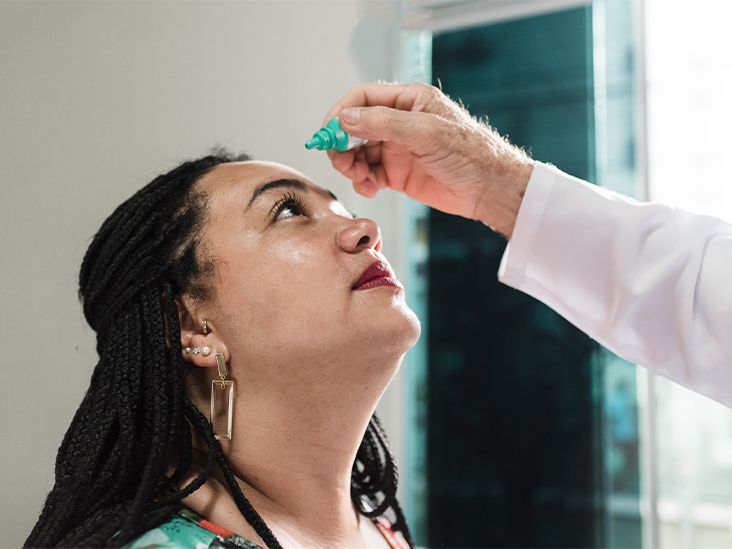
Over-the-counter artificial tears are often the first step for mild dry eye. They help lubricate the eye surface and may reduce burning, grittiness, and irritation. Look for lubricating drops labeled for dry eyes, not “redness relief” drops. Redness-reducing drops may temporarily whiten the eyes but can worsen irritation with frequent use.
If you need drops more than four times a day, preservative-free artificial tears are often a better option because preservatives can irritate sensitive eyes with repeated use. Single-use vials are convenient, but use them according to the package directions and avoid touching the tip to your eye, lashes, fingers, or any surface.
2. Check eye drop safety before buying
Eye drops are generally safe when purchased from reliable sources and used correctly, but recalls do happen. Before using unfamiliar drops, especially bargain-bin bottles from unknown sellers, check current safety notices from the FDA or ask a pharmacist or eye care professional. Do not use drops that are expired, cloudy, discolored, or stored in a suspiciously hot place, such as a car that has been baking in the sun.
3. Wear wraparound sunglasses
Sunglasses help protect against UV rays and reduce exposure to wind, dust, and glare. For dry eyes, wraparound sunglasses are especially helpful because they block airflow from the sides. Choose sunglasses labeled “100% UV protection” or “UV400.” Dark lenses alone do not guarantee UV protection, so check the label instead of trusting vibes.
4. Add a hat for extra shade
A wide-brimmed hat or baseball cap can reduce glare and sunlight hitting your eyes from above. Pairing a hat with UV-blocking sunglasses is a simple summer upgrade. It also gives “I planned this outfit” energy, even if you grabbed it while running late.
5. Keep air vents away from your face
Whether you are in a car, bedroom, classroom, office, or airplane, avoid direct airflow toward your eyes. Adjust vents downward or to the side. If you wake up with dry eyes, check whether a fan or AC vent is blowing across your face at night. Your eyes may be losing moisture while you sleep.
6. Use a humidifier indoors
Dry indoor air can make symptoms worse, especially when air conditioning runs for hours. A clean humidifier can add moisture to the room and help reduce tear evaporation. Keep it cleaned according to instructions, because a dirty humidifier is not self-care; it is a tiny swamp with a power cord.
7. Take screen breaks and blink on purpose
Summer does not always mean less screen time. Many people spend hot afternoons indoors watching shows, gaming, working, scrolling, or studying. When you stare at screens, you blink less often, and incomplete blinking can worsen dryness. Try the 20-20-20 rule: every 20 minutes, look at something about 20 feet away for 20 seconds. Also practice slow, complete blinks. It sounds silly until your eyes thank you.
8. Try warm compresses for oily tear support
If your dry eye is related to blocked oil glands in the eyelids, warm compresses may help. Apply a clean, warmnot hotcompress over closed eyelids for several minutes. This can help soften oils in the meibomian glands, which support the tear film’s protective outer layer. Follow with gentle eyelid hygiene if your eye doctor recommends it.
9. Be careful with contact lenses
Contact lenses can feel less comfortable during summer because heat, wind, allergies, and dry air increase irritation. Never swim, shower, or sleep in contact lenses unless your eye care professional specifically says it is safe for your lens type. Water can introduce harmful microbes to lenses and increase infection risk. Bring backup glasses, rewetting drops approved for contacts, and a clean lens case with fresh solution when you travel.
10. Protect your eyes when swimming
Swimming is a summer classic, but pool chemicals and salt water can irritate dry eyes. Wear well-fitting swim goggles to reduce exposure. After swimming, rinse your face and eyelids with clean water. If your eyes feel irritated afterward, artificial tears may help restore comfort. Avoid rubbing your eyes, even if they feel itchy. Rubbing usually makes angry eyes angrier.
11. Manage allergies without confusing the problem
Summer allergies can overlap with dry eye symptoms. Itchy, watery, red eyes may come from pollen or other allergens, but dryness can also cause watering and irritation. If your main symptom is intense itching, allergies may be involved. Ask a clinician or pharmacist before mixing multiple eye products, especially if you already use prescription eye drops.
12. Stay hydrated, but do not expect water to solve everything
Drinking enough water supports overall health, and dehydration can make dryness feel worse. Still, dry eye is not always fixed by drinking more water. Tear film problems may involve inflammation, oil gland dysfunction, medications, hormones, contact lenses, or environmental triggers. Hydration helps, but it is not a magic spell. Sadly, neither is buying a giant water bottle with motivational time markers, although it may improve your desk aesthetic.
Summer Dry Eye Routine: A Simple Daily Plan
Morning
Start the day by checking how your eyes feel. If they are dry when you wake up, consider whether your bedroom air is too dry or whether airflow is pointed at your face. Use preservative-free artificial tears if needed. Clean your eyelids gently if your eye doctor has recommended lid hygiene. Before leaving home, pack sunglasses, backup glasses if you wear contacts, and eye drops that are safe for your situation.
Midday
This is when summer dryness often builds. Wear UV-blocking sunglasses outdoors, avoid direct AC vents indoors, and take screen breaks if you are working or studying. If you are driving, aim vents away from your eyes. If the air is smoky, dusty, or windy, reduce exposure when possible.
Evening
After outdoor activities, rinse away sweat, sunscreen, pollen, or pool chemicals from your face and eyelids. Use artificial tears if your eyes feel irritated. If your symptoms are related to eyelid oil glands, a warm compress may be useful in the evening. Contact lens wearers should remove lenses on schedule and give the eyes a break with glasses when needed.
What to Avoid When Your Eyes Feel Dry
Some habits can make dry eyes worse, even when they seem harmless. Avoid rubbing your eyes, using expired drops, sharing eye drops, sleeping in contacts, swimming with contacts, or using redness-relief drops frequently. Also avoid placing eye drops in extreme heat, such as inside a parked car. Heat can affect product quality and comfort.
Be cautious with heavy eye makeup during flare-ups. Mascara flakes, eyeliner, and makeup remover can irritate sensitive eyes. If your symptoms worsen after using a cosmetic product, stop using it and consider replacing older products. Eye makeup has a shorter drama-free lifespan than most people want to admit.
When to See an Eye Doctor
Home care can help mild dry eyes, but some symptoms need professional attention. Schedule an eye exam if dryness lasts more than a few days, keeps returning, interferes with reading or driving, or makes contact lenses difficult to wear. Seek prompt care if you have eye pain, sudden vision changes, severe redness, light sensitivity, discharge, swelling, or the feeling that something is stuck in your eye after rinsing.
An eye care professional can check whether you have dry eye disease, allergies, blepharitis, meibomian gland dysfunction, infection, medication-related dryness, or another condition. Treatment may include prescription drops, anti-inflammatory therapy, punctal plugs, special contact lenses, in-office gland treatments, or changes to medications when appropriate.
Real-Life Experiences: What Summer Dry Eyes Actually Feel Like
Many people do not realize they have summer dry eyes until the pattern becomes impossible to ignore. One common experience is the “car AC problem.” You get into a hot car, blast the air conditioning, and feel immediate relief everywhere except your eyes. Ten minutes later, your eyes begin to sting, your vision blurs slightly, and you blink repeatedly at every traffic light. The fix can be surprisingly simple: aim the vents away from your face, use sunglasses while driving, and keep lubricating drops in your bag instead of the glove compartment, where heat can be brutal.
Another familiar situation is the beach day flare-up. You arrive with sunscreen, snacks, and optimism. Then the wind picks up. Sand, salt air, glare, and sweat team up like a tiny irritation committee. By late afternoon, your eyes feel gritty and tired even though you barely looked at a screen. For people prone to dry eyes, wraparound sunglasses, a hat, artificial tears, and avoiding direct wind can make the difference between “great beach day” and “why do my eyeballs feel toasted?”
Contact lens wearers often notice summer dryness more than anyone else. A lens that feels fine in spring may feel uncomfortable in July after swimming, hiking, or sitting in air conditioning. Some people solve this by switching to glasses on high-heat days, using daily disposable lenses if recommended by their eye doctor, or carrying contact-safe rewetting drops. The biggest lesson is not to push through pain. Contact lenses should not feel like a personal endurance challenge.
Screen-heavy summer days can also surprise people. Maybe it is too hot outside, so you stay indoors and spend hours gaming, editing videos, working, or scrolling. The room is cool, the AC is running, and your blink rate quietly drops. By evening, your eyes feel dry, heavy, and irritated. A better setup includes taking blink breaks, lowering screen glare, keeping vents away from your face, and using artificial tears before symptoms become dramatic.
Parents may notice kids rubbing their eyes after pool days or outdoor sports. Adults may blame fatigue when the real issue is wind, chlorine, pollen, or dryness. Office workers may blame their computers when the overhead vent is the true villain. Travelers may feel symptoms on planes because cabin air is dry. The experience is different for everyone, but the theme is the same: summer dry eyes usually come from a mix of environment, habits, and tear-film stress.
The good news is that small changes often stack up. Sunglasses plus better airflow. Hydration plus screen breaks. Warm compresses plus preservative-free drops. Goggles plus no contact lenses in water. None of these steps requires canceling summer. They simply help your eyes survive the season with less burning, less blinking, and fewer moments where you wonder if your eyeballs have secretly become raisins.
Conclusion
Summer dry eyes can be frustrating, but they are usually manageable with the right routine. Heat, wind, air conditioning, smoke, chlorine, sunscreen, contact lenses, and screen time can all make symptoms worse. The most effective approach is practical and consistent: protect your eyes outdoors, reduce direct airflow indoors, use artificial tears wisely, keep contact lenses away from water, take screen breaks, and see an eye care professional when symptoms persist or become severe.
Think of summer eye care the way you think of sunscreen: not dramatic, not complicated, just smart maintenance. Your eyes work hard every day. Give them shade, moisture, clean habits, and the occasional break from the fan blasting directly into your soul.