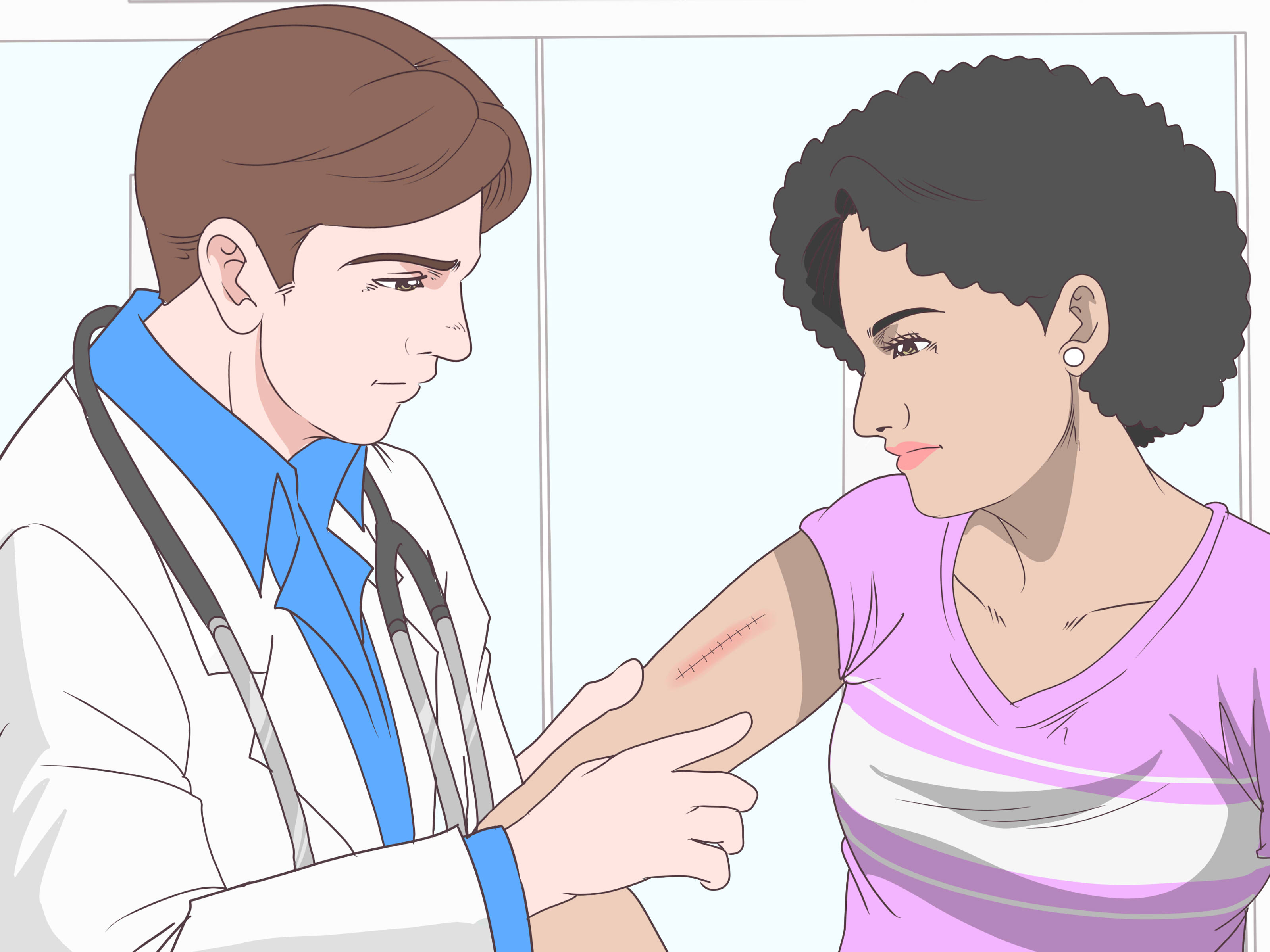
Stitch marks are like that one party guest who keeps hanging around after everyone else has left. The cut is closed, the bandage is gone, life is moving onand yet the little line, dots, redness, or raised bump where your stitches used to be is still very much clocked in. The good news? Most stitch marks do fade. The less-fun-but-important news? They usually do it on human time, not Wi-Fi time.
If you are wondering how to get rid of stitch marks, the smartest plan is not to attack your skin with every cream in the bathroom cabinet like a skincare action movie. It is to treat the area gently, use evidence-based scar care, protect it from the sun, and know when to bring in a dermatologist or surgeon for backup. This guide walks you through the process step by step, in plain American English, without miracle-cure nonsense.
What Are Stitch Marks, Exactly?
“Stitch marks” can mean a few different things. Sometimes they are the tiny dots left where sutures entered and exited the skin. Sometimes they are a pink or brown line along the incision. Sometimes they become a raised scar, a firm ridge, or a darker patch after healing. In other words, stitch marks are not one single thingthey are a category of post-healing changes.
That matters because the fix depends on the type of mark. A flat pink line needs different care than a raised, itchy scar. A dark mark from inflammation behaves differently from a thick scar that keeps getting taller like it pays rent by the inch.
Step 1: Figure Out What Kind of Mark You Have
Before you buy products, do a quick scar reality check. Is your stitch mark:
- Flat and pink? That is often a normal early scar.
- Brown or darker than your skin? That may be post-inflammatory hyperpigmentation.
- Raised, firm, itchy, or thick? That may be a hypertrophic scar or keloid.
- Indented? That may need professional treatment rather than simple creams.
If the area is still open, draining, crusting heavily, very painful, or hot to the touch, stop right there. That is wound care territory, not scar treatment territory. Scar products belong on fully closed skin unless your clinician says otherwise.
Step 2: Follow Wound-Care Instructions First, Scar Care Second
This part is not glamorous, but it works. The better a wound heals early on, the better the scar often looks later. During the healing stage, follow your surgeon’s or clinician’s instructions about cleaning, dressing changes, ointment use, and stitch removal. Do not freestyle because a cousin’s neighbor “swears by” rubbing garlic on everything. Skin deserves better.
Also, avoid picking scabs, scratching, and “checking how it is doing” every 11 minutes. Repeated irritation can make a scar bigger, darker, or more obvious. Think of healing skin as a cat that barely tolerates affection: handle gently and only when needed.
Step 3: Keep the Area MoisturizedBut Keep It Simple
Once your clinician says the wound care phase allows it, basic moisture support can help. Simple, bland products usually beat heavily fragranced “miracle” formulas. Your goal is to support the skin barrier, not audition the scar for a chemistry experiment.
Look for products that are plain, fragrance-free, and non-irritating. If you have very sensitive skin, patch-test anything new. And no, more products does not equal faster fading. Overloading the area with active ingredients can irritate healing skin and leave you with an angrier-looking scar.
Step 4: Use Silicone Gel or Silicone Sheets Consistently
If there is one overachiever in modern scar care, it is silicone. Silicone gel and silicone sheets are widely recommended for improving the appearance of surgical scars and raised scars after the skin has fully closed. They are not magic, but they are one of the most reasonable first-line options for stitch marks that are new, pink, or beginning to thicken.
Why does silicone help? It creates a protective, semi-occlusive environment that helps balance hydration in the scar. In plain terms, it gives the healing skin a calmer workspace. Over time, this may help soften, flatten, and reduce the visibility of the scar.
How to use silicone products well
- Start only when the skin is fully closed and your clinician says it is okay.
- Use the product consistently, not once every eclipse.
- Keep going for weeks to months. Scar care rewards patience more than enthusiasm.
- Stop and ask a clinician if you get significant irritation, rash, or drainage.
Step 5: Try Gentle Scar MassageWhen the Skin Is Fully Healed
Scar massage can be useful for some people, especially when a scar feels firm, tight, or “stuck.” But timing matters. Do not massage a fresh wound, an open area, or skin with scabs, steri-strips, drainage, or signs of infection. Start only after the area is completely healed and your clinician gives the green light.
Use clean fingers and gentle pressure. Small circular motions and slow back-and-forth movements are usually enough. The goal is not to scrub the scar into submission. The goal is to encourage flexibility and soften firmness over time.
If massage makes the area sharply painful, more swollen, or redder for hours afterward, back off. Skin likes consistency, not aggression.
Step 6: Protect Stitch Marks From the Sun Like It Is Your Part-Time Job
Sun exposure can make stitch marks darker and more noticeable. This is especially true while scars are new and still changing. If your scar sees daylight, it needs protection. Otherwise, your scar may decide to turn into a long-term souvenir.
Use broad-spectrum sunscreen with SPF 30 or higher once the area has healed enough for sunscreen. Reapply as directed when outdoors. Hats, sleeves, and shade also help. If the mark is on your face, this step is not optional if fading is your goal.
For many people, the difference between “this scar faded pretty well” and “why is this still dark?” is not an expensive serum. It is consistent sun protection.
Step 7: Do Not Throw Harsh Ingredients at a New Scar
New stitch marks are not the time for acid peels, gritty scrubs, lemon juice, toothpaste, mystery oils from social media, or any skincare product marketed with five exclamation points. Harsh ingredients can irritate healing skin and worsen redness or pigmentation.
Be especially cautious with retinoids, exfoliating acids, bleaching agents, and strong brightening products near a fresh scar. Some people eventually use pigment-targeting treatments under professional guidance, but a newer stitch mark usually responds better to gentler care first.
In other words, your scar does not need “tough love.” It needs boring competence.
Step 8: Give It TimeReal Time
One of the biggest mistakes people make is assuming a scar’s early appearance is its final form. It is not. Stitch marks often look pink, firm, bumpy, or obvious for weeks to months before they soften and fade. Scar remodeling is slow. Annoyingly slow. The kind of slow that makes houseplants look decisive.
Many surgical scars continue to improve for a year or longer. That is why consistency matters. If you use silicone for four days, skip sun protection, then declare the scar “permanent” after three weeks, the scar has every right to ignore your review.
Step 9: Get Professional Help for Raised, Itchy, Dark, or Stubborn Marks
If your stitch marks are not improvingor they are getting thicker, itchier, darker, or more raisedhome care may not be enough. That does not mean you did anything wrong. It just means the scar may need a more targeted plan.
Professional treatments may include:
- Corticosteroid injections for raised or itchy scars
- Laser treatments for redness, pigment changes, or texture
- Microneedling for certain texture issues, often after the scar matures
- Cryotherapy for some keloids
- Scar revision surgery when the scar shape, tension, or placement is the main problem
A dermatologist or plastic surgeon can tell you which option fits your scar type. This is especially important if you are prone to keloids or have a history of thick scars after piercings, cuts, acne, or surgery.
Step 10: Watch for Signs That It Is More Than a Cosmetic Issue
Sometimes stitch marks are not just a visual annoyance. See a healthcare professional if the area:
- Becomes increasingly red, hot, swollen, or painful
- Starts draining pus or reopening
- Feels extremely tight or limits movement
- Bulges far beyond the original incision line
- Causes persistent itching, burning, or tenderness
That is not the moment for another tube of cream. That is the moment for actual medical input.
What Usually Works Best for Different Types of Stitch Marks?
For flat pink stitch marks
Silicone, sun protection, time, and gentle care are often enough.
For dark stitch marks
Sun protection is crucial. If the color lingers, ask a dermatologist about safe brightening options or laser treatment.
For raised stitch marks
Silicone is a smart first step, but persistent raised scars often need steroid injections or other professional treatment.
For indented stitch marks
Topical products usually help less. Procedures like microneedling, laser resurfacing, fillers, or revision may be more useful once the scar is mature enough.
Common Mistakes That Make Stitch Marks Worse
- Picking at scabs or peeling skin
- Using scar products before the wound is closed
- Skipping sunscreen
- Trying too many products at once
- Rubbing too hard during massage
- Waiting too long to get help for a raised or itchy scar
Scar care is less about dramatic hacks and more about disciplined, mildly boring habits. Which, to be fair, is not the headline social media wantsbut your skin is not social media.
Final Thoughts
If you want to get rid of stitch marks, the best approach is simple: heal well, be gentle, use silicone if appropriate, protect the scar from the sun, and give the process time. For many people, that combination leads to steady improvement. For stubborn scars, professional treatments can make a meaningful difference.
The main thing to remember is that “fading” and “vanishing” are not the same promise. Most stitch marks improve, often a lot, but not always instantly and not always completely. Good scar care is about helping your skin heal as cleanly and calmly as possiblenot bullying it into perfection.
Real-Life Experiences With Stitch Marks: What People Commonly Notice Over Time
One of the most reassuring things about stitch marks is that many people have the same emotional roller coaster. Week two: “Why is it still red?” Week six: “Why does it look worse in certain lighting?” Month three: “Did this scar sign a lease?” Then somewhere down the line, usually with consistent care, the scar begins to soften, flatten, and stop announcing itself every time a mirror appears.
A common experience after a minor procedure is that the stitch marks look like tiny railroad-track dots beside a thin line. At first, those little marks can seem more obvious than the actual incision. Then, gradually, they fade faster than expected once the skin settles down. People often say they regret panicking in the first month because the scar looked dramatically different by month three or four.
Another typical story involves the “I thought it was healed, so I stopped caring for it” phase. Someone uses silicone for a couple of weeks, forgets sunscreen, spends a weekend outdoors, and suddenly the scar looks darker again. This is frustrating, but very common. Scars can react to sun exposure long before they look fully mature. That is why consistent protection matters more than occasional enthusiasm.
People with raised stitch marks often describe a scar that feels harder than it looks. It may itch, catch on clothing, or feel tight during movement. In those cases, home care can help somewhat, but many people report the biggest improvement after finally seeing a dermatologist for steroid injections or another professional treatment. In other words, the breakthrough was not “finding the right cream.” It was finding the right level of care.
There is also the emotional side, which deserves more credit than it gets. A facial stitch mark, a scar on the chest, or a visible mark on the arm can make people feel self-conscious even when the scar is medically normal. Many say the hardest part is not painit is uncertainty. They do not know whether the mark is temporary, whether they made a mistake, or whether they are stuck with it forever. Usually, the answer is less dramatic: healing is just slow, uneven, and annoyingly non-linear.
What most positive experiences have in common is not a miracle ingredient. It is a steady routine. People who tend to be happiest with the outcome often do the same boring things over and over: they leave the wound alone, follow instructions, use silicone consistently, massage gently when appropriate, protect the scar from the sun, and ask for help when the scar starts acting suspicious. Glamorous? No. Effective? Much more often than the internet would have you believe.