Celery has spent decades being unfairly typecast as the sad green stick parked beside a bowl of ranches a better agent. With its refreshing crunch, mild savory flavor, and handy built-in groove for holding delicious things, celery can become a genuinely satisfying snack instead of a background prop at a party platter.
The secret to enjoying celery is simple: do not expect it to do all the work alone. Celery brings the crunch, water, and fresh flavor. Add protein, healthy fats, fiber-rich ingredients, fruit, herbs, or a bold spread, and suddenly those pale-green stalks have a personality. Below are 11 healthy celery snack ideas that are easy enough for busy weekdays, interesting enough for adults, and tasty enough that even the “celery is just crunchy water” crowd may reconsider.
Why Celery Makes a Smart Snack Base
Celery is low in calories and naturally high in water, making it a refreshing option when you want something crisp. Two medium stalks contain about 15 calories and provide dietary fiber, vitamin K, and smaller amounts of vitamins A and C, calcium, and iron.
That said, celery is not a magical “negative-calorie” food, and it does not need to be. It is simply a useful vegetable that adds volume and crunch without a lot of calories. The best celery snacks combine it with ingredients that provide protein, healthy fats, or more fiber. That combination is usually more filling and more enjoyable than eating a plain stalk while wondering where your afternoon went.
Celery juice may be trendy, but eating celery whole keeps the fiber that can be lost during juicing. Whole vegetables also tend to be more satisfying because chewing slows down the eating experience.
How to Prep Celery for Better Snacks
Start with firm, bright green stalks that feel crisp rather than rubbery. Trim the base, separate the stalks, and rinse them thoroughly under cool running water. The FDA recommends washing produce before eating or preparing it and advises against using soap, detergent, or commercial produce wash.
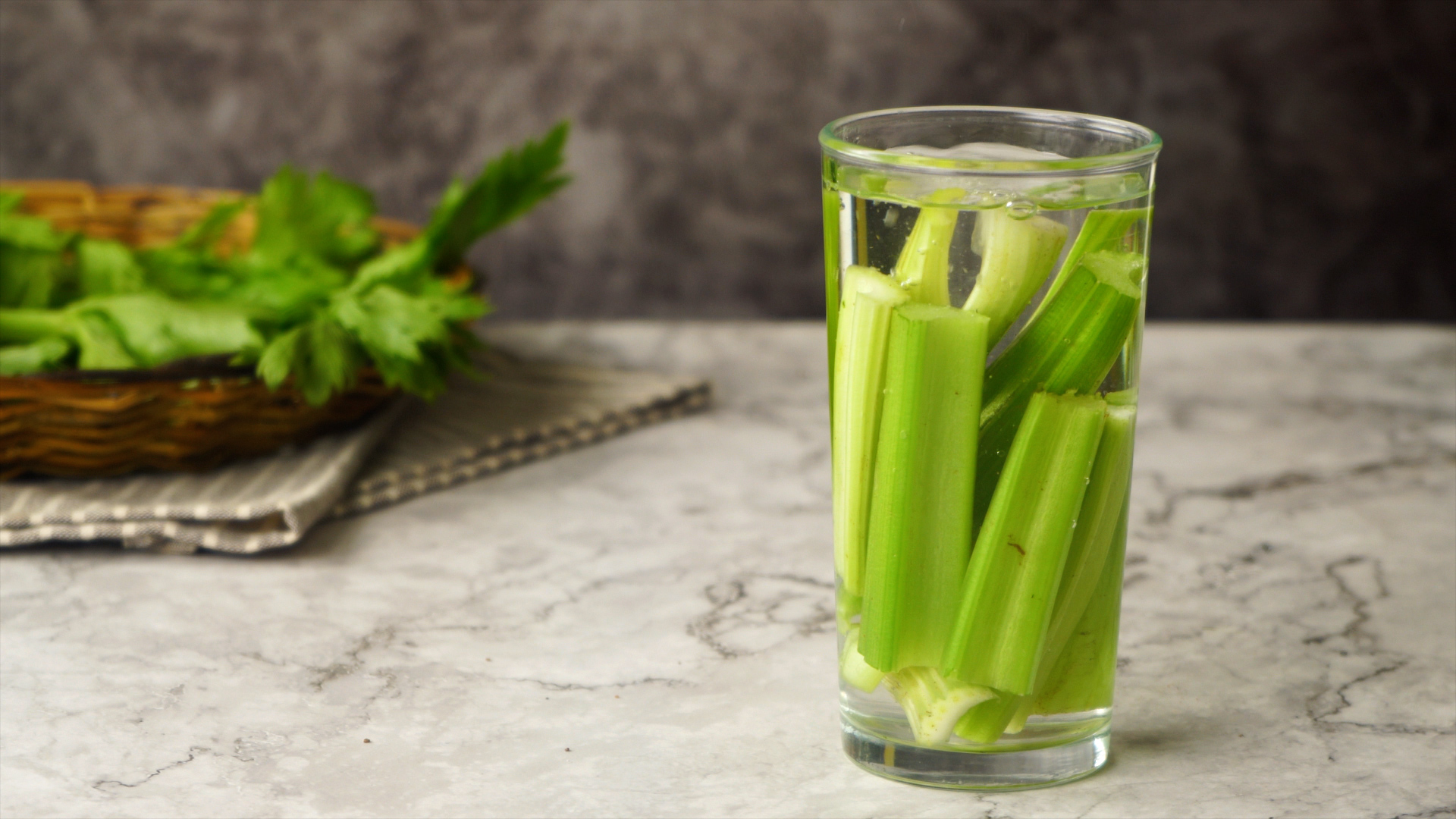
For snacking, cut celery into pieces about three to four inches long. If the outer stalks have tough strings, use a vegetable peeler to remove the thickest fibers. Store cut celery in a covered container of cold water in the refrigerator, then drain and pat dry before serving. It stays crunchy, which is celery’s greatest professional skill.
The Best Formula for Healthy Celery Snacks
A satisfying snack often pairs a produce-based carbohydrate with protein, healthy fat, and fiber. In practical terms, that means celery becomes much more substantial when paired with hummus, nut butter, Greek yogurt, beans, cottage cheese, avocado, tuna, chicken, or seeds. Health organizations commonly recommend combinations such as vegetables with hummus, guacamole, nut butter, or other protein-rich foods.
11 Delicious & Nutritious Celery Snack Ideas
1. Classic Ants on a Log With a Grown-Up Upgrade
Spread one to two tablespoons of natural peanut butter, almond butter, or sunflower seed butter into celery stalks. Top with raisins, chopped dates, dried cranberries with no added sugar, or a few cacao nibs. This childhood favorite works because it hits several snack cravings at once: crunchy, creamy, sweet, and salty.
For a less sweet version, use chopped roasted peanuts and a pinch of cinnamon. For a nut-free school-friendly option, sunflower seed butter does the job beautifully.
2. Hummus and Everything Seasoning Celery Sticks
Fill celery stalks with hummus, then sprinkle with everything bagel seasoning, paprika, za’atar, or chopped parsley. Hummus gives celery a creamy, savory boost while chickpeas contribute plant-based protein and fiber.
Choose a lower-sodium hummus when possible, especially if you are making several snack portions for the week. A squeeze of lemon can make a basic store-bought hummus taste like it attended culinary school.
3. Cottage Cheese, Apple, and Cinnamon Boats
Spoon cottage cheese into celery stalks and top with tiny diced apple, cinnamon, and a few chopped walnuts or pumpkin seeds. The combination is cool, creamy, crunchy, and slightly sweet without becoming dessert in a disguise moustache.
This snack works well after a workout or during a long afternoon because cottage cheese provides protein, while apples and seeds add texture and additional nutrients.
4. Guacamole and Pepita Crunch
Fill celery with mashed avocado or guacamole, then finish with pumpkin seeds, lime juice, cilantro, and a little cracked black pepper. The healthy fats in avocado make this snack more satisfying, while pepitas add a toasty crunch that keeps the celery from feeling lonely.
For a shortcut, mash avocado with a fork, add lemon or lime juice, and season with garlic powder and a pinch of salt. No fancy guacamole ceremony required.
5. Tuna and White Bean Salad Celery Boats
Mix canned tuna with mashed white beans, Greek yogurt or olive-oil mayonnaise, lemon juice, diced pickles, and black pepper. Spoon the mixture into celery stalks for a high-protein snack that feels more like a miniature lunch.
Using white beans stretches the tuna, adds fiber, and makes the filling creamier without needing a mountain of mayonnaise. Choose canned tuna and beans with lower sodium when available.
6. Greek Yogurt Ranch Celery Dippers
Make a quick dip by mixing plain Greek yogurt with dried dill, garlic powder, onion powder, lemon juice, black pepper, and a small pinch of salt. Use celery sticks as dippers, or fill the celery grooves with the mixture and top with chopped chives.
This is a lighter way to get that classic ranch-and-celery experience without turning the snack into a sodium-heavy swimming pool. Greek yogurt also gives the dip more protein than many traditional creamy dressings.
7. Curried Chickpea Mash Sticks
Mash canned chickpeas with a fork and mix with lemon juice, a little tahini or Greek yogurt, curry powder, chopped cilantro, and a pinch of salt. Spoon the mixture into celery stalks and add a few raisins for a sweet-savory contrast.
It tastes like a tiny curried chickpea salad wrapped in a crunchy vegetable canoe. The raisins are optional, but they add a surprising burst of sweetness that works especially well with warm spices.
8. Smoked Salmon and Cucumber Celery Bites
Spread a thin layer of whipped cottage cheese or light cream cheese inside celery stalks. Top with small pieces of smoked salmon, diced cucumber, fresh dill, and lemon zest. This snack has the flavor profile of a bagel brunch without requiring you to lie down afterward.
Because smoked salmon can be high in sodium, use a modest portion and let the fresh cucumber, dill, and lemon do plenty of the flavor work.
9. Buffalo Chicken Celery Snack Sticks
Combine shredded cooked chicken with Greek yogurt, a little hot sauce, garlic powder, and chopped scallions. Spoon the mixture into celery stalks and finish with crumbled blue cheese or feta if you enjoy bold flavors.
This is a smart way to use leftover rotisserie chicken or meal-prepped chicken breast. It delivers the familiar buffalo-wing vibe with more protein and far fewer napkins.
10. Ricotta, Cherry Tomato, and Basil Celery Boats
Fill celery with ricotta cheese, then add finely chopped cherry tomatoes, torn basil, black pepper, and a drizzle of extra-virgin olive oil. The result is bright, creamy, and vaguely reminiscent of a tiny caprese salad that decided to become portable.
For extra flavor, add balsamic glaze sparingly or use a few chopped sun-dried tomatoes. Keep portions reasonable because rich toppings can turn a light vegetable snack into a full appetizer spread.
11. Sunflower Butter, Pear, and Dark Chocolate Shavings
Spread sunflower seed butter or almond butter into celery stalks. Top with thin slices of pear, a few dark chocolate shavings, and a pinch of flaky salt. It is sweet, crunchy, and satisfying enough to help with a late-afternoon dessert craving.
Use dark chocolate as an accent instead of a roofing material. A little goes a long way, especially when paired with naturally sweet fruit and creamy seed butter.
How to Keep Celery Snacks Fresh All Week
For the best texture, prep celery ahead but add wet fillings shortly before eating. Store cut celery in a container with cold water, covered in the refrigerator. Keep dips, spreads, and protein fillings in separate containers until snack time.
Think of celery as the crunchy vehicle and the filling as the passenger. Keeping them separate prevents sogginess, which is the fastest route from “healthy snack” to “why does this taste like refrigerator sadness?”
For portable snacks, pack celery sticks in one container and hummus, nut butter, yogurt dip, or chicken salad in a small leakproof container. Add an ice pack when the snack will be out for more than a short period, especially when it contains dairy, fish, chicken, or eggs.
Real-Life Celery Snacking Experiences: What Usually Works Best
One of the most common discoveries people make when trying to eat more celery is that the problem is rarely the celery itself. The problem is boredom. A plain celery stalk can feel like a chore, particularly when chips, cookies, and other louder snacks are sitting nearby conducting a full marketing campaign. But once celery is treated as a base instead of the entire snack, it becomes much easier to enjoy. A little hummus, nut butter, yogurt dip, or avocado turns the experience from “I should probably eat a vegetable” into “this is actually pretty good.”
Another useful experience is learning that texture matters as much as flavor. Celery that is fresh and cold has a sharp, juicy snap. Celery that has been sitting uncovered in the refrigerator for days can become limp and fibrous, which is not exactly persuasive advertising for healthy eating. Keeping cut celery in cold water can make a noticeable difference. The stalks stay crisp, and that crunch can make a snack feel more substantial than its ingredient list suggests.
Many people also find that celery works best when it is prepared before hunger gets dramatic. When you are mildly hungry, slicing celery and making hummus is easy. When you are extremely hungry, you may suddenly feel emotionally committed to eating an entire bag of salty snacks while standing at the kitchen counter. Preparing celery sticks and a few dips in advance gives you a fast option when that moment arrives. Convenience is not glamorous, but it wins a surprising number of food decisions.
Variety helps, too. Eating celery with peanut butter every day is perfectly fine for some people, but others will burn out quickly. Rotating between sweet combinations, savory protein fillings, and spicy dips keeps the snack interesting. One day might be celery with cottage cheese and apples; the next could be buffalo chicken celery sticks or curried chickpea mash. The basic vegetable stays the same, but the flavor direction changes enough to avoid snack fatigue.
Finally, celery snacks tend to work better when expectations stay realistic. Celery is not supposed to replace every comfort food, cure every craving, or transform a person into someone who joyfully meal-preps at 5 a.m. It is simply one affordable, flexible vegetable that can make snacks fresher, crunchier, and more nutrient-dense. When paired with ingredients you genuinely like, celery can become a dependable part of your snack routine rather than the vegetable you buy with excellent intentions and discover two weeks later behind a carton of eggs.
Conclusion
Learning how to eat celery is mostly about pairing it with the right flavors and textures. From hummus and guacamole to cottage cheese, chickpeas, tuna, and nut butter, celery can support sweet, savory, high-protein, and plant-based snacks without much effort. Keep it cold, keep it crisp, and give it a filling that brings more than just moral support.