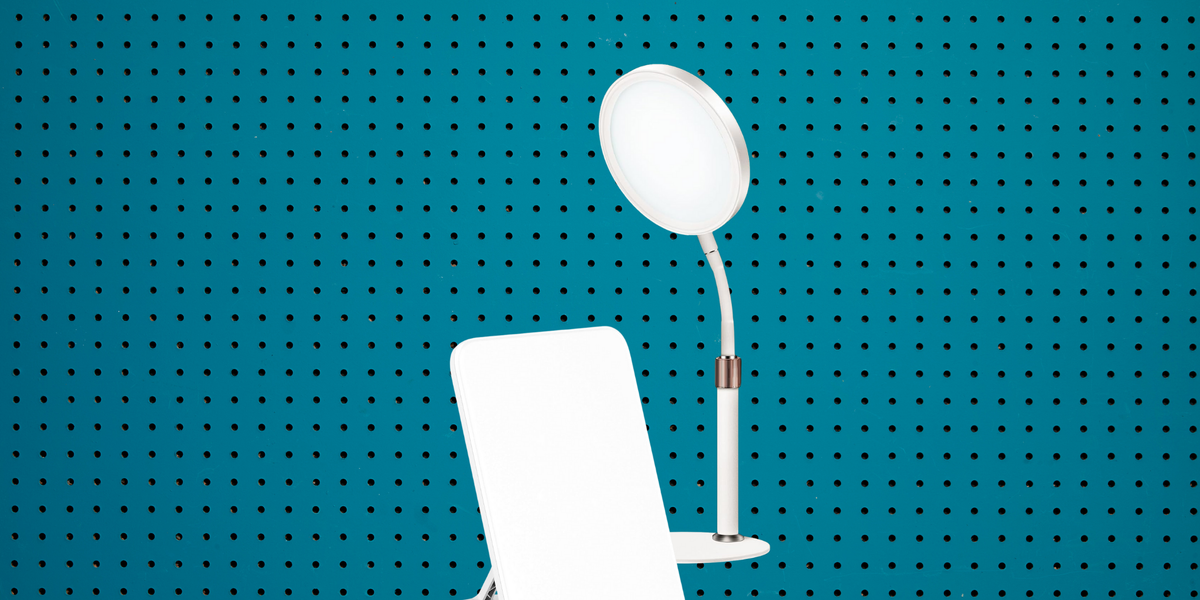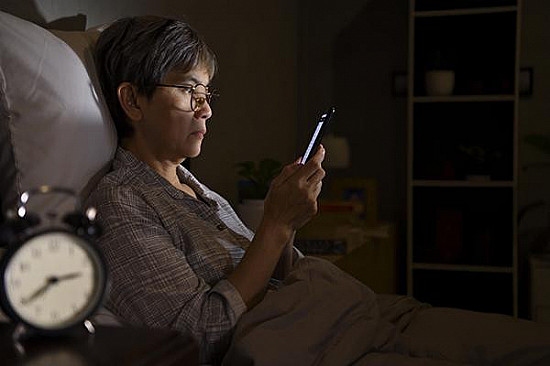
For years, the bedtime villain was obvious: too much coffee, too many emails, and the mysterious ability of one phone notification to turn into a 47-minute scroll. But Harvard Health has brought another suspect into the lineup: nighttime light exposure. That soft glow from the TV, the streetlight sneaking through the blinds, the phone charging beside your pillow like a tiny electronic campfirenone of it looks dramatic. Yet research suggests that too much light at night may be linked to a higher risk of heart disease.
The idea sounds almost too simple. Can light really bother the heart? The short answer is: it may, especially when it repeatedly interrupts the body’s natural dark-night rhythm. Your heart is not just a pump with excellent work ethic. It listens to hormones, nerves, blood pressure patterns, sleep quality, metabolism, and the body’s internal clock. When nighttime light confuses that clock, the heart may end up working under conditions it did not sign up for.
This article explains what the research says, why the connection matters, and how to make your bedroom more heart-friendly without turning your life into a cave-dwelling experiment. Spoiler: you do not need to throw your phone into the ocean. You may, however, want to stop letting it shine directly into your eyeballs at midnight.
What Harvard Health Reported About Nighttime Light and Heart Disease
Harvard Health highlighted research showing that people with the highest levels of nighttime light exposure had a greater risk of several cardiovascular problems, including coronary artery disease, heart attack, heart failure, stroke, and atrial fibrillation. The underlying study followed more than 88,000 adults over several years and used wearable light sensors rather than relying only on memory-based questionnaires. That matters because people are not always great at estimating how much light surrounds them at night. Most of us barely remember where we put our keys, never mind the exact brightness of the bedroom at 2:14 a.m.
The study did not prove that light at night directly causes heart disease. It found an association. That distinction is important. People exposed to more nighttime light may also live in busier urban areas, work irregular schedules, have more stress, or face other health risks. Still, the link remained notable even after researchers accounted for many established cardiovascular risk factors.
Why Darkness Matters to the Body
Human biology evolved around a fairly predictable pattern: daylight meant activity, darkness meant rest. Then came electricity, screens, neon signs, 24-hour supermarkets, and bedside lamps shaped like mushrooms. Modern life is convenient, but our internal clock still responds strongly to light and darkness.
The body’s circadian rhythm is a roughly 24-hour timing system that helps regulate sleep, body temperature, hormone release, digestion, blood pressure, alertness, and metabolism. Light is one of the strongest signals for this rhythm. Morning light helps the brain understand that the day has begun. Darkness at night tells the body to prepare for sleep and recovery.
When bright or persistent light appears at night, the brain may interpret it as a mistimed daytime signal. That can delay or reduce melatonin release, increase alertness, fragment sleep, and shift the body away from its usual nighttime repair mode. In simple terms, your body is trying to run the “night shift” while your environment keeps flipping on the “day shift” sign.
How Nighttime Light May Affect the Heart
1. It May Disrupt the Circadian Rhythm
The heart follows daily rhythms. Blood pressure, heart rate, vascular function, and clotting activity all fluctuate across the day and night. During healthy sleep, heart rate and blood pressure usually dip, giving the cardiovascular system a needed break. When sleep is disturbed or circadian timing is thrown off, that nightly dip may be weakened.
Over time, poor circadian alignment may contribute to higher blood pressure, worse glucose control, inflammation, and changes in the autonomic nervous system. These are not small background issues. They are part of the same neighborhood where cardiovascular disease likes to move in, unpack boxes, and lower the property value.
2. It Can Increase Nighttime Alertness
Light tells the brain to be awake. That is helpful at breakfast. It is less helpful when you are trying to sleep and your ceiling looks like it is hosting a low-budget sunrise. Even moderate light exposure during sleep has been linked in laboratory research to higher heart rate and reduced next-morning insulin sensitivity. This suggests that light can keep the body more activated when it should be resting.
A heart that remains more stimulated during sleep may lose some of the benefits of deep rest. One bright night will not ruin your health. But repeated exposure, especially in people already at risk for heart disease, may add another strain to the system.
3. It May Interfere With Metabolism
Heart health and metabolic health are deeply connected. Insulin resistance, obesity, diabetes, and high blood pressure all raise cardiovascular risk. Studies have found associations between light during sleep and cardiometabolic problems such as obesity, hypertension, and diabetes, particularly in older adults.
This does not mean a nightlight is secretly a cheeseburger. But nighttime light may influence the hormonal and nervous-system patterns that help regulate appetite, glucose, and energy use. When sleep is poor and the circadian clock is confused, the body may become less efficient at handling metabolic tasks.
4. It May Reduce Sleep Quality
Poor sleep is already recognized as a heart-health concern. The American Heart Association includes sleep as part of its “Life’s Essential 8” for cardiovascular health, alongside familiar habits such as eating well, staying active, managing blood pressure, avoiding nicotine, and controlling cholesterol and blood sugar.
Adults generally need seven to nine hours of quality sleep. Chronic short sleep or broken sleep is linked with higher risks of high blood pressure, heart disease, stroke, diabetes, and obesity. If nighttime light makes it harder to fall asleep, stay asleep, or reach deeper sleep stages, it may indirectly affect the heart by weakening one of the body’s most basic recovery systems.
Common Sources of Nighttime Light Exposure
Nighttime light does not always come from one obvious source. Sometimes it is a whole committee of tiny glows working together like a very boring villain team.
Bedroom Electronics
Phones, tablets, smartwatches, laptops, chargers, alarm clocks, and televisions can all contribute to nighttime light. The issue is not only brightness. Timing matters too. Light exposure close to bedtime may delay sleep, while light during sleep may keep the body more alert than it should be.
Outdoor Light Pollution
Streetlights, car headlights, illuminated signs, security lights, and neighbors with stadium-level porch lighting can leak into bedrooms. Urban environments often make darkness harder to achieve, especially for people who live near roads, commercial areas, or apartment complexes.
Bathroom and Hallway Lights
Nighttime awakenings are normal, especially for older adults. The problem comes when every trip to the bathroom becomes a full interrogation-room experience. Bright overhead lighting in the middle of the night can send a strong wake-up signal to the brain.
Shift Work and Irregular Schedules
People who work nights, rotate shifts, or sleep during daylight hours often face more circadian disruption. They may need light at night for safety and alertness, but they also need strategies to protect sleep afterward. For shift workers, controlling light exposure is not a luxury; it is part of basic recovery.
Does Blue Light Deserve All the Blame?
Blue light often gets treated like the celebrity criminal of sleep health. It does matter because short-wavelength light can be especially powerful at affecting melatonin and alertness. But the bigger picture is broader: brightness, timing, duration, distance from the eyes, and individual sensitivity all matter.
A bright white bathroom light at midnight may be more disruptive than a dim, warm lamp across the room. A phone six inches from your face can be more stimulating than a low nightlight near the floor. Instead of obsessing over one color, think in practical terms: darker, dimmer, warmer, lower, and earlier.
Who Should Pay Extra Attention?
Everyone benefits from healthier sleep habits, but some groups may want to be especially careful about nighttime light exposure.
People with high blood pressure, diabetes, obesity, sleep apnea, atrial fibrillation, coronary artery disease, or a family history of heart disease may have less room for avoidable sleep disruption. Older adults may also be more vulnerable because sleep becomes lighter with age and nighttime awakenings become more common.
Shift workers, new parents, caregivers, students with late-night study habits, and people living in bright urban areas may also need specific light-control strategies. The goal is not perfection. The goal is to reduce unnecessary exposure and create a stronger contrast between daytime brightness and nighttime darkness.
How to Reduce Nighttime Light Exposure
Make the Bedroom Darker
Start with the obvious: block outside light. Blackout curtains, heavier blinds, or even a well-placed curtain liner can make a noticeable difference. If light leaks around the edges, use clips, side tracks, or a simple draft blocker. Your bedroom does not need to look like a movie theater, but it should not resemble a convenience store freezer aisle either.
Remove or Cover Small Lights
Look around your room after turning the lights off. You may discover tiny LEDs glowing from chargers, power strips, speakers, routers, clocks, and electronics you forgot existed. Cover unnecessary lights with tape, move devices away from the bed, or unplug what you do not need overnight.
Keep Screens Out of the Final Wind-Down Window
Try reducing screen use during the last 30 to 60 minutes before bed. If that sounds impossible, use night mode, lower brightness, increase text size, and keep the device farther from your face. Also, avoid emotionally charged content before sleep. A dark screen is good; a dark screen showing stressful news, dramatic arguments, or “just one more episode” is still a sleep thief wearing pajamas.
Use Warm, Low Lighting at Night
If you need light for safety, choose dim, warm-toned lighting placed low to the ground. Motion-activated nightlights can help prevent falls without flooding the room. For bathroom trips, avoid bright overhead lights when possible. A small warm nightlight can be enough.
Get Bright Light During the Day
Reducing nighttime light works best when paired with healthy daytime light. Morning daylight helps anchor the circadian rhythm. Open curtains after waking, spend a little time outside, or sit near a bright window. Daylight tells the body, “This is daytime.” Darkness later tells it, “Now please stop acting like a caffeinated squirrel.”
Protect Sleep if You Work Nights
For night-shift workers, the advice must be realistic. You may need bright light during work hours to stay alert and safe. After the shift, consider wearing sunglasses on the way home, keeping the bedroom cool and dark, silencing notifications, and using blackout curtains. The aim is to create a dependable “night” for your body, even if the clock says morning.
What This Research Does Not Mean
This research does not mean that turning on a hallway light once will damage your heart. It does not mean every nightlight is dangerous. It does not mean you should walk through a dark house and trip over the laundry basket in the name of wellness. Safety still matters.
The better takeaway is that nighttime light exposure is one more modifiable factor. Like salt intake, physical activity, stress, and sleep duration, it is part of a larger heart-health picture. You do not have to fix everything at once. Small environmental changes can reduce unnecessary light and support better rest.
Practical Example: A Heart-Friendly Night Routine
Imagine a typical evening. At 9:30 p.m., you dim the main lights and switch to a warm lamp. At 10:00, you put your phone on the dresser instead of beside your pillow. At 10:15, you close blackout curtains and cover the bright alarm clock display. If you wake during the night, a low motion nightlight guides you safely without turning the room into a dental office.
In the morning, you open the curtains, step outside for a few minutes, or get daylight near a window. This simple rhythmbright days and dark nightshelps your body understand time again. It is not glamorous. No one will make a superhero movie about closing blinds. But your cardiovascular system may appreciate the consistency.
Experiences Related to Nighttime Light Exposure and Heart Health
Many people do not notice nighttime light until they try removing it. A common experience goes like this: someone sleeps with a TV on for years and insists it does not bother them. Then they travel, stay in a darker hotel room, and wake up shocked that they slept more deeply. Suddenly the bedroom TV looks less like a comfort object and more like a chatty roommate who never pays rent.
Another familiar example is the phone-on-the-nightstand habit. The person goes to bed at a reasonable time, but the screen remains within reach. One harmless glance becomes checking messages, then weather, then headlines, then a video of a raccoon stealing cat food. By the time the phone goes down, the brain has received light, stimulation, and emotional noise. The body may be in bed, but the nervous system is still attending a tiny digital circus.
People living in cities often face a different challenge. They may do everything “right” indoors, yet streetlights or building lights pour through the window. In these cases, blackout curtains can feel surprisingly powerful. Some people describe the first night in a darker room as calmer, quieter, and more complete. They may wake less often or feel less groggy. That does not prove their heart risk changed overnight, but it shows how much the sleep environment can matter.
Parents and caregivers may have another experience: needing light for safety. A parent checking on a child, or an adult caring for an older family member, cannot always keep the home completely dark. The practical solution is not total darkness at all costs. It is targeted light. A dim, warm, low-level lamp can provide enough visibility without blasting the brain with a daytime signal. In real life, healthy habits must survive contact with stairs, pets, children, and the mysterious toy car left in the hallway.
Shift workers often have the hardest version of this problem. Nurses, security staff, factory workers, drivers, and emergency responders may spend nights under bright artificial light and try to sleep when the sun is up. For them, light management can become a serious health tool. Dark curtains, consistent sleep timing, reduced morning light after work, and protected daytime sleep can help create a stronger recovery window. It may not be perfect, but it can reduce the feeling of living permanently out of sync.
Some people also discover that reducing nighttime light changes their evening behavior. When the lights are dimmer, the house naturally feels quieter. Conversations become calmer. Snacks may become less automatic. The body starts receiving cues that the day is ending. That wind-down period can make sleep feel less like flipping a switch and more like landing a planeideally without turbulence, announcements, or someone reclining into your knees.
The most useful lesson from these experiences is simple: the bedroom environment is part of health. We often think of heart health as something that happens in the kitchen, gym, or doctor’s office. But it also happens at night, in the quiet hours when blood pressure should fall, the brain should rest, and the body should repair. Darkness is not magic medicine, but it is a biological signal humans are built to understand.
Conclusion
Nighttime light exposure linked to heart disease is not a fringe idea or a wellness trend wearing expensive pajamas. It is a serious research topic with growing evidence behind it. Harvard Health’s report and related studies suggest that brighter nights may be associated with higher risks of coronary artery disease, heart attack, heart failure, stroke, and atrial fibrillation.
The science is still developing, and association does not equal guaranteed causation. Still, the practical advice is low-risk and sensible: keep nights darker, days brighter, screens lower and earlier, and bedroom light as gentle as possible. Your heart does plenty for you all day. Giving it a darker, calmer night is a small way to return the favor.
Note: This article is for general educational purposes only and does not replace medical advice. People with heart disease, sleep disorders, high blood pressure, diabetes, or symptoms such as chest pain, shortness of breath, fainting, or irregular heartbeat should speak with a qualified health professional.