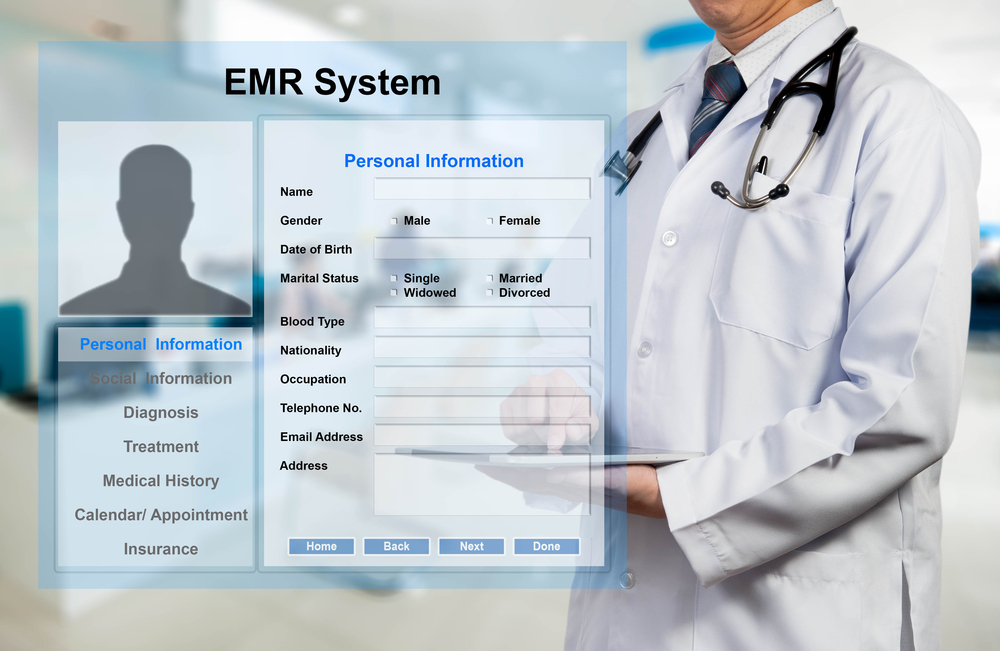
Medical documentation is supposed to tell the story of a patient’s care. Too often, it tells the story of billing rules, insurance hurdles, compliance checkboxes, and exhausted doctors typing at 10:47 p.m. in sweatpants.
The Modern Doctor’s Second Job: Professional Typist
Physicians enter medicine to diagnose illness, comfort families, explain confusing symptoms, prevent disease, and occasionally remind patients that “Dr. Google” did not, in fact, attend medical school. Yet a large share of a doctor’s day is spent not with patients, but with documentation: clinical notes, billing codes, quality measures, prior authorization forms, inbox messages, medication renewals, referral paperwork, and electronic health record clicks that multiply like rabbits with Wi-Fi.
Some documentation is essential. A clear medical record helps clinicians understand what happened, why it happened, what was ruled out, what treatment was chosen, and what needs follow-up. Good documentation can prevent medication errors, improve handoffs, and support safer care. Nobody is arguing for medicine by sticky note.
The problem is that much of today’s physician documentation does not primarily serve patients. It serves payment systems, legal defense, regulatory requirements, insurance review, institutional measurement, and software workflows. The patient may be the reason for the visit, but the chart often feels like it was written for everyone except the person sitting on the exam table.
Why Physician Documentation Became So Bloated
The electronic health record, or EHR, was supposed to make care cleaner, faster, and more connected. In some ways, it has helped. A physician can see lab trends, medication lists, imaging results, allergy warnings, and notes from other specialists without excavating a paper chart from a basement archive guarded by dust and regret.
But the EHR also changed documentation from a clinical tool into a giant administrative container. The note is no longer just a note. It is a billing document, a compliance record, a quality-reporting device, a legal shield, a communication channel, a task list, and sometimes a digital junk drawer. When one document tries to satisfy everyone, it often satisfies no one particularly well.
Billing Rules Push Doctors to Write More Than Patients Need
For years, evaluation and management billing rules encouraged lengthy documentation. Physicians learned that if a detail might support a code, it belonged in the note. Review of systems? Add it. Physical exam bullets? Add them. Medical decision-making language? Add that too. Before long, the patient’s actual story was buried under copy-forward text and billing-friendly phrases.
This is how “note bloat” happens. A simple follow-up visit for high blood pressure can produce a note longer than a short story. Somewhere inside is the key clinical truth: the patient’s blood pressure is improving, the medication is tolerated, and follow-up is needed. Around it are layers of templated material that may be technically useful for billing, but not especially helpful for care.
Quality Reporting Often Measures What Is Easy, Not What Matters
Quality measurement began with good intentions. Healthcare should be accountable. Patients deserve safe, evidence-based, coordinated care. But when quality programs multiply, physicians can spend huge amounts of time documenting whether a box was checked rather than doing the work that actually improves outcomes.
For example, a primary care doctor may need to document smoking status, depression screening, immunization review, medication reconciliation, fall risk, chronic disease metrics, and preventive counseling. These can be useful when tied to thoughtful care. But when the system rewards documentation of the activity more than the quality of the conversation, the visit can start to feel like a scavenger hunt with a copay.
The Documentation Burden Is Not Just Annoying. It Changes Care.
Administrative work is often treated as the background noise of medicine. But documentation burden is not harmless static. It changes how physicians spend time, how patients experience visits, and how safely information moves through the healthcare system.
A national study of U.S. office-based physicians found that most respondents felt documentation time was inappropriate and reduced time with patients. A very large majority also agreed that documentation performed solely for billing increased total documentation time. That finding captures the frustration perfectly: the extra writing is not always there because the patient needs it; it is there because the system demands it.
Less Eye Contact, More Screen Contact
Patients notice when doctors spend the visit staring at a screen. The physician may be listening carefully, but the body language says, “I am currently in a committed relationship with this keyboard.” That can weaken trust, especially when patients are discussing pain, fear, grief, or embarrassing symptoms.
To be fair, physicians are not ignoring patients for fun. They are trying to capture information before the next patient, the next portal message, and the next refill request arrive. Still, when documentation crowds the room, the patient can feel like a third wheel at their own appointment.
Important Clinical Work Gets Crowded Out
Documentation also competes with other high-value tasks. When physicians spend more time typing, they may have less time to review outside records, reconcile complex medication lists, call a specialist, check a concerning trend, or explain a diagnosis in plain English. These activities are often more meaningful to patient care than polishing a templated paragraph.
This is one of the great ironies of modern healthcare: doctors may document so much about care that they have less time to deliver care. It is like spending so long writing a restaurant review that the food gets cold.
“Pajama Time” and Physician Burnout
Physicians have a darkly funny term for after-hours charting: “pajama time.” It refers to the work doctors do at night after clinic, after dinner, after the kids are asleep, when the house is quiet and the EHR is still very much awake.
Recent AMA reporting shows that many physicians continue to spend substantial time on EHR and administrative work outside normal hours. That includes documentation, order entry, test interpretation, referrals, prior authorization, inbox management, and insurance forms. In other words, the workday may end on paper, but the paperwork does not end with the workday.
Burnout Is a System Problem, Not a Character Flaw
Physician burnout is often discussed as if doctors simply need more yoga, deeper breathing, or a gratitude journal with a tasteful linen cover. Personal resilience matters, but burnout is strongly shaped by workflow, staffing, technology design, productivity pressure, and administrative burden.
When highly trained professionals spend too much time on low-value clerical work, morale drops. Doctors may feel they are failing patients even while working longer and harder. That emotional mismatch is exhausting: the physician wants to heal, but the system keeps handing them another form.
Burnout also affects patients. Tired, rushed, demoralized clinicians are more likely to leave practice, reduce hours, or struggle with the cognitive load required for excellent care. A burned-out physician can still be compassionate and skilled, but no healthcare system should rely on heroism as an operating model.
What Documentation Actually Helps Patients?
The answer is not “less documentation” in every case. The answer is better documentation: shorter where possible, clearer where needed, and centered on clinical value.
Useful Documentation Tells the Clinical Story
A patient-centered note explains the reason for the visit, the relevant history, the clinician’s assessment, the plan, and the follow-up. It highlights uncertainty. It records medication changes. It flags red symptoms. It clarifies who is responsible for what. It should help the next clinician quickly understand the patient, not force them to scroll through a digital swamp.
Useful Documentation Supports Safety
Documentation helps patients when it prevents mistakes. A clear allergy history, accurate medication list, recent hospital discharge summary, abnormal lab follow-up plan, or surgical risk discussion can make a real difference. In complex care, good notes are not bureaucracy; they are guardrails.
Useful Documentation Improves Communication
Doctors, nurses, pharmacists, therapists, care managers, and specialists all rely on shared information. A concise note can coordinate a team. A bloated note can bury the signal under 14 screens of noise. The best documentation is not the longest documentation. It is the documentation that makes the next right action easier.
What Documentation Does Not Help Patients?
Low-value documentation usually has a few recognizable symptoms. It is repetitive. It exists mainly to satisfy billing or compliance rules. It is copied forward without being updated. It contains irrelevant negatives. It makes the physician look busy but leaves the next clinician confused.
Copy-Forward Clutter
Copy-forward tools can save time, but they can also preserve outdated information. A patient’s note may say “no chest pain” for three visits in a row because the phrase was copied, not because the question was meaningfully addressed every time. This creates a dangerous illusion of completeness.
Template Overload
Templates can standardize care, but excessive templates can produce notes that all sound the same. The patient’s individual story gets flattened into dropdowns and boilerplate. The physician may spend more energy feeding the template than thinking about the person.
Documentation for Insurance Permission
Prior authorization is one of the clearest examples of documentation that often delays care rather than improves it. Physicians and staff may spend time proving that a patient needs a medication, scan, procedure, or therapy that the clinician already determined was medically appropriate. Sometimes review is necessary; often it feels like asking a locked door to please consider becoming a hallway.
How Healthcare Can Fix the Documentation Problem
Reducing unnecessary physician documentation requires more than telling doctors to type faster. The burden was created by systems, so the solution has to be systemic.
1. Remove Requirements That Do Not Improve Care
CMS and professional organizations have already pushed initiatives such as Patients Over Paperwork and Patients Before Paperwork. The basic principle is simple: if a documentation requirement does not improve patient care, safety, coordination, accountability, or meaningful payment accuracy, it should be questioned. Healthcare should not preserve paperwork just because it has always been there.
2. Redesign EHR Workflows Around Humans
Many EHR frustrations are design problems. Too many clicks, too many alerts, too many required fields, and too little interoperability turn clinical work into digital obstacle racing. Better EHR design should help doctors find, enter, and share information quickly. The goal should be fewer clicks and clearer thinking, not prettier screens with the same old maze underneath.
3. Use Team-Based Documentation
Documentation does not always need to sit entirely on the physician’s shoulders. Medical assistants, nurses, pharmacists, scribes, and care coordinators can help gather histories, update medication lists, handle routine messages, prepare charts, and document parts of care within their scope. Team-based care lets physicians focus on diagnosis, decision-making, and complex communication.
4. Pay for Care, Not Just Coding Acrobatics
Payment models shape documentation. Fee-for-service systems often reward volume and coding precision, which can encourage extra administrative work. Models that support primary care, longer visits, care coordination, and outcomes may reduce the pressure to document every tiny detail for reimbursement survival.
5. Use AI Carefully, Not Magically
Ambient AI documentation tools are gaining attention because they can listen to patient-physician conversations, draft clinical notes, and reduce typing time. Early studies and health system reports suggest these tools may reduce burnout and improve physician satisfaction. That is promising.
But AI is not a fairy godmother wearing a stethoscope. Notes still need physician review. Privacy, consent, accuracy, bias, and data security matter. AI should reduce low-value clerical labor while preserving human judgment. The goal is not to automate the doctor out of the room; it is to bring the doctor back into the room.
Experience From the Exam Room: What the Documentation Burden Feels Like
Imagine a typical primary care visit. A patient comes in with fatigue, poor sleep, knee pain, and a blood pressure reading that looks like it just heard bad news. The physician has 15 or 20 minutes. In that time, they need to listen, ask careful questions, review medications, check recent labs, consider depression, screen for sleep apnea, examine the knee, adjust blood pressure treatment, explain side effects, decide whether imaging is needed, update preventive care, and make sure the patient understands the plan.
Now add the documentation layer. The physician must capture the history, exam, assessment, plan, medication changes, counseling, orders, follow-up instructions, and billing support. They may need to document why a medication is appropriate, why another was not chosen, why the patient needs physical therapy, or why a test should be covered. They also need to answer a portal message from another patient asking whether a rash is “normal,” while a pharmacy requests clarification on a prescription and an insurance company wants more information before approving a drug the patient has already been taking successfully.
None of this means the physician dislikes documentation. Many doctors value a well-written note. A good note is a professional courtesy. It says to the next clinician, “Here is what I saw, what I thought, what I did, and what still worries me.” That kind of documentation helps patients enormously. The frustration comes from the extra layers that do not add clarity. It is the checkbox that interrupts a serious conversation. It is the duplicate field that already exists elsewhere in the chart. It is the copied paragraph that nobody reads but everyone is afraid to delete. It is the insurance form asking for information that was already submitted last Tuesday, possibly into a fax machine that should be in a museum.
Patients experience the burden too, even when they never see the paperwork. They feel it when appointments are shorter. They feel it when the doctor looks exhausted. They feel it when a prescription is delayed because a prior authorization is pending. They feel it when a specialist cannot quickly find the important part of a 5,000-word note. They feel it when their physician leaves practice or cuts back hours because the job has become unsustainable.
The best clinical experiences happen when documentation supports the visit instead of hijacking it. Patients can tell the difference. In a better-designed system, the doctor faces the patient, not the monitor. The note writes itself partly through team support, smarter tools, and simpler requirements. The physician confirms the plan, edits what matters, and moves on with enough energy left to think deeply about the next person. That is not a fantasy. It is a design choice. Healthcare built the paperwork mountain, which means healthcare can also bring a shovel.
Conclusion: Put Patients Back at the Center of the Chart
Most physician documentation should have one central purpose: helping patients get safer, clearer, more coordinated care. When documentation supports that purpose, it is valuable. When it mainly satisfies billing rituals, insurance barriers, redundant reporting, or defensive chart padding, it becomes a tax on attention.
The documentation crisis is not about lazy doctors or careless systems alone. It is the predictable result of layering payment rules, compliance expectations, quality programs, technology limitations, and legal anxiety onto the clinical encounter. The result is a healthcare environment where physicians can spend hours documenting care instead of delivering it.
The path forward is practical: remove unnecessary requirements, simplify billing documentation, redesign EHR workflows, expand team-based care, use AI responsibly, and measure success by whether patients and clinicians actually benefit. The medical record should be a useful map, not a landfill with timestamps.
Patients deserve doctors who can listen without racing the clock. Doctors deserve tools that help them care instead of turning them into data-entry monks. And healthcare deserves a documentation culture brave enough to ask: “Does this help the patient?” If the answer is no, maybe it is time to stop typing.