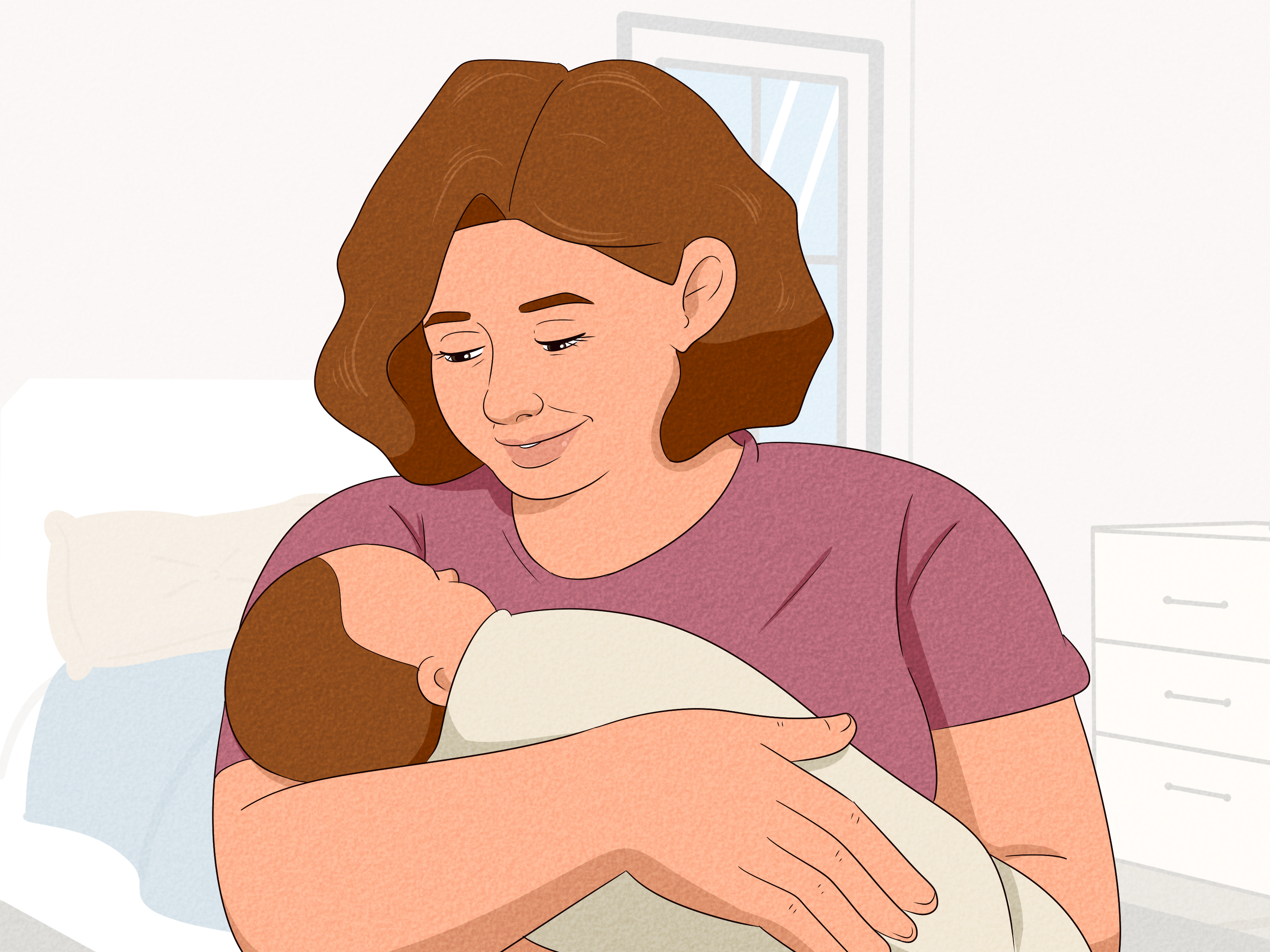
Having a baby at 40 can invite a surprising amount of commentary from people who are not carrying the pregnancy, paying the bills, waking up at 3 a.m., or assembling the crib with instructions that appear to have been translated by a raccoon. Some people will cheer. Some will worry. A few will act as though your 40th birthday came with a large red stamp that says, “Too late.”
So, is it selfish to have a baby at 40? In most cases, no. Wanting to become a parent at 40 is not automatically selfish, reckless, or unfair to a child. Parenthood is not graded on age alone. It depends on health, emotional readiness, support, financial planning, relationship stability, and the willingness to put a child’s needs at the center of your life.
That said, having a baby at 40 does come with real medical, emotional, and practical considerations. The answer is not “ignore the risks and buy tiny socks immediately.” It is also not “panic because the internet said advanced maternal age in a dramatic font.” The truth sits somewhere in the responsible middle: pregnancy after 40 can be healthy and deeply rewarding, but it deserves thoughtful planning.
Why More People Are Having Babies Later in Life
Having a baby at 40 is far less unusual than it used to be. In the United States, birth rates among women in their late 30s and early 40s have risen over the past few decades, while teen birth rates have dropped sharply. Many people are delaying parenthood because of education, careers, financial pressure, later marriage, fertility treatment options, housing costs, and the simple fact that life does not always follow a neat little checklist.
For some, age 40 is the first time parenthood feels possible. They may finally have a stable partner, a healthier relationship with themselves, better income, or the emotional maturity they did not have at 27. Others may be trying again after infertility, pregnancy loss, divorce, or years of waiting for the right circumstances. Some choose single parenthood by choice. Some use IVF, donor eggs, frozen embryos, or adoption. Families are not one-size-fits-all, and frankly, neither are maternity jeans.
Is It Selfish to Want a Baby at 40?
The word “selfish” is emotionally loaded. It suggests that the parent is thinking only of themselves and ignoring the child’s future. But wanting a child is always personal. A 25-year-old may want a baby for emotional reasons, and so may a 40-year-old. The real question is not “How old are you?” but “Are you prepared to care for this child with love, stability, and responsibility?”
It may be selfish to have a child at any age if someone is unwilling to provide care, safety, patience, and long-term support. But a thoughtful 40-year-old who has considered health, finances, childcare, energy, guardianship, and emotional readiness is not selfish simply because of age.
Age Alone Does Not Decide Good Parenting
Children need consistent love, safe housing, medical care, emotional security, guidance, and adults who can apologize when they lose their cool over spilled applesauce. None of these requirements vanish or appear based solely on a birthday. Many older parents bring patience, perspective, career stability, and a clearer sense of priorities. They may be less tempted to chase every social event and more willing to spend Saturday morning watching a toddler put stickers on a dog-shaped lamp.
Of course, older parenthood can also mean less physical energy, concerns about long-term health, and a smaller window for having more children. These are real issues, not moral failures. Responsible planning matters more than guilt.
Medical Facts About Having a Baby at 40
Pregnancy after 40 is often described as “advanced maternal age.” Some people dislike the phrase, and understandably so. It sounds as if the uterus just received a senior discount. In medical terms, however, it simply means pregnancy at 35 or older, with some risks becoming more noticeable after 40.
Many people over 40 have healthy pregnancies and healthy babies. Still, doctors usually monitor these pregnancies more closely because certain risks increase with age. These may include miscarriage, chromosomal abnormalities, gestational diabetes, high blood pressure, preeclampsia, placenta complications, cesarean delivery, preterm birth, and stillbirth. The risk does not mean something bad will happen; it means prenatal care should be proactive.
Fertility Declines With Age
One of the biggest challenges of trying to have a baby at 40 is getting pregnant in the first place. Egg quantity and egg quality decline with age, especially after the late 30s. This can make conception take longer and can increase the chance of miscarriage. Some people conceive naturally at 40, while others need fertility support.
If you are 40 or older and trying to conceive, many doctors recommend seeking a fertility evaluation sooner rather than waiting a full year. A reproductive endocrinologist can check ovarian reserve, hormone levels, fallopian tube health, sperm factors, and other issues that may affect the odds of pregnancy.
IVF Can Help, But It Is Not Magic
In vitro fertilization, or IVF, can be a powerful option, but success rates still depend heavily on age and egg quality. IVF using a person’s own eggs tends to become less successful after 40. Donor eggs from a younger donor often improve the chance of pregnancy because egg age matters more than uterine age for many fertility outcomes.
This does not mean IVF is hopeless after 40. It means expectations should be realistic. IVF can be physically, emotionally, and financially demanding. It may involve multiple cycles, difficult decisions, and a level of scheduling that makes your calendar look like it joined the military. Honest counseling with a fertility specialist can help you choose the best path.
Pregnancy Risks After 40: What to Watch For
A pregnancy at 40 may involve more appointments, screenings, and monitoring. That is not necessarily bad. Think of it as having more eyes on the project. If pregnancy were a group assignment, you would absolutely want the detail-oriented person checking the spreadsheet.
Gestational Diabetes and Blood Pressure
Gestational diabetes is more common with increasing maternal age. It happens when blood sugar becomes elevated during pregnancy. With screening, nutrition guidance, exercise, and sometimes medication, many people manage it well and go on to have healthy babies.
High blood pressure and preeclampsia are also more common in pregnancies after 40. Preeclampsia can be serious, so regular prenatal visits are essential. Your provider may recommend blood pressure monitoring, urine testing, bloodwork, ultrasound checks, or low-dose aspirin if appropriate for your risk profile.
Chromosomal Conditions and Screening
The chance of chromosomal conditions, such as Down syndrome, increases with maternal age. This is one reason prenatal screening and diagnostic testing are commonly discussed with pregnant patients over 35. Options may include noninvasive prenatal testing, detailed ultrasound, chorionic villus sampling, or amniocentesis. These tests are personal decisions, and the right choice depends on your values, medical history, and how much information you want during pregnancy.
Delivery Considerations
People over 40 may have a higher chance of cesarean birth, induction, or pregnancy complications that require closer delivery planning. However, many still have vaginal births. Your provider will consider your health, the baby’s growth, placenta position, blood pressure, diabetes status, prior births, and other factors.
The best delivery plan is not the one that wins internet debates. It is the one that keeps parent and baby as safe as possible.
The Emotional Side of Having a Baby at 40
Medical facts matter, but they are not the whole story. The emotional side of having a baby at 40 can be complicated. You may feel joy, fear, gratitude, pressure, and a strange urge to calculate how old you will be at kindergarten graduation, high school graduation, and every future birthday party involving a trampoline.
Some people worry they will be mistaken for the grandparent. Others worry about being older when their child becomes an adult. These concerns are valid. They are also not automatic reasons to avoid parenthood.
Older Parents Often Bring Strengths
Research on older parenthood suggests that many older parents report feeling more emotionally prepared, patient, and intentional. They may have stronger problem-solving skills, more financial stability, and a clearer sense of what matters. A parent who has lived through career changes, heartbreak, medical scares, family drama, and at least one truly terrible haircut may bring useful perspective to raising a child.
Older parents may also be more likely to advocate for their child, ask questions at medical appointments, and create structured routines. They often know themselves better, which can help them parent with more confidence and less panic.
But Energy and Support Matter
Let’s be honest: babies are adorable, but they operate like tiny nightclub managers. They keep strange hours, make loud demands, and do not care whether you have a meeting tomorrow. At 40, sleep deprivation can hit differently than it did at 25.
This is why support matters. A partner, relatives, trusted friends, paid childcare, parent groups, postpartum care, and backup plans can make a major difference. No parent should have to do everything alone, and older parents may especially benefit from building a strong village before the baby arrives.
Practical Questions to Ask Before Having a Baby at 40
Having a baby at 40 is not selfish when it is approached with care. A practical self-check can help separate fear from reality.
1. How Is Your Health?
A preconception visit is a smart first step. Ask your doctor about blood pressure, blood sugar, weight, medications, thyroid function, vaccinations, genetic carrier screening, and any chronic conditions. If you take prescription medicine, do not stop it without medical advice. Some medications need adjusting before pregnancy, while others are safer to continue than to discontinue.
2. What Is Your Support System?
Who can help after delivery? Who can drive you to appointments if needed? Who can show up with soup, diapers, or a nonjudgmental face when everyone in the house has cried before breakfast? Support is not a luxury. It is part of responsible parenting.
3. Are Your Finances Ready Enough?
You do not need to be rich to be a wonderful parent. Children need love more than luxury strollers with suspension systems. But childcare, health insurance, diapers, formula, medical bills, parental leave, and education costs are real. A realistic budget can reduce stress later.
4. Have You Planned for the Long Term?
Older parents should think about wills, life insurance, guardianship, emergency contacts, and retirement planning. These topics are not fun, but neither is discovering at midnight that the baby monitor requires a software update. Responsible planning protects the child.
5. Are You Emotionally Ready for Uncertainty?
Trying to conceive at 40 may take longer. Fertility treatment may not work. Pregnancy may involve more monitoring. Parenting may be joyful and exhausting at the same time. Emotional flexibility is essential.
What About the Child’s Perspective?
A common argument is that having a baby at 40 is unfair because the child will have older parents. This concern deserves a thoughtful answer. Yes, a child born to a 40-year-old will have parents who are 58 when the child turns 18 and around 62 at college graduation age. That reality should be considered.
However, younger parents are not guaranteed long lives, perfect health, financial stability, or emotional maturity. Older parents are not automatically frail, unavailable, or out of touch. A child’s well-being depends on the quality of parenting, family stability, community support, and long-term planning.
The best gift an older parent can give a child is not pretending age does not matter. It is planning wisely because it does.
How to Prepare for a Healthy Pregnancy at 40
If you are considering pregnancy at 40, preparation can improve your chances of a healthy experience.
Schedule a Preconception Appointment
Talk with an OB-GYN, midwife, or maternal-fetal medicine specialist before trying to conceive. Review your health history, medications, family history, prior pregnancies, and lifestyle habits. Ask whether you should start a prenatal vitamin with folic acid, update vaccines, adjust medications, or complete screening tests.
Consider Fertility Testing Early
At 40, time matters. If you want to conceive, early fertility evaluation can help you avoid months of guessing. Testing does not force you into treatment; it gives you information. Information is useful, especially when your ovaries are not sending calendar invites.
Build Healthy Habits
Healthy habits cannot erase age-related risks, but they can support pregnancy. Focus on balanced meals, regular movement, quality sleep when possible, stress management, avoiding smoking, limiting alcohol before pregnancy, and managing chronic conditions. If you have diabetes, hypertension, thyroid disease, autoimmune conditions, or obesity, medical guidance before pregnancy is especially important.
Prepare Emotionally
Talk honestly with your partner, support person, therapist, or trusted friend. Discuss fears, expectations, division of labor, childcare, sleep plans, and what you will do if pregnancy takes longer than expected. A baby will test even strong relationships, so it helps to build communication muscles early.
When Having a Baby at 40 May Be Unwise
Although having a baby at 40 is not automatically selfish, there are times when waiting, reconsidering, or choosing another path may be healthier. If pregnancy would seriously endanger your life, if you feel pressured into parenthood, if your relationship is unsafe, if you lack any reliable support, or if you are hoping a baby will fix emotional pain or save a partnership, it may be time to pause.
A child should not be assigned a job before birth. Babies cannot heal a broken relationship, cure loneliness, or provide instant purpose on demand. They are people, not emotional support muffins.
In these situations, counseling, medical advice, financial planning, or exploring other family-building options may be the more loving choice.
So, Is It Selfish to Have a Baby at 40?
No, not by default. Having a baby at 40 can be a thoughtful, loving, responsible decision. It can also be challenging, medically complex, and emotionally intense. The key is to approach it with clear eyes.
Ask the hard questions. Get medical guidance. Understand fertility realities. Build support. Plan for the future. Make space for both hope and uncertainty. If you are prepared to love, protect, guide, and show up for your child, your age alone does not make your choice selfish.
Parenthood at 40 is not about proving critics wrong. It is about deciding whether you can give a child a safe, stable, loving life. If the answer is yes, then the conversation changes from “Is it selfish?” to “How can I prepare well?”
Experiences Related to Having a Baby at 40
Many people who become parents around 40 describe the experience as a mixture of deep gratitude and very honest exhaustion. They may feel more ready than they did in their 20s, but they are also aware that the body does not recover from sleepless nights with the same cheerful bounce. One mother might say she is more patient now, less interested in perfection, and better able to laugh when the baby spits up on a clean shirt five minutes before a video meeting. Another might admit that pregnancy felt physically harder than expected, especially with back pain, blood pressure checks, or extra appointments.
A common experience is feeling more emotionally grounded. Older parents often say they know what kind of home they want to create. They may have already built careers, survived disappointments, learned boundaries, and stopped caring so much about other people’s opinions. That can be a gift. A 40-year-old parent may be less rattled by playground competition, trendy parenting arguments, or the neighbor who insists their child was speaking full sentences at nine months. Experience can make it easier to focus on the child in front of you instead of chasing imaginary parenting trophies.
At the same time, older parenthood can bring unique worries. Some parents think about age math more often than they expected. They wonder how old they will be when their child graduates, marries, or has children of their own. These thoughts can be tender and sometimes painful. The healthiest response is not denial; it is planning. Many older parents create wills, choose guardians, buy life insurance, prioritize preventive healthcare, and build strong relationships with extended family and friends. These steps can turn anxiety into action.
Social reactions can also be part of the experience. Some people are supportive, while others ask rude questions disguised as concern. “Will you have enough energy?” “Was this planned?” “Aren’t you worried?” These questions can sting, especially when they come from relatives. Many older parents learn to answer briefly and confidently: “We’ve talked with our doctor, and we’re excited.” Not every comment deserves a TED Talk.
For those using fertility treatment, the emotional journey may be especially intense. IVF, donor eggs, embryo transfers, and repeated testing can bring hope one day and heartbreak the next. People may feel isolated because fertility struggles are still not discussed openly enough. Support groups, counseling, and honest conversations can help reduce shame. No one should have to smile politely through baby showers while privately managing grief, injections, bills, and uncertainty.
Once the baby arrives, many older parents say the joy feels profound because the road was not easy. They may savor ordinary moments: a sleepy hand wrapped around one finger, a first laugh, a quiet feeding, a stroller walk after years of wondering whether parenthood would happen. The experience is not always glamorous. There will be laundry mountains, mystery stains, and moments when coffee becomes a personality trait. But for many families, having a baby at 40 is not selfish at all. It is intentional, hard-earned, and full of love.
Conclusion
Having a baby at 40 is a personal decision that deserves respect, not snap judgment. It is not automatically selfish, but it should be informed. Fertility may be lower, pregnancy risks may be higher, and planning may need to be more detailed. Still, many people over 40 have healthy pregnancies and become loving, capable, deeply committed parents.
The best approach is to combine hope with responsibility. Talk to healthcare professionals, understand your options, prepare your support system, and think about the long-term needs of your child. Age matters, but it is only one part of the story. Love, stability, health, planning, and daily presence matter just as muchusually more.