Giving a hermit crab a bath sounds adorable, doesn’t it? You may picture a tiny crustacean in a bubble tub, wearing a shower cap and judging your water pressure. Reality is less cartoonish and much more important: hermit crabs are delicate, moisture-dependent animals that carry carefully balanced water inside their shells. So the goal is not to scrub them like a muddy golden retriever. The goal is to provide safe water, reduce stress, and let your crab bathe on its own whenever possible.
This guide explains how to give your hermit crab a bath safely, when bathing is actually necessary, and why most healthy crabs do best with properly maintained freshwater and saltwater pools inside their habitat. If your crab is active, housed in the right humidity, and has access to both water sources, congratulations: your crab may already be bathing more responsibly than many humans on a Monday morning.
Below are nine practical steps for safe hermit crab bathing, plus a longer real-life experience section at the end to help new keepers avoid common mistakes.
Before You Start: Should You Bathe a Hermit Crab?
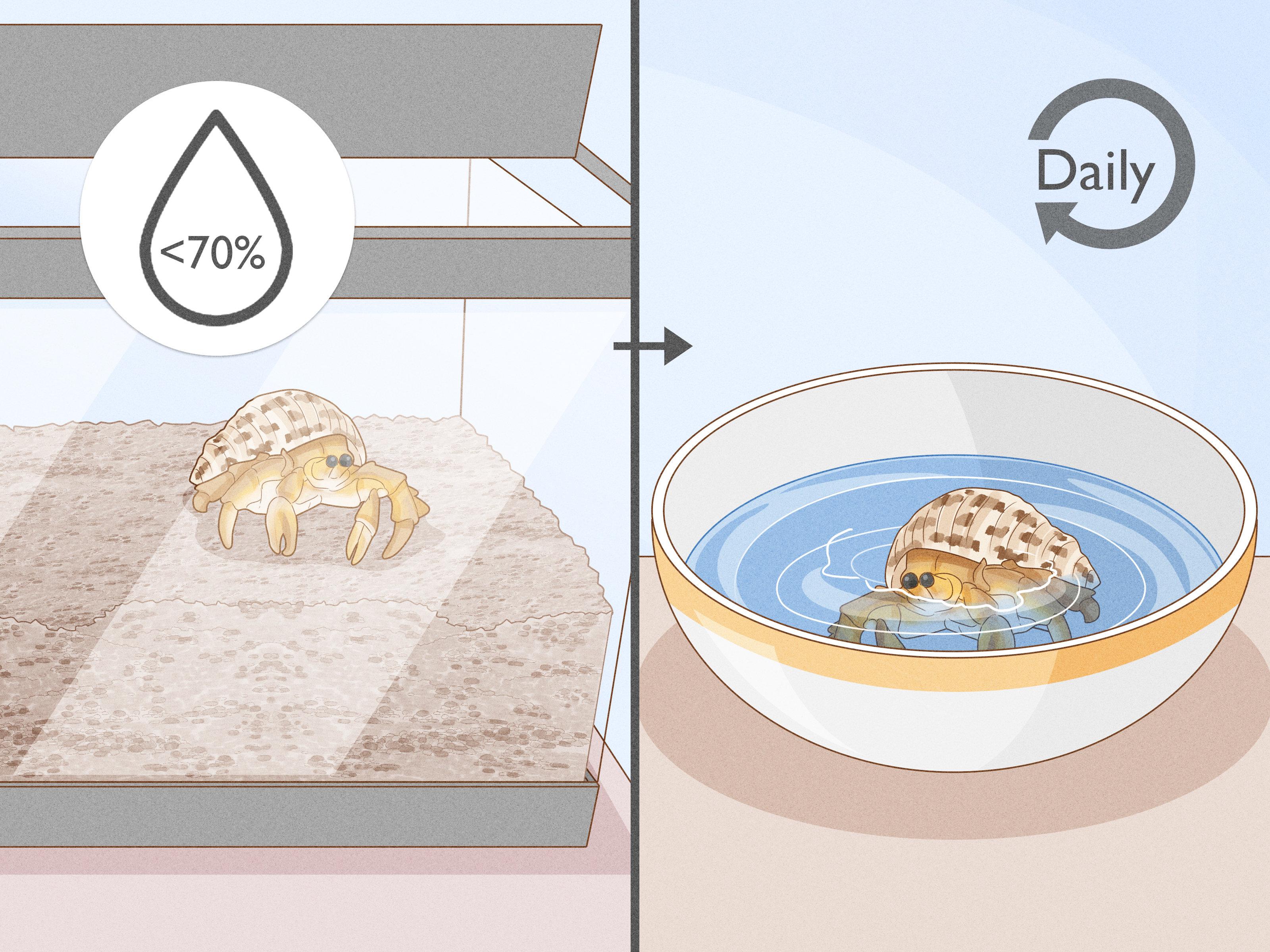
Many older care guides recommended routine hermit crab baths. Today, experienced keepers generally take a gentler approach. Forced bathing can stress a hermit crab, especially if the crab is molting, newly purchased, hiding, weak, or already frightened. A healthy hermit crab should have constant access to two water dishes: one with dechlorinated freshwater and one with dechlorinated marine-grade saltwater. Both should be safe for the crab to enter and exit without drowning.
In other words, the best bath is usually the one your hermit crab chooses for itself. Think of yourself as the spa manager, not the lifeguard with a clipboard and a whistle.
How to Give Your Hermit Crab a Bath: 9 Steps
Step 1: Decide Whether a Bath Is Truly Needed
Before touching your crab, ask one simple question: “Does this crab actually need help?” If the answer is no, skip the forced bath and improve the habitat instead. Hermit crabs do not need daily handling or routine dunking. They are prey animals by instinct, so being picked up by a giant human hand can feel less like a spa appointment and more like an alien abduction.
A bath may be considered only in limited situations, such as when visible debris is stuck on the shell, the crab has accidentally contacted something unsafe, or a qualified exotic pet professional recommends water treatment for a specific issue. If your crab has mites, has left its shell, appears injured, smells unusually bad, or is extremely lethargic, do not experiment with random baths. Focus on isolation, correct habitat conditions, and veterinary or experienced rescue advice.
Step 2: Prepare Dechlorinated Freshwater
Never use untreated tap water for hermit crabs. Tap water may contain chlorine or chloramine, which can irritate or harm them. Use a reptile-safe or aquarium-safe water conditioner that neutralizes chlorine and chloramine. Follow the product directions carefully, because “a little splash and a hopeful wink” is not a reliable measuring system.
Freshwater is important because hermit crabs drink it and use it to regulate the moisture inside their shells. Place the water in a clean, non-metal dish. The dish should be deep enough for the crab to access water comfortably, but it must also have an easy exit, such as a textured ramp, plastic mesh, clean stones, or aquarium-safe décor.
Step 3: Prepare Marine-Grade Saltwater
Hermit crabs also need saltwater. This does not mean table salt, sea salt from your kitchen, Epsom salt, or “whatever is in the cabinet next to the cinnamon.” Use a marine aquarium salt mix designed to recreate ocean water. Mix it with dechlorinated water according to the salt mix instructions.
Saltwater helps hermit crabs maintain proper shell water balance, and many crabs will drink or soak in it when they need to. A separate saltwater pool should be available in the crabitat at all times. If you provide only freshwater, your setup is incomplete. If you provide only saltwater, that is also incomplete. Hermit crabs need both choices, because their tiny crab bodies are surprisingly sophisticated.
Step 4: Match the Water Temperature to the Habitat
Use room-temperature water that feels neither cold nor warm to the touch. Sudden temperature changes can stress hermit crabs. The habitat itself should generally stay warm and humid, commonly around the mid-70s to mid-80s Fahrenheit, with high humidity appropriate for land hermit crabs.
Cold water is especially risky because hermit crabs rely on their environment to regulate body temperature. A crab dropped into chilly water may become sluggish or stressed. Avoid heated water, too. You are not making crab soup. You are creating a safe, shallow soaking option.
Step 5: Set Up a Safe Bathing Area
If you are creating a temporary bath outside the habitat, use a small, clean plastic container reserved only for crab care. Do not use a container that has held soap, cleaners, perfume, food grease, or chemicals. Hermit crabs are sensitive, and residues can be dangerous.
Add just enough water for the crab to stand and access moisture safely. For self-bathing pools inside the habitat, the water can be deep enough for the largest crab to fully submerge, but only if the dish includes reliable exits. Crabs should never be trapped in a slick bowl. A safe pool is like a hotel pool with stairs; an unsafe pool is like a bathtub made by villains.
Step 6: Handle the Hermit Crab Gently
Wash and rinse your hands thoroughly before handling your crab, avoiding soap residue. Pick up the crab by the shell, not by the legs or body. Keep your movements slow and calm. Hold the crab low over a soft surface or directly over the container, because a startled crab may pinch or drop.
If your hermit crab is tucked deep inside its shell, do not shake it out. If it refuses to come out, respect the crab’s decision. Hermit crabs are not tiny action figures. They are living animals with stress responses, moods, and a talent for making humans feel personally rejected.
Step 7: Let the Crab Enter the Water Naturally
Place the crab near the water or on the shallow ramp so it can enter by itself. This is the safest version of a bath. Many hermit crabs will dip into the water, adjust their shell water, and climb out when finished. Some may ignore the water completely. That does not mean you failed. It means your crab had other plans, possibly involving a snack or dramatic hiding.
Do not repeatedly dunk the crab. Do not hold it underwater. Do not swirl it around. A brief, gentle exposure is enough if you are only helping remove loose debris. The crab must always be able to breathe, move, and leave the water.
Step 8: Return the Crab to a Properly Humid Habitat
After bathing, place the crab back into its habitat. Make sure the crabitat has correct humidity, proper temperature, deep substrate, hiding places, extra shells, and both freshwater and saltwater pools. Bathing cannot fix a dry tank. If humidity is too low, your crab may struggle to breathe because land hermit crabs use modified gills that need moist air.
A good habitat does most of the work for you. When the tank is warm, humid, and well supplied, your crab can drink, soak, molt, dig, and regulate itself naturally. That is the dream: less emergency crab handling, more peaceful crab living.
Step 9: Clean and Maintain the Water Dishes
Change water regularly and clean dishes often. Food, substrate, waste, and algae can build up quickly. If you use ramps, rocks, or mesh, rinse and inspect them as well. Avoid natural sea sponges unless you are prepared to disinfect or replace them frequently, because damp porous materials can harbor bacteria and mold.
Keep a hygrometer and thermometer in the enclosure so you are not guessing. Hermit crab care without measuring tools is like baking a cake by staring at the oven and whispering, “Please be bread.” Reliable readings help prevent stress, failed molts, dehydration, and unnecessary bathing.
Common Mistakes to Avoid When Bathing a Hermit Crab
Using Tap Water Without Conditioner
Untreated tap water is one of the most common mistakes. Always dechlorinate water before it touches your crab, its pools, or anything inside the enclosure.
Using Table Salt Instead of Marine Salt
Table salt is not the same as marine aquarium salt. It does not provide the same mineral profile and may contain additives. Use a proper marine salt mix for the saltwater dish.
Bathing Too Often
Routine forced baths can cause stress. Your crab does not need a scheduled Saturday bath like a toddler before family photos. Provide safe pools and allow self-bathing.
Bathing a Molting Crab
Never dig up or bathe a molting hermit crab. Molting is a vulnerable process. A buried crab should usually be left alone unless there is a serious emergency and you have expert guidance.
Ignoring the Habitat
If your crab smells bad, acts weak, leaves its shell, or behaves strangely, the problem is often environmental. Check humidity, temperature, substrate depth, food, shell choices, and water quality before assuming a bath will solve everything.
How Often Should a Hermit Crab Bathe?
A hermit crab should have the option to bathe every day by entering its own freshwater or saltwater pools. That does not mean you should manually bathe it every day. Manual bathing should be rare. In a well-designed crabitat, the crab controls its own bathing schedule.
Some crabs soak frequently. Others visit the pools at night when nobody is watching, because apparently they prefer privacy and dramatic lighting. If water levels are changing, substrate appears in the bowls, or you notice wet tracks, your crab may be using the pools while you sleep.
What Supplies Do You Need?
For safe hermit crab bathing and water care, gather the following supplies:
- Dechlorinated freshwater
- Marine aquarium salt mix
- Two non-metal water dishes
- Safe ramps, stones, or mesh for easy exits
- A small clean container for rare assisted baths
- Thermometer and hygrometer
- Clean extra shells
- Paper towels for drying the outside of containers, not the crab
Do not use soap, shampoo, vinegar, essential oils, fragrances, alcohol, or disinfectants on the crab. Clean the equipment separately and rinse thoroughly before reuse.
Freshwater vs. Saltwater: Which Bath Is Better?
Neither one is “better” in all cases. Hermit crabs need access to both. Freshwater helps with drinking and hydration. Saltwater supports natural mineral and salinity needs. When given both, your crab can choose what it needs. That choice is the point.
If you are offering a brief assisted bath because the crab has debris on its shell, freshwater is usually the gentler first option. If your crab is healthy and simply living normal crab life, keep both pools available and let it manage the decision. Hermit crabs have survived a long time without humans micromanaging their bathtime playlists.
Signs Your Hermit Crab Is Stressed During a Bath
Watch your crab carefully. Signs of stress may include frantic climbing, rapid movement, repeated attempts to escape, staying tightly withdrawn, dropping from the shell opening, or leaving the shell. If your crab acts distressed, stop the bath and return it to a safe, humid enclosure.
A hermit crab leaving its shell is serious. A shell protects the crab’s soft abdomen and helps maintain moisture. If this happens, avoid panic-handling. Provide isolation, correct humidity, clean shells, food, and water. Seek experienced help if the crab does not return to a shell.
of Practical Experience: What New Keepers Learn the Hard Way
One of the biggest lessons new hermit crab keepers learn is that “simple pet” does not mean “simple care.” Hermit crabs are often sold in small cages with colorful shells and a tiny dish, making them look like low-maintenance desk decorations. Then you bring one home and discover the truth: this little creature needs warmth, humidity, deep substrate, fresh water, saltwater, climbing space, hiding spots, and a shell wardrobe. Suddenly, the crab has a better real estate plan than you do.
Bathing is where many beginners get confused. A new keeper may read old advice saying, “Bathe your hermit crab every week,” then watch the crab panic in the water and wonder what went wrong. The problem is that forced bathing treats the symptom instead of the environment. If a crab’s tank is too dry, a bath may make the keeper feel helpful for five minutes, but it does not solve the real issue. The crab returns to the same dry air and still has to struggle. A better experience is to set up the enclosure correctly so the crab can soak whenever it chooses.
Another common experience is discovering that hermit crabs are mostly active at night. You may stare at the habitat all day and think, “My crab never uses the water.” Then one morning the bowls are full of sand, the ramp is crooked, and someone has clearly hosted a midnight pool party. Hermit crabs often do their most important business when the room is quiet. That includes eating, climbing, switching shells, soaking, and rearranging the tank like tiny interior designers with strong opinions.
Keepers also learn that safe exits matter. A bowl that looks shallow to a human can be a serious obstacle for a small crab. Smooth plastic sides may trap a crab that cannot climb out. Adding ramps, stones, or mesh can turn a risky dish into a safe soaking pool. The same applies to water depth. A deep pool is useful only when the crab can enter and exit easily. Safety is not about making the smallest possible dish; it is about making a usable dish.
Many people also underestimate water quality. Dechlorinator is not optional. Marine salt is not interchangeable with kitchen salt. The water dishes are not decorations; they are part of the crab’s survival system. Once keepers understand this, bathing becomes less dramatic. Instead of grabbing the crab for a forced soak, they maintain clean pools, monitor humidity, and let the crab decide.
The most satisfying moment comes when you see a hermit crab voluntarily walk into the saltwater, sit for a while, and climb out calmly. No panic, no pinching, no emergency towel. Just a crab doing crab things. That is the real goal of hermit crab bathing: not control, but choice. Give your hermit crab the right environment, and it will handle much of its own care with quiet, shelled confidence.
Final Thoughts
Learning how to give your hermit crab a bath is really learning how to respect its natural needs. The safest method is not frequent forced bathing. It is providing clean dechlorinated freshwater, properly mixed marine saltwater, safe pool exits, correct humidity, and a calm habitat where your crab can bathe itself.
When you do need to help, keep it brief, gentle, and stress-free. Skip soap, avoid cold water, never dunk repeatedly, and do not disturb molting crabs. A hermit crab may be small, but its care deserves real attention. Treat bathing as part of habitat management, not a cute chore, and your crab will be much better off.