Every pet has two public identities. The first is the polished version: glossy coat, heroic posture, eyes sparkling like they just solved a small mystery. The second is the version we actually know and love: tongue halfway out, one ear doing something illegal, body folded into a shape that would make a chiropractor whisper, “Absolutely not.” That second version is why people love to share unflattering photos of their pets.
Funny pet pictures have become a language of their own online. A dog caught mid-sneeze can say more about Monday morning than a thousand motivational quotes. A cat photographed from below can look like a tiny landlord judging your rent history. A rabbit with one strand of hay stuck to its face can become an entire personality. These silly pet photos are not about making animals look bad; they are about celebrating the wonderfully chaotic, deeply relatable, and completely unscripted moments that make pets feel like family.
In the United States, pets are not just “animals in the house.” They are roommates, emotional support comedians, snack supervisors, blanket thieves, and unofficial members of every group chat. With millions of American households owning pets and many owners considering them part of the family, it is no surprise that our camera rolls are overflowing with dogs, cats, birds, hamsters, reptiles, and the occasional fish staring into the existential distance.
So, why do unflattering pet photos make people laugh so hard? Why do we love posting them? And how can we share them in a way that is funny, kind, safe, and worthy of the pet who absolutely did not consent to becoming a potato with legs? Let’s dig in.
Why Unflattering Pet Photos Are So Funny
The best unflattering pet photos are funny because they feel honest. A perfect portrait can be beautiful, but a blurry photo of a dog zooming through the living room like a furry meteor tells a story. A cat caught with its mouth open mid-meow looks less like a graceful predator and more like a tiny opera singer who forgot the lyrics. That is the charm.
Humor often comes from surprise. We expect pets to be cute, elegant, loyal, mysterious, or dignified. Then the camera catches them looking like they just heard gossip from the bird feeder. The gap between what we expect and what we see creates instant comedy.
The “Too Real” Factor
Unflattering pet photos also work because they mirror human life. Nobody looks perfect all the time. We blink in photos. We make weird faces while eating. We get caught at bad angles. Pets do the same, except they do it with whiskers, paws, floppy ears, and zero awareness of personal branding.
That makes them oddly comforting. In a world full of edited images and carefully staged posts, a pet with one eye half closed and a sock in its mouth feels refreshingly real. It says, “Perfection is overrated. I have eaten a leaf and I regret nothing.”
The Rise Of Funny Pet Pictures Online
Pet content has always had a special place on the internet. Before social media became a nonstop buffet of trends, cats were already ruling message boards, dogs were already starring in viral videos, and animal memes were already doing the emotional labor of making people smile during lunch breaks.
Today, funny pet photos spread across Instagram, TikTok, Facebook, Reddit, X, Pinterest, and private family chats. Some pet accounts are professionally managed, complete with lighting, captions, brand partnerships, and a posting schedule more organized than most humans’ tax folders. But the photos people often remember most are the accidents: the mid-yawn monster face, the “I sat in something” expression, the dog wearing a blanket like a confused wizard.
There is a reason for that. The internet loves authenticity, especially when authenticity has paws.
Pet Photos Feel Like Tiny Mood Boosters
Research on human-animal interaction has long suggested that pets can support well-being, reduce stress, and provide companionship. Even viewing animal content online can feel like a quick emotional reset for many people. A funny pet picture is not a cure for life’s problems, but it can be a small bright spot in someone’s day. Sometimes that is enough. Sometimes the tiny bright spot is a bulldog looking like a melted couch cushion.
What Counts As An Unflattering Pet Photo?
An unflattering pet photo is not cruel, scary, or humiliating. It is simply a picture that captures your pet in a goofy, awkward, unexpected, or wildly undignified moment. The key is affection. You are laughing with the spirit of the moment, not at your pet’s discomfort.
Examples include a dog caught mid-shake with ears flying in opposite directions, a cat loafing so intensely it looks like a burnt dinner roll, a parrot leaning into the camera like it is about to expose a family secret, or a guinea pig photographed so close up that it becomes 90% nose and 10% suspicion.
The best unflattering pet pictures usually fall into a few classic categories: bad angles, chaotic motion, dramatic facial expressions, weird sleeping positions, snack-related crimes, and the famous “what are you even doing?” pose.
How To Take Funny Pet Photos Without Stressing Your Pet
Great pet photography starts with comfort. Professional pet photographers and animal welfare experts often emphasize the same basic truth: animals should feel safe. A relaxed pet gives you better photos, better expressions, and fewer side-eyes that say, “I will remember this during breakfast.”
Let The Moment Happen Naturally
The funniest pet photos usually are not staged. They happen when your dog falls asleep with its tongue out, your cat climbs into a box that is clearly too small, or your lizard sits under its lamp looking like a retired philosopher. Keep your phone nearby and be ready.
Do not force costumes, poses, loud noises, or uncomfortable situations just to get a laugh. If your pet walks away, hides, stiffens, pants heavily, tucks its tail, pins its ears back, growls, hisses, swats, or shows other signs of stress, the photo session is over. The internet can survive without one more picture. Your pet’s trust matters more.
Use Burst Mode For Chaos
Burst mode is the secret weapon of funny pet photography. Pets move fast, blink often, and have no respect for composition. Taking several photos in quick succession helps you catch the exact moment when your golden retriever’s lips become airborne or your kitten launches itself at a toy with the intensity of a tiny superhero.
Get Down To Their Level
Photographing pets from above can be cute, but getting down to their eye level often creates better, funnier images. A low angle can turn a sleepy dachshund into a dramatic movie villain. A close-up can make a cat’s nose look like the main character. Just avoid crowding your pet if they seem uncomfortable.
Use Natural Light
Natural light is usually kinder than flash. Flash can startle some animals and may create harsh shadows or glowing eyes that make your pet look like it has just returned from a haunted basement. A window, porch, shaded yard, or bright room can give you clear photos without making your pet suspicious of technology.
Captions That Make Unflattering Pet Photos Even Better
A funny caption can turn a good unflattering pet photo into a masterpiece. The trick is to keep it short, specific, and connected to the image. You do not need a paragraph when five words can do the job.
For example, a dog with cheeks puffed out mid-bark might get the caption, “When the group project is due.” A cat glaring under a blanket could be “Me before coffee.” A hamster with food stuffed in its cheeks might be “Financial planning, but make it snacks.” A bird caught leaning dramatically away from a toy could become “Absolutely not, Susan.”
The best captions give the pet a voice without overexplaining the joke. Think of the photo as the setup and the caption as the tiny comedy cymbal crash.
Where To Share Unflattering Photos Of Your Pets
You can share unflattering pet photos almost anywhere people enjoy wholesome humor. Social platforms, pet groups, family chats, neighborhood communities, and themed comment threads are all common places for these pictures. The format works especially well because it invites participation. One person posts a cat looking like a confused goblin, and suddenly everyone is digging through their camera roll like archaeologists of nonsense.
If you are sharing publicly, use simple descriptions and natural keywords such as “funny pet photos,” “unflattering dog picture,” “silly cat photo,” “awkward pet moment,” or “pet blooper.” These phrases help people find the post without making it sound like it was assembled by a search engine wearing a fake mustache.
Make It A Community Prompt
Community prompts work well because they are easy to answer. A title like “Share unflattering photos of your pets” is direct, playful, and low-pressure. People immediately understand what to do. They do not need to write a long story. They just need to upload the photo of their dog looking like it forgot how gravity works.
To encourage more responses, add a friendly line such as: “Bonus points for dramatic expressions, bad angles, mid-sneeze faces, and pets who look personally offended by the camera.” This gives people ideas while keeping the mood light.
Pet Photo Safety: What Not To Share
Funny does not mean careless. Before posting pet photos online, look at the background and details. Does the image show your home address, school name, license plate, phone number, prescription label, private document, or a tag with readable contact information? Crop or blur those details before sharing.
Pet ID tags and microchips are important for safety, but public photos should not reveal personal contact information. If your pet’s tag is visible, consider editing the image or choosing another photo. Cute should not come with accidental privacy problems.
Avoid Embarrassing Humans In The Background
Pets have no shame. Humans sometimes do. Before posting, check whether someone is visible in pajamas, mid-chew, half asleep, or making a face that says they did not agree to become part of the content ecosystem. Ask before sharing photos of other people, especially children, friends, neighbors, or guests.
Never Reward Dangerous Pet Trends
There is a big difference between a harmless awkward photo and a risky stunt. Do not scare, spin, toss, restrain, chase, or provoke an animal for content. Do not put pets in uncomfortable costumes, unsafe locations, or stressful interactions just to capture a viral moment. If the photo requires your pet to be unhappy, it is not funny. It is just a bad idea with a camera.
Why Imperfect Pet Photos Feel More Personal
Polished pet portraits are wonderful. They belong on holiday cards, framed prints, and phone wallpapers. But imperfect pet photos often feel more personal because they capture the pet you live with every day.
Your dog’s dignified portrait might show their beauty. The blurry photo of them trying to catch a treat and missing by a heroic distance shows their soul. Your cat’s elegant window picture may be lovely, but the photo of them sitting in a grocery bag like a tiny gremlin tells the truth. Your rabbit’s perfect side profile is sweet; the photo of them with lettuce hanging from their mouth is family history.
Unflattering pet photos preserve the little moments you might otherwise forget. Years later, those are often the pictures that make people laugh the hardest and feel the most.
How Brands And Bloggers Can Use Funny Pet Photos
For bloggers, pet brands, shelters, groomers, trainers, and creators, unflattering pet photos can be powerful engagement tools. They feel approachable. They invite comments. They give audiences a reason to participate instead of simply scrolling past another perfect image.
A pet blog might run a weekly “Pet Blooper Friday.” A groomer could ask clients to share the funniest post-bath shake photo. A shelter could post silly but respectful animal moments to show personality and help adoptable pets feel memorable. A pet supply brand could create a caption contest using a goofy dog expression or a cat caught dramatically rejecting a new toy.
The important rule is respect. Funny pet content should still make the animal look loved, safe, and cared for. The humor should come from timing, expression, and personalitynot distress.
Examples Of Unflattering Pet Photo Ideas
The Mid-Sneeze Masterpiece
A dog mid-sneeze is almost always art. The ears fly, the eyes vanish, the lips perform gymnastics, and the final result looks like a Renaissance painting titled “Sir Barkington Discovers Pollen.”
The Bad Angle Cat
Photograph a cat from slightly below and you may capture the legendary double-chin judgment pose. This angle makes even the most graceful cat look like a tiny boss reviewing your performance.
The Snack Face
Pets eating treats can produce incredible expressions. A dog catching a biscuit midair, a hamster stuffing its cheeks, or a cat licking its nose after dinner can all become comedy gold.
The Weird Nap Position
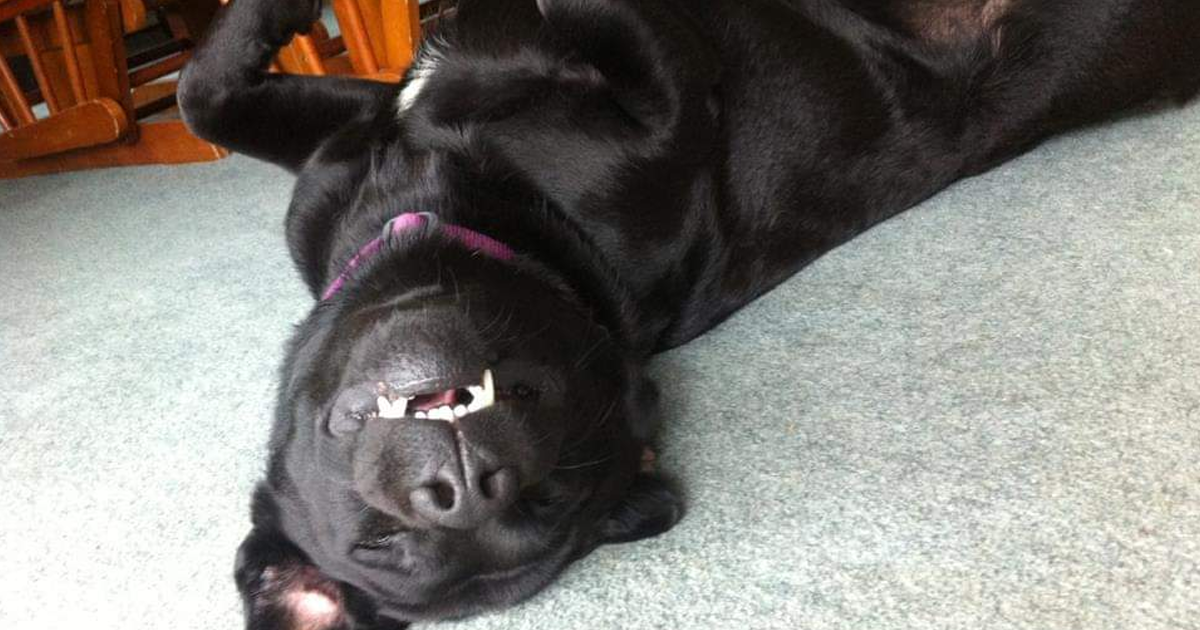
Some pets sleep like they were assembled from spare parts. Paws in the air, head off the bed, body twisted into a noodlethese photos are funny because the pet is clearly comfortable while looking completely impossible.
The Betrayed Bath Look
Wet pets often look like different animals entirely. A fluffy dog becomes a damp sock. A long-haired cat becomes an angry paintbrush. Keep bath photos gentle and respectful, and only take them if your pet is safe and not frightened.
How To Turn A Pet Blooper Into A Great Post
Start with a clear photo, even if the moment is chaotic. Crop unnecessary background clutter. Keep the pet as the focus. Write a short caption that matches the expression. Add a question to invite replies, such as “What is he thinking?” or “Drop your pet’s least glamorous moment.”
If you are posting for SEO, include natural terms in the title and description: “funny pet photos,” “unflattering photos of pets,” “awkward dog pictures,” “silly cat photos,” and “pet bloopers.” Use them where they fit, not in every sentence. Search engines appreciate clarity. Readers appreciate not being attacked by keywords wearing a trench coat.
For accessibility, add alt text when possible. A good alt description might be: “A brown dog caught mid-sneeze with ears flying outward” or “A gray cat sitting in a cardboard box with one paw hanging over the edge.” Alt text helps more people enjoy the image and gives search engines useful context.
The Emotional Side Of Silly Pet Photos
Behind the jokes, silly pet photos often carry real affection. People share them because pets make ordinary life feel less ordinary. A bad-angle picture can remind you of a lazy Sunday morning, a messy kitchen, a first apartment, or a beloved animal who made every day a little louder and warmer.
That is why these photos matter. They are not just memes. They are tiny records of companionship. They capture personality in a way formal portraits sometimes cannot. The awkwardness becomes part of the love.
Experiences Related To Sharing Unflattering Photos Of Your Pets
Anyone who has lived with pets knows that the funniest moments rarely arrive with warning. You do not wake up and think, “Today my dog will look like a confused potato during a sneeze.” It just happens. One second your pet is normal; the next second your camera roll contains evidence that evolution has a sense of humor.
One common experience is the accidental masterpiece. You try to take a sweet photo of your cat sitting in sunlight. Just as you press the button, the cat yawns so dramatically that it appears to be summoning thunder. The final image is not elegant, but it is unforgettable. In fact, it may be better than the photo you meant to take because it shows personality. That is the magic of unflattering pet photos: they surprise even the person holding the camera.
Another classic experience is the family group chat reaction. Someone shares a blurry picture of the dog running through the hallway with one toy, two socks, and the expression of a creature who has made several bold choices. Within minutes, relatives who have not responded to normal messages in days suddenly appear. One person sends laughing emojis. Another asks if the dog is okay. Someone else declares it “calendar material.” The pet becomes the star of the day without knowing it, which is probably for the best because fame can be a lot before breakfast.
Pet owners also know the joy of comparing “official” photos with reality. The official photo is the one where your pet looks polished and noble. The reality photo is the one taken five minutes later, when the same pet is upside down on the couch with a single tooth showing. Both images are true. One says, “This is my beautiful companion.” The other says, “This is my beautiful companion after choosing chaos.” Together, they create the full biography.
There is also something deeply bonding about sharing pet bloopers with other animal lovers. People immediately understand. They have their own version at home: the Labrador who cannot catch snacks, the cat who sits like a tired accountant, the rabbit who looks offended by lettuce, the parrot who photobombs every video call, or the senior dog who sleeps with the peaceful weirdness of a retired circus noodle. Funny pet photos create instant community because everyone has seen an animal do something ridiculous and thought, “Yes, that is exactly why I love you.”
Of course, the best experiences come from sharing these photos kindly. The goal is not to mock a pet, scare them, or push them into awkward situations. The goal is to notice the comedy already present in daily life. Pets are naturally hilarious. They do not need scripts, props, or dramatic direction. They simply need a safe home, a patient human, and occasionally a camera ready at the exact wrong-right moment.
Over time, these unflattering pictures often become treasured memories. A perfect portrait may show what your pet looked like, but a goofy photo shows what life with them felt like. It brings back the sound of paws on the floor, the stubborn stare at dinner, the nap positions that made no medical sense, and the tiny routines that turned a pet into family. That is why people keep sharing them. Not because the photos are perfect, but because the love behind them is.
Conclusion
To share unflattering photos of your pets is to celebrate the wonderfully imperfect side of animal companionship. These pictures make people laugh because they are honest, spontaneous, and full of personality. They remind us that pets are not decorative objects or flawless little influencers. They are living, snorting, blinking, stretching, snack-stealing weirdos who make our lives better in ways both big and ridiculous.
The best funny pet pictures are safe, kind, and natural. They do not rely on fear, discomfort, or risky stunts. They come from everyday moments: a sneeze, a yawn, a strange nap, a bad angle, a dramatic reaction to a cucumber-shaped toy that is not actually a cucumber. When shared thoughtfully, these pet bloopers can brighten someone’s day, build community, and preserve memories that become more meaningful with time.
So go ahead. Scroll through your camera roll. Find the photo where your dog looks like a loaf of bread with opinions. Find the cat picture that screams “tax audit.” Find the hamster close-up that is mostly cheeks. Share the silliness, protect your pet’s safety, respect privacy, and let the world enjoy the glorious comedy of animals being themselves.