Note: This article is written for cultural education, safe celebration, and web publication. It does recipes, or instructions for manufacturing real fireworks at home. Real sparklers and senko hanabi are firework devices and should only be purchased legally, used outdoors, and handled according to local laws and safety instructions.
Introduction: A Tiny Firework With a Big Soul
Most sparklers are loud little show-offs. They hiss, spit, throw sparks everywhere, and act like they are auditioning for a dragon role in a fantasy movie. Japanese sparklers, known as senko hanabi, are different. They are quiet, delicate, poetic, and almost shy. Instead of screaming, “Look at me!” they whisper, “Please observe the fragile beauty of a glowing ember before it disappears.” Very classy. Very Japanese.
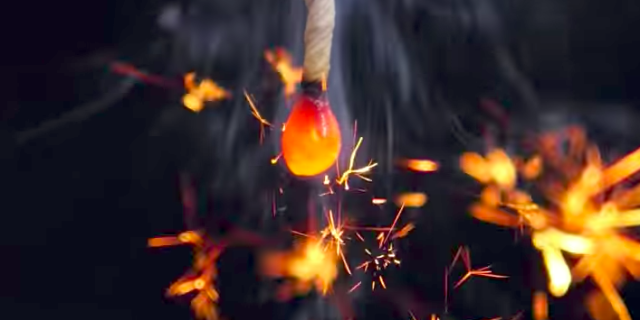
The phrase senko hanabi is often translated as “incense fireworks” or “incense-stick fireworks.” Traditional versions are small handheld fireworks associated with summer evenings in Japan, especially after festivals, family gatherings, and quiet nights outdoors. Unlike big aerial fireworks that bloom across the sky, senko hanabi happens close to the hand and close to the heart. A tiny glowing ball forms at the tip, then sends out sparks that change shape as it burns down. Each stage has a poetic name: botan or peony, matsuba or pine needles, yanagi or willow, and chirigiku or scattered chrysanthemum.
So, how do you make beautiful and historic Japanese sparklers? The safest modern answer is not to manufacture actual pyrotechnic sparklers at home. Instead, you can make the experience: learn the history, choose legal consumer sparklers or authentic senko hanabi from a reputable source, prepare a safe viewing ritual, and create handmade decorative washi-style holders, lanterns, and displays that honor the tradition without turning your backyard into a suspicious science experiment. Your eyebrows will thank you.
What Are Japanese Sparklers?
Japanese sparklers are not merely smaller versions of Western wire sparklers. Senko hanabi has a personality of its own. Traditional forms are usually thin, lightweight, and designed to burn in a slow, graceful sequence. Instead of being waved around like a glowing magic wand, they are often held still, pointed downward, and watched carefully as a glowing droplet forms and changes.
The beauty of senko hanabi comes from restraint. The goal is not to produce the largest spark shower possible. The goal is to notice tiny changes: the first glow, the round ember, the energetic branching sparks, the soft drooping sparks, and the final fall of light. In that sense, senko hanabi is closer to tea ceremony, flower viewing, or haiku than to a backyard fireworks finale. It asks people to slow down and pay attention.
There are two historic styles often discussed in relation to senko hanabi. One is associated with straw, especially in western Japan, where rice straw was traditionally available. Another is associated with twisted washi paper, especially in regions where handmade paper culture was strong. These designs reflect local materials, regional craft traditions, and the Japanese talent for turning ordinary natural elements into something quietly unforgettable.
A Brief History of Senko Hanabi
Fireworks technology reached Japan centuries ago alongside the arrival of firearms, and fireworks became especially popular during the Edo period. Edo, now Tokyo, developed a lively urban culture filled with entertainment, seasonal festivals, river outings, and artistic craftsmanship. Fireworks became part of that culture, lighting up summer nights and inspiring images, poetry, and public gatherings.
Senko hanabi likely began as a humble, intimate form of firework. Rather than launching explosions into the sky, people placed small burning fireworks in simple holders or used hand-held forms to enjoy a tiny spark display up close. The name suggests a link to incense sticks, which makes sense visually and culturally. Like incense, senko hanabi is slender, quiet, fragrant in memory if not always in smoke, and connected to contemplation.
In Japan, fireworks are called hanabi, literally “fire flowers.” That single word explains a lot. A firework is not just a bang; it is a bloom. Senko hanabi is the smallest flower in the fireworks garden, but small does not mean simple. In fact, part of its charm is that it compresses a whole emotional arc into a few seconds: birth, youth, fullness, fading, and disappearance.
Why Senko Hanabi Feels So Beautiful
One reason Japanese sparklers feel special is that they have a story built into the burn. Many observers describe the spark pattern in stages. First, a glowing ball forms at the end. Then sparks burst outward like a peony. Next, they shoot more sharply, like pine needles. Later, the sparks become softer and droop like willow branches. Finally, they scatter and fade like chrysanthemum petals.
This sequence is deeply satisfying because it feels natural. It is not random glitter. It is a miniature life cycle. The sparkler begins, grows, shines, weakens, and vanishes. That might sound dramatic for something you can hold between two fingers, but anyone who has watched senko hanabi on a quiet summer night understands the feeling. It is beautiful because it does not last. The little glowing bead is basically saying, “Enjoy me now, because I have plans to become ash.”
Can You Make Real Japanese Sparklers at Home?
The safest answer is no. You should not make real pyrotechnic Japanese sparklers at home unless you are properly trained, licensed where required, and working in a legal, controlled professional environment. Real sparklers involve energetic materials, high heat, ignition risk, smoke, metal particles, and regulations that vary by state, county, and city. Even consumer sparklers can burn at extremely high temperatures and cause severe burns.
That does not mean you cannot create a beautiful senko hanabi-inspired experience. You absolutely can. The smart approach is to separate two ideas: manufacturing fireworks and designing a safe cultural moment. Manufacturing fireworks is dangerous and regulated. Designing a Japanese sparkler evening with legal products, handmade decorations, and careful safety planning is realistic, beautiful, and much less likely to make the local fire marshal sprint toward your house.
How to Make a Safe Senko Hanabi-Inspired Experience
1. Choose Legal, Consumer-Labeled Sparklers or Authentic Senko Hanabi
If sparklers are legal in your area, buy them from a reputable retailer and check that the packaging is labeled for consumer use. Do not buy loose, unlabeled, homemade, altered, or suspiciously powerful fireworks. If a product looks like it was assembled in a villain’s garage, politely walk away.
For a more authentic experience, look for imported or specialty senko hanabi products sold through legitimate retailers that comply with local laws. Availability may vary, and some regions restrict fireworks entirely. When in doubt, check local fire department guidance or municipal rules before purchasing or using any firework device.
2. Prepare the Setting
Senko hanabi is best enjoyed in a calm outdoor setting. Choose a flat, open area away from dry grass, leaves, curtains, patio cushions, paper decorations, pets, and anything else that would prefer not to become crispy. A driveway, paved patio, or gravel area is usually better than a lawn during dry weather.
Place a bucket of water nearby for used sparklers and emergencies. Keep a garden hose accessible. Use a stable table for unlit sparklers and keep them separated from the lighting area. Do not let children handle sparklers, and do not use them while impaired. This is one of those occasions when “I’m sure it’s fine” is not a safety plan.
3. Create Handmade Washi-Style Decorative Holders
Instead of making the firework itself, make the presentation. You can create beautiful washi-style sleeves or display tags for unused sparklers using decorative paper, cotton string, and calligraphy-style labels. These are not meant to be burned. They are decorative packaging or table accents that add historical atmosphere before the sparklers are used.
Use patterned origami paper, handmade-style craft paper, or neutral cream paper. Cut narrow strips and wrap them around the lower handle area of the packaging or around a separate display card. Add simple labels such as “Senko Hanabi Night,” “Fire Flowers,” or “Summer Sparks.” If you enjoy brush lettering, write the words slowly and imperfectly. A little human wobble gives the design charm. Perfect computer fonts are useful, but they rarely look like they have spent a peaceful evening near a lantern.
4. Add Lanterns, Bowls, and Natural Textures
Japanese-inspired atmosphere works best when it is simple. Use paper lanterns with battery-powered lights, a dark ceramic bowl for spent sparklers after they have been soaked, bamboo mats, small stones, or a wooden tray. Keep all decorations away from the actual flame zone. The goal is elegance, not a flammable craft fair.
If you want a centerpiece, fill a shallow bowl with sand and place unlit decorative paper “sparkler stems” in it for display only. These can be made from bamboo skewers, twisted paper, and metallic thread. Label them clearly as decorations and keep them separate from real sparklers. This gives you the look of historic sparklers without handling pyrotechnic materials.
5. Make a Non-Pyrotechnic Sparkler Craft for Kids
For children, skip real sparklers and make safe pretend sparklers. Use paper straws, tissue paper, metallic ribbon, foil paper, and glow sticks. Wrap the top of a paper straw with gold or silver tissue, tape short strips of metallic ribbon around it, and insert a mini glow stick if available. The result looks festive in photos, can be waved safely, and does not burn at metal-melting temperatures. A huge improvement, unless your family tradition specifically requires panic.
This craft also works well for classrooms, cultural festivals, summer parties, and blog photography. You can teach the history of senko hanabi while giving children something safe to hold. Add labels explaining the poetic spark stages: peony, pine needle, willow, and chrysanthemum. Kids love names, especially when they sound like secret levels in a very gentle video game.
How to Use Japanese Sparklers Safely
If you use legal sparklers, treat them as real firework devices. Read the package directions before lighting anything. Use them outdoors only. Light one at a time. Hold the sparkler away from the body, face, hair, and clothing. Never point it at another person. Never run, dance, sword-fight, or attempt “sparkler choreography” unless the choreography is called “standing still like a responsible adult.”
After the sparkler burns out, the wire or handle can remain dangerously hot. Place it directly into a bucket of water and leave it there. Do not toss it onto the ground or into a trash can. Do not hand a used sparkler to someone else. Do not assume it is cool because it stopped glowing. Hot metal has a talent for betrayal.
For a senko hanabi-style moment, ask each person to hold still and watch one sparkler quietly. Count the stages together. Notice when the sparks change shape. Try not to rush. The slower pace is the point. A single sparkler can become memorable when everyone stops treating it like a disposable party prop.
The Four Poetic Stages of Senko Hanabi
Botan: The Peony
The first major spark stage is often compared to a peony. The sparks bloom outward from the glowing bead like petals opening. This stage feels fresh, bright, and youthful. If you are photographing the sparkler, this is when you may capture a rounded burst of light.
Matsuba: The Pine Needles
Next comes a more energetic phase, with sharper, straighter sparks. This is the pine needle stage. It tends to feel lively and confident, as if the sparkler has suddenly remembered it is technically a firework and would like to update its résumé.
Yanagi: The Willow
As the burn slows, the sparks soften and fall. This stage is compared to willow branches, which bend gracefully downward. The mood becomes quieter and more reflective. This is where senko hanabi begins to feel less like entertainment and more like a tiny lesson in impermanence.
Chirigiku: The Scattered Chrysanthemum
The final stage is the scattered chrysanthemum. The sparks weaken, separate, and disappear. It is a gentle ending, not a dramatic finale. The ember drops or fades, and the moment is over. This is the part where everyone goes silent for half a second, then someone says, “That was actually really pretty,” because it was.
Photography Tips for Capturing Japanese Sparklers
Senko hanabi and sparklers are wonderful photography subjects because they combine light, motion, and mood. Use a dark background, keep the area uncluttered, and avoid bright porch lights. A phone camera can work, especially in night mode, but a manual camera gives more control.
Try placing the sparkler slightly off-center in the frame. Focus on the glowing bead or the hand holding it. Use a tripod if possible. Avoid crowding the sparkler with too many people, decorations, or props. The best images often have one hand, one spark, and plenty of darkness around it. Negative space makes the tiny light feel more powerful.
If you are photographing for a blog article, include a few detail shots: decorative paper sleeves, a water bucket for safety, lanterns in the background, and close-ups of the spark stages. These images help readers understand that Japanese sparklers are not just objects; they are an atmosphere.
How to Host a Japanese Sparkler Night
A Japanese sparkler night does not need to be complicated. In fact, too much decoration can ruin the mood. Start near dusk. Set out battery lanterns, cold tea, simple snacks, and a safe outdoor sparkler area. Explain the history briefly before lighting anything. Keep the safety talk calm but clear. Nobody wants a 40-minute lecture called “Welcome to My Backyard, Here Are the Burn Statistics,” but people do need to know the rules.
Invite guests to watch the stages instead of waving the sparklers around. You can even turn it into a quiet game: whose sparkler forms the roundest glowing bead, whose lasts the longest, or who can identify the willow stage first. Keep it peaceful. Senko hanabi is not about winning, although naturally someone will try to become the competitive champion of delicate sparks. Let them have their moment.
Common Mistakes to Avoid
The first mistake is treating sparklers as toys. They are not toys. They are burning firework devices. The second mistake is letting children hold them because they seem small. Small does not mean safe. A sewing needle is small. A bee is small. A credit card bill is small until it ruins your afternoon.
Another mistake is using sparklers near dry plants, wooden decks, fabric decorations, or crowded areas. Keep space around each person. Do not light multiple sparklers at once in a bundle. Do not modify sparklers, break them apart, combine them, or attach them to crafts. Decorative elements should stay separate from anything that burns.
Finally, do not ignore local laws. Firework rules can vary dramatically. Something legal in one town may be banned in another. If fireworks are not legal where you live, create the non-pyrotechnic version with glow sticks, LED lights, paper sparklers, and lanterns. You can still have the beauty without the citation from local authorities. And yes, that kind of citation is much worse than an academic one.
Experience Section: What a Senko Hanabi Evening Feels Like
The best way to understand Japanese sparklers is to imagine the evening slowly. The sun has dropped, but the sky is not completely black yet. There is a thin blue-gray light over the yard or garden. Someone has placed a bucket of water near the edge of the patio. A few lanterns glow softly, not bright enough to compete with the sparklers, just enough to keep everyone from stepping on a sandal and making dramatic owl noises.
You take one sparkler and hold it carefully. The flame catches. For a second, nothing spectacular happens. Then a small glowing bead forms at the tip. It looks fragile, like a drop of sunlight trying not to fall. Everyone gets quieter. This is the first surprise. With regular fireworks, people shout before the explosion. With senko hanabi, people lower their voices after the light appears.
The bead grows brighter. Sparks begin to open outward, small and round like a flower. This is the peony stage. It feels cheerful but not loud. You can see why Japanese culture gave the stages names from plants. The sparkler behaves less like a machine and more like something alive. The sparks twitch, branch, and bloom with tiny irregular movements. No two burns look exactly the same.
Then the sparks sharpen. They shoot out in fine lines, quick and lively, like pine needles catching light. This is the stage that makes people smile. It has energy. It feels as if the sparkler has found its confidence. But because the whole thing is so small, the excitement stays intimate. Nobody needs to clap. Nobody needs music. The sound is a soft crackle, like a secret being told by fire.
After that, the sparks begin to droop. They become slower and softer, falling like willow branches. This is often the most beautiful part. The sparkler is fading, but it is not failing. It is simply changing. The moment becomes more emotional than expected. You may find yourself thinking about summer ending, childhood evenings, family gatherings, or people you wish were standing there with you. Not bad for a little stick of light.
Finally, the sparks scatter and weaken. The chrysanthemum stage arrives and disappears almost at the same time. The glowing bead drops or goes dark. For a moment, there is only smoke and memory. You place the spent sparkler in water. Then someone lights another one, and the tiny drama begins again.
That is the real magic of making a Japanese sparkler experience. It is not about building a firework from raw materials. It is about creating the conditions for attention. You prepare the space, choose safe materials, respect the tradition, slow down the pace, and let a small light become the center of the evening. In a world full of giant screens, loud alerts, and people filming concerts they are not actually watching, senko hanabi offers a refreshing alternative: one spark, one breath, one brief flower of fire.
Conclusion: Making Beauty Without Making Danger
Learning how to make beautiful and historic Japanese sparklers is really learning how to make a meaningful moment. Senko hanabi teaches that beauty does not need to be huge, expensive, or loud enough to scare every dog in the neighborhood. It can be small, quiet, handmade, and temporary.
For modern readers, the safest approach is to honor the history without attempting home pyrotechnics. Buy only legal consumer products from reputable sellers, follow all local rules, keep water nearby, supervise carefully, and never let children handle real sparklers. For family events, classrooms, and indoor celebrations, choose paper sparklers, glow sticks, lanterns, and washi-inspired crafts instead.
Japanese sparklers are historic because they connect firework craft to poetry, nature, and seasonal feeling. They are beautiful because they vanish. And they are worth enjoying carefully because the best memories should glow, not burn.