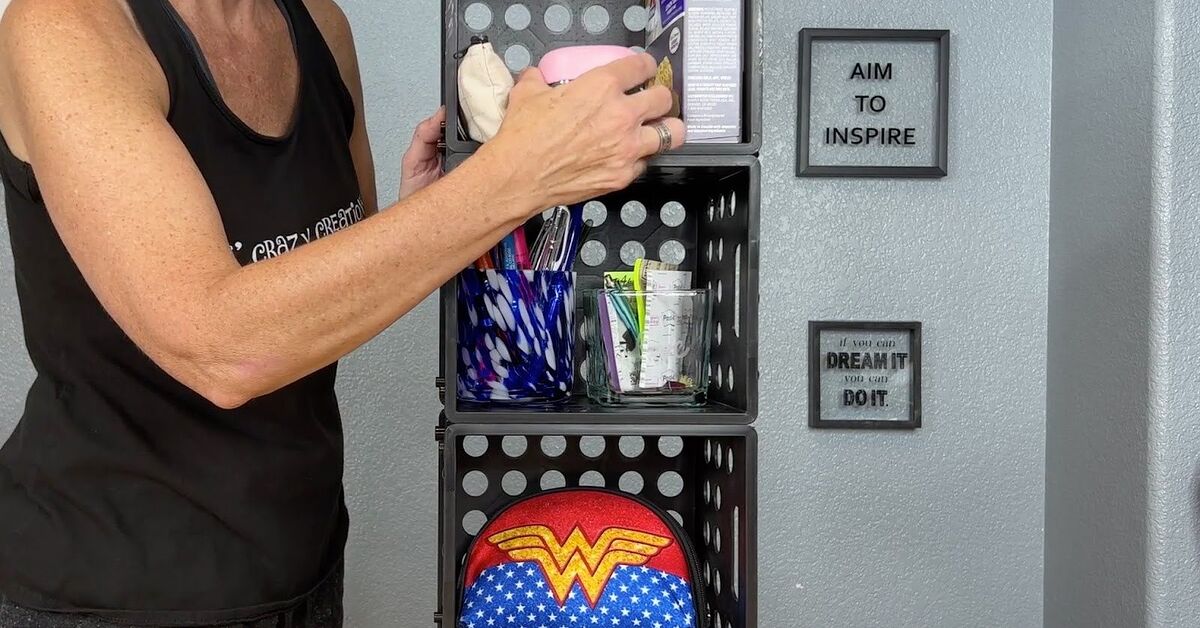
Milk crates may not look like much at first glance. They are square, plastic, a little retro, and charmingly unbothered by trends. But give one a job, and suddenly it becomes a closet cubby, pantry bin, garage shelf, bedside table, toy organizer, plant stand, or mobile command center. Basically, milk crates are the Swiss Army knives of home organizationminus the tiny scissors nobody can ever fold back in correctly.
The beauty of milk crate organization is that it is simple, affordable, flexible, and surprisingly stylish when done with a little intention. Whether you live in a small apartment, a family home, a dorm room, or a garage that has slowly turned into a “museum of things we might need someday,” milk crates can help you create order without spending a fortune on custom storage systems.
Before we begin, one important note: use crates you legally own. Buy new milk crates, use generic crate-style storage bins, or repurpose crates you already have permission to use. Branded dairy crates often belong to dairy companies, so do not “borrow” them from behind a store unless your goal is to organize your space and your legal troubles at the same time.
Why Milk Crates Work So Well for Home Organization
Milk crates are loved by DIY organizers because they solve several common storage problems at once. They are stackable, breathable, lightweight, easy to move, and sturdy enough for books, shoes, pantry extras, craft supplies, tools, sports gear, and everyday clutter. Their open-grid design lets you see what is inside, which is helpful if your current storage system involves muttering, “I know I put it somewhere.”
They also fit into a wide range of decorating styles. Left plain, they bring an industrial or retro look. Painted, wrapped, lined, or paired with wood, they can feel farmhouse, modern, playful, or minimalist. In other words, milk crates are not just storage; they are storage with range.
Start With a Simple Decluttering Plan
The biggest mistake people make with storage is buying containers before deciding what they actually need to store. That is how you end up with beautiful bins full of mystery cords, expired coupons, one mitten, and a charger for a device you last saw in 2014.
Before bringing milk crates into a room, do a quick reset. Remove items from the area, group similar things together, and decide what should stay, move, donate, recycle, or toss. Then assign each crate a clear purpose. A crate for “winter hats and gloves” works. A crate for “random stuff I refuse to emotionally process” does not.
The Three-Crate Rule
If you are organizing one room, start with just three crates:
- Daily-use crate: items you reach for often.
- Backstock crate: extras, refills, seasonal items, or supplies.
- Relocation crate: things that belong in another room.
This simple system prevents the classic organizing trap: moving clutter into prettier piles. The goal is not to hide mess; it is to make your space easier to use every day.
Milk Crate Hack #1: Build Stackable Closet Cubbies
Closets often fail because they have too much vertical space and not enough divided storage. Milk crates fix that quickly. Stack them on their sides to create cubbies for shoes, folded sweaters, handbags, scarves, hats, or workout gear. The open fronts make items easy to grab, and the grid sides allow air circulation, which is useful for shoes and sports accessories.
For a cleaner look, use crates in one color and line them up evenly. Secure stacked crates with zip ties or small bolts if they are going higher than two levels, especially in a kid’s room or high-traffic area. Place heavier items on the bottom and lighter items higher up. Your closet should not become a leaning tower of laundry.
Milk Crate Hack #2: Create an Entryway Drop Zone
The entryway is where homes go to lose their dignity. Shoes pile up, bags slump over, mail multiplies, and someone’s umbrella always looks like it has survived a weather-based battle. A few milk crates can bring order fast.
Place one crate near the door for shoes, another for reusable bags, and a third for sports gear, pet leashes, or seasonal accessories. Add clip-on labels so everyone knows what belongs where. If your household includes children, use low crates they can reach. This increases the odds that shoes land in the crate instead of forming a tiny obstacle course.
Easy Upgrade
Add a wooden board across two sturdy crates to create a simple bench-style surface. Use it for sitting while putting on shoes, but keep safety in mind: the crates should be stable, the board should be properly sized, and the setup should not wobble. Cute is nice. Not tipping over is better.
Milk Crate Hack #3: Make a Rolling Cleaning Caddy
Cleaning supplies are easier to use when they are not scattered under three sinks and behind a suspiciously sticky bottle of something blue. Turn a milk crate into a rolling cleaning station by attaching small caster wheels to a fitted wood base, then placing the crate on top.
Inside, store all-purpose cleaner, microfiber cloths, sponges, gloves, trash bags, dusters, and refill bottles. Use small containers inside the crate to keep items upright. This works especially well for apartments, shared homes, home offices, and anyone who prefers cleaning to feel less like a scavenger hunt.
Milk Crate Hack #4: Turn Crates Into Garage Zones
The garage is often where organization dreams go to nap. Milk crates can help create zones for categories like car care, gardening, sports, camping, paint supplies, hardware, and seasonal decorations. Because crates are durable and easy to carry, they work well for items that need to move between the garage, yard, driveway, and house.
Try placing crates on heavy-duty shelving instead of directly on the floor. Label each crate clearly and keep frequently used items at eye level. Store heavy tools or supplies low. If you mount crates to walls or hang them from hooks, make sure the wall structure, fasteners, and weight limits are appropriate. Organization should not end with a dramatic crash followed by everyone pretending they did not hear it.
Milk Crate Hack #5: Organize Pantry Backstock
Milk crates are excellent for pantry overflow because they corral bulky items without hiding them completely. Use crates for snacks, canned goods, paper towels, bottled drinks, baking supplies, lunchbox items, or extra condiments. The open sides help you see inventory, which reduces accidental overbuying. Nobody needs to discover they own nine jars of peanut butter unless that is part of a very specific life plan.
For best results, assign broad categories. Labels like “breakfast,” “snacks,” “baking,” and “backstock” are easier to maintain than hyper-specific labels like “round crackers only.” A system that requires a committee meeting every time someone unloads groceries will not last.
Milk Crate Hack #6: Build a Bookcase Without Building a Bookcase
Milk crates make excellent modular bookshelves. Turn crates sideways, stack them in a grid, and secure them together. This creates instant open shelving for books, magazines, records, games, craft supplies, or office materials. The look is casual, customizable, and perfect for renters because it can move with you.
To make the bookcase feel intentional rather than “college dorm emergency,” keep the arrangement symmetrical, use matching crates, and leave some breathing room. Mix books with baskets, small plants, framed photos, or decorative objects. If the shelves will hold heavy books, do not stack too high without proper support. A milk crate bookcase should say “creative,” not “structural experiment.”
Milk Crate Hack #7: Make a Kid-Friendly Toy Rotation System
Children’s toys have a magical ability to spread across floors like confetti at a parade nobody approved. Milk crates can help by creating a toy rotation system. Instead of keeping every toy available at once, divide toys into categories: blocks, pretend play, vehicles, stuffed animals, art supplies, and puzzles.
Keep two or three crates accessible and store the rest on a shelf or in a closet. Rotate them weekly or every few weeks. This keeps play areas calmer, makes cleanup easier, and can make old toys feel new again. Add picture labels for younger children who are not reading yet. A photo of blocks works better than a written label if your toddler thinks the alphabet is mostly decorative.
Milk Crate Hack #8: Create a Craft Supply Station
If your craft supplies currently live in eleven different bags, a cookie tin, and one drawer that opens only when Mercury is in retrograde, milk crates can help. Use one crate for paper, another for yarn or fabric, another for painting supplies, and another for tools like scissors, glue, rulers, tape, and markers.
Because crates have holes, you can attach small hanging cups, binder clips, S-hooks, or pouches to the sides. This makes it easy to store frequently used tools where you can see them. For a polished look, add fabric liners or smaller bins inside each crate. This prevents tiny supplies from escaping through the grid like crafty little fugitives.
Milk Crate Hack #9: Design a Simple Nightstand
A single milk crate turned on its side can become a budget-friendly nightstand. The inside holds books, chargers, headphones, journals, or bedtime essentials, while the top can hold a lamp, water bottle, or alarm clock. Add a small wood top if you want a flatter surface.
This hack works especially well in dorm rooms, guest rooms, kids’ rooms, and small apartments. To soften the look, paint the crate, add peel-and-stick wallpaper to the inside back panel, or place a small basket inside for loose items. It is simple, functional, and far better than using the floor as a bedside table, which is how water glasses meet tragic endings.
Milk Crate Hack #10: Use Crates for Laundry Sorting
Laundry becomes easier when sorting happens before everything becomes a mountain. Use labeled milk crates for whites, darks, towels, activewear, or “needs special care.” The airflow is helpful for damp gym clothes or towels, and the handles make crates easy to carry to the laundry room.
If you are short on space, stack crates vertically with open fronts facing outward. Add labels or color-code the crates by category. This is especially useful for families, roommates, or anyone who has ever washed a red sock with white shirts and created a surprise pink wardrobe collection.
Milk Crate Hack #11: Make a Mobile Office Kit
Remote work, homework, paperwork, and household admin all get easier when supplies have a home. Use a milk crate as a mobile office kit with folders, notebooks, pens, chargers, a small stapler, sticky notes, and incoming mail. When you work at the kitchen table, pull out the crate. When you are done, put everything back and reclaim the table for dinner.
This hack is excellent for small homes with no dedicated office. Add file folders or magazine holders inside the crate to keep documents upright. Label sections such as “to pay,” “to file,” “school,” “taxes,” and “projects.” The result is a command center you can carry with one hand, assuming you have not filled it with every document since 2009.
Milk Crate Hack #12: Organize Outdoor and Garden Supplies
Milk crates are practical for garden tools, gloves, seed packets, plant food, small pots, hose attachments, and outdoor toys. Because they are easy to rinse and ventilated, they handle dirt better than fabric bins. Keep one crate for everyday garden tools and another for seasonal supplies.
You can also use a crate as a harvest basket for vegetables, herbs, or flowers from the garden. Line it with a towel if you are carrying delicate produce. For balconies or patios, stack crates to hold planters, but make sure the setup is stable and protected from strong wind. Plants deserve drama from sunlight and watering schedules, not from falling furniture.
How to Make Milk Crates Look Stylish
Milk crate organization does not have to look like a storage aisle exploded in your living room. A few design tricks can make crates feel intentional and attractive.
Choose a Color Palette
Matching crates instantly look cleaner. Black, white, gray, navy, and forest green feel modern. Bright colors work well in playrooms, craft rooms, and dorms.
Add Wood Accents
A simple plywood top can turn a crate into a side table, bench surface, or shelf divider. Sand the edges and finish the wood for a more polished look.
Use Fabric Liners
Fabric liners soften the industrial look and keep small items from slipping through the openings. They are especially useful for toys, craft supplies, socks, and accessories.
Label Without Overdoing It
Labels are helpful, but they should support the system rather than turn your home into a tiny warehouse. Use broad, flexible categories and removable labels so you can adjust as your needs change.
Safety Tips for Milk Crate Storage
Milk crates are sturdy, but they are not magic. Avoid standing on them unless they are specifically designed for that use. Do not overload wall-mounted crates. Keep heavy items low, secure tall stacks, and avoid placing unstable crate towers near beds, doors, or children’s play areas.
When drilling, mounting, or adding wheels, choose hardware that matches the weight of the items you plan to store. If you are unsure, keep the system freestanding and low. The best organizing system is one that does not require a repair project immediately afterward.
of Real-Life Experience: What Actually Works With Milk Crate Organization
In real homes, the most successful milk crate hacks are not always the fanciest ones. They are the ones that match daily habits. For example, a milk crate by the front door works because it catches items exactly where they naturally land. Shoes, umbrellas, library books, and reusable bags already want to gather there, so the crate simply gives the mess a boundary. Instead of fighting the behavior, the system redirects it. That is the secret to effortless organization: make the tidy choice the easiest choice.
Another practical lesson is that open storage works best for items you use often. A crate of everyday shoes is helpful because you can see and grab them quickly. A crate of once-a-year holiday ornaments, on the other hand, may need a lid or a shelf location away from daily traffic. Milk crates shine when visibility matters, but not every object needs to be visible all the time. Too much open storage can become visual noise, especially in small rooms.
Color consistency also makes a bigger difference than people expect. One random red crate, one blue crate, and one faded green crate can look chaotic even if the contents are perfectly organized. But five matching crates lined up under a bench or stacked in a closet look intentional. If replacing crates is not in the budget, spray paint made for plastic can help create a unified look. Just clean the crates first and paint in a ventilated area according to the product directions.
Labels are another real-world game changer, especially in shared homes. A system that lives only in one person’s brain is not a system; it is a secret. Labels help roommates, partners, kids, and guests put things back where they belong. However, labels should be simple. “Pet Supplies” is better than “Dog Leashes, Grooming Brush, Waste Bags, Travel Bowl, and That One Tiny Sweater the Dog Hates.” The goal is clarity, not a novel.
The best milk crate setups also leave room for growth. If every crate is packed to the top, the system will fail the moment a new item enters the house. Leave about 20 percent of each crate empty if possible. That little bit of breathing room makes it easier to put things away quickly, and it prevents the dreaded overflow pile from forming beside the container that was supposed to prevent piles.
Finally, milk crate organization works beautifully when paired with a weekly reset. Once a week, walk through your space with an empty crate and collect items that migrated to the wrong room. Return them to their proper homes in one trip. This “reset crate” method is fast, low-pressure, and oddly satisfying. It turns tidying from a dramatic event into a small routine. No candles, no motivational playlist, no emotional speech requiredalthough the playlist is still allowed.
Conclusion: Small Crates, Big Organizing Energy
Milk crate hacks prove that organizing your space does not have to be expensive, complicated, or painfully perfect. With a few sturdy crates, clear categories, smart labels, and a little creativity, you can transform cluttered corners into useful zones. Use them in closets, pantries, garages, entryways, kids’ rooms, offices, laundry areas, and outdoor spaces. Keep the system simple, make it easy to maintain, and remember that functional beats flawless every single time.
The best part? Milk crates are flexible. When your needs change, the crates can change with you. Today they might hold shoes. Tomorrow they might become a bookshelf, garden station, or craft supply hub. That is the quiet magic of modular storage: it does not demand a perfect home. It simply helps your real home work better.