A pencil case is basically a tiny apartment for pencils, pens, erasers, sticky notes, paper clips, mystery crumbs, and at least one broken crayon that has emotionally moved in. It gets tossed into backpacks, dragged across desks, opened with snack-covered hands, and expected to stay cute. That is a lot of responsibility for one little pouch.
The good news: learning how to clean your pencil case is surprisingly easy. Whether yours is fabric, plastic, silicone, leather, clear PVC, or metal, you can refresh it with a few household basics: mild soap, warm water, a soft brush, a microfiber cloth, and a little patience. The trick is choosing the right method for the material so you remove pencil dust, ink stains, odors, and sticky residue without ruining the case.
This guide covers quick daily cleaning, deeper washing, stain removal, odor control, drying tips, and smart maintenance habits. By the end, your pencil case will look less like it survived a kindergarten art tornado and more like something you are willing to place on a clean desk in public.
Why Pencil Cases Get Dirty So Fast
Pencil cases collect a strange mix of messes. Graphite dust from pencils settles into seams. Eraser crumbs build up in corners. Pens leak. Highlighters smear. Crayons melt in warm backpacks. Glue sticks lose their caps because apparently caps enjoy freedom. Add snack crumbs, hand oils, and everyday bacteria, and your pencil case can become a tiny grime museum.
Cleaning it regularly is not just about appearance. A clean pencil case helps keep school supplies working better, prevents stains from spreading to notebooks and bags, and reduces odors. It also makes it easier to find what you need quickly, because nothing says “productive morning” like digging through a pouch full of broken lead and ancient gum wrappers.
Before You Start: Check the Material
Before dunking your pencil case into water like a dramatic pirate treasure, identify what it is made of. Different materials need different cleaning methods.
Fabric Pencil Cases
Canvas, cotton, polyester, and nylon pencil cases are usually the easiest to clean. Many can be hand-washed, and some may be machine-washable if the care label allows it. Fabric cases are prone to ink stains, graphite marks, and odor, so they benefit from pre-treating and proper air drying.
Plastic, Silicone, and PVC Pencil Cases
Plastic and silicone cases are usually wipe-clean heroes. They handle mild soap and water well, but clear PVC can scratch or cloud if you use abrasive scrubbers or harsh chemicals. Use a soft cloth or sponge, not a scouring pad that looks like it wants revenge.
Leather or Faux Leather Pencil Cases
Leather and faux leather need gentle care. Avoid soaking them. Use a lightly damp cloth with a small amount of mild soap, then dry immediately. Real leather may also benefit from a leather conditioner after cleaning.
Metal Pencil Boxes
Metal cases can be wiped with soap and water, but they should be dried thoroughly to prevent rust, especially around hinges. If the inside has paper lining or decorative coating, avoid soaking.
Supplies You Need to Clean a Pencil Case
You do not need a professional cleaning cart or a hazmat suit. For most pencil cases, gather these simple supplies:
- Mild dish soap or gentle laundry detergent
- Warm water
- Microfiber cloths or soft towels
- Soft-bristle toothbrush
- Cotton swabs for seams and corners
- White vinegar for odor control
- Baking soda for deodorizing
- Rubbing alcohol for certain ink stains
- Mesh laundry bag if machine washing is safe
Always test any cleaner on a hidden area first. This is especially important for colorful fabric, printed designs, clear plastic, leather, and anything you bought because it was “too cute to resist.”
How to Clean Your Pencil Case Quickly
For light dirt, weekly maintenance, or a pencil case that is only mildly chaotic, use this fast method.
Step 1: Empty Everything
Remove every pencil, pen, marker, eraser, ruler, sticky note, paper clip, and unidentified object. Check side pockets and tiny compartments. Shake the case gently over a trash can to remove crumbs, pencil shavings, and eraser dust.
Step 2: Brush Out Loose Debris
Use a dry toothbrush or small cleaning brush to loosen graphite dust and debris from seams. For fabric cases, brush gently so you do not rough up the fibers. For plastic or silicone cases, pay attention to corners where dust loves to hide like it pays rent.
Step 3: Wipe the Interior
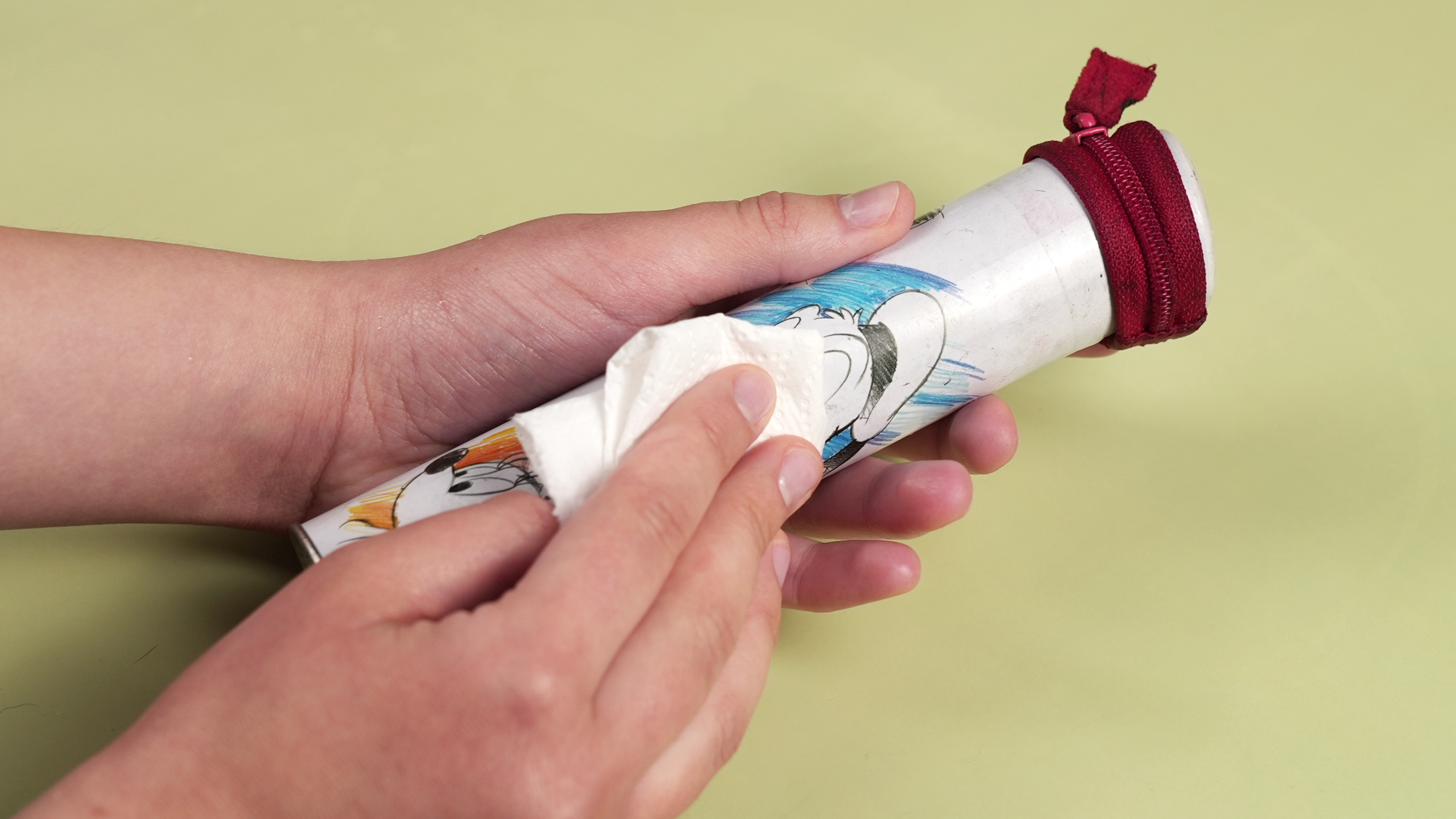
Mix a few drops of mild dish soap with warm water. Dip a microfiber cloth into the solution, wring it out well, and wipe the inside of the pencil case. The cloth should be damp, not dripping. Too much water can damage zippers, cardboard stiffeners, fabric backing, or glued seams.
Step 4: Clean the Exterior
Use the same soapy cloth to wipe the outside. For tougher spots, gently scrub with a soft toothbrush. Do not attack the stain like you are scrubbing a grill after a barbecue. Gentle pressure works better and protects the material.
Step 5: Rinse and Dry
Wipe again with a clean damp cloth to remove soap residue. Then blot with a towel and leave the case open to air dry completely. Never pack supplies back into a damp pencil case unless you are trying to start a mildew science project.
How to Deep Clean a Fabric Pencil Case
If your fabric pencil case has stains, odor, or a suspicious history, it may need a deeper clean.
Step 1: Pre-Treat Stains
Apply a small amount of gentle laundry detergent or dish soap directly to stained areas. Work it in lightly with your fingers or a soft toothbrush. Let it sit for 10 to 15 minutes, but do not let the cleaner dry completely on the fabric.
Step 2: Hand-Wash in Warm Water
Fill a sink or bowl with warm water and a small amount of mild detergent. Submerge the pencil case only if the material and construction can handle it. Swish gently, scrub stained areas with a toothbrush, and pay special attention to the corners and zipper track.
Step 3: Rinse Thoroughly
Drain the soapy water and rinse with clean cool water until no suds remain. Soap left behind can attract more dirt and make fabric feel stiff.
Step 4: Remove Excess Water
Press the case between clean towels. Do not twist or wring it aggressively, especially if it has padding, lining, embroidery, or decorative patches.
Step 5: Air Dry Completely
Leave the case open in a well-ventilated area. A sunny spot can help, but avoid intense heat that may fade colors or warp plastic details. Do not use a dryer unless the care label clearly says it is safe. Heat can shrink fabric, melt coatings, warp zippers, or set stains permanently.
Can You Wash a Pencil Case in the Washing Machine?
Sometimes, yesbut only if the care label says the pencil case is machine-washable. Fabric pencil cases made from cotton, canvas, nylon, or polyester may survive a gentle machine wash. Cases with leather trim, cardboard inserts, glued decorations, sequins, foam structure, metal corners, or delicate prints should be hand-cleaned instead.
To machine-wash safely, empty the case, pre-treat stains, zip it closed, place it inside a mesh laundry bag, and wash it on a gentle cycle with cold water and mild detergent. Wash it with towels or soft items to reduce banging around in the machine. After washing, reshape it and air dry it open.
Skip the dryer. The dryer is where innocent pencil cases go to become warped little regrets.
How to Clean a Plastic or Silicone Pencil Case
Plastic and silicone pencil cases are low-maintenance, which is great because they often belong to people who have strong opinions about glitter pens.
- Empty the case and shake out debris.
- Rinse removable plastic parts with warm water if safe.
- Wash with mild dish soap and a soft sponge.
- Use a cotton swab to clean hinges, grooves, or corners.
- Rinse with a clean damp cloth.
- Dry with a towel and leave open until fully dry.
For sticky residue from tape, labels, or glue, rub the area with a small amount of dish soap first. If that does not work, try a tiny amount of rubbing alcohol on a cotton pad, but test it first. Alcohol can dull certain plastics or damage printed designs.
How to Clean a Clear Pencil Case
Clear pencil cases are stylish because you can see everything inside. Unfortunately, you can also see every smudge, ink dot, and crumb. Clean clear PVC or plastic cases with mild soap, warm water, and a soft cloth. Avoid rough scrubbers, powdered cleansers, bleach, and strong solvents, which may scratch, cloud, or weaken the material.
If the case looks cloudy, wipe it with a damp cloth and a tiny drop of dish soap, then rinse with a clean cloth and dry immediately. Store it away from direct heat, because clear plastic can warp or yellow over time.
How to Remove Common Pencil Case Stains
Different stains need different strategies. The faster you treat a stain, the better your chance of removing it.
Graphite Pencil Marks
For graphite marks, start with a clean soft eraser. Gently erase the mark from fabric or plastic. Then wipe away residue with a damp cloth. Avoid grinding graphite deeper into fabric by rubbing too hard.
Ink Stains
Ink is the drama queen of pencil case stains. For fabric, place a clean towel under the stained area, then dab the stain with rubbing alcohol using a cotton swab or cloth. Blot; do not rub. Replace the towel as ink transfers. Rinse and wash with mild detergent. Always test first because alcohol may affect dyes or coatings.
Marker and Highlighter Stains
For washable marker stains, rinse or blot with water first, then clean with dish soap or laundry detergent. For stubborn marker stains on fabric, a small amount of rubbing alcohol may help. On plastic, try soap and water before anything stronger.
Crayon or Wax Marks
Scrape off excess wax gently with a dull edge, such as the side of a spoon. Apply dish soap, work it in with a soft brush, and rinse with warm water. For fabric cases, repeat before washing. Do not apply high heat, because heat can push wax deeper into fibers.
Glue or Sticky Residue
Peel away dried glue carefully. Use warm soapy water to soften residue. For plastic or silicone, a little rubbing alcohol may help, but test first. For fabric, dish soap and patience are safer than harsh solvents.
Mystery Stains
If you do not know what caused the stain, start with the gentlest method: cool water and mild soap. If that fails, move to a targeted stain treatment. Avoid mixing chemicals, especially bleach with ammonia or vinegar. Your pencil case does not need a chemistry experiment with consequences.
How to Remove Odors from a Pencil Case
If your pencil case smells musty, sour, or like a backpack had a bad week, odor removal starts with cleaning. Dirt and bacteria can hold smells, so wipe or wash the case first.
For fabric cases, sprinkle baking soda inside once the case is dry. Let it sit overnight, then shake and brush it out. For plastic or silicone cases, wipe the inside with a cloth dampened with a mixture of water and a small splash of white vinegar, then wipe again with plain water and air dry.
For persistent odors, place the clean, dry case in a breathable bag with baking soda nearby, not directly poured onto delicate surfaces. Leave it for a day. Fresh air also helps. A well-ventilated windowsill can do more than a heavy perfume spray, which often just creates “old marker plus fake lavender,” a scent no one requested.
How to Sanitize a Pencil Case Safely
Cleaning and sanitizing are not the same. Cleaning removes dirt and many germs with soap and water. Sanitizing reduces germs further. For everyday pencil cases, cleaning is usually enough unless the case was exposed to illness, food spills, or something especially gross.
For hard plastic or metal cases, you may use a disinfecting wipe if the product label says it is safe for that surface. Wipe first to remove visible dirt, then follow the disinfectant label for wet contact time. For fabric cases, use a fabric-safe sanitizer only as directed, and avoid saturating the material. Always let the case dry fully before use.
Do not use bleach on colored fabric, leather, clear plastic, or decorative cases unless the care instructions specifically allow it. Bleach can discolor, weaken, or damage materials quickly.
How Often Should You Clean Your Pencil Case?
For students, artists, office workers, and stationery lovers, a quick clean once a week is ideal. Shake out crumbs and pencil dust every few days if the case gets heavy use. Deep clean once a month, or sooner if there are leaks, odors, food crumbs, or visible stains.
Here is a simple schedule:
- Daily: Remove loose trash and cap pens tightly.
- Weekly: Shake out debris and wipe the inside.
- Monthly: Spot clean stains and refresh odors.
- Each semester: Deep clean and reorganize supplies.
What Not to Do When Cleaning a Pencil Case
A few cleaning mistakes can turn a small mess into a bigger problem. Avoid these common errors:
- Do not machine-wash without checking the care label.
- Do not put most pencil cases in the dryer.
- Do not soak leather, faux leather, cardboard-lined, or structured cases.
- Do not scrub clear plastic with abrasive pads.
- Do not use bleach on colored fabric or delicate designs.
- Do not mix cleaning chemicals.
- Do not return supplies before the case is completely dry.
Also, do not ignore leaky pens. A single uncapped gel pen can turn your pencil case into abstract art overnight. Artistic? Maybe. Convenient? Absolutely not.
How to Keep Your Pencil Case Clean Longer
Once your pencil case is fresh, keep it that way with a few easy habits.
Use Pen Caps Like Your Future Depends on It
Most ink disasters happen because caps go missing or retractable pens are left open. Before packing up, do a quick cap check.
Separate Messy Supplies
Keep glue sticks, sharpeners, charcoal pencils, paint pens, and markers in a small inner pouch or zip-top bag. This prevents one messy item from ruining everything else.
Clean the Supplies Too
Wipe down pens, rulers, scissors, and erasers before putting them back. A clean pencil case filled with dirty supplies will not stay clean for long.
Do a Monthly Declutter
Throw away dried markers, broken pencil stubs, empty lead containers, and eraser crumbs. Keep only what you actually use. Your pencil case is not a retirement home for dead pens.
Quick Cleaning Methods by Pencil Case Type
Canvas Pencil Case
Brush out dust, pre-treat stains with mild detergent, hand-wash in warm water, rinse well, and air dry open.
Nylon or Polyester Pencil Case
Wipe with soapy water for light cleaning. For deeper cleaning, hand-wash or machine-wash on gentle only if the care label allows it.
Silicone Pencil Case
Wash with dish soap and warm water. Use a soft brush for textured areas. Rinse and dry completely.
Clear PVC Pencil Case
Use a soft cloth, mild soap, and water. Avoid alcohol unless tested first, and never use abrasive scrubbing pads.
Leather Pencil Case
Wipe with a barely damp cloth and mild soap. Dry immediately. Use leather conditioner if appropriate.
Metal Pencil Box
Wipe with a damp soapy cloth, rinse with a clean cloth, and dry thoroughly around hinges and corners.
Experience-Based Tips: What Actually Works in Real Life
The best pencil case cleaning routine is the one you will actually do. A perfect 12-step process sounds lovely until it is Sunday night, school starts tomorrow, and the pencil case looks like it has been living under a car seat since October. In real life, simple habits beat complicated cleaning rituals every time.
One practical experience many students and parents share is that the “shake-out method” prevents half the mess. Turn the pencil case upside down over a trash can once a week, tap the sides, and brush out the corners. This takes less than a minute, but it stops eraser crumbs and graphite dust from building into a gray paste at the bottom. It is not glamorous, but neither is finding crumbs stuck to your favorite pen.
Another lesson: clean stains as soon as you notice them. Ink and marker stains are much easier to treat when fresh. A tiny blue dot from a pen leak can often be blotted away with rubbing alcohol if you catch it quickly. Wait two months, and that dot may become a permanent member of the family. For kids’ pencil cases, it helps to check for uncapped markers every Friday. Think of it as a tiny stationery inspection with very low stakes and surprisingly high rewards.
Fabric pencil cases usually look better after hand-washing than after aggressive machine washing. A gentle soak, a toothbrush, and mild detergent give you more control. Machine washing can work, but it can also bend zipper pulls, fray seams, or damage cute patches. If the case has sentimental value, hand-wash it. If it was a bargain-bin pouch already held together by hope, the washing machine may be worth the gamble.
For plastic and silicone cases, dish soap is the quiet champion. It removes hand oils, sticky residue, and most everyday grime without drama. A cotton swab is excellent for corners, zipper tracks, and molded compartments. Clear cases need extra gentleness because scratches show quickly. Once scratched, they can look cloudy even when clean, which is unfair but true.
Odor problems usually come from moisture, food crumbs, or forgotten items. The most effective fix is to clean first, dry completely, then use baking soda. Spraying fragrance into a dirty pencil case only adds a new smell on top of the old one. That is not freshness; that is a cover-up operation.
The final experience-based rule is simple: do not overfill the case. When a pencil case is packed too tightly, pens pop open, erasers crumble, pencil tips break, and everything rubs together. Keep your daily essentials inside and store extras elsewhere. A pencil case should be a helpful tool, not a supply closet with zipper anxiety.
With a quick weekly clean, smart stain treatment, and full air drying, your pencil case can last longer, smell better, and look far less terrifying when opened in public. That is a small win, but in the world of school supplies, small wins count.
Conclusion
Cleaning your pencil case is quick, easy, and absolutely worth it. Start by identifying the material, empty everything, shake out debris, wipe or wash with mild soap, treat stains carefully, and let the case air dry completely. Fabric cases may need hand-washing or gentle machine washing, while plastic, silicone, PVC, leather, and metal cases need more targeted care.
The main rule is simple: gentle cleaning first. Soap and water solve most pencil case problems. For tougher stains, use the right treatmentrubbing alcohol for some ink stains, dish soap for waxy crayon marks, baking soda for odors, and a soft brush for corners. Keep supplies capped, remove trash regularly, and do a monthly cleanout so your pencil case stays organized instead of becoming a tiny disaster pouch with a zipper.
Note: This article was created from practical cleaning principles synthesized from reputable U.S. household-care, public-health, laundry, school-supply, outdoor-gear, and consumer-cleaning guidance. It is written for general home use; always follow your pencil case care label and product directions.