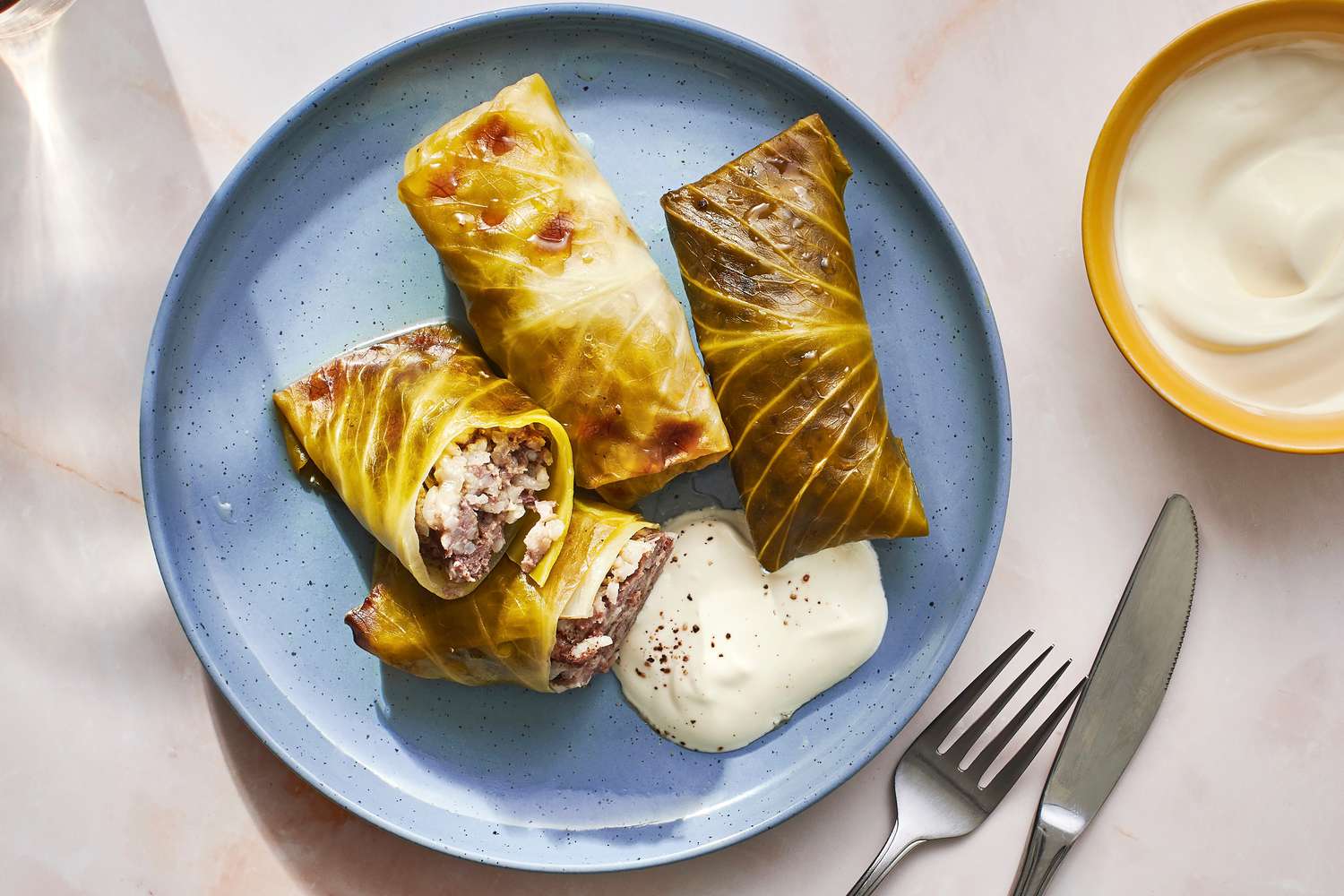
Gołąbki, pronounced roughly as gaw-WOHMP-kee, are Polish stuffed cabbage rolls filled with a savory mixture of meat, rice, onion, and seasonings, then baked or simmered in tomato sauce until tender. The name means “little pigeons” in Polish, which is adorable because these cabbage rolls do not fly, chirp, or complain about parking. They simply sit in the pan, soaking up sauce and becoming one of the coziest comfort foods in Eastern European cooking.
This Polish stuffed cabbage recipe is hearty, practical, budget-friendly, and deeply satisfying. It is the kind of dish that looks humble at first glance but wins people over with one bite. Tender cabbage leaves wrap around a juicy beef-and-pork filling, while tomato sauce adds brightness and gentle sweetness. Serve gołąbki with mashed potatoes, rye bread, sour cream, or cucumber salad, and suddenly dinner feels like it came from a grandmother who knows exactly when you need a second helping.
Below, you’ll find a complete gołąbki recipe, plus helpful tips for choosing cabbage, rolling without tearing, making the sauce, storing leftovers, freezing, reheating, and avoiding the classic “why did my cabbage explode?” kitchen moment.
What Are Gołąbki?
Gołąbki are traditional Polish cabbage rolls made by wrapping cabbage leaves around a filling of ground meat and rice. Most classic versions use ground pork, ground beef, or a combination of both. The rolls are usually cooked in tomato sauce, broth, or a creamy tomato mixture until the cabbage becomes tender and the filling cooks through.
Like many beloved old-world recipes, gołąbki vary from family to family. Some cooks add mushrooms, barley, buckwheat, garlic, marjoram, paprika, or sauerkraut. Others keep the filling beautifully simple: meat, rice, onion, salt, and pepper. Some bake the cabbage rolls in a casserole dish; others simmer them gently on the stovetop or cook them in a slow cooker. There is no single “correct” version, which is good news for anyone who has ever had to improvise because the grocery store was out of one ingredient and apparently cabbage roll emergencies are real.
Why This Polish Stuffed Cabbage Recipe Works
This recipe balances tradition with home-kitchen practicality. The cabbage leaves are softened first, making them easier to roll. The rice is partially cooked so it stays tender without turning mushy. The meat filling includes onion and garlic for depth, while a simple tomato sauce keeps everything moist as the rolls bake.
The result is classic gołąbki with tender cabbage, juicy filling, and a sauce that tastes like it spent more time on the stove than it actually did. It is filling enough for Sunday dinner, freezer-friendly enough for meal prep, and comforting enough to make a gray Tuesday feel slightly less like a gray Tuesday.
Ingredients for Gołąbki
For the cabbage rolls
- 1 large green cabbage, about 2 1/2 to 3 pounds
- 1 pound ground beef
- 1/2 pound ground pork
- 1 cup cooked white rice, cooled
- 1 medium yellow onion, finely chopped
- 2 cloves garlic, minced
- 1 large egg
- 1 1/2 teaspoons kosher salt
- 1/2 teaspoon black pepper
- 1 teaspoon dried marjoram, optional but very Polish in spirit
- 1 tablespoon butter or oil for sautéing
For the tomato sauce
- 1 tablespoon olive oil or butter
- 1 small onion, finely chopped
- 2 cloves garlic, minced
- 1 can tomato sauce, 15 ounces
- 1 can crushed tomatoes, 14 to 15 ounces
- 1 cup beef broth, chicken broth, or cabbage cooking water
- 1 tablespoon tomato paste
- 1 teaspoon sugar, optional
- 1/2 teaspoon paprika
- Salt and pepper to taste
- 2 tablespoons sour cream, optional for serving
How to Make Gołąbki Step by Step
Step 1: Prepare the cabbage
Bring a large pot of salted water to a boil. Remove any damaged outer cabbage leaves. Use a sharp knife to cut around the core, loosening it as much as possible. Carefully place the whole cabbage head into the boiling water. After a few minutes, the outer leaves will soften and begin to pull away.
Use tongs to remove the softened leaves one by one. Place them on a tray or clean towel to cool. You will need about 12 to 16 large leaves, depending on how full you make each roll. If the inner leaves are still firm, return the cabbage to the pot and continue blanching. Cabbage is patient, but only up to a point.
Step 2: Trim the thick stems
Once the leaves are cool enough to handle, trim down the thick center rib from each cabbage leaf. Do not cut all the way through the leaf. The goal is to make the leaf flexible so it rolls neatly around the filling. Think of it as giving the cabbage a tiny tailoring session.
Step 3: Make the filling
In a skillet, heat butter or oil over medium heat. Add the chopped onion and cook until soft and lightly golden, about 5 minutes. Add the garlic and cook for another 30 seconds. Remove from heat and let cool slightly.
In a large bowl, combine the ground beef, ground pork, cooked rice, onion-garlic mixture, egg, salt, pepper, and marjoram. Mix gently with clean hands or a spoon until combined. Do not overmix, or the filling can become dense. Gołąbki should be hearty, not shaped like meat bricks wearing cabbage jackets.
Step 4: Roll the cabbage
Lay one cabbage leaf flat with the stem end closest to you. Place about 1/3 to 1/2 cup of filling near the bottom of the leaf, depending on leaf size. Fold the bottom over the filling, fold in the sides, and roll upward into a neat bundle. Repeat with the remaining leaves and filling.
If a leaf tears, do not panic. Patch it with a smaller cabbage leaf and keep rolling. Rustic gołąbki taste just as good as perfect ones. In fact, the slightly messy roll is often the first one people secretly choose because it has extra sauce hiding in the folds.
Step 5: Make the tomato sauce
Heat olive oil or butter in a saucepan over medium heat. Add the onion and cook until softened. Add garlic and stir briefly. Stir in tomato sauce, crushed tomatoes, broth, tomato paste, sugar, paprika, salt, and pepper. Simmer for 10 minutes so the flavors can come together.
The sugar is optional, but it helps balance the acidity of canned tomatoes. If your tomatoes already taste sweet and mellow, skip it. If the sauce tastes sharp enough to raise one eyebrow, add the sugar.
Step 6: Bake the gołąbki
Preheat the oven to 350°F. Spread a thin layer of tomato sauce in the bottom of a large baking dish or Dutch oven. Arrange the cabbage rolls seam-side down in a snug layer. Pour the remaining sauce over the top. Cover tightly with foil or a lid.
Bake for 1 hour and 30 minutes, or until the cabbage is tender and the filling reaches a safe internal temperature of 160°F. Let the rolls rest for 10 minutes before serving. This short rest helps the filling settle and keeps the sauce from behaving like tomato lava.
How to Serve Polish Stuffed Cabbage Rolls
Gołąbki are filling enough to serve as the main dish. Spoon extra tomato sauce over each roll and add a dollop of sour cream if you like a creamy finish. For a classic comfort-food plate, serve them with mashed potatoes. For something lighter, add a cucumber salad with sour cream and dill, steamed vegetables, or a crisp green salad.
Rye bread is also excellent on the side because it can mop up the sauce. This is not technically required, but leaving tomato sauce behind feels like a missed opportunity.
Tips for the Best Gołąbki
Choose the right cabbage
Green cabbage is the standard choice for Polish stuffed cabbage rolls. Look for a large head with flexible, tightly packed leaves. Savoy cabbage also works well because its leaves are naturally tender and easy to fold. If your cabbage is very firm, blanch it longer and remove the leaves gradually.
Do not overcook the rice
Cooked rice should be tender but not mushy. Since it will bake inside the rolls, slightly firm rice is better than overdone rice. Leftover rice works nicely as long as it is not heavily seasoned.
Use a mix of meats
A combination of ground beef and ground pork gives gołąbki a rich, juicy filling. Beef brings savory flavor, while pork adds tenderness. You can use all beef if preferred, but the texture may be a little firmer. Ground turkey can also work, though it benefits from extra onion, garlic, and a spoonful of oil or sour cream for moisture.
Keep the rolls snug
Place the cabbage rolls close together in the baking dish. This helps them hold their shape while cooking. If there is too much empty space, the rolls may shift around like tiny cabbage boats in a tomato sea.
Cover while baking
Covering the dish traps steam, softens the cabbage, and keeps the filling moist. If you want a slightly thicker sauce, uncover the dish for the final 15 minutes of baking.
Common Gołąbki Variations
One of the joys of gołąbki is that the recipe can be adapted without losing its soul. For a more old-fashioned flavor, add a teaspoon of marjoram to the filling. For a brighter sauce, add a splash of vinegar or lemon juice. For sweetness, include a small spoonful of brown sugar in the tomato sauce. Some cooks layer sauerkraut under the cabbage rolls for tang and depth.
Vegetarian gołąbki can be made with mushrooms, rice, buckwheat, lentils, or barley. Mushroom-and-buckwheat cabbage rolls are especially flavorful and fit beautifully with Polish cooking traditions. The texture is different from meat-filled gołąbki, but the comfort level remains high.
How to Store and Reheat Gołąbki
Store leftover gołąbki in an airtight container in the refrigerator for up to 4 days. Keep them covered with sauce so they stay moist. Reheat in a covered dish at 325°F until hot, or warm gently in a saucepan over low heat. You can also microwave individual portions, but cover them to prevent splattering.
Gołąbki freeze very well. Let cooked rolls cool completely, then place them in freezer-safe containers with sauce. Freeze for up to 3 months. Thaw overnight in the refrigerator before reheating. You can freeze uncooked rolls too, but cooked gołąbki are usually easier to reheat evenly.
Food Safety Notes
Because gołąbki often contain ground meat, cook the filling to an internal temperature of 160°F. Use a food thermometer inserted into the center of a roll to check doneness. The cabbage may look done before the meat is fully cooked, so temperature is more reliable than guessing.
Refrigerate leftovers within 2 hours of cooking. When reheating, warm them until steaming hot throughout. Good food safety is not glamorous, but neither is explaining to your family that dinner came with a surprise stomach workout.
Frequently Asked Questions About Gołąbki
Can I make gołąbki ahead of time?
Yes. You can assemble the cabbage rolls one day ahead, cover them, and refrigerate them before baking. Add sauce just before baking or store them already sauced. You may need to add 10 to 15 minutes to the baking time if they go into the oven cold.
Can I use uncooked rice?
Some recipes use uncooked or partially cooked rice, but cooked rice is more predictable for home cooks. It helps the filling stay tender and reduces the risk of crunchy rice in the center.
Why are my cabbage leaves tearing?
The leaves may not be soft enough, or the center rib may be too thick. Blanch the cabbage longer and trim the rib before rolling. If a leaf tears, use a smaller leaf as a patch.
Can I cook gołąbki in a slow cooker?
Yes. Layer sauce in the bottom of the slow cooker, add the rolls seam-side down, cover with more sauce, and cook on low for 6 to 7 hours or on high for 3 to 4 hours. Check that the filling reaches 160°F.
What does gołąbki mean?
Gołąbki literally means “little pigeons” in Polish. The name likely refers to the shape of the rolls rather than the ingredients. No pigeons are invited to this dinner, which is probably for the best.
Experience Notes: What Making Gołąbki Feels Like in a Real Kitchen
Making gołąbki is not the fastest dinner in the world, but it has a rhythm that makes the kitchen feel warm and purposeful. First comes the cabbage, bobbing in the pot like a green beach ball with serious responsibilities. As the leaves soften and loosen, the whole process starts to feel less intimidating. You realize the cabbage is not the boss of you. You are the boss of the cabbage, at least until one leaf tears and reminds you to stay humble.
The filling is the heart of the recipe. Mixing meat, rice, onion, garlic, and seasoning by hand feels old-fashioned in the best way. It is simple food, but not boring food. The onion adds sweetness, the garlic gives it backbone, and the rice makes everything tender and filling. If you add marjoram, the mixture takes on that unmistakable Polish comfort-food aroma: earthy, warm, and slightly floral.
Rolling the cabbage leaves is where beginners often get nervous, but it quickly becomes satisfying. The first roll may look like it needs emotional support. The second one usually improves. By the fourth, you start feeling like you could open a tiny cabbage-roll factory, though perhaps not a very fast one. The trick is not to overfill the leaves. A modest amount of filling gives you a neat roll that stays closed. Too much filling creates a dramatic cabbage situation, and dinner already has enough plot.
Once the rolls are tucked into the baking dish and covered with tomato sauce, the hardest part is waiting. The oven does the slow work: softening the cabbage, cooking the meat, thickening the sauce, and blending everything into one cozy dish. The smell is rich but not flashy. It is the smell of dinner that expects people to sit down, pass plates, and maybe tell the same family story for the hundredth time.
Serving gołąbki is especially rewarding because the dish looks generous. A plate with two cabbage rolls, a spoonful of tomato sauce, and a scoop of mashed potatoes feels complete. Add sour cream if you like a creamy tang, or keep it plain and let the tomato sauce shine. The first bite should be tender enough to cut with a fork, with cabbage that gives way easily and filling that stays juicy.
Leftovers are part of the experience too. Gołąbki often taste even better the next day, after the sauce has settled into every fold. Reheated cabbage rolls make a lunch that feels like you planned your life well, even if you are eating them while standing at the counter between emails. They freeze beautifully, which means one afternoon of rolling can become several future meals. That is the magic of this Polish stuffed cabbage recipe: it rewards patience, feeds generously, and turns simple ingredients into something memorable.
Conclusion
Gołąbki are more than cabbage rolls. They are a classic Polish comfort food built from humble ingredients and patient cooking. With tender cabbage leaves, a savory meat-and-rice filling, and a bright tomato sauce, this dish delivers warmth, nostalgia, and serious dinner-table satisfaction.
Whether you grew up eating Polish stuffed cabbage or are making it for the first time, gołąbki are worth the effort. The steps are simple, the ingredients are affordable, and the results are deeply comforting. Plus, once you learn how to roll cabbage leaves without panicking, you gain a kitchen skill that feels oddly powerful.