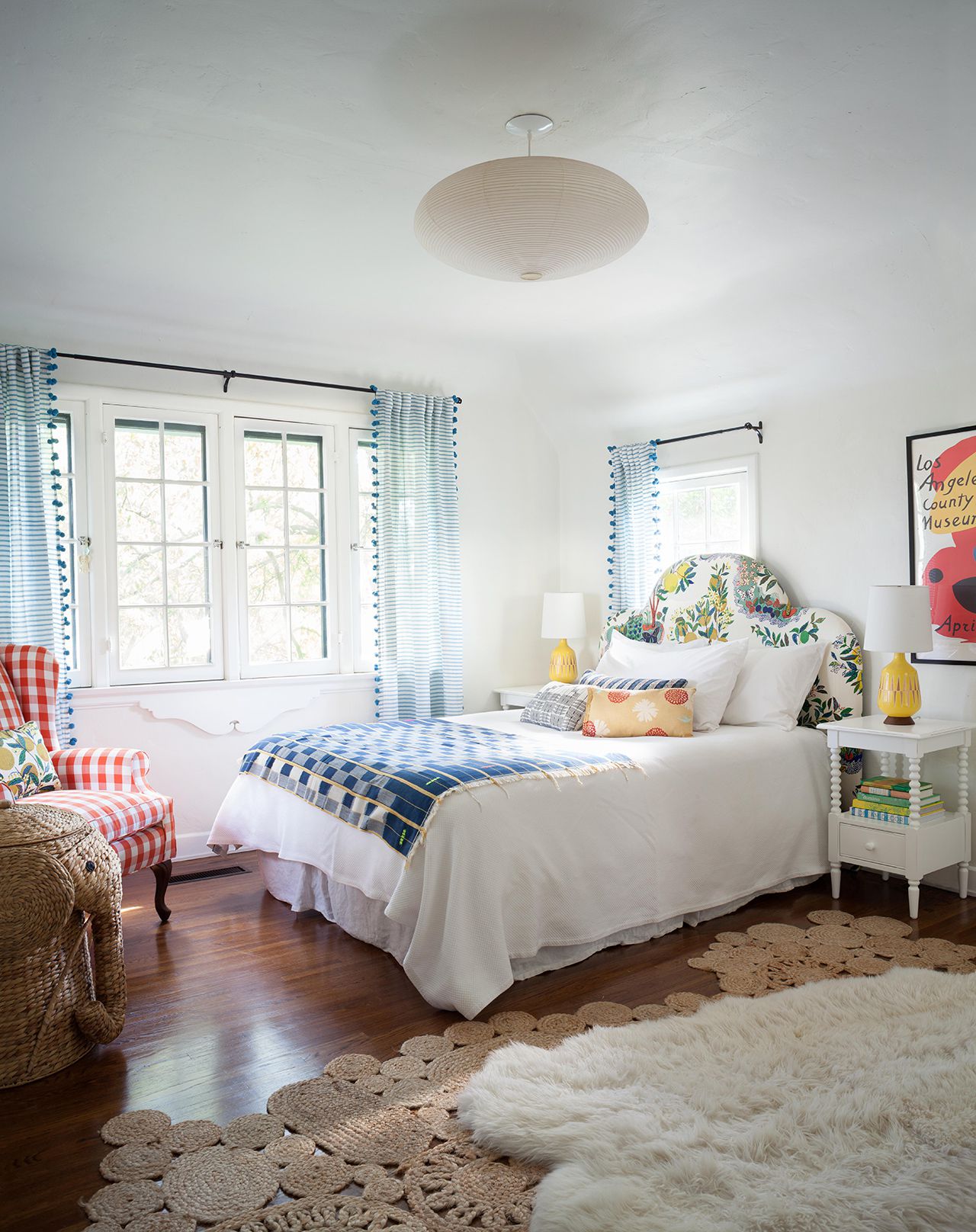
A small bedroom can feel like a daily obstacle course. One wrong chair, one oversized nightstand, one “cute” storage bench that is secretly the size of a canoe, and suddenly you are shimmying sideways just to reach your closet. The good news is that smart bedroom furniture arrangement is less about square footage and more about strategy. A well-planned room can feel calmer, look bigger, and work harder without losing comfort.
If you want to maximize space in a bedroom, start by thinking like an editor, not a collector. Your room does not need every piece of furniture ever invented. It needs the right pieces in the right places, with enough breathing room to sleep, move, dress, and relax like a civilized person. Below, you will find practical bedroom layout ideas, space-saving tricks, and design decisions that make even awkward rooms feel more functional.
Start With Function, Not Fantasy
Before you move a single lamp, ask one simple question: what does this bedroom need to do every day? For most people, the answer is sleep, storage, dressing, and maybe a little reading or laptop use. That means your furniture plan should prioritize the essentials first: bed, clothing storage, lighting, and clear walking paths.
This is where many layouts go off the rails. People often arrange the room around symmetry alone, or they force in extra furniture because it looked good in a catalog. Real life is less forgiving. If your dresser blocks a drawer from opening fully, or your bed placement makes the closet door feel like a trap, the room is not working, no matter how photogenic it is.
Make a short furniture priority list
- Must-have: bed, clothing storage, lighting
- Nice-to-have: nightstands, bench, desk, accent chair
- Only if the room truly allows: vanity, oversized armoire, extra seating zone
That one exercise alone can save you a surprising amount of space. Your bedroom is a retreat, not a furniture audition.
Choose the Best Bed Placement First
The bed is the largest object in the room, so its position decides almost everything else. In most bedroom furniture arrangement plans, the ideal setup places the bed where it feels visually anchored and still leaves comfortable room to move around it. In a standard room, that is often centered on the main wall. But “often” is not the same as “always.”
If your bedroom is small, narrow, or full of odd architectural features, you may need a less traditional setup. Sometimes placing the bed against one wall or in a corner opens valuable floor area for a dresser, a slim desk, or easier circulation. That is not a design failure. That is a smart layout.
Bed placement options that save space
- Centered on the main wall: best for balanced rooms and couples who want access from both sides
- Against one side wall: useful in tight or narrow bedrooms where floor space is limited
- In a corner: excellent for guest rooms, kids’ rooms, and very small bedrooms
- Under a window: a practical solution when wall space is limited, as long as the setup still feels comfortable and intentional
The key is not to worship one layout rule. The key is to create flow. You should be able to get in and out of bed, reach the closet, and open storage without performing a nightly ballet routine.
Edit the Rest of the Furniture Ruthlessly
Once the bed is set, every other piece has to earn its keep. This is where smart small bedroom layout design gets interesting. Instead of asking, “What else can I fit?” ask, “What can this item do for me?”
A nightstand can become a small floating shelf. A desk can double as a bedside table. A bench can offer hidden storage. A tall dresser can replace a long low unit and free up more floor space. A wardrobe with better internal organization can eliminate the need for extra bins and random baskets multiplying in corners like dust bunnies with ambition.
Good swaps for a space-saving bedroom furniture plan
- Replace bulky nightstands with floating shelves or wall-mounted ledges
- Use a narrow dresser instead of a wide low chest
- Choose one larger storage piece instead of several tiny ones
- Skip the bench if it becomes a laundry mountain by noon
- Consider a wall-mounted sconce instead of a table lamp
One of the biggest mistakes in bedroom organization is filling the room with too many small pieces. Ironically, that can make the space feel busier and tighter. Fewer, better-scaled items usually create a cleaner and more spacious result.
Use Vertical Space Like You Mean It
If your room is short on floor area, your walls need to start pulling their weight. Vertical storage is one of the best ways to maximize bedroom space without making the room feel crowded. Tall shelving, wall hooks, floating nightstands, mounted sconces, and shelves above dressers all free up valuable square footage below.
This approach also improves visual order. When clutter has a clear home, the room immediately feels more open. That is not just a style trick. It changes how the space functions day to day.
Smart vertical storage ideas
- Install shelves above the bed or around the headboard
- Use hooks on the wall or behind the door for bags, robes, or hats
- Choose a tall bookcase instead of several short pieces
- Hang curtains higher to draw the eye upward
- Add wall sconces to free nightstand space
If you want the room to feel bigger, keep the vertical elements clean and purposeful. A beautifully styled shelf is charming. Eight random storage baskets and a mystery cord situation are less charming.
Hide Storage in Plain Sight
The best small bedroom storage ideas are the ones that do not look like emergency problem-solving. Hidden storage makes the room feel calmer because it reduces visual noise, and visual noise is often the real culprit when a room feels cramped.
Under-bed storage is one of the easiest wins. Beds with drawers or lift-up storage bases are especially useful in rooms with limited closet space. Storage ottomans, headboards with cubbies, and slim wardrobes with smart inserts can also pull a lot of weight without making the room feel overfurnished.
Where to find extra storage without adding clutter
- Under the bed
- Inside an upholstered storage bench
- Behind the headboard with a narrow shelf
- Inside closet organizers and drawer dividers
- Over the door or above the closet
The goal is simple: store more, show less. Bedrooms feel larger when the surfaces are clear and the floor is visible.
Work With the Room Shape, Not Against It
Not every bedroom is a neat rectangle. Some are narrow, some have off-center windows, some have weird corners that seem designed by someone who was angry at furniture. That does not mean the room is hopeless. It just means the layout should respond to the shape.
For a narrow bedroom
Keep the bed along the longest practical wall, use slim storage pieces, and avoid deep furniture near the foot of the bed. Wall-mounted lighting and narrow bedside shelves are especially helpful here.
For a square bedroom
A centered bed often works well, but do not automatically fill both sides with matching bulky furniture. You may gain more usable space by keeping one side lighter and placing a dresser or desk opposite the bed.
For a bedroom with a desk
Use one compact work zone rather than scattering office items around the room. Position the desk near natural light if possible, and keep it visually separate from the sleeping zone with lighting, a rug, or different wall styling.
For a shared bedroom
Go vertical whenever possible. Bunk beds, twin beds placed head-to-head, or one wall of shared storage can preserve more open floor area than trying to give each sleeper a fully independent furniture setup.
Use Design Tricks That Make the Room Feel Bigger
Layout matters most, but visual decisions matter too. Once the furniture is arranged well, a few design moves can make the room feel more expansive. Light or cohesive color palettes help the eye move smoothly across the room. Mirrors reflect light and create depth. Furniture with visible legs lets you see more floor, which subtly makes the room feel less heavy.
Even lighting plays a role. Layered light makes a room feel intentional and open. A single overhead bulb tends to flatten the space, while wall sconces, bedside lights, and soft ambient lighting give the bedroom more dimension.
Visual tricks worth using
- Stick to a cohesive color palette
- Use mirrors to bounce light around the room
- Choose furniture with lighter visual weight
- Hang curtains high and wide
- Keep bedding simple instead of piling on endless decorative extras
Yes, this means your chair does not need six throw pillows. Your chair is not royalty.
Common Bedroom Layout Mistakes to Avoid
Sometimes the fastest way to improve a room is to stop doing what is making it feel smaller. A few common bedroom layout mistakes show up again and again.
- Pushing in too much furniture: more pieces do not equal more function
- Blocking natural pathways: awkward circulation makes the room feel cramped instantly
- Choosing furniture that is too deep or too wide: scale matters
- Ignoring vertical storage: empty walls are missed opportunities
- Using surface space as storage: cluttered tops make the whole room feel smaller
- Forcing symmetry: balanced does not always mean practical
If your current arrangement feels frustrating, you probably do not need a full remodel. You may just need a better plan and a little less furniture.
Simple Bedroom Layout Examples That Actually Work
Layout 1: The small primary bedroom
Place the bed on the main wall, use two narrow floating shelves as nightstands, position a tall dresser on the opposite wall, and use under-bed storage for extra linens. Add wall sconces to keep the top surfaces clear.
Layout 2: The narrow guest room
Push the bed against one wall, skip one nightstand, use a slim desk as a dual-purpose surface, and hang shelves above it. This creates better walking clearance and keeps the room from feeling pinched.
Layout 3: The bedroom-office combo
Anchor the bed first, then create one dedicated work corner near the window. Use a compact desk, vertical shelving, and a chair that tucks fully underneath. The room works better when the office area is compact and contained.
Layout 4: The kid or teen room
Use a loft, bunk, or corner bed to open the center of the room. Add wall hooks, open bins, and a single dresser with good organization rather than multiple small units fighting for floor space.
Final Thoughts
The best way to arrange bedroom furniture to maximize space is to stop decorating on autopilot. Start with function. Place the bed where it supports flow. Choose fewer, harder-working pieces. Use vertical storage. Keep surfaces clean. And let the room shape guide the plan instead of forcing a layout that belongs in someone else’s house.
A spacious bedroom is not always a bigger bedroom. Often, it is just a smarter one. When furniture placement supports your daily routine instead of interrupting it, the room feels lighter, calmer, and far more comfortable. That is the kind of luxury most bedrooms actually need.
Experience-Based Lessons From Rearranging Bedrooms
One of the most useful lessons people learn when rearranging a bedroom is that the first layout usually is not the best one. Many start with the bed centered on the largest wall because that seems like the “correct” design choice. But after a week of bumping into the dresser, squeezing past the closet, or finding no good place to set down a book or phone, it becomes obvious that a beautiful layout on paper can still be annoying in real life. The room has to support habits, not just proportions.
Another common experience is realizing how much visual clutter affects comfort. A bedroom may technically fit a queen bed, two nightstands, a dresser, a bench, a desk, and a chair, but that does not mean it should. Once people remove even one or two unnecessary pieces, the room often feels dramatically easier to use. Suddenly there is open floor visible again. The air feels lighter. Cleaning is easier. The room seems calmer, even though the square footage has not changed at all.
People also tend to discover that storage problems are often furniture problems in disguise. For example, someone may think they need another dresser, when what they really need is better closet organization or under-bed bins for off-season clothing. Others realize a bulky pair of nightstands is taking up more room than the items stored inside them. Swapping those out for floating shelves or narrow tables often creates a surprisingly big difference in both movement and appearance.
In narrow bedrooms, experience usually teaches flexibility. Many homeowners resist placing the bed against a side wall or under a window because it feels unconventional. Then they try it, live with it, and realize the room works far better. They gain a cleaner path to the door, enough space for a usable dresser, or even room for a compact desk. The “imperfect” layout becomes the more livable one. That is often the turning point when people stop chasing showroom symmetry and start designing around daily comfort.
Shared bedrooms offer another practical lesson: zones matter. When two people use one room, even small differences in storage, lighting, or furniture placement can make the space feel more organized and fair. A shared headboard shelf, wall-mounted reading lights, or defined dresser drawers can reduce friction more than expensive furniture ever could. Good arrangement creates order, and order creates peace.
Perhaps the biggest takeaway from real bedroom rearrangements is that maximizing space is rarely about buying more. It is usually about editing, repositioning, and using what you already own more intelligently. Moving a bed six inches, removing a chair that became a laundry valet, or swapping one heavy piece for a taller slimmer one can change the entire feel of the room. The transformation is not always dramatic in photos, but it is dramatic in everyday life. You notice it when you can open every drawer, make the bed without acrobatics, and walk through the room without muttering under your breath. That is when a bedroom finally starts doing its job well.