There are cabinet pulls that politely open a drawer, and then there are horseshoe pulls that stride into the room wearing polished boots and a confident little whinny. Equestrian hardware has a rare charm: it feels practical, historic, rustic, and surprisingly elegant all at once. A horseshoe pull, in particular, turns an ordinary cabinet, drawer, hutch, mudroom locker, tack-room door, or barn-style pantry into something with a story.
The beauty of a horseshoe pull is that it does not need to shout, “I own riding boots!” to work. It can be subtle in black cast iron, warm in antique brass, rugged in pewter, or refined in a weathered bronze finish. Used well, it brings texture and personality to a space without turning your kitchen into a theme restaurant called The Galloping Ladle.
In this guide, we will look at what equestrian hardware is, why the horseshoe pull remains such a beloved design detail, how to choose the right size and finish, where to install it, how to maintain it, and how to style it in a home that feels collected rather than costume-y.
What Is Equestrian Hardware?
Equestrian hardware is decorative and functional home hardware inspired by horse culture, stable fittings, tack rooms, riding equipment, and traditional country estates. It may include cabinet knobs, drawer pulls, door knockers, hooks, bridle brackets, snaffle-bit handles, stirrup-inspired pulls, horse-head hooks, and horseshoe-shaped cabinet hardware.
The best equestrian hardware borrows from the stable without dragging in the whole barn. It references strong materials, classic silhouettes, and useful shapes. Think cast iron, solid brass, oil-rubbed bronze, leather accents, aged metal, hand-forged textures, and forms inspired by horseshoes, bits, buckles, reins, and saddle hardware.
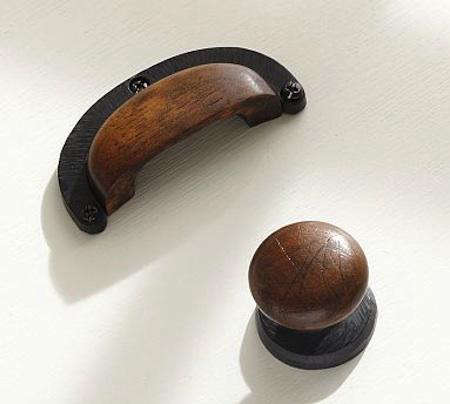
A horseshoe pull is one of the most recognizable pieces in this category. It is usually shaped like a horseshoe or half horseshoe and is designed to be mounted on cabinets, drawers, doors, furniture fronts, or storage pieces. Some are made as true pulls with two mounting points; others function more like knobs with a single screw. Many versions are sold in sets for kitchen cabinets, bathroom vanities, dressers, hutches, sideboards, mudroom cubbies, and tack-room storage.
Why the Horseshoe Pull Has Lasting Appeal
The horseshoe has a long history as both a practical object and a symbol. In real horse care, the shoe protects the hoof from wear. In folklore, the horseshoe has been associated with good luck, protection, and good fortune. In design, it has become a familiar shape that feels strong, friendly, and instantly recognizable.
That mix of meaning is exactly why horseshoe pulls work so well. They are not merely decorative. They bring a sense of heritage. They hint at craftsmanship, rural life, working animals, old stables, blacksmithing, ranch houses, country kitchens, and weekend escapes. Even in a modern home, the shape adds warmth and a little wink of personality.
Hardware is often called the jewelry of cabinetry, and the phrase fits. The right pull can change the mood of an entire piece of furniture. A plain dresser with horseshoe pulls suddenly feels like it belongs in a guest room at a Wyoming lodge. A mudroom cabinet with black iron horseshoe hardware feels ready for boots, coats, dog leashes, and mild chaos. A pantry door with a substantial horseshoe pull feels charming before anyone even finds the snacks.
Common Materials for Horseshoe Pulls
Cast Iron
Cast iron is one of the most popular choices for rustic horseshoe pulls. It has weight, texture, and an honest old-world look. Black cast iron works beautifully with farmhouse cabinets, reclaimed wood, barn doors, and dark-stained furniture. It also looks excellent against painted white, sage green, navy, cream, and natural oak cabinets.
Solid Brass
Brass gives equestrian hardware a more polished, traditional feel. Antique brass, aged brass, and unlacquered brass can look especially handsome in English country, hunt-club, cottage, and classic American interiors. Brass also pairs well with leather, plaid textiles, dark wood, green cabinetry, and marble countertops.
Bronze and Oil-Rubbed Finishes
Bronze finishes are ideal when you want warmth without the brightness of gold. Oil-rubbed bronze, bronzed black, and dark antique finishes create a moody, grounded appearance. These finishes are especially useful when the room already has black lighting, dark hinges, or aged metal accents.
Pewter and Old Silver
Pewter-style horseshoe pulls offer a cooler, softer look. They can suit gray cabinetry, weathered wood, industrial furniture, or western-inspired spaces that need a lighter touch. A pewter finish can feel rustic without going too heavy.
Choosing the Right Horseshoe Pull Size
Before buying any horseshoe pull, check the measurements. Do not rely on a product photo alone, because hardware photography has a sneaky habit of making a tiny pull look like it could open a castle gate.
Important dimensions include overall width, projection, height, clearance, and center-to-center spacing. Center-to-center spacing means the distance between the centers of the two mounting holes. If you are replacing existing cabinet hardware, this measurement matters most because it determines whether the new pull will fit the old holes.
Many cabinet pulls use common center-to-center measurements such as 3 inches, 3.75 inches, 4 inches, or 5 inches. Horseshoe pulls may vary because decorative shapes are less standardized than simple bar pulls. A compact horseshoe pull may be around 3.5 to 4 inches wide, while larger western or hand-forged versions can be wider and deeper.
For small drawers, a single horseshoe pull can look balanced. For wide drawers, consider using two pulls or choosing a larger model with enough grip clearance. On heavy drawers, function should outrank cuteness. If the drawer holds cast-iron pans, pet food, tools, or anything else that requires a determined tug, use hardware that gives your fingers enough room.
Where to Use Horseshoe Pulls
Kitchen Cabinets
Horseshoe pulls can add rustic charm to a kitchen, especially when used on an island, pantry, coffee bar, or lower drawers. For a balanced look, use them selectively rather than everywhere. An entire kitchen covered in horseshoes may start to look less “country estate” and more “the horse won the renovation.”
Mudrooms and Entryways
Mudrooms are natural homes for equestrian hardware. Horseshoe pulls pair well with coat hooks, boot benches, storage cubbies, and utility cabinets. They can handle a more rustic style because mudrooms are already practical, hardworking spaces.
Bathroom Vanities
In a powder room or guest bath, a horseshoe pull can be a delightful surprise. Choose a finish that coordinates with the faucet, mirror, and lighting. Antique brass or black iron can make a simple vanity feel custom.
Furniture Makeovers
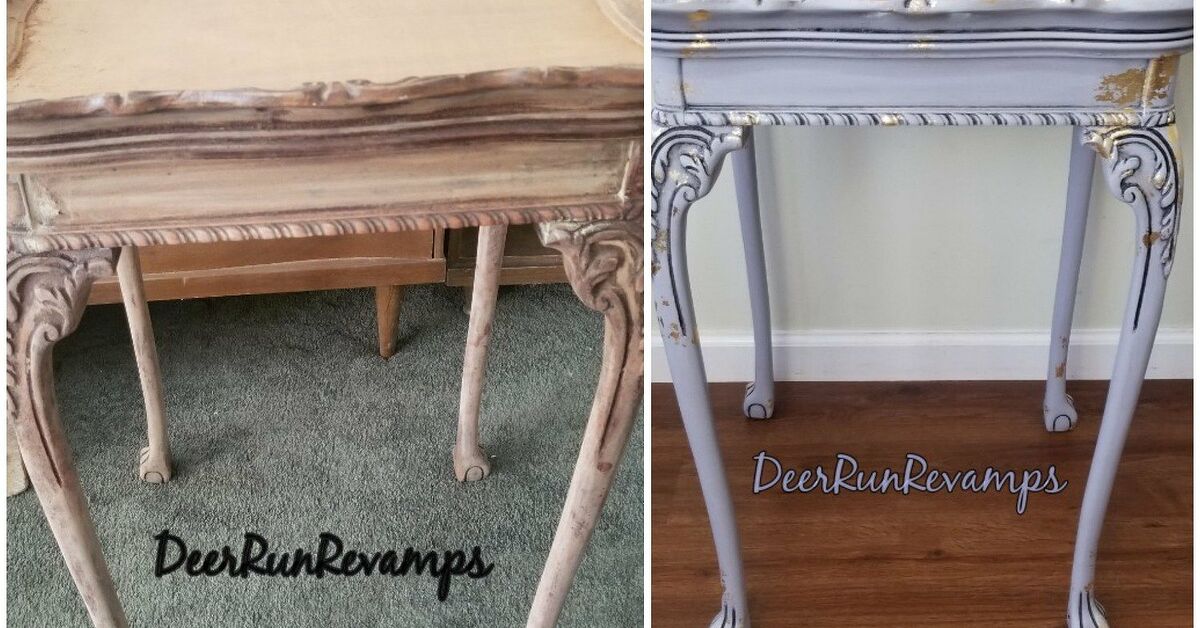
Horseshoe hardware is excellent for giving old furniture a second life. Try it on a dresser, nightstand, sideboard, armoire, desk, blanket chest, or bar cabinet. It works especially well on pieces with simple lines, where the hardware can become the focal point.
Tack Rooms and Barn Offices
In a true equestrian setting, horseshoe pulls feel right at home. Use them on tack cabinets, feed-room storage, grooming-supply drawers, saddle-room cupboards, and barn office furniture. The hardware reinforces the function of the space while adding a finished, intentional look.
How to Style Equestrian Hardware Without Overdoing It
The secret to equestrian style is restraint. A little horse-inspired detail feels classic. Too much can feel like the house is preparing for the Kentucky Derby and forgot to invite subtlety.
Start with authentic textures: leather, wool, wood, iron, brass, linen, canvas, and natural stone. Then add one or two equestrian references. A horseshoe pull on a cabinet, a snaffle-bit hook in an entry, or a vintage riding print can be enough. Let the details whisper rather than neigh.
For a refined look, pair horseshoe pulls with Shaker cabinets, deep green paint, dark walnut, cream walls, plaid runners, brass lamps, and framed equestrian art. For a rustic western look, combine them with reclaimed wood, black iron lighting, woven baskets, denim blues, saddle-brown leather, and natural hides. For a playful farmhouse style, use them on painted furniture, open shelving, and pantry doors.
Installation Tips for Horseshoe Pulls
Installing a horseshoe pull is usually a manageable DIY project, but accuracy matters. A pull that sits crooked on a drawer will bother you every morning until the end of time, or at least until coffee.
Step 1: Measure the Hardware
Measure the center-to-center spacing between screw holes. If the pull has one screw, measure the overall placement point. If it has two screws, confirm the exact distance before drilling.
Step 2: Mark the Cabinet or Drawer
For cabinet doors, pulls are often placed near the corner, typically a few inches from the edge, depending on the door style. On drawers, pulls are commonly centered horizontally and vertically on the drawer front. Decorative hardware may need a slight adjustment so the shape looks visually balanced.
Step 3: Use a Template
A cabinet hardware template is one of the best small investments you can make. It helps keep holes consistent across multiple doors and drawers. Cardboard can work in a pinch, but a reusable template is easier and more accurate.
Step 4: Drill Carefully
Use the drill bit size recommended by the manufacturer. Many cabinet hardware screws require a 3/16-inch hole, but always check first. Drill straight, support the back of the cabinet face, and avoid rushing. Hardware installation is not a rodeo event.
Step 5: Attach and Test
Install the screws, tighten gently, and test the pull. Do not overtighten, especially on painted or delicate cabinet fronts. If the pull spins or shifts, check whether the screw length is correct or whether a washer is needed.
Best Finishes for Different Design Styles
Black cast iron: Best for farmhouse, lodge, industrial, rustic, western, and barn-style interiors.
Antique brass: Best for classic, English country, traditional, vintage, cottage, and elevated equestrian spaces.
Pewter or old silver: Best for weathered wood, gray cabinetry, mountain homes, and casual western décor.
Oil-rubbed bronze: Best for dark wood, moody kitchens, traditional bathrooms, and warm neutral palettes.
Polished brass or bright gold: Best for statement pieces, glamorous equestrian style, and rooms with other warm metal accents.
How to Care for Horseshoe Pulls
Good hardware should be touched often. That is its job. But frequent handling means oils, dust, moisture, and kitchen grease can build up over time. A soft, dry cloth is usually enough for regular dusting. For deeper cleaning, use mild soap and water on a damp cloth, then dry the hardware immediately.
For brass, first determine whether the finish is lacquered, unlacquered, plated, or solid. Harsh abrasives can damage plated or coated finishes. Unlacquered brass will naturally patina, which many homeowners love. If you prefer shine, use a brass-safe polish and test a hidden area first.
For cast iron or blackened iron, avoid soaking the hardware. Moisture can encourage rust if the finish is chipped or worn. If rust appears, clean the area gently, dry it thoroughly, and touch it up with an appropriate protective coating or finish. In humid rooms, good ventilation helps hardware last longer.
Shopping Tips for Equestrian Hardware
When shopping for horseshoe pulls, look beyond the shape. Check the material, finish, screw type, mounting spacing, projection, and clearance. If the pull is for a high-use kitchen drawer, choose a sturdy piece with enough depth for comfortable gripping. If it is for a decorative cabinet, you can prioritize style a bit more.
Read product dimensions carefully. A horseshoe pull that measures 4 inches wide may have a 3-inch center-to-center spacing, but that is not guaranteed. Also check whether screws are included and whether they are the right length for your cabinet thickness. Many cabinet doors and drawer fronts require standard machine screws, but thicker furniture fronts may need longer screws.
Order one sample before committing to a full set. Hardware can look different in person, especially metal finishes. Antique brass may read golden in one room and brown in another. Matte black may look crisp against white cabinets but disappear against dark-stained wood. Hold the sample where it will be installed and view it in morning, afternoon, and evening light.
Design Mistakes to Avoid
Using Too Many Themed Pieces
One horseshoe detail is charming. Horseshoe pulls, horse wallpaper, horse lamps, horse pillows, horse plates, and a horse-shaped cookie jar may be a bit much unless you are decorating a child’s riding-club clubhouse. Keep the theme edited.
Ignoring Function
Some decorative pulls are beautiful but uncomfortable. If your fingers cannot fit behind the pull, it may become annoying in daily use. Always consider grip clearance.
Mixing Too Many Finishes
Mixed metals can look beautiful, but limit the palette. Two dominant finishes are usually easier to manage than four. For example, black iron horseshoe pulls can pair nicely with antique brass lighting, while chrome, brass, bronze, and black together may feel scattered.
Forgetting Scale
A tiny horseshoe knob on a huge pantry door will look timid. A giant pull on a small drawer will look like the drawer is wearing a belt buckle. Match the pull to the size and weight of the surface.
Experience Notes: Living With Horseshoe Pulls in Real Spaces
One of the most satisfying things about equestrian hardware is how quickly it changes the feeling of a room. In real homes, horseshoe pulls often work best as a finishing detail rather than the starting point. You may have a plain cabinet, a tired dresser, or a mudroom bench that looks fine but forgettable. Swap the standard knobs for horseshoe pulls, and suddenly the piece has personality. It feels intentional, as if someone actually thought about the room instead of choosing whatever came in a plastic contractor bag.
In a mudroom, horseshoe pulls are especially practical. They visually belong near boots, jackets, dog towels, umbrellas, and outdoor gear. Even if no one in the house rides, the association with stable life makes sense because mudrooms are transitional spaces. They are where the polished indoors meets the muddy outdoors and everyone pretends they will keep the floor clean this time. A black iron horseshoe pull on a storage drawer can handle that environment beautifully. It looks better with a bit of age, which is a rare and wonderful quality in home décor.
On furniture, horseshoe pulls can rescue pieces that feel too generic. A simple pine dresser, for example, can become a western guest-room piece with a warm stain and antique brass horseshoe hardware. A painted navy nightstand can lean nautical, but with horseshoe pulls it shifts toward lodge or country-house style. A dark green sideboard with aged brass horseshoe pulls feels classic and slightly dramatic, like it knows where the good bourbon is kept.
The most important lesson from using decorative hardware is to test the feel before installing a full set. A pull can look perfect but feel awkward. Horseshoe shapes vary widely. Some have a shallow projection that is best for light drawers. Others have generous clearance and can handle heavier use. If the piece will be opened ten times a day, comfort matters. Your hand should slide behind the pull easily, and the edges should not feel sharp. Hardware should charm you, not challenge you to finger wrestling.
Another real-world tip: line up decorative pulls based on both measurement and appearance. Because horseshoe pulls have a curved shape, the visual center may not feel exactly the same as the mathematical center. On a drawer front, step back before drilling final holes. Tape the pull in place, look at it from across the room, and adjust if needed. This tiny pause can prevent a permanent “why does that look weird?” moment.
Horseshoe pulls also age differently depending on finish. Black iron tends to gain character with small signs of wear. Antique brass may darken where hands touch it most. Pewter finishes can soften over time. These changes are not flaws if you like a lived-in look. In fact, equestrian style often improves when it feels collected rather than brand-new. A little patina says, “This home has stories.” It does not say, “I panic-bought cabinet hardware at midnight,” even if that is technically what happened.
For homeowners nervous about themed décor, the easiest approach is to use horseshoe pulls in one zone. Try them on a pantry, a bar cabinet, a boot-room bench, a barn-door cabinet, or a single vintage dresser. If you love the effect, repeat it in small doses elsewhere. If not, hardware is mercifully reversible. Unlike wallpaper, tile, or adopting an actual horse, cabinet pulls are a low-commitment design decision.
Ultimately, the best experience with horseshoe pulls comes from treating them as functional sculpture. They should open the drawer, fit the hand, suit the finish palette, and add a little spark of delight. When chosen thoughtfully, equestrian hardware gives a room warmth, heritage, and just enough personality to make guests ask, “Where did you find those?” That is the sweet spot: useful, memorable, and not even slightly boring.
Conclusion
Equestrian hardware, especially the horseshoe pull, proves that small design details can carry big character. Whether made of black cast iron, antique brass, bronze, or pewter, a horseshoe pull adds texture, history, and a sense of good-luck charm to cabinets, drawers, furniture, mudrooms, tack rooms, and rustic kitchens. The key is to balance style with function: choose the right size, check the center-to-center measurement, consider grip clearance, match the finish to your room, and install with care.
Used thoughtfully, horseshoe pulls do not make a space feel gimmicky. They make it feel grounded, warm, and collected. They are practical hardware with a wink, the kind of detail that says your home has personality and knows how to open a drawer with flair.