For years, the formal living room has had a bit of an image problem. It is the room with the nice lamp nobody is allowed to touch, the sofa that looks like it has an attorney, and the coffee table book stack arranged with military precision. You know the type. It is beautiful, polished, and oddly tense, like the room is quietly asking everyone to sit up straighter.
So, are formal living rooms out of style? Not exactly. But the version people are moving away from is the one that feels frozen in time, underused, and just one red-wine spill away from a household emergency. Designers are not burying the formal living room. They are rewriting its job description.
Today’s design conversation is less about whether a formal living room should exist and more about how it should function. Across the design world, the consensus is surprisingly practical: a formal living room still works when it feels intentional, comfortable, and actually connected to real life. What is going out of style is not elegance. It is wasted square footage dressed up as elegance.
The Short Answer: Formal Living Rooms Are Evolving, Not Disappearing
If you were hoping for a dramatic yes-or-no answer, interior designers would probably give you the most designer answer possible: “It depends.” In newer homes, dedicated formal living rooms are less common because floor plans have been pushed toward openness, flexibility, and everyday usability. Homeowners want rooms that earn their keep. A space used twice a year for holiday guests and the occasional awkward piano recital is a tougher sell than it used to be.
That said, formal living rooms are far from extinct. In traditional homes, larger homes, and houses built for entertaining, they still make perfect sense. The difference is that designers now want these spaces to feel livable instead of ceremonial. Think less “Victorian ghost is about to enter” and more “we host cocktails here, read here, talk here, and sometimes hide from the noise in here.”
In other words, the old-school formal living room is fading, but the new formal living room, one that blends polish with comfort, is very much alive.
Why Formal Living Rooms Started Falling Out of Favor
1. They were often beautiful but barely used
This is the biggest complaint designers have with old-fashioned formal living rooms: they tend to become museum spaces. Pretty? Absolutely. Useful? Debatable. Many homeowners poured money into high-end upholstery, delicate rugs, and matching furniture arrangements, only to end up with a room everyone tiptoed around. That kind of setup may photograph well, but it does not exactly encourage people to flop down with a cup of coffee and a dog-eared novel.
Modern homeowners are less interested in performing a lifestyle and more interested in living one. That shift has changed the way people think about every room in the house, especially living areas.
2. Open-concept living changed expectations
The rise of open floor plans taught people to expect more fluid, connected living spaces. Kitchens opened to family rooms, dining areas blended into great rooms, and suddenly the idea of a separate “special occasion” sitting room felt a little rigid. Even as some homeowners now want more definition and separation again, they still expect spaces to feel relaxed, social, and multifunctional.
That is why the modern version of a formal living room usually borrows from both worlds. It keeps some structure and refinement, but it avoids feeling disconnected from the daily rhythm of the home.
3. Square footage matters more than ever
In many households, every room has to work harder. Whether a home is modest in size or simply designed with more intention, homeowners do not want an area that exists only for appearances. A dedicated formal living room can feel like a luxury if the house is large enough, but in a smaller home it can feel like a missed opportunity. That same square footage might be more valuable as a family lounge, library, playroom, hybrid office, or media room.
That does not mean formal living rooms are bad. It just means they need a purpose beyond “looking expensive from the front hallway.”
What Designers Really Think About Formal Living Rooms Now
They still like them in the right house
Designers are not universally against formal living rooms. In fact, many still love them when the architecture supports them. A stately colonial, a historic home, or a house with naturally defined rooms can absolutely carry a formal sitting area beautifully. In those homes, forcing everything into one giant casual room can feel like ignoring the architecture’s personality.
A formal living room also makes sense for people who entertain often, enjoy adult conversation spaces, or want a quieter room away from the TV. Some families love having one room that feels a little more edited and a little less chaotic. The key is not whether the room is formal. The key is whether it is welcoming.
They dislike rooms that feel stiff, matching, and overly precious
What designers consistently push back on is the old recipe for formality: matching furniture sets, heavy drapery, untouchable textiles, overly symmetrical layouts, and a general “nobody breathe too hard in here” energy. A room can be elegant without looking like it was assembled from a catalog in one stressful weekend.
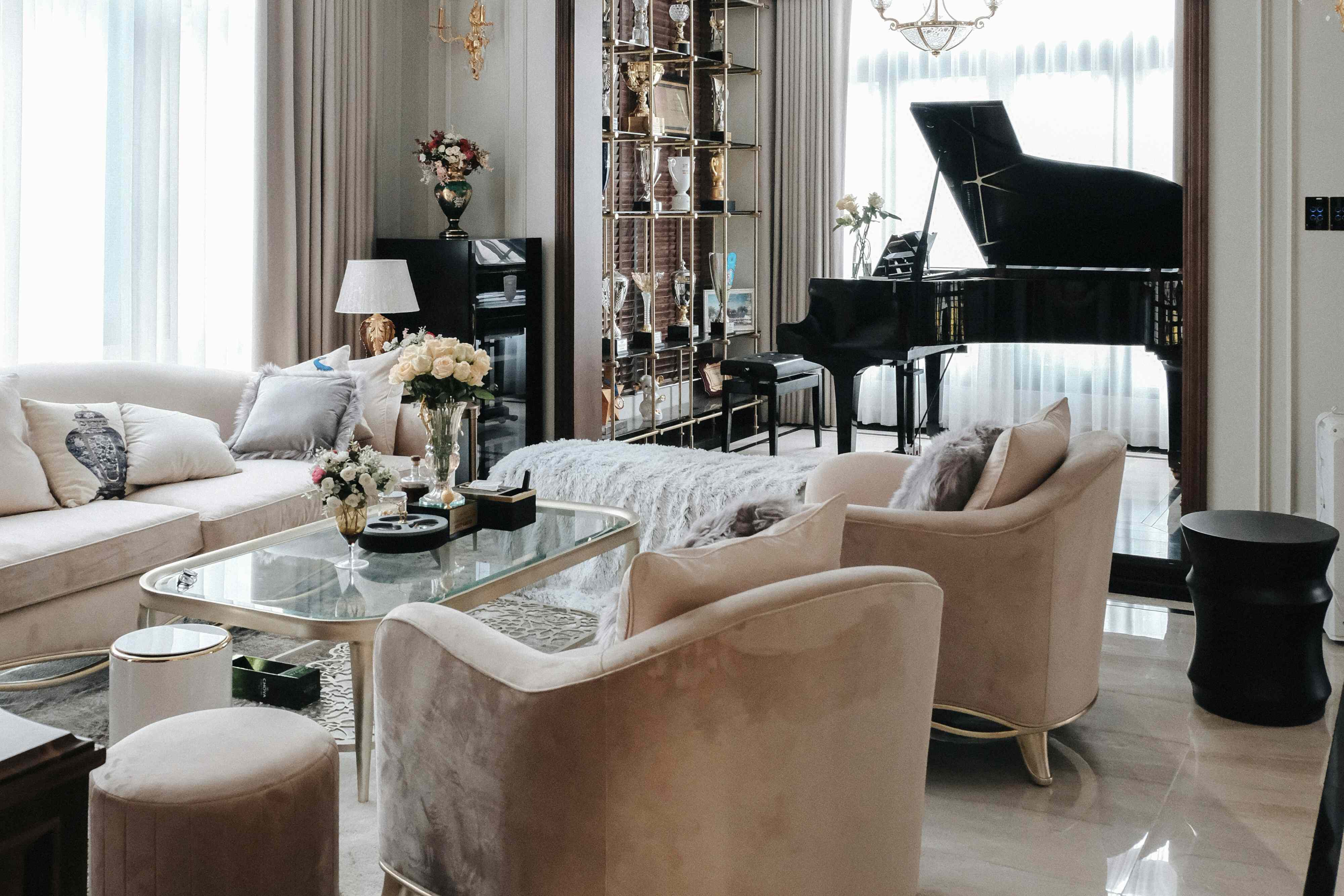
Today’s more stylish formal living rooms tend to feel collected, layered, and personal. Instead of perfect matching pieces, designers mix silhouettes, add vintage finds, bring in sculptural lighting, and prioritize conversation-friendly layouts. The room may still look sophisticated, but it also looks inhabited by actual humans.
They want comfort to lead the design
This may be the biggest shift of all. Formal no longer means uncomfortable. Designers are increasingly choosing plush seating, softer lines, warm textures, moody but inviting colors, and lighting that flatters both the room and the people sitting in it. A formal living room today is often designed to feel cocooning, intimate, and flexible rather than rigid and showy.
That means curved sofas, cozy armchairs, layered rugs, vintage wood, textured fabrics, and art that adds character instead of just filling wall space. The room should still feel elevated, but it should also whisper, “Stay awhile,” not “Do not wrinkle the cushions.”
So What Does a Modern Formal Living Room Look Like?
It usually looks a lot less formal than the name suggests. The best ones balance refinement with warmth. Here is what designers tend to use to make the room feel current:
- Conversation-focused seating instead of furniture shoved against every wall.
- Performance fabrics that can survive real life, including guests, kids, and the occasional chaotic snack situation.
- Vintage or antique accents that add soul and keep the room from feeling generic.
- Layered lighting with sconces, table lamps, and sculptural fixtures instead of one harsh overhead light.
- Soft, sculptural shapes that make the room feel inviting, not severe.
- Flexible surfaces like side tables, ottomans, drink tables, and game tables that encourage actual use.
- Personal details such as books, collected art, family heirlooms, or travel pieces that keep the room from looking staged.
Notice what is missing from that list: plastic-covered perfection, intimidating furniture, and a seating plan that looks like it was designed for a diplomatic summit.
When a Formal Living Room Still Makes Sense
If you love entertaining
A formal living room can be a dream for hosting. It creates a separate space for drinks, conversation, holiday gatherings, or pre-dinner mingling. Not every social moment needs to happen around the kitchen island while someone apologizes for the dishwasher noise. A well-designed sitting room can feel intimate, elevated, and refreshingly intentional.
If your home has traditional architecture
Some houses are simply built for room definition. In a traditional floor plan, a separate front living room can feel natural and elegant. In that setting, keeping the space as a formal sitting room often honors the architecture rather than fighting it.
If you want a quieter zone
Not every home needs one giant all-purpose living area. Some homeowners love a second space that is calmer, screen-free, and less busy. A formal living room can become a reading room, music room, conversation room, or adult lounge without losing its refined edge.
When You Should Probably Skip One
If the room will be used twice a year
If you already know the room is only going to host Thanksgiving cousins and the occasional confused real estate photographer, it may not deserve a full formal setup. Give the room more utility. Add a desk, a game table, library shelving, or flexible seating. A room with one identity crisis is better than a room with no identity at all.
If your home needs every inch to multitask
In smaller homes or busy family homes, a dedicated formal living room can feel like a luxury that crowds out more practical needs. There is no shame in choosing a hybrid room over a purely formal one. In fact, that is exactly what many designers recommend.
If you want comfort above all else
If your dream evening involves movie night, oversized blankets, and reclining in a way that would scandalize your great-aunt, then a classic formal living room may not be the best fit. You can still create a beautiful room with elegant details, but it does not need the “formal” label to look polished.
How to Make a Formal Living Room Feel Stylish Instead of Stuffy
Give it a real function
The fastest way to modernize a formal living room is to decide what the room actually does. Is it for hosting cocktails? Quiet reading? Conversation? Board games? Piano practice? Once the room has a purpose, the design becomes much easier and much more believable.
Loosen the layout
Many outdated formal rooms suffer from one major problem: the furniture arrangement looks ceremonial instead of social. Pull seating inward. Create a tighter conversation circle. Use smaller movable tables. Add a chair that swivels. Let the room feel like people are expected to live in it, not just pose in it.
Mix old and new
A room with a few antiques and a few contemporary pieces almost always feels more interesting than one styled entirely from the same era. This mix creates depth and keeps the formality from becoming predictable. It also makes the room feel collected over time, which is far more luxurious than looking freshly cloned from a showroom floor.
Choose materials that can relax
Velvet, linen, wool, leather, and performance blends can all look refined while still being practical. The goal is to create a room that looks dressed up without acting fragile. Even your rug should feel like it can survive a real evening with real people and possibly a cheese plate accident.
Use lighting to soften the mood
Nothing destroys a potentially lovely formal living room faster than cold, glaring overhead light. Designers love layered lighting because it makes a room feel richer and more comfortable. Table lamps, picture lights, floor lamps, and dimmable sconces can turn a stiff room into an inviting one almost instantly.
What This Trend Really Says About How We Live Now
The debate around formal living rooms is really a bigger conversation about modern home life. People want homes to feel personal, flexible, and supportive of their routines. That does not mean they no longer care about beauty. Quite the opposite. It means they want beauty that works.
That is why many designers are embracing a middle path. They are moving away from untouched front rooms, but they are also not insisting that every square foot must be ultra-casual. Instead, they are designing spaces with more nuance: rooms that are polished but soft, separated but connected, refined but usable.
So no, formal living rooms are not automatically out of style. What is out of style is formality for formality’s sake.
Experience Matters: What Homeowners Actually Notice in Real Life
Here is where the topic gets interesting, because the difference between an outdated formal living room and a modern one is not just visual. It is emotional. People feel the difference the moment they walk in.
In an old-fashioned formal room, guests often hesitate. They stand instead of sit. They ask where they are supposed to put a drink. They worry about the ivory upholstery, the extra-delicate side table, or the fact that the room looks as though it has never met a child, pet, or tortilla chip. The room may be stunning, but it can also feel oddly stressful. It is the design equivalent of a host who says, “Make yourself at home,” while clearly meaning, “But not too much.”
By contrast, a well-designed modern formal living room gives off a very different signal. Guests walk in and instinctively settle. They sit down. They lean back. They start talking. The room still looks elegant, but it no longer feels precious. That balance is what designers are chasing, and homeowners notice it immediately. When a room is both polished and comfortable, people actually use it. That may sound obvious, but in the history of overly decorated front rooms, it is practically a revolution.
Homeowners also tend to notice that once a formal living room becomes more functional, the whole house works better. A couple might use it as a quiet morning coffee room before the rest of the house wakes up. A family might use it as the grown-up zone during parties while the den handles movies and snacks. Someone working from home might discover it becomes the perfect place for reading, brainstorming, or taking calls that do not need a kitchen soundtrack in the background. The room stops being symbolic and starts being useful.
Another common experience is that people feel less pressure to decorate in a rigid, all-matching way. Once the goal shifts from “make it look formal” to “make it feel elevated and inviting,” the design choices open up. A homeowner may keep the antique fireplace mantel but pair it with a contemporary sofa. They may use inherited chairs with a modern lamp, or add a game table in a room that once held nothing but polite silence. Suddenly the room has personality instead of posture.
There is also a practical side that often surprises people. When the room is designed for real life, it is easier to maintain. Performance fabrics are less scary. Better furniture layouts improve traffic flow. Softer lighting makes the space feel warmer at night. Even the simple act of adding books, throws, and movable tables can make the room feel less like a display and more like a living part of the home.
In many cases, the best experience homeowners report is this: they finally start enjoying the room they used to avoid. That is the whole point. A formal living room should not feel like a silent tribute to unused square footage. It should feel memorable, welcoming, and a little special without acting like it is above the rest of the house. Elegance still matters. It just does better now when it loosens its tie.
Final Verdict
Formal living rooms are not out of style, but the cold, overly staged version absolutely is. Designers still appreciate a room with structure, refinement, and a sense of occasion. What they no longer want is a space that is expensive, intimidating, and disconnected from everyday living.
The most successful formal living rooms today are softer, warmer, and more flexible. They respect the architecture, support entertaining, and offer a polished retreat without turning into a no-touch showroom. If your home and lifestyle can support one, a formal living room can still be a wonderful design choice. Just make sure it is designed for people, not just for compliments.
Because at the end of the day, the room should not merely look styled. It should earn an invitation to your actual life.