Note: This original article synthesizes real spring lifestyle, gardening, cleaning, home decor, and nature guidance from reputable U.S.-focused sources, including seasonal phenology, pollinator gardening, spring cleaning, and home refresh references.
Spring rarely knocks politely. It kicks open the door with muddy shoes, a suspiciously cheerful robin, and that first dangerous thought: “Maybe I should reorganize the entire house this weekend.” The signs of spring are everywhere once you start lookingtree buds swelling, birds getting chatty, garden centers becoming emotional support destinations, and sunlight suddenly exposing every dust bunny that spent winter living rent-free under the sofa.
“Current Obsessions: Signs of Spring” is more than a seasonal mood board. It is a celebration of the little cues that tell us the world is waking up again: fresh flowers, lighter fabrics, open windows, green shoots, pastel accents, spring cleaning rituals, and that irresistible urge to buy a tiny herb plant and pretend this is the year we become a person who casually makes pesto from the backyard.
Whether you love spring decor, garden planning, nature walks, seasonal recipes, or simply the emotional thrill of packing away heavy blankets, these spring signs are worth noticing. They help us reset our homes, our routines, and sometimes our attitudes. After all, it is hard to stay grumpy when daffodils are acting like tiny yellow trumpets outside.
The First Sign of Spring: Nature Gets Loud Again
One of the most reliable signs of spring is sound. Winter has a way of muffling the world, but spring turns the volume back up. Birds begin singing more often as daylight increases, and returning species such as robins, red-winged blackbirds, geese, and herons often signal that seasonal change is underway.
That morning chorus is not just background music. It is nature’s group text announcing, “We’re back.” Birds are claiming territory, attracting mates, and taking advantage of warmer weather and available food. Even if you do not know a cardinal from a finch, you can still notice the shift. A quiet yard becomes an orchestra. A bare tree becomes a stage. The soundtrack of spring begins before the flower show fully opens.
How to Bring the Birdsong Feeling Home
Bird-inspired decor has also become a charming spring home trend, appearing in artwork, textiles, wallpaper, and small accent pieces. The best version is subtle: a framed bird print in an entryway, a delicate embroidered pillow, or a ceramic dish that looks like it wandered in from an old garden cottage. Think “whimsical but grown-up,” not “grandma’s attic got into a fight with a craft store.”
Tree Buds, Fresh Leaves, and the Green-Haze Effect
Before trees fully leaf out, they wear a soft green haze that feels like the season is testing a new filter. Buds swell, branches look less skeletal, and suddenly the neighborhood does not resemble a black-and-white movie anymore. The Old Farmer’s Almanac identifies budding trees, spring flowers, returning birds, butterflies, and frog calls among classic seasonal signs.
This is also the moment when many gardeners start watching nature instead of just the calendar. Phenologythe practice of using seasonal signs to guide plantingconnects garden timing to natural events. Examples include planting peas when forsythia blooms or watching flowering weeds and trees as cues for soil warmth and seasonal progress.
Why This Spring Sign Matters
The green-haze phase reminds us that spring is not a switch; it is a sequence. A few warm days do not mean every plant is ready, and one surprise frost can turn overconfidence into a tomato tragedy. Observing buds, blooms, soil moisture, and local weather helps you make smarter garden choices. It also gives you an excuse to stand in the yard holding coffee and call it “research.”
Spring Flowers: The Original Mood Boosters
Few signs of spring are more beloved than the first flowers. Crocuses, daffodils, tulips, hyacinths, pansies, forsythia, and magnolias all carry that emotional little jolt: winter did not win. Spring flowers are cheerful, colorful, and wildly photogenic. They are also practical reminders that the growing season is starting.
Tulips, in particular, are having a major home decor moment. Better Homes & Gardens notes that tulip motifs are being used in textiles, ceramics, wallpaper, and accessories because they feel optimistic, timeless, and adaptable to multiple interior styles.
Easy Ways to Use Spring Flowers Indoors
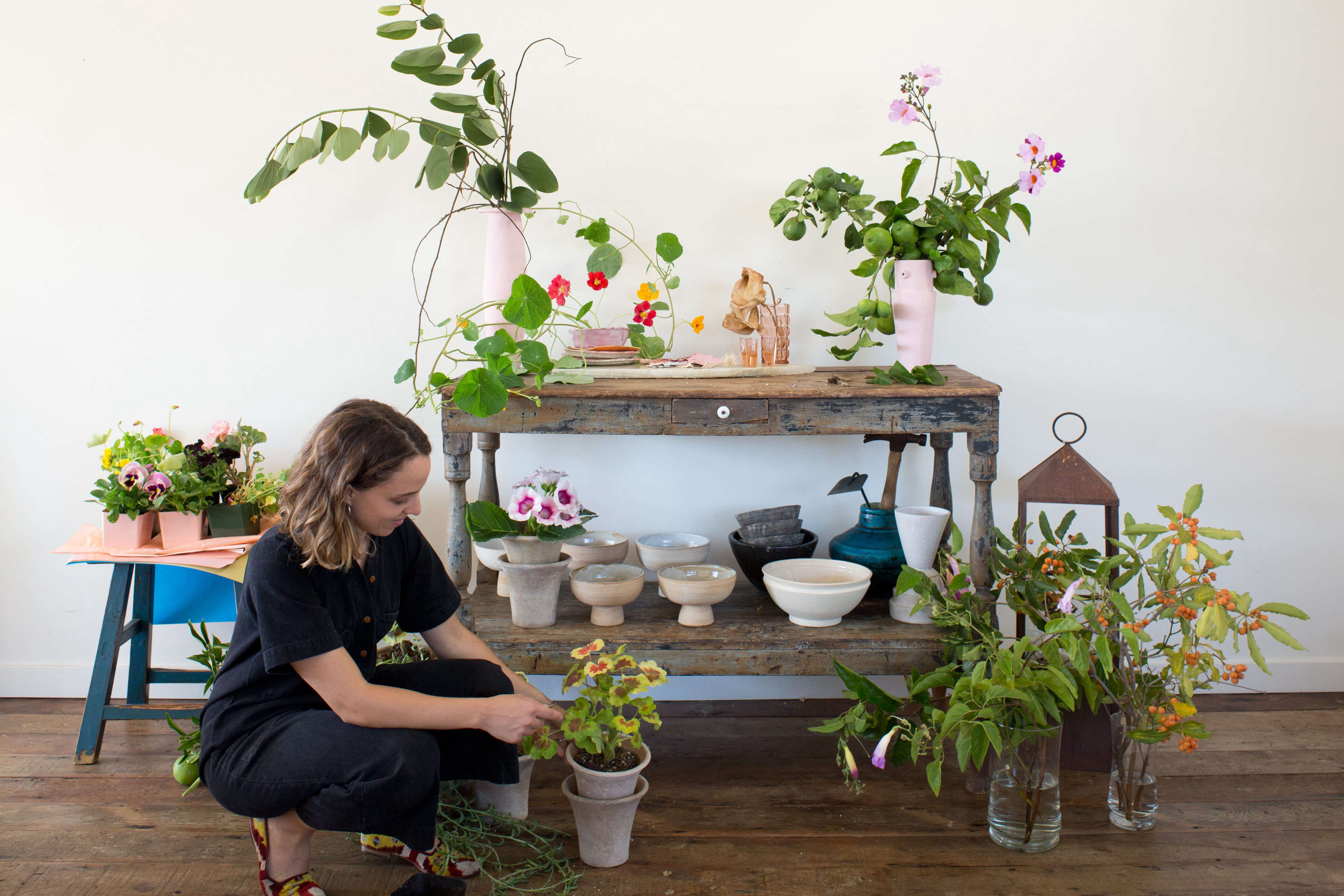
You do not need a florist-level arrangement to make flowers work at home. A small vase of grocery-store tulips on the kitchen table can change the entire mood of a room. A single branch of blooming forsythia in a tall vessel brings drama without requiring a design degree. Even faux flowers can be useful if you choose realistic colors and avoid anything that looks like it survived three decades in a basement box.
For a cleaner look, match flowers to your existing palette. Cream tulips in a neutral room feel calm and elegant. Pink ranunculus adds romance. Yellow daffodils create instant cheer. Purple hyacinths bring color and fragrance, though they are not shy; they enter a room like they own the lease.
The Spring Cleaning Urge Is Real
Another unmistakable sign of spring is the sudden desire to clean places you ignored all winter. Sunlight returns, beams through the windows, and reveals dust with the judgmental precision of a detective. Martha Stewart’s spring-cleaning guidance emphasizes a room-by-room refresh, including deep cleaning, organizing, and tackling often-forgotten household areas.
Spring cleaning works best when it feels like renewal, not punishment. Instead of trying to clean the entire house in one heroic weekend, divide tasks by zone. Start with high-impact areas: entryway, kitchen counters, windows, bedding, bathroom storage, and closets. These spaces affect daily life the most and provide quick visual rewards.
A Simple Spring Cleaning Flow
Begin by removing winter leftovers: heavy throws, worn-out candles, expired pantry items, lonely single gloves, and that mysterious box near the door that everyone has agreed not to discuss. Then clean surfaces, wash lighter textiles, wipe baseboards, vacuum under furniture, and refresh the air with open windows when weather allows.
The secret is not perfection. It is momentum. A cleaner entryway makes the whole house feel more awake. Fresh sheets make bedtime feel like a tiny vacation. A decluttered kitchen counter can convince you that you are a highly functional adult, even if dinner is still cereal.
Lighter Layers Replace Winter Weight
Spring home decor often begins with subtraction. Heavy blankets, dark pillows, thick rugs, and moody winter candles can make a room feel cozy in January but slightly dramatic by April. The Spruce recommends spring updates such as bright colors, fresh flowers, lighter fabrics, greenery, baskets for decluttering, patio refreshes, updated art, and cheerful entryway details.
Swap velvet pillow covers for linen or cotton. Replace deep burgundy, charcoal, and forest green accents with sage, butter yellow, sky blue, blush, cream, or soft terracotta. Bring in woven baskets, light curtains, ceramic vases, botanical prints, and natural textures. The goal is not to redecorate from scratch. It is to let the room breathe.
Spring Decor Without Looking Like an Easter Basket Exploded
Pastels are lovely, but restraint matters. A few seasonal accents go a long way. Try one floral table runner, two fresh pillow covers, a bowl of lemons, or a small wreath on the front door. If every surface is covered in bunnies, eggs, and tiny signs that say “Hoppy Spring,” your home may start negotiating for legal representation.
Woven Textures and Natural Materials
Spring invites texture: rattan trays, wicker baskets, cane chairs, jute rugs, linen napkins, wood bowls, and clay planters. These materials make a home feel relaxed and connected to the outdoors. Recent spring styling coverage also highlights woven textures, lighter layers, fresh florals, and warm natural finishes as seasonal refresh favorites.
The beauty of woven textures is that they work almost anywhere. A basket by the sofa stores blankets. A rattan tray gathers candles and flowers on the coffee table. A woven pendant light softens a dining area. Even a simple seagrass basket near the door can collect shoes, scarves, umbrellas, and the emotional baggage of winter.
Pollinators Returnand They Need Better Gardens
Bees, butterflies, and other pollinators are another important sign of spring. As flowers bloom and temperatures rise, pollinators begin searching for nectar, pollen, nesting areas, and safe habitat. University of Minnesota Extension recommends pollinator-friendly landscapes that provide food, nesting sites, reduced pesticide exposure, and diverse plantings.
This matters because a beautiful spring garden can also be a useful one. Native plants, flowering shrubs, herbs, and bee-friendly lawn areas support biodiversity while making the yard more lively. Even small spaces can help: a balcony pot of herbs, a container of zinnias, or a patch of clover can become a tiny buffet for beneficial insects.
Spring Garden Ideas That Support Pollinators
Plant flowers that bloom at different times so pollinators have food throughout the season. Add early spring bloomers, summer flowers, and late-season nectar sources. Avoid unnecessary pesticides, especially when plants are flowering. Leave some natural areas for nesting. If you have a lawn, consider reducing mowing in low-traffic zones or experimenting with bee-friendly plantings.
Pollinator gardening also makes your yard more interesting. A sterile lawn may look tidy, but a garden buzzing with life feels like a tiny festival. The bees do not sell tickets, but they do bring excellent energy.
The First Outdoor Meal Feels Like a Holiday
One underrated sign of spring is the first meal eaten outside. It might be grilled chicken, a salad, sandwiches, or takeout balanced on patio furniture that still has pollen on it. It does not need to be fancy. The magic is in the air: longer daylight, warmer breezes, birdsong, and the slight thrill of not wearing a coat.
Spring tablescapes are simple when you focus on freshness. Use a linen tablecloth, everyday white plates, a vase of flowers, citrus fruit, herb sprigs, or colored glassware. Add a pitcher of iced tea or lemonade and suddenly dinner feels intentional, even if the main course came from a grocery rotisserie chicken. Spring is generous like that.
Fresh Scents Replace Winter Coziness
During winter, home fragrance tends to lean warm: vanilla, cedar, cinnamon, amber, pine, and anything that smells like a cabin wearing a sweater. Spring calls for lighter scents such as citrus, mint, basil, lavender, linen, rain, green tea, and soft florals.
This is a small change with a big effect. A lemon candle in the kitchen, eucalyptus in the shower, fresh herbs on the windowsill, or clean laundry scent in the bedroom can make a room feel instantly brighter. Just avoid going too heavy. Spring fragrance should whisper, not follow guests down the hallway with a megaphone.
Open Windows and the Return of Real Air
There is a specific kind of joy in opening windows after months of sealed indoor air. Suddenly the house smells less like heating vents and more like possibility. Curtains move. Rooms feel alive. The dog becomes deeply interested in neighborhood gossip. Even chores feel less tragic with a breeze involved.
Opening windows also changes how we experience our homes. You hear birds, kids outside, lawn equipment, distant traffic, and the occasional neighbor sneeze with theatrical commitment. It reconnects indoor life with the season beyond the walls.
Spring Wardrobe Cues: Lighter, Brighter, Easier
Signs of spring are not limited to the garden and living room. Closets begin to shift too. Heavy coats move aside, sneakers return, and linen starts making promises it may or may not keep. A spring wardrobe refresh does not require a shopping spree. It can be as simple as cleaning shoes, storing winter gear, repairing buttons, donating items that no longer fit your life, and bringing lighter pieces forward.
Color often comes back first: soft blues, greens, creams, stripes, florals, and breathable fabrics. The goal is comfort with optimism. If winter dressing is about survival, spring dressing is about leaving the house without looking like you are preparing for an expedition.
Personal Rituals: The Best Signs of Spring Are Small
Some spring signs are universal. Others are personal. Maybe spring begins when you buy the first bunch of tulips. Maybe it starts when baseball returns, when iced coffee sounds reasonable, when you wash the car, when you plant basil, or when you finally stop pretending you enjoy wearing wool socks.
These rituals matter because they turn seasonal change into lived experience. They give you something to look forward to. They help mark time in a way that feels human, not just scheduled. A season is not only weather; it is habit, memory, scent, color, and mood.
of Real-Life Spring Experience: My Current Obsessions
My favorite sign of spring is not dramatic. It is the first morning when the air feels soft. Not warm exactly, not summer-bold, just soft enough that stepping outside does not feel like negotiating with a freezer. The light changes first. It slides through the windows at a different angle, lands on the floor, and politely exposes every crumb under the breakfast table. Spring sunlight is beautiful, but it is also a whistleblower.
That is usually when the obsessions begin. First, I become emotionally attached to flowers. Tulips at the grocery store? Obviously necessary. Daffodils by the sidewalk? A public service. A flowering tree dropping petals all over a parked car? Nature’s confetti cannon. I start believing every room needs something alive in it, even if it is just a stubborn pothos cutting in a jar that looks like a science experiment with confidence issues.
Then comes the cleaning phase. I do not wake up one day and become a minimalist, but I do suddenly develop strong opinions about drawers. Why are there six pens that do not work? Why is there a receipt from three seasons ago? Why do we own seventeen tote bags and still carry groceries like confused raccoons? Spring cleaning turns ordinary clutter into a personal mystery novel, and I am both detective and suspect.
The entryway is always my first target. Winter leaves evidence there: boots, scarves, salt dust, umbrellas, random mail, and at least one item nobody remembers buying. Clearing that space feels like opening a gate. I swap the heavy mat, shake out baskets, wipe the door, and add one cheerful thinga plant, a wreath, a small dish for keys. Suddenly the house feels less tired.
My next obsession is the kitchen windowsill. Spring makes me wildly optimistic about herbs. Basil, mint, parsley, chivesI want them all. I imagine myself casually snipping fresh herbs into soups and salads like a person in a cooking show who never has dishes in the sink. Real life is less glamorous, but even one pot of mint makes the kitchen feel awake. It says, “Something is growing here,” which is a surprisingly powerful message after winter.
I also love the first open-window afternoon. The house changes personality. Curtains move. The rooms breathe. Outside sounds drift in: birds, footsteps, a dog with strong opinions, someone mowing too early, kids laughing, a delivery truck beeping like it has breaking news. It is imperfect and alive, which is exactly the point. Spring does not arrive as a perfectly styled magazine spread. It arrives with pollen, mud, weeds, laundry, and a strange desire to buy new throw pillows.
That is why the best signs of spring are not just pretty. They are participatory. You notice, adjust, clean, plant, rearrange, and begin again. You do not need a perfect garden or a designer living room. You need one open window, one fresh color, one small ritual, and maybe one bouquet that makes you smile every time you pass it. Spring’s real charm is that it convinces us renewal is possibleand then hands us a broom, a flower, and a slightly muddy pair of shoes.
Conclusion: Follow the Little Signs
The signs of spring are everywhere: birds singing louder, buds swelling, flowers blooming, windows opening, pollinators returning, and homes slowly shaking off their winter heaviness. The magic is not in doing everything at once. It is in noticing the shift and responding with small, joyful updates.
Add flowers. Clear a corner. Wash the windows. Plant herbs. Change the pillow covers. Take a walk and listen for birds. Let your home and routine become a little lighter. Spring does not demand perfection. It simply invites movement, freshness, and the occasional impulsive purchase of tulips.