Note: This article is written for web publishing and synthesizes current indoor gardening guidance, product-use best practices, and real grow-light setup experience without inserting source links.
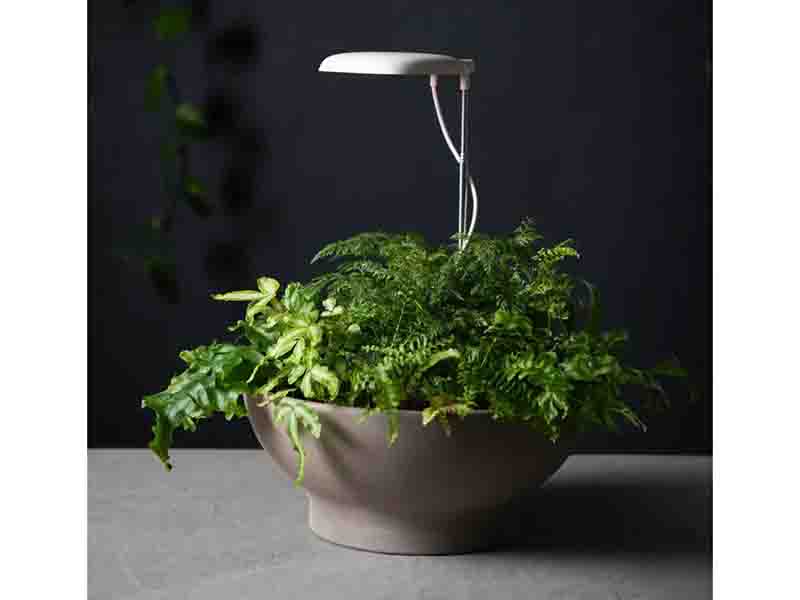
A clip on adjustable grow light is the indoor gardener’s version of a tiny personal sun with manners. It does not take over the living room, demand a dedicated grow tent, or make your apartment look like a science-fiction greenhouse. Instead, it clips to a shelf, desk, windowsill, plant stand, bookcase, or counter and sends targeted light exactly where your pothos, basil, seedlings, succulents, or slightly dramatic fiddle leaf fig need it most.
For plant owners, that flexibility matters. Indoor sunlight is often weaker than it looks, especially during winter, in north-facing rooms, in apartments shaded by neighboring buildings, or in spaces where “bright indirect light” sounds like a promise the window simply cannot keep. A clip on adjustable grow light solves that problem by adding consistent, plant-friendly light in a compact form. It is especially useful for renters, small-space gardeners, home office plant parents, kitchen herb growers, and anyone who has ever watched a seedling stretch toward the window like it was auditioning for a yoga commercial.
The best clip-on grow lights combine several features: a secure clamp, flexible gooseneck arms, full-spectrum LEDs, dimmable brightness, a timer, safe heat output, and enough adjustability to keep the light close without cooking the plant. Used properly, they can help support stronger stems, richer leaf color, better herb growth, healthier seedlings, and more reliable indoor plant care.
What Is a Clip On Adjustable Grow Light?
A clip on adjustable grow light is a compact grow lamp designed with a clamp base and movable neck or arm. Instead of sitting on the floor or hanging from the ceiling, it clips onto a stable edge and lets you position the light head above or beside your plants. Most modern models use LED technology because LEDs are energy-efficient, long-lasting, and cooler than older incandescent bulbs.
The “adjustable” part is the secret sauce. A fixed lamp may shine in one direction, whether the plant enjoys it or not. A clip-on adjustable model lets you bend, rotate, raise, lower, and angle the beam. That matters because plants change. Seedlings grow taller. Herbs get harvested. Succulents lean. A monstera leaf may decide it wants to face the opposite direction for reasons known only to monsteras. Adjustable arms let you respond without rebuilding your setup.
Why Indoor Plants Need Supplemental Light
Plants use light for photosynthesis, which is how they convert light energy into fuel for growth. Indoors, even a bright-looking room may provide much less usable light than an outdoor environment. Glass reduces intensity, curtains scatter light, walls block the sun’s path, and short winter days limit exposure. Your eyes adjust beautifully to low light; your plants are less polite about it.
Common signs that a houseplant needs more light include long gaps between leaves, pale foliage, weak stems, slow growth, leaves dropping without an obvious watering issue, and plants leaning hard toward the nearest window. Seedlings are even more obvious. When they do not receive enough light, they become tall, thin, and floppy. Gardeners call this “leggy.” The seedlings call it “help.”
A clip on adjustable grow light can provide supplemental light for houseplants, herbs, microgreens, and seed-starting trays. It is not always meant to replace the sun completely, but it can fill the gap between what your room offers and what your plants actually need.
Key Features to Look For in a Clip On Adjustable Grow Light
1. Full-Spectrum LED Lighting
For most home gardeners, a full-spectrum LED grow light is the easiest choice. Full-spectrum lights are designed to provide a broad range of wavelengths that support different phases of plant growth. Blue wavelengths are associated with leafy, compact growth, while red wavelengths help support flowering and fruiting. A balanced full-spectrum light is usually more pleasant to live with than the old “blurple” lights that made every living room look like a nightclub for lettuce.
Some clip-on lights offer multiple modes, such as white, warm, red-blue, or mixed spectrum. For everyday houseplants and herbs, a white full-spectrum mode is usually the most comfortable and practical. For flowering plants or fruiting indoor crops, a stronger full-spectrum output with red support can be useful.
2. Flexible Gooseneck Arms
A flexible gooseneck arm allows you to aim the light precisely. This is one of the main reasons people choose clip-on grow lights over fixed lamps. A single-arm model may work well for one plant, while two-head, three-head, or four-head models can cover several small pots on a shelf.
Look for arms that hold position after bending. A flimsy neck that slowly droops over the day is not a grow light; it is a suspense film. Stronger goosenecks make it easier to keep the beam consistent and prevent accidental contact with leaves.
3. A Strong, Stable Clip
The clamp should grip securely without damaging furniture. Rubber padding is a plus because it helps prevent slipping and protects shelves or desks. Before buying, check the maximum clamp opening and compare it with the thickness of your shelf, table, or plant stand.
Clip-on lights work best on solid surfaces. Thin plastic trays, unstable plant carts, or wobbly shelves can make positioning difficult. If the lamp has multiple heads, the weight of the arms may require an especially sturdy clamp point.
4. Adjustable Brightness
Dimmable brightness is very helpful because not all plants need the same intensity. Seedlings and herbs usually need brighter light than low-light foliage plants. Succulents prefer stronger light than a peace lily. A dimmer lets you start gently, watch the plant’s response, and increase brightness when needed.
If leaves become pale, crispy, or bleached near the light, the intensity may be too high or the lamp may be too close. If the plant stretches, leans, or produces weak growth, the light may be too dim, too far away, or on for too few hours.
5. Built-In Timer
A timer is one of the most useful features on a modern adjustable grow light for indoor plants. Many models offer 3-hour, 6-hour, 9-hour, 12-hour, or 16-hour timer settings. Consistency is important because plants respond to daily light and dark cycles.
Leaving grow lights on all day and night is not a good strategy. Plants need darkness too. A timer prevents both forgetfulness and overenthusiasm, two classic indoor gardening hazards.
How Close Should a Clip On Grow Light Be to Plants?
Distance is where many indoor gardeners get into trouble. Light intensity drops quickly as the lamp moves farther from the plant. A grow light that is powerful at six inches may be underwhelming at three feet. That is why adjustable placement is so valuable.
As a general starting point, seedlings often do well when the light is kept a few inches above the top growth, then raised as they grow. Leafy herbs and greens may prefer moderate distance, while foliage houseplants can often sit farther away depending on the lamp’s strength. Strong LED models may need more distance than small low-output clip lights.
The best rule is to observe the plant. Compact growth, healthy color, and sturdy stems are good signs. Long stretching, leaning, or pale leaves suggest the plant wants more usable light. Crispy edges, bleaching, or leaves curling away from the lamp may suggest too much intensity or heat.
Best Plants for a Clip On Adjustable Grow Light
Herbs
Kitchen herbs are some of the best candidates for clip-on grow lights. Basil, parsley, cilantro, thyme, mint, chives, and oregano often struggle on dim counters. A clip-on light mounted to a shelf above the pots can keep herbs fuller and more productive. Basil, in particular, appreciates bright light and will not hesitate to become sad, lanky, and judgmental in a gloomy kitchen.
Seedlings
Starting seeds indoors is much easier with supplemental lighting. Tomato, pepper, lettuce, marigold, zinnia, and herb seedlings need steady light after germination. A clip-on adjustable grow light can work well for a small tray or a few starter pots. For large seed-starting operations, a wider hanging shop light or panel may be more efficient, but for beginners, a clip-on lamp is a friendly entry point.
Houseplants
Pothos, philodendron, peperomia, hoya, calathea, snake plant, ZZ plant, African violet, and small monstera plants can all benefit from supplemental light when natural light is weak. A clip-on light is especially useful for shelves where plants sit too far from a window.
Succulents
Succulents often need more light than casual plant owners expect. Echeveria, sedum, jade plant, and many cacti become stretched when light is insufficient. A stronger full-spectrum clip-on LED can help, although succulents usually need higher intensity and longer exposure than low-light tropical plants.
Where to Use a Clip On Adjustable Grow Light
The beauty of a clip-on light is that it fits into normal life. You can attach it to a bookshelf and turn a decorative plant shelf into a tiny indoor garden. You can clip it to a kitchen rack and grow herbs near your cutting board. You can mount it to a desk edge and keep a small plant collection alive in a home office. You can even attach it to a metal plant stand and create a compact winter rescue station for plants that sulk when daylight disappears.
Good locations include plant shelves, wire racks, windowsills with a clampable edge, kitchen counters, office desks, laundry rooms, and seed-starting stations. Avoid unstable surfaces, damp areas, or spots where cords can be tugged by pets, children, or your own foot while carrying coffee.
How Long Should You Leave a Clip On Grow Light On?
Most indoor plants benefit from a daily schedule rather than random lighting. Houseplants commonly do well with around 10 to 14 hours of supplemental light, depending on natural light conditions and plant type. Seedlings often need longer exposure, commonly around 14 to 18 hours per day. Herbs and leafy greens usually prefer bright, consistent light for strong growth.
However, more is not always better. Plants need darkness for normal biological processes. If you use a built-in timer, start with 12 hours for houseplants and 14 to 16 hours for seedlings or herbs. Then adjust based on results. Think of the timer as a plant care assistant that never forgets what time it is, which already makes it better than most of us during daylight saving time.
Clip On Grow Light vs. Standing Grow Light
A clip-on adjustable grow light is best for small spaces, shelves, individual plants, and targeted lighting. It is usually affordable, easy to move, and simple to install. A standing grow light, by contrast, may provide broader coverage and more height, making it better for larger plants or multiple pots arranged on the floor.
If you have one shelf of plants, a clip-on model may be perfect. If you have a jungle corner with a bird of paradise, citrus tree, and tomato experiment happening at the same time, you may need a stronger floor lamp or panel. The right choice depends on coverage, intensity, plant type, and available space.
Common Mistakes to Avoid
Putting the Light Too Far Away
This is the classic mistake. A grow light across the room is mostly mood lighting. Plants need usable light at leaf level. Keep the lamp close enough to matter, then adjust as the plant grows.
Using a Weak Decorative Lamp
Not every LED lamp is a grow light. Some regular bulbs can support low-demand plants if they are bright enough, but purpose-built grow lights are designed for plant-friendly output. For dependable results, choose a grow light labeled full-spectrum and suitable for indoor plants.
Ignoring Heat
LEDs run cooler than many older bulbs, but they can still produce warmth. Check leaf temperature with your hand. If the area feels hot or leaves show stress, move the light farther away or reduce brightness.
Forgetting Watering Changes
More light can increase growth and water use. Plants under grow lights may dry faster than plants in dim corners. Check soil moisture regularly instead of watering on autopilot.
Clipping to a Bad Surface
A clamp is only as reliable as the surface holding it. Avoid flimsy edges, tilted shelves, or anything that wobbles. A fallen grow light is bad for the plant, the lamp, and your blood pressure.
Safety Tips for Clip On Adjustable Grow Lights
Because grow lights combine electricity, plants, soil, and water, basic safety matters. Choose a light from a reputable brand and look for safety certifications when available. Keep cords away from standing water, avoid overloading outlets, and do not place the power adapter where it can get wet. If you mist plants, move the light or unplug it first. Plants enjoy humidity; electrical components are less enthusiastic.
Also consider eye comfort. Some bright LEDs can be uncomfortable when aimed directly into the room. Position the heads downward toward the plants rather than outward toward your face. If the lamp sits on your desk, angle it so your plant gets the spotlight and your retinas do not.
How to Set Up a Clip On Adjustable Grow Light
Start by choosing a stable clamp location. Attach the light firmly and position the lamp head above the plant canopy. For seedlings, keep the light relatively close and raise it as they grow. For houseplants, begin at a moderate distance and monitor the leaves over several days.
Set the timer based on the plant type. A simple starting schedule is 12 hours for foliage houseplants, 14 hours for herbs, and 16 hours for seedlings. Use the dimmer if the lamp seems too intense. Rotate plants every week so growth stays balanced, especially if natural window light comes from one side.
Clean the light occasionally. Dust reduces light output, and indoor plant shelves are talented dust collectors. Wipe the lamp head gently with a dry cloth when it is turned off and cool.
Buying Guide: What Makes a Good Clip On Adjustable Grow Light?
A good clip-on grow light should be practical before it is fancy. Look for a full-spectrum LED, adjustable brightness, a timer, a strong clamp, flexible arms, and enough wattage or output for your plant goals. Multiple light heads are useful for wider coverage, but only if the clamp and necks are strong enough to hold position.
For a single desk plant or small herb pot, a one-head or two-head lamp may be enough. For a shelf of small houseplants, consider a three-head or four-head model. For seedlings, make sure the light can sit close and cover the tray evenly. If the product description includes coverage area, timer settings, dimming levels, and color temperature or spectrum details, that is a good sign.
Avoid choosing only by price. The cheapest light may work for a small pothos, but it may disappoint if you expect it to grow tomatoes, basil, or succulents. Match the light to the job. A compact lamp is a tool, not a miracle. It can help your plants thrive, but it cannot turn a dark closet into a tomato farm unless the light output is truly strong enough.
Real-Life Experience With a Clip On Adjustable Grow Light
After using a clip on adjustable grow light in several indoor setups, the biggest lesson is simple: placement beats power bragging. A modest LED placed correctly often performs better than a stronger light positioned too far away. On a kitchen shelf, a two-head clip-on lamp made a noticeable difference for basil and parsley. Before the light, the basil leaned toward the window, grew long spaces between leaves, and looked as if it had just received disappointing news. After two weeks under a consistent 14-hour timer, new growth came in tighter, greener, and more useful for cooking.
The second lesson is that timers are not optional if you want consistent results. At first, turning the light on manually seemed easy. Then real life happened. Some days the plants got six hours. Other days they got eighteen. One day they got zero because the switch was forgotten entirely. Once the timer was set, growth became more predictable. Herbs especially responded well to routine. Plants may not own watches, but they definitely appreciate a schedule.
For seedlings, the clip-on grow light worked best when the lamp was close and adjusted every few days. Tomato seedlings under weak window light became tall and floppy. Under the clip-on LED, new seedlings stayed shorter and sturdier, provided the light remained close enough. The flexible neck made this easy. As the seedlings grew, the lamp moved up slightly. This is where adjustable design earns its keep. A fixed lamp would have been annoying; the gooseneck was quick and forgiving.
Houseplants showed slower but still meaningful benefits. A small philodendron on a bookcase produced more even growth once the light was aimed from above instead of relying only on side-window light. A peperomia kept better color. A snake plant did not suddenly sprint into dramatic growth, because snake plants are basically the houseplant equivalent of a relaxed cat, but it maintained a healthier appearance through a darker season.
There were also practical annoyances worth mentioning. Some clamp lights are top-heavy, especially models with several arms. If clipped to a thin shelf, they may tilt forward. The solution is to clamp them to a thicker, sturdier surface or position the arms so the weight is balanced. Another issue is glare. A bright LED on a desk can be irritating if it shines toward your eyes. Aiming it downward solves most of the problem.
Watering changed too. Plants under the grow light dried out faster than plants in dim corners. That does not mean they needed daily watering, but they did need more frequent checking. The finger test became more useful than a calendar. If the top inch of soil felt dry for herbs, watering was usually needed. For succulents, the soil still needed to dry thoroughly.
The best experience came from using the light as a supplement, not a substitute for all plant care. Good potting mix, drainage holes, reasonable watering, air circulation, and correct plant choice still mattered. The grow light did not rescue an overwatered pot or fix poor drainage. It did, however, make a dark shelf usable, helped herbs stay productive, and kept seedlings from turning into green spaghetti. For small-space indoor gardeners, that is a very respectable victory.
Final Thoughts
A clip on adjustable grow light is one of the easiest upgrades for indoor plant care. It is compact, flexible, renter-friendly, and useful for everything from herbs to seedlings to shelf plants. The best models offer full-spectrum LED output, dimmable brightness, a reliable timer, strong clamp support, and flexible positioning. When placed correctly and used consistently, a clip-on grow light can help plants grow stronger, greener, and less desperate for a window that may not be doing its job.
Whether you are starting spring seedlings, keeping basil alive through winter, brightening a plant shelf, or rescuing a sad office plant from fluorescent despair, this small tool can make indoor gardening more successful and more enjoyable. Think of it as a tiny sunrise you can clip to a bookshelf. Your plants may not send a thank-you card, but they will probably stop leaning dramatically toward the window.