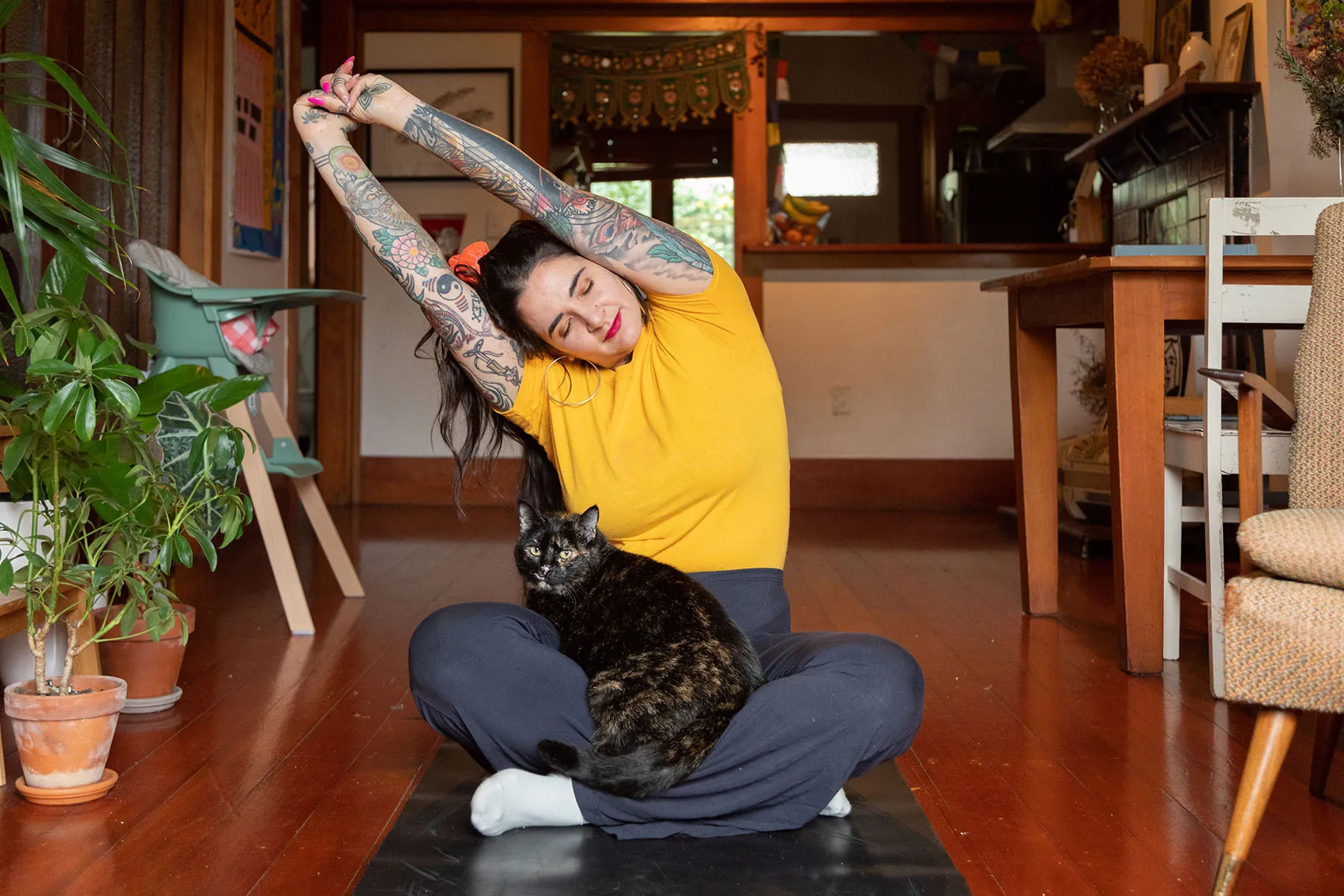
Exercise and multiple sclerosis can sound like an odd couple at firstlike sneakers at a black-tie dinner. When fatigue, muscle stiffness, balance problems, numbness, heat sensitivity, and unpredictable symptom days are part of life, “just work out more” is not exactly helpful advice. Fortunately, the best exercises for multiple sclerosis are not about punishment, perfection, or pretending MS is not real. They are about smart movement, steady progress, and choosing activities that help your body function better without turning your nervous system into a drama queen.
Multiple sclerosis, or MS, affects the central nervous system and can interfere with how the brain and body communicate. Because symptoms vary widely from person to person, the ideal MS exercise routine should be flexible, personalized, and built around safety. For many people, a balanced plan includes aerobic exercise, strength training, stretching, balance work, core exercises, and low-impact movement such as swimming, yoga, tai chi, or stationary cycling.
The goal is not to become a fitness influencer who names their water bottle. The goal is to improve energy, mobility, balance, confidence, mood, flexibility, and everyday independence. Done correctly, physical activity can become one of the most useful lifestyle tools for living well with MS.
Why Exercise Matters for People With Multiple Sclerosis
For years, people with MS were often told to avoid exertion because exercise might worsen symptoms. Today, that idea is outdated. Current research and rehabilitation guidance support appropriate physical activity for many people with MS, especially when the program is adjusted for fatigue, heat sensitivity, mobility level, and symptom changes.
Regular exercise may help people with MS improve walking ability, balance, muscular strength, cardiovascular fitness, flexibility, fatigue management, mood, and overall quality of life. It can also help reduce secondary problems that come from inactivity, such as deconditioning, weight gain, joint stiffness, and reduced endurance. In plain English: movement helps your body stay in the conversation.
That said, MS is not a one-size-fits-all condition. Some people may walk independently, while others use a cane, walker, wheelchair, scooter, or other mobility aid. Some may tolerate moderate workouts well, while others need shorter sessions with long breaks. A neurologist, physical therapist, occupational therapist, or rehabilitation specialist can help tailor an exercise plan to your symptoms and goals.
Before You Start: Safety Rules That Actually Matter
Before beginning a new exercise routine, especially after a relapse, injury, surgery, major medication change, or long break from activity, talk with your healthcare provider. This is not because exercise is scary. It is because exercise should be useful, not chaotic.
Start low and go slow
If you have not exercised recently, begin with short sessions. Five to ten minutes can count. Two minutes can count. A few gentle stretches before breakfast can count. The nervous system appreciates polite invitations more than surprise boot camp.
Watch for overheating
Many people with MS are sensitive to heat. Overheating can temporarily worsen symptoms such as fatigue, weakness, blurred vision, or numbness. Try exercising in a cool room, using fans, wearing breathable clothing, drinking cold water, using cooling towels, or choosing water-based workouts. Morning or evening exercise may be more comfortable than midday movement.
Use the “talk test”
Moderate-intensity exercise usually means you can talk but not sing. If you are gasping, dizzy, shaky, or suddenly weaker, reduce the intensity or stop. Your body is giving feedback, not submitting a complaint form for fun.
Plan around fatigue
MS fatigue is not ordinary tiredness. It can feel like someone removed your batteries and hid the charger. Shorter workouts, seated exercises, interval-style movement, and rest breaks can make exercise more manageable.
Best Aerobic Exercises for Multiple Sclerosis
Aerobic exercise supports heart health, endurance, circulation, mood, and fatigue management. For people with MS, low-impact cardio is often the best place to begin because it builds stamina without excessive joint stress.
1. Walking
Walking is one of the simplest exercises for multiple sclerosis, but simple does not mean weak. It can improve endurance, leg strength, balance confidence, and daily mobility. Start with a distance or time you can complete without feeling wiped out later. That may be five minutes around the house, a short walk to the mailbox, or a slow lap around the block.
If balance is a concern, walk with a cane, trekking poles, walker, or a partner. Flat surfaces are friendlier than uneven trails. Supportive shoes matter. So does pride-free pacing. There is no trophy for pretending a curb is not suspicious.
2. Stationary cycling
A stationary bike or recumbent bike is excellent for people who want cardiovascular exercise with more stability. A recumbent bike provides back support and may be especially helpful for those with balance challenges. Cycling can strengthen the legs, improve endurance, and allow you to control intensity easily.
Try light resistance for five to fifteen minutes at first. If fatigue shows up early, use intervals: pedal for one minute, rest for one minute, and repeat. This stop-and-start approach can be surprisingly effective.
3. Swimming and water aerobics
Water exercise is often one of the best exercises for MS because water supports the body, reduces fall risk, and helps regulate temperature. Swimming, water walking, gentle pool jogging, or aquatic aerobics can improve flexibility, endurance, and strength while being easier on joints.
Choose a pool that is comfortably cool rather than hot. Warm pools may feel relaxing at first but can trigger heat-related symptom flares for some people. If swimming laps sounds intimidating, start with water walking. No Olympic goggles required.
4. Seated cardio
Seated aerobic exercise is useful for wheelchair users, people with leg weakness, or anyone having a high-fatigue day. Options include seated marching, arm circles, shadow boxing, resistance band punches, seated dance, or using an arm ergometer. A seated workout is still a workout. Gravity does not get to decide your worth.
Best Strength Training Exercises for MS
Strength training helps maintain muscle function, support joints, improve posture, and make daily tasks easier. For MS, the best resistance exercises are controlled, safe, and adjustable. You can use body weight, resistance bands, light dumbbells, ankle weights, machines, or household items such as water bottles.
1. Sit-to-stand exercises
The sit-to-stand is practical because it trains a movement used all day. Sit in a sturdy chair with feet flat on the floor. Lean slightly forward, press through your feet, and stand up. Slowly sit back down. Use your hands on the chair arms if needed.
Start with three to five repetitions. Over time, build toward two sets of eight to ten. This exercise strengthens the thighs, hips, and core while improving functional independence.
2. Wall push-ups
Wall push-ups strengthen the chest, shoulders, and arms without requiring you to get on the floor. Stand facing a wall, place your hands at shoulder height, bend your elbows, and bring your chest toward the wall. Push back gently.
Keep your body straight and move slowly. This is a good upper-body exercise for beginners and can be progressed by standing farther from the wall.
3. Resistance band rows
Rows help strengthen the upper back, which supports posture and shoulder control. Sit or stand tall. Anchor a resistance band safely in front of you, hold one end in each hand, and pull your elbows back as if squeezing your shoulder blades together. Return slowly.
This exercise is especially helpful if fatigue or weakness causes slouching. Better posture can make breathing and movement feel easier.
4. Seated leg extensions
Sit in a chair with your back supported. Slowly straighten one knee, hold briefly, and lower the foot back down. Repeat on the other side. This strengthens the front of the thighs and can support walking, transfers, and stair climbing.
For extra resistance, use a light ankle weight only if your physical therapist says it is appropriate. Form comes before intensity. Always.
5. Glute bridges
If floor exercises are safe for you, glute bridges can strengthen the hips, glutes, and core. Lie on your back with knees bent and feet flat. Tighten your abdominal muscles slightly, squeeze your glutes, and lift your hips. Lower slowly.
If getting on and off the floor is difficult, ask a therapist for a bed-based or seated alternative. The best exercise is the one you can do safely and consistently.
Best Stretching Exercises for Multiple Sclerosis
Stretching can help with stiffness, tight muscles, posture, comfort, and range of motion. It may be especially useful for people with spasticity, though stretching should be gentle and never forced.
1. Calf stretch
Stand facing a wall with one foot forward and one foot back. Keep the back heel down and gently bend the front knee until you feel a stretch in the back calf. Hold for 20 to 30 seconds. Switch sides.
2. Hamstring stretch
Sit near the edge of a chair. Extend one leg forward with the heel on the floor and toes pointing up. Keep your back straight and lean forward slightly from the hips. Hold gently, then switch legs.
3. Hip flexor stretch
Tight hip flexors can affect walking and posture. A physical therapist can show safe versions, including standing, side-lying, or bed-based options. Avoid deep lunges if balance is poor.
4. Shoulder and chest stretch
Clasp your hands behind your back if comfortable, or place your forearm along a doorway and gently turn away. This can reduce chest tightness and support upright posture.
Stretching should feel like a mild pull, not pain. If your muscles respond by tightening more, back off. Muscles are not impressed by negotiations conducted through force.
Best Balance Exercises for MS
Balance problems are common in MS and can increase fall risk. Balance training should be done near a stable surface such as a counter, wall, or sturdy chair. If you have frequent falls, dizziness, foot drop, or significant weakness, work with a physical therapist before trying balance exercises alone.
1. Weight shifts
Stand with feet hip-width apart while holding a counter. Slowly shift your weight from one foot to the other. Keep your movements controlled. This helps improve awareness of body position and weight transfer.
2. Heel-to-toe standing
Stand near support and place one foot directly in front of the other, heel to toe. Hold for a few seconds, then switch. This can be challenging, so keep one or both hands near support.
3. Marching in place
Hold a sturdy surface and slowly lift one knee, lower it, then lift the other. This trains hip strength, balance, and coordination. Seated marching is a great alternative.
4. Tai chi
Tai chi uses slow, controlled movements that may support balance, coordination, body awareness, and relaxation. Adaptive tai chi classes or videos can be useful for beginners.
Yoga, Pilates, and Core Exercises for MS
Yoga and Pilates can be helpful for flexibility, breathing, posture, body awareness, and core strength. The key is choosing adaptive, gentle formats rather than extreme poses that look like someone lost a wrestling match with a pretzel.
Adaptive yoga
Chair yoga, restorative yoga, and gentle yoga are often better choices than hot yoga or power yoga. Hot yoga is generally not ideal for people with heat-sensitive MS symptoms. Look for instructors familiar with adaptive movement or neurological conditions.
Core bracing
Sit or lie comfortably. Gently tighten your abdominal muscles as if preparing for a cough, without holding your breath. Hold for a few seconds and release. A strong core supports posture, transfers, walking, and balance.
Seated pelvic tilts
Sit tall in a chair. Slowly tilt your pelvis forward and backward, creating gentle movement in the lower back. This can improve body awareness and reduce stiffness.
How Often Should People With MS Exercise?
Many general recommendations encourage adults to work toward regular weekly physical activity, including aerobic and strength exercises. For people with MS, especially those with mild to moderate disability, a practical goal may include moderate aerobic activity two or more days per week plus strength training for major muscle groups two days per week. Some people may eventually work toward 150 minutes per week of moderate activity, but that number is not a starting line for everyone.
A beginner-friendly weekly MS exercise plan might look like this:
- Monday: 10 minutes of walking or seated cardio plus gentle stretching
- Tuesday: Strength training with bands or chair exercises
- Wednesday: Rest, light stretching, or breathing exercises
- Thursday: Stationary bike or water walking
- Friday: Balance practice and core exercises
- Saturday: Gentle yoga, tai chi, or a short walk
- Sunday: Recovery day
The best routine is not the hardest one. It is the one you can repeat without triggering a two-day crash.
Exercises to Avoid or Modify With MS
There is no universal list of forbidden exercises for everyone with MS, but some activities may need modification. Be cautious with high-heat environments, heavy lifting without supervision, fast direction changes, unstable surfaces, intense exercise during symptom flares, and workouts that cause dizziness, pain, or unusual weakness.
During a relapse, infection, fever, or severe fatigue episode, your body may need rest or a modified plan. This does not mean you failed. It means you are listening. Consistency with MS often looks like flexibility, not stubbornness.
Tips to Make MS Exercise Easier
Break workouts into mini-sessions
Three 10-minute sessions can be more realistic than one 30-minute session. Even five-minute movement snacks count. Yes, “movement snacks” sounds like something a physical therapist would say while holding a resistance band, but the idea works.
Track your symptoms
Write down what you did, how long you exercised, the temperature, your energy level, and how you felt later. Patterns can help you find your best time of day, ideal intensity, and warning signs.
Use adaptive equipment
Cooling vests, braces, ankle-foot orthoses, trekking poles, walkers, pool noodles, resistance bands, stable chairs, and recumbent bikes can make exercise safer and more comfortable. Adaptive equipment is not cheating. It is strategy.
Choose exercises you do not hate
Enjoyment matters. If you despise treadmills, do not build your entire plan around one. Try music, water exercise, seated dance, gardening, gentle cycling, or group classes. The nervous system is complicated enough; your workout does not need to be emotionally beige.
Experience-Based Advice: What Exercising With MS Often Feels Like
People living with MS often describe exercise as a relationship that requires patience, humor, and a backup plan. One day, a 20-minute walk may feel smooth and energizing. Another day, the same walk may feel like marching through wet cement while carrying a backpack full of soup cans. That unpredictability is one of the biggest emotional challenges of staying active with MS.
A common experience is learning that “pushing through” does not always work. In many fitness spaces, effort is praised like the only goal is to suffer attractively. With MS, smarter pacing usually wins. Someone may discover that exercising at 7 a.m. in a cool room works beautifully, while exercising at 2 p.m. after errands leads to heavy legs, fuzzy thinking, and a deep desire to become furniture. This is useful information, not failure.
Another real-world lesson is that small routines build confidence. A person who starts with seated marches, wall push-ups, and calf stretches may not feel like they are doing much at first. But after several weeks, standing from a chair may feel easier. Walking from the car to the store may require fewer pauses. Showering may feel less exhausting. These improvements are not always dramatic, but they matter because MS can make ordinary tasks feel like obstacle courses designed by a committee with no empathy.
Many people also learn to redefine progress. Progress may mean adding two minutes to a stationary bike session. It may mean stretching daily for a week. It may mean stopping before overheating instead of ignoring warning signs. It may mean choosing water aerobics after realizing the treadmill is not a friend. It may mean using a cane during outdoor walks so there is more energy left for the actual walk, not just the heroic effort of staying upright.
Exercise with MS often works best when it becomes flexible rather than fragile. A strong plan has options: a good-day workout, a tired-day workout, and a “my body has filed a formal complaint” routine. The good-day version might include cycling, strength training, and balance exercises. The tired-day version might include chair yoga and gentle stretching. The complaint-day version might be deep breathing, ankle circles, and calling it enough.
Support can make a major difference. A physical therapist can identify weak areas, improve gait mechanics, suggest safe exercises, and reduce fall risk. A workout partner can provide encouragement and accountability. Online adaptive exercise classes can help people feel less alone. The most helpful attitude is curiosity: “What can my body do today, and how can I help it do that safely?”
Ultimately, the best exercise experience for multiple sclerosis is not about chasing a perfect routine. It is about building trust with your body again. It is about movement that respects symptoms without surrendering to them. And yes, some days the workout may be mostly stretching on the floor while negotiating with your left leg like it is a moody housecat. That still counts.
Conclusion
The best exercises for multiple sclerosis are safe, consistent, adaptable, and matched to your symptoms. Walking, swimming, stationary cycling, seated cardio, strength training, stretching, balance exercises, yoga, tai chi, and core work can all play a role in an effective MS fitness plan. The secret is not intensity for intensity’s sake. The secret is choosing movement that improves function while respecting fatigue, heat sensitivity, balance, and recovery needs.
Start small, stay cool, take breaks, and ask for professional guidance when needed. With the right approach, exercise can become less of a chore and more of a practical tool for energy, independence, mood, and confidence. MS may complicate movement, but it does not get the final vote on whether movement belongs in your life.
Note: This article is for general educational purposes only and should not replace medical advice. People with MS should consult a healthcare professional or physical therapist before starting or changing an exercise program.