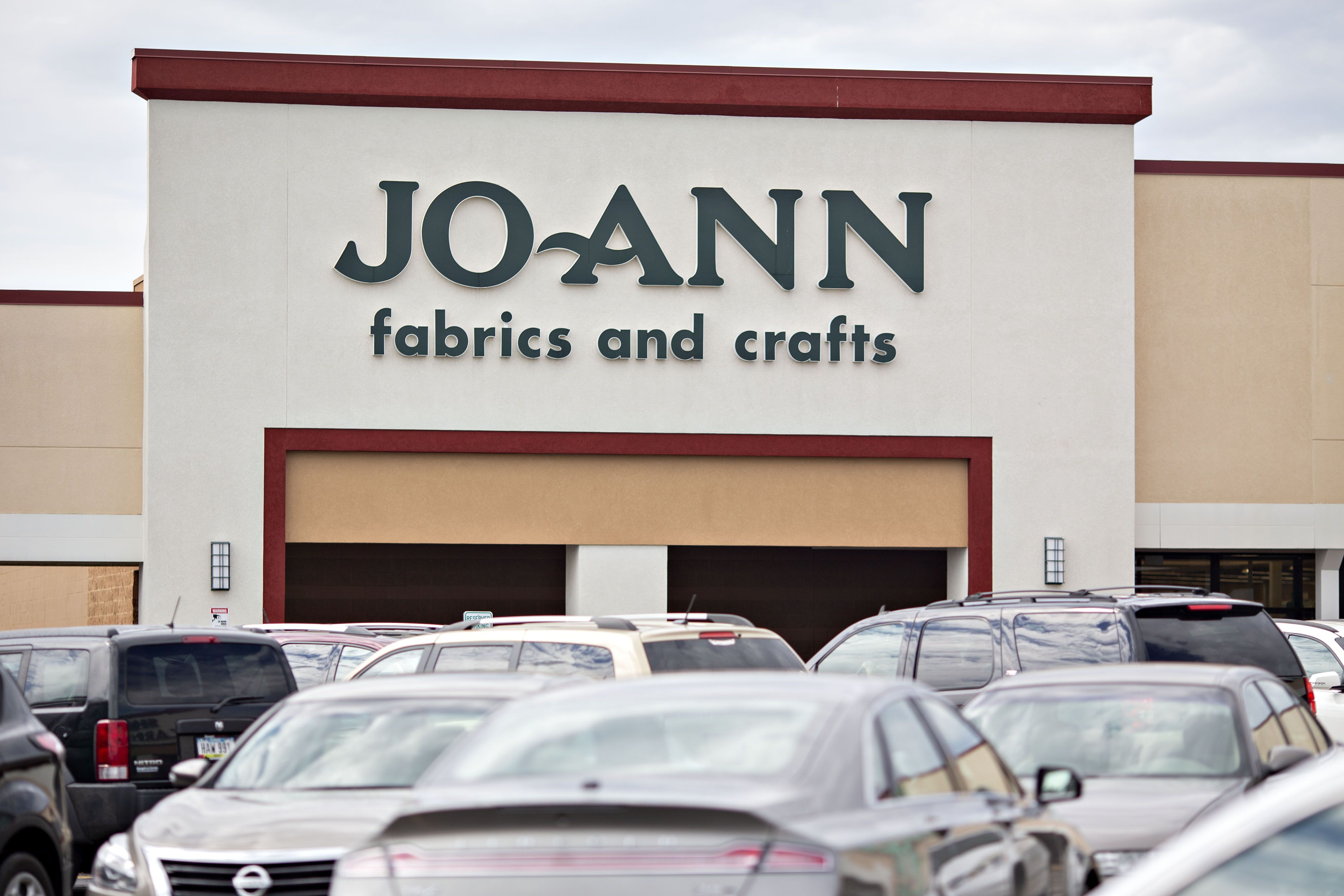
Joann, the longtime crafts and fabrics retailer that helped generations of Americans buy fleece by the yard, hunt for the perfect yarn, and leave the store with three extra seasonal decorations they absolutely did not plan to purchase, filed for bankruptcy again in 2025. For shoppers, sewists, quilters, teachers, hobbyists, costume makers, and small creative businesses, the news felt bigger than another retail headline. It felt like a giant pair of fabric scissors had cut through a familiar part of the American crafting landscape.
The Joann bankruptcy story is not a simple tale of one bad quarter or one unlucky holiday season. It is a layered business case involving debt, shifting consumer habits, inventory shortages, supply chain pressure, rent costs, online competition, and the difficult reality of running a specialty retailer in a world where shoppers compare prices from the couch while wearing socks that may or may not match. Joann had already gone through a Chapter 11 restructuring in 2024, reducing debt and emerging as a private company. But by January 2025, the company was back in court, seeking protection again and looking for a buyer.
This article explains what happened, why the bankruptcy mattered, how the second filing unfolded, and what Joann’s collapse says about the future of craft retail in the United States.
What Happened to Joann?
Joann filed for Chapter 11 bankruptcy protection in January 2025, marking its second bankruptcy filing in less than a year. The company said it was entering a court-supervised sale process to maximize the value of the business. At the time, Joann still operated hundreds of stores across the United States and remained one of the most recognizable names in sewing, fabrics, yarn, crafts, seasonal décor, and DIY supplies.
Chapter 11 bankruptcy does not always mean a company is closing. In many cases, it allows a business to reorganize, renegotiate obligations, reduce debt, and keep operating. That was Joann’s goal during its 2024 restructuring, when the company reduced funded debt and emerged as a private business. But the second bankruptcy was different. This time, Joann entered the process under heavier pressure, with constrained inventory, supplier issues, and a need to find a buyer quickly.
At first, Joann said it would continue operating stores while the sale process moved forward. For customers, that sounded like cautious hope. For employees, vendors, and landlords, it was more complicated. A retailer can keep the lights on during Chapter 11, but if inventory is thin, vendors are nervous, rent remains expensive, and customers are drifting away, the sewing machine can run out of thread very quickly.
A Quick Timeline of Joann’s Bankruptcy
1943: A Fabric Store Is Born
Joann’s roots go back to 1943, when the business began as a fabric shop in Cleveland, Ohio. Over the decades, it expanded into a national chain and became a go-to destination for sewing supplies, quilting cotton, yarn, patterns, buttons, foam, floral items, seasonal decorations, kids’ crafts, and many other creative materials. For many shoppers, Joann was not just a store; it was a creative pit stop.
2021: Joann Returns to the Public Market
Joann went public again in 2021, during a period when at-home hobbies were still riding the pandemic-era wave. Sewing, crafting, home decorating, mask-making, and DIY projects had all surged when people were spending more time at home. The problem was that demand did not stay at those unusual levels forever. Once consumers returned to travel, restaurants, events, and normal routines, many retailers that had enjoyed a pandemic boost faced a painful reset.
March 2024: First Bankruptcy Filing
In March 2024, Joann filed for Chapter 11 with a plan to reduce debt and continue operating. The company expected to complete the process quickly, and it did. By April 2024, Joann had emerged from bankruptcy as a private company after reducing funded debt and securing new financing. Importantly, the company kept stores open during that first restructuring.
January 2025: Second Bankruptcy Filing
Less than a year later, Joann filed for Chapter 11 again. This second filing was driven by a mix of financial strain, inventory challenges, supply chain problems, and a difficult retail environment. The company entered the process seeking a sale, with Gordon Brothers initially serving as a stalking horse bidder. In plain English, that means there was a baseline bid in place while the company searched for a better offer.
February 2025: Store Closures Expand
In February 2025, Joann sought permission to close hundreds of stores. The company later moved toward a full wind-down after failing to find a buyer willing to keep the chain operating as a going concern. Going-out-of-business sales began across the chain, turning once-familiar aisles into clearance zones where shoppers looked for bargains and, in many cases, said goodbye to a store they had visited for years.
Why Did Joann File for Bankruptcy?
Joann’s bankruptcy was not caused by one single villain wearing a tiny craft apron. Several forces came together at the same time, and none of them were easy to solve.
1. Debt Was Still a Heavy Burden
The 2024 restructuring helped Joann reduce debt, but it did not magically turn the company into a low-cost, high-growth machine. Retail turnarounds are hard because a company must fix the balance sheet and the store experience at the same time. A cleaner financial structure can help, but customers still need well-stocked shelves, competitive prices, convenient shopping options, and a reason to come back.
2. Inventory Shortages Hurt the Shopping Experience
Joann’s business depended on being a one-stop shop for creative projects. If someone wants to sew a costume, knit a blanket, make a wreath, or finish a quilt, they usually need multiple items. Missing yarn colors, limited fabric choices, empty shelves, delayed deliveries, or unavailable sewing notions can turn a simple shopping trip into a scavenger hunt with fluorescent lighting.
Inventory shortages are especially dangerous for specialty retail. A grocery store can survive being out of one cereal brand. A fabric store that cannot supply the right thread, zipper, backing, batting, or yarn weight may lose the entire project purchase. Customers do not want half a craft project. Half a craft project is just clutter with ambition.
3. Vendors Became More Cautious
When a retailer is financially stressed, suppliers often become more careful about payment terms, shipping volumes, and credit exposure. That caution is understandable, but it can create a loop: the retailer needs inventory to drive sales, suppliers hesitate because the retailer is risky, sales suffer because inventory is weak, and the risk gets worse. It is the retail version of trying to sew with a knot in the bobbin.
4. Competition Was Fierce
Joann competed with national craft chains like Michaels and Hobby Lobby, big-box retailers like Walmart and Target, online marketplaces like Amazon and Etsy, specialty fabric sellers, independent quilt shops, and direct-to-consumer craft brands. That is a crowded room, and everyone is holding a coupon.
Michaels had broader arts-and-crafts appeal, Hobby Lobby had a powerful store footprint, and online retailers offered convenience and endless browsing. Independent stores often built strong relationships with niche communities such as quilters, cosplayers, knitters, and garment sewists. Joann had scale, but scale can become expensive if stores are underperforming and inventory is inconsistent.
5. The Pandemic Craft Boom Faded
During the pandemic, many people rediscovered sewing, knitting, home décor, painting, and DIY projects. Some made masks. Some made quilts. Some made one scarf, declared themselves a fiber artist, and never touched the needles again. That boom helped craft retailers, but it also created a tough comparison when demand normalized.
Retailers that expanded expectations around unusually high demand later had to adjust to a slower market. For Joann, the post-pandemic slowdown collided with debt, supply issues, and inflation-sensitive shoppers who became more selective about discretionary purchases.
Why Joann Mattered to American Crafters
Joann occupied a special place in the creative economy because it served beginners and experienced makers under one roof. A shopper could buy a beginner sewing kit, a Halloween costume pattern, quilting cotton, embroidery floss, floral foam, scrapbook paper, and a suspiciously large bag of buttons in the same trip. For many communities, especially suburbs and smaller markets, Joann was one of the only accessible places to buy fabric in person.
Fabric is not like buying a phone charger. Texture, drape, stretch, weight, color, and pattern scale matter. Sewists want to touch the material. Quilters want to compare colors under real light. Cosplayers want to know whether a fabric will behave heroically or betray them at the first seam. Online shopping is convenient, but it cannot fully replace the experience of standing in an aisle and saying, “This one feels right.”
Joann also supported last-minute creativity. Teachers bought classroom supplies. Parents bought science-fair poster board. Brides bought ribbon and tulle. Theater groups bought costume fabric. Small sellers bought supplies for Etsy shops, craft fairs, and local markets. When a chain like Joann disappears, the inconvenience is not evenly distributed. Urban shoppers may have alternatives. Rural and suburban makers may suddenly face longer drives, higher shipping costs, or fewer choices.
What Happened After the Bankruptcy Filing?
After Joann’s January 2025 filing, the company attempted to move through a sale process. The hope was to find a buyer that would preserve at least part of the business. Instead, the process led to a broader wind-down. Joann announced plans to close stores and conduct going-out-of-business sales across the chain.
Later, Michaels acquired Joann’s intellectual property and private label brands, including familiar names from the Joann shopping experience. That move showed that even though the Joann store network was disappearing, the value of its brand recognition, customer loyalty, and product labels remained meaningful. In other words, the aisles may have closed, but the customer demand did not vanish into a puff of glitter.
What Joann’s Bankruptcy Says About Retail
Joann’s bankruptcy is part of a larger retail pattern. Many U.S. chains have struggled with high debt, expensive leases, changing consumer behavior, and increased competition from online and discount channels. Specialty retailers face an even sharper challenge because their success depends on depth, expertise, and inventory reliability.
The modern shopper is practical. They compare prices, hunt for coupons, read reviews, check availability online, and expect flexible fulfillment. A retailer that once won through store count and brand recognition now needs strong digital tools, clean operations, helpful staff, reliable inventory, and a reason to make the trip.
Joann had passionate customers, but passion alone does not pay rent, suppliers, payroll, freight bills, or interest expense. The lesson is not that crafting is dead. Far from it. Sewing, quilting, crochet, knitting, paper crafting, cosplay, home décor, and DIY culture remain active. The lesson is that creative retail must be nimble, well-capitalized, community-driven, and operationally sharp.
How Customers Reacted
Customer reaction was emotional because Joann was tied to personal memories. Many people remembered buying fabric for prom dresses, baby blankets, school projects, first apartments, holiday crafts, handmade gifts, and family quilts. A craft store can become part of a person’s creative history. When it closes, shoppers do not just lose a checkout counter. They lose a place where ideas became physical.
Some customers rushed to liquidation sales. Others were frustrated by shrinking inventory, long lines, or confusing discounts. Many makers began searching for alternatives: Michaels, Hobby Lobby, local quilt shops, independent fabric stores, online fabric warehouses, yarn shops, thrift stores, estate sales, and marketplace sellers. The replacement path depends heavily on what someone makes. A scrapbooker may adjust quickly. A garment sewist who needs apparel fabric by touch may have a harder time.
What Small Craft Businesses Can Learn
Joann’s bankruptcy offers useful lessons for independent stores and small creative businesses. First, inventory matters. Makers return to stores that reliably carry the basics. Second, expertise matters. A knowledgeable staff member who can explain interfacing, yarn weight, needle size, or paint finish can beat a faceless product page. Third, community matters. Classes, clubs, demonstrations, and local maker events can turn a store into a gathering place rather than just a shelf with a barcode.
Independent stores cannot always compete with big chains on price, but they can compete on curation, trust, service, and personality. A small fabric shop that knows its quilting customers by name has something no national chain can easily copy. A yarn store that hosts beginner nights and fixes dropped stitches may build loyalty stronger than any 40% off coupon.
Experience-Based Reflections: What Joann’s Bankruptcy Feels Like for Everyday Makers
For anyone who has spent time in craft aisles, Joann’s bankruptcy feels oddly personal. You might not think a retail bankruptcy could stir up emotions, but then you remember the time you stood in front of twenty shades of blue fabric trying to decide which one looked “more ocean but not too ocean.” That is when it hits you: craft stores are where tiny creative decisions happen, and those tiny decisions often become important memories.
A typical Joann trip was rarely just a transaction. It was a mission. Maybe you entered with a coupon, a pattern number, and the optimism of someone who believed this would be a quick errand. Forty minutes later, you were comparing thread colors like a museum curator and wondering whether you should buy extra fabric “just in case.” The answer, as every sewist knows, is usually yes. Future you may complain, but future you will also be grateful.
The bankruptcy also highlights how important physical stores remain for hands-on hobbies. Online shopping works well for many craft supplies, but fabric is stubbornly physical. A product photo cannot always show how rayon moves, how fleece stretches, how quilting cotton feels, or whether a color is warm cream or “why does this look yellow under my lamp?” Crafters often need to touch, fold, compare, and imagine. Joann gave people that opportunity at scale.
For beginners, Joann was often less intimidating than a highly specialized boutique. A new sewer could walk in, buy a basic machine needle, grab a pattern, choose a fabric, and ask a simple question without feeling like they had accidentally wandered into a secret guild. That accessibility mattered. Many creative hobbies already have a learning curve. A welcoming store can be the difference between “I made my first tote bag” and “I gave up because I bought the wrong elastic and now I fear zippers.”
The store closures may also change how makers plan projects. Instead of running out for one missing item, people may need to batch purchases, order earlier, build supply stashes, or support local specialty stores. This could be good news for independent fabric and yarn shops, but it may also be challenging for shoppers in areas without many alternatives. Not every town has a charming local fabric store with a cat sleeping near the register, though frankly, every town deserves one.
For small sellers, teachers, parents, theater groups, and community organizers, the loss of Joann can be especially inconvenient. When a school play needs felt, elastic, and trim by tomorrow, shipping is not always a hero. When a crafter has a weekend market coming up and runs out of ribbon, local access matters. Joann’s disappearance leaves a practical gap, not just a nostalgic one.
Still, the creative community is unusually resourceful. Makers are experts at substitution. No exact button? Use another. No perfect fabric? Modify the pattern. No local chain store? Build a network: independent shops, online suppliers, swaps, estate sales, reuse centers, guilds, and community groups. The closing of Joann is a loss, but it may also push crafters to rediscover local stores, share resources, and become more intentional about where they spend their money.
In that sense, Joann’s bankruptcy is not the end of crafting. It is a reminder that creative habits outlive retail formats. People will still sew costumes the night before Halloween. Grandparents will still make quilts. Teenagers will still discover crochet and immediately underestimate how much yarn a blanket requires. Someone, somewhere, will still buy glitter despite knowing exactly what happens next. The tools may come from different places, but the impulse to make things by hand is not going anywhere.
Conclusion
Joann’s bankruptcy marks the end of a major chapter in American craft retail. The company survived for more than eight decades by serving people who sew, quilt, knit, decorate, teach, build, mend, and make. But debt, inventory problems, supplier pressure, competition, changing habits, and a difficult retail environment proved too much.
The bigger story is not simply that a retailer failed. It is that the crafting market is changing. Customers still want fabric, yarn, sewing supplies, and creative inspiration, but they want convenience, availability, fair prices, and trustworthy service. The businesses that can deliver those things may inherit the loyalty Joann once held.
Joann’s stores may be gone, but the makers remain. And makers, by nature, do not stop when something breaks. They repair, repurpose, rethread, restitch, and begin again.