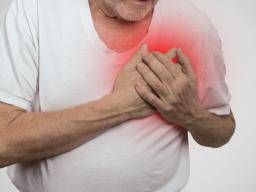
Acute coronary syndrome sounds like the name of a very serious rock band, but it is actually a medical emergency. It describes a sudden reduction in blood flow to the heart muscle, often because a coronary artery becomes narrowed or blocked by a blood clot. When the heart cannot get enough oxygen-rich blood, every passing minute matters.
Acute coronary syndrome, commonly called ACS, includes unstable angina, non-ST-elevation myocardial infarction (NSTEMI), and ST-elevation myocardial infarction (STEMI). In everyday language, this umbrella term covers certain types of heart attacks and dangerous chest-pain conditions that can lead to one.
Knowing the warning signs, acting quickly, and understanding what happens after an ACS diagnosis can make a frightening situation feel more manageable. The goal is not to become your own cardiologist between lunch and laundry. The goal is to recognize a possible emergency and get professional help fast.
What Is Acute Coronary Syndrome?
Your coronary arteries are the blood vessels that deliver oxygen-rich blood to your heart muscle. Over many years, cholesterol-containing plaque can build up inside these arteries. Think of it as an unwanted traffic jam forming in a tunnel that was designed for smooth travel.
Acute coronary syndrome happens when blood flow through one of those arteries suddenly becomes severely reduced or blocked. A plaque may rupture, triggering a blood clot that partly or completely blocks the artery. Without enough oxygen, heart muscle can become injured or die.
The Three Main Types of ACS
- Unstable angina: Chest discomfort or other ischemic symptoms occur because the heart is not receiving enough blood. Unlike a heart attack, blood tests may not show measurable heart muscle injury, but the condition is still urgent.
- NSTEMI: A non-ST-elevation myocardial infarction is a heart attack in which blood tests show heart muscle damage, but the ECG does not show the classic ST-segment elevation pattern.
- STEMI: A ST-elevation myocardial infarction is a major heart attack pattern that often reflects a sudden, complete coronary artery blockage and requires immediate efforts to restore blood flow.
All three forms of ACS deserve urgent medical evaluation. The difference between them may sound technical, but the shared message is simple: do not wait around to see whether the discomfort becomes more “convincing.” Heart emergencies are not required to perform dramatic movie scenes.
What Causes Acute Coronary Syndrome?
The most common cause of acute coronary syndrome is coronary artery disease. This condition develops when plaque builds up in the walls of the coronary arteries. Plaque is made from cholesterol, fatty substances, inflammatory cells, calcium, and other materials. It can quietly grow for years without causing obvious symptoms.
The sudden crisis often begins when plaque becomes unstable. Instead of behaving like a harmless bump in the road, it cracks or erodes. The body responds as if it has found an injury and forms a blood clot. Unfortunately, that clot can block the same artery the heart depends on for oxygen.
Common Risk Factors
Some ACS risk factors are changeable, while others are not. Age, family history, and certain genetic risks cannot be edited with a salad or a treadmill. But many major risks can be reduced with medical care and lifestyle changes.
- High blood pressure
- High LDL cholesterol
- Diabetes or poorly controlled blood sugar
- Smoking or tobacco exposure
- Physical inactivity
- A diet high in sodium, added sugar, or saturated fat
- Chronic stress and poor sleep habits
- Kidney disease
- Older age or a family history of early heart disease
Less Common Causes of ACS
Not every case follows the usual plaque-rupture script. A coronary artery can suddenly tighten because of a spasm. In some people, the layers of a coronary artery wall can separate, a condition called spontaneous coronary artery dissection, or SCAD. Severe illness, major blood loss, very fast heart rhythms, or extreme oxygen-demand mismatch can also injure the heart.
That is one reason medical teams do not diagnose ACS based on one symptom alone. They combine your story, ECG results, blood tests, examination findings, and imaging when needed.
Acute Coronary Syndrome Symptoms: What to Watch For
The most recognized ACS symptom is chest discomfort. People may describe it as pressure, squeezing, heaviness, fullness, burning, tightness, or pain in the center or left side of the chest. Some say it feels like an elephant is sitting on their chest. Others describe something much less theatrical, such as stubborn indigestion that refuses to leave.
Common Warning Signs
- Chest pressure, pain, squeezing, or discomfort that lasts several minutes or comes and goes
- Pain or discomfort in the arm, shoulder, back, neck, jaw, or upper stomach
- Shortness of breath, with or without chest discomfort
- Cold sweat, nausea, vomiting, or lightheadedness
- Sudden weakness, unusual fatigue, or dizziness
- A fast, irregular, or pounding heartbeat
- A feeling that something is seriously wrong, even if you cannot explain why
Symptoms Can Look Different From Person to Person
Women, older adults, and people with diabetes may be more likely to have symptoms that do not fit the stereotype of dramatic crushing chest pain. They may notice unexplained exhaustion, nausea, back pressure, breathlessness, indigestion-like discomfort, or dizziness. These symptoms are not “less real” or “less urgent.” They simply make it easier to misread the situation.
A useful rule is this: new symptoms that are severe, persistent, unexplained, or clearly different from your usual experience should be treated seriously. It is far better to have an emergency team decide it is not a heart attack than to try to tough it out while your heart muscle is losing oxygen.
What to Do if You Think Someone Has ACS
Call emergency services immediately. In the United States, call 911. Emergency medical teams can begin assessment and treatment on the way to the hospital, and hospitals can prepare for urgent cardiac care before arrival.
Do not drive yourself unless there is absolutely no alternative. Symptoms can worsen suddenly, and a person who feels “mostly okay” can become weak, confused, short of breath, or unconscious. Riding in an ambulance may not sound glamorous, but it is a much better transportation plan than attempting a heroic solo drive.
If you have prescribed nitroglycerin, use it exactly as your clinician instructed. Do not take medication borrowed from someone else. Aspirin may be appropriate in some suspected heart attacks, but it is not safe for everyone, so follow instructions from emergency dispatchers or medical professionals rather than improvising a treatment plan.
How Acute Coronary Syndrome Is Diagnosed
In the emergency department, the first priority is determining whether the heart is under immediate threat. Clinicians often perform several tests quickly because ACS can be dangerous even when the first test is not dramatic.
Electrocardiogram or ECG
An ECG records the heart’s electrical activity. It can reveal patterns suggesting reduced blood flow, heart muscle injury, or dangerous rhythm problems. A STEMI pattern on an ECG can trigger an immediate pathway for opening a blocked artery.
Troponin Blood Tests
Troponin is a protein released into the bloodstream when heart muscle cells are damaged. Doctors often repeat troponin tests over time because a single early result may not tell the whole story. Rising or falling levels can help distinguish NSTEMI from unstable angina and other causes of chest symptoms.
Additional Testing
Depending on the situation, a medical team may use an echocardiogram to assess heart pumping function, a chest X-ray to rule out other problems, or coronary angiography to look directly at blood flow through the coronary arteries. During angiography, doctors may be able to treat a blockage immediately with angioplasty and a stent.
Acute Coronary Syndrome Treatment
ACS treatment depends on the type of event, the degree of blockage, the patient’s bleeding risk, other health conditions, and how quickly care begins. The overall goals are to restore blood flow, prevent new clots, reduce strain on the heart, manage complications, and lower the risk of another event.
Emergency Medicines
Hospital treatment may include antiplatelet medicines, which make blood cells called platelets less likely to clump together. Aspirin is a familiar example, but clinicians may also use another antiplatelet medicine called a P2Y12 inhibitor. Many patients with ACS need a carefully selected combination of these medicines after discharge.
Other medications may include anticoagulants to limit clot growth, nitrates to relieve ischemic chest discomfort, beta-blockers in appropriate patients, and high-intensity statins to lower LDL cholesterol and stabilize plaque. Oxygen may be used when oxygen levels are low or breathing is impaired; it is not simply an automatic accessory for every chest-pain patient.
Angioplasty and Stenting
For many patients, especially those with STEMI or high-risk NSTEMI, doctors use percutaneous coronary intervention, often called PCI. A thin catheter is guided through an artery in the wrist or groin to the heart. A balloon can open the narrowed area, and a small mesh tube called a stent may be placed to help keep the artery open.
PCI is not a cosmetic tune-up for the heart. It is a time-sensitive procedure designed to restore blood flow and limit damage to the heart muscle.
Clot-Busting Drugs and Bypass Surgery
If rapid PCI is not available for a qualifying STEMI, clinicians may consider fibrinolytic therapy, also called clot-busting medication. This treatment is not appropriate for every person because it can increase bleeding risk.
Some people need coronary artery bypass graft surgery, or CABG. In bypass surgery, a surgeon creates a new route for blood to travel around severely narrowed or blocked coronary arteries. This may be recommended when disease involves multiple vessels, a critical artery location, or anatomy that is not well suited to stenting.
Recovery After Acute Coronary Syndrome
The hospital discharge is not the finish line. It is the beginning of the long-game strategy: protecting the heart from another event. Many people leave the hospital with several new medications, follow-up appointments, dietary advice, and a referral to cardiac rehabilitation.
Cardiac rehabilitation is a medically supervised program that often includes monitored exercise, nutrition guidance, education about medications, stress management, and support for returning to daily life. It is not a boot camp, and no one expects you to emerge doing push-ups on a treadmill while reciting cholesterol numbers. It is a structured way to rebuild confidence and reduce future heart risk safely.
Key Recovery Habits
- Take medications exactly as prescribed, especially antiplatelet medicines after a stent.
- Attend follow-up visits with your cardiology and primary care teams.
- Participate in cardiac rehabilitation when available.
- Stop smoking and avoid tobacco exposure.
- Manage blood pressure, cholesterol, diabetes, and kidney health.
- Follow a heart-healthy eating pattern built around vegetables, fruits, beans, whole grains, nuts, and lean proteins.
- Return to physical activity only as your care team recommends.
- Report recurrent chest discomfort, fainting, severe breathlessness, or medication side effects promptly.
Can Acute Coronary Syndrome Be Prevented?
You cannot control every cardiac risk factor, but prevention is still powerful. High blood pressure and high cholesterol often cause no symptoms, which is why routine checkups matter. A person can feel perfectly fine while an artery is quietly becoming less friendly.
Prevention usually starts with a few unglamorous but highly effective steps: do not smoke, keep blood pressure and cholesterol in target ranges, manage diabetes, move your body regularly as medically appropriate, eat in a heart-supportive pattern, sleep enough, and take prescribed medication consistently.
These habits are not punishment for having a heart. They are maintenance. Nobody expects a car to run forever without oil changes, fuel, and an occasional trip to the mechanic. Your cardiovascular system deserves at least that level of attention.
Experiences With Acute Coronary Syndrome: What the Journey Can Feel Like
The following examples are illustrative composite experiences for education. They are not real patient stories, and they should not be used to diagnose symptoms.
Experience One: “I Thought It Was Just Heartburn”
A busy office manager notices a burning pressure in the chest after carrying boxes upstairs. At first, the person blames lunch, stress, and a schedule that has somehow become an extreme sport. The discomfort fades, then returns while resting on the couch. This time it comes with sweating and a strange heaviness in the left arm.
The important turning point is not a dramatic collapse. It is the decision to take the symptom seriously. Emergency testing reveals an NSTEMI. The person later learns that heart problems do not always arrive with lightning bolts and violins. Sometimes they arrive as “indigestion” that feels different, lasts longer, or comes with breathlessness and fatigue.
Experience Two: The Symptoms Did Not Match the Movie Version
A woman in her early sixties wakes up feeling unusually tired. She has nausea, upper-back pressure, and shortness of breath while getting ready for the day. Because there is no sharp chest pain, she considers staying home. A family member notices that she looks pale and encourages her to seek emergency care.
At the hospital, the ECG and blood tests lead to urgent cardiac evaluation. She later describes the experience as confusing because the symptoms seemed too vague to be serious. That reaction is common. ACS symptoms can vary widely, particularly among women, older adults, and people with diabetes. The lesson is not to panic at every uncomfortable sensation; it is to recognize that unusual, persistent, or escalating symptoms deserve a prompt medical assessment.
Experience Three: Life After a Stent Requires a New Routine
After angioplasty and stent placement, a patient may feel grateful, relieved, and overwhelmed all at once. Suddenly there are pill organizers, medication names that sound like they belong in a spelling bee, cardiology appointments, and a new appreciation for walking without chest discomfort.
One of the biggest adjustments is realizing that a stent treats a blockage, but it does not erase coronary artery disease everywhere else. Recovery often involves learning how medications work, attending cardiac rehabilitation, building meals around heart-healthy choices, and gradually returning to exercise under medical guidance. The patient may also experience anxiety when the first twinge of chest discomfort appears. That is normal, but recurrent or concerning symptoms should always be reported rather than ignored.
Experience Four: Family Members Become Part of the Recovery Team
ACS affects more than the person in the hospital bed. Spouses, parents, children, and friends may suddenly become transportation coordinators, medication-reminder experts, or enthusiastic walkers who insist that a short stroll counts as quality time. Support can make a huge difference, especially when recovery feels emotionally heavy.
The most helpful support is practical and respectful: encourage follow-up care, learn emergency warning signs, keep medications organized, help create heart-friendly routines, and avoid turning every meal into a courtroom cross-examination. Recovery works best when the person feels supported, informed, and still in control of daily life.
Conclusion
Acute coronary syndrome is a medical emergency caused by suddenly reduced blood flow to the heart. Its symptoms can include chest pressure, shortness of breath, pain spreading to the arm or jaw, nausea, sweating, lightheadedness, or unusual fatigue. Because ACS includes unstable angina, NSTEMI, and STEMI, there is no safe “wait and see” category for new or worsening cardiac symptoms.
Fast emergency care, ECG and troponin testing, medicines that limit clotting, and procedures such as angioplasty or bypass surgery can save heart muscle and lives. Afterward, medications, cardiac rehabilitation, follow-up care, and risk-factor management help lower the chance of another event. When it comes to possible ACS, acting quickly is not overreacting. It is exactly what your heart would vote for.