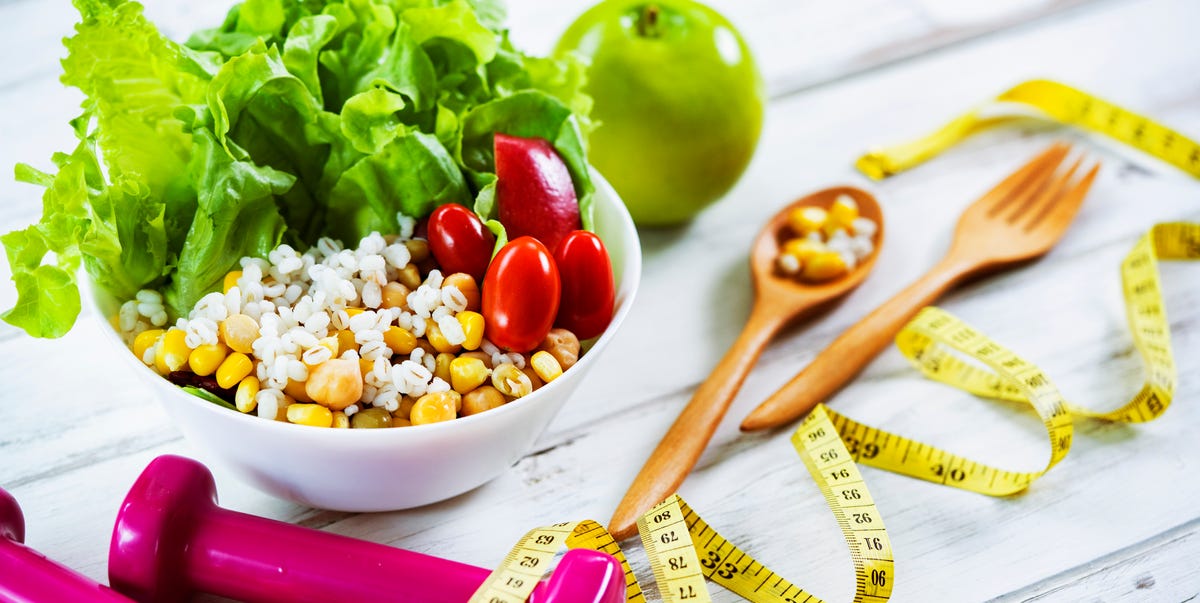
Counting macros for weight loss sounds like something that requires a spreadsheet, a sports watch, and possibly a tiny calculator hidden in your lunchbox. Thankfully, it is much simpler than that. “Macros” is short for macronutrients: protein, carbohydrates, and fat. These are the three nutrients that provide calories and make up most of what you eat every day.
Unlike a basic calorie-counting plan, macro counting looks at where your calories come from. That matters because a 400-calorie lunch made of grilled chicken, brown rice, avocado, and vegetables will likely keep you fuller and more energized than 400 calories of cookies eaten over the sink while pretending it never happened. Both count as calories, but they do not behave the same way in your appetite, energy, muscle maintenance, or overall diet quality.
Dietitians often like macro tracking because it teaches food awareness without automatically banning bread, pasta, potatoes, or peanut butter. No food has to be sent dramatically into exile. The goal is to build meals that support a calorie deficit, preserve lean muscle, manage hunger, and make weight loss feel less like punishment and more like a plan.
What Are Macros?
Macronutrients are the nutrients your body needs in larger amounts. They provide energy and support essential functions, from moving your muscles to keeping your hormones and cells working properly.
Protein
Protein helps repair and build body tissues, supports immune function, and plays a major role in preserving muscle during weight loss. Dietitians often emphasize protein because losing weight without enough of it can increase the risk of losing muscle along with fat. Good protein sources include eggs, poultry, fish, lean beef, Greek yogurt, cottage cheese, tofu, tempeh, beans, lentils, and protein-rich whole grains.
Carbohydrates
Carbohydrates are your body’s preferred quick energy source. They fuel workouts, support brain function, and provide fiber when you choose high-quality sources. The best weight-loss-friendly carbs usually come from fruits, vegetables, beans, lentils, oats, brown rice, quinoa, potatoes, and whole-grain bread or pasta. Carbs are not the enemy. The enemy is usually mindless portions, sugary drinks, and the mysterious ability of tortilla chips to vanish by the family-size bag.
Fat
Dietary fat supports hormone production, cell health, vitamin absorption, and satisfaction after meals. Fat is more calorie-dense than protein or carbohydrates, so portions matter. Nut butters, olive oil, avocado, nuts, seeds, salmon, sardines, and olives can all fit into a smart macro plan. The key is measuring them honestly. A “tablespoon” of peanut butter should not look like a small mountain range.
Why Counting Macros Can Help With Weight Loss
Weight loss still depends mainly on creating a calorie deficit, meaning you consume fewer calories than your body uses over time. Macro counting does not magically override calories. Instead, it helps you use your calorie budget more wisely.
For example, two people may eat 1,700 calories per day. One eats very little protein, skips vegetables, snacks often, and feels hungry by 3 p.m. The other spreads protein across meals, includes fiber-rich carbohydrates, and uses healthy fats in controlled portions. The second person is more likely to feel satisfied, maintain muscle, and stay consistent. Consistency is the unglamorous hero of weight loss. It does not get a cape, but it deserves one.
Macro tracking can also reveal patterns you might otherwise miss. Maybe your breakfast is too low in protein. Maybe your “healthy” smoothie contains more calories than a full meal. Maybe your dinners are balanced, but your afternoon snacks are secretly running the whole operation. Tracking macros turns vague guesses into useful data.
How Many Calories Are in Each Macro?
To count macros, you need to know the calorie value of each macronutrient:
- Protein: 4 calories per gram
- Carbohydrates: 4 calories per gram
- Fat: 9 calories per gram
This is why a small amount of fat can add calories quickly. Olive oil is nutritious, but pouring it freely into a pan can turn a light dinner into a surprise math exam. The solution is not to avoid fat; it is to portion it with awareness.
Step-by-Step: How to Count Macros for Weight Loss
Step 1: Estimate Your Daily Calorie Needs
Start by estimating how many calories you need to maintain your current weight. Your needs depend on age, sex, height, weight, activity level, muscle mass, sleep, stress, hormones, and health conditions. Online calculators can provide a starting estimate, but they are not perfect. Think of them as a GPS that occasionally tells you to drive into a lake: useful, but still requiring judgment.
Once you have an estimated maintenance number, create a modest calorie deficit. Many dietitians recommend avoiding extreme cuts because very low-calorie plans can increase hunger, fatigue, cravings, and muscle loss. A moderate deficit is usually easier to maintain and less likely to make you dream about muffins.
Step 2: Choose a Macro Ratio
General nutrition guidance often places carbohydrates at about 45% to 65% of calories, fat around 20% to 35%, and protein around 10% to 35%. For weight loss, many dietitians adjust these ranges by prioritizing protein, keeping fats moderate, and choosing carbohydrates based on activity level and personal preference.
A common starting point for weight loss might look like this:
- Protein: 25% to 35% of daily calories
- Carbohydrates: 35% to 50% of daily calories
- Fat: 20% to 30% of daily calories
This is not a law. A runner, a strength-training beginner, a desk worker, and someone managing blood sugar may all need different targets. The best macro split is the one that supports your health, keeps you satisfied, and fits your life well enough that you can repeat it without becoming a meal-prep robot.
Step 3: Convert Calories Into Grams
Let’s say your weight-loss target is 1,800 calories per day, and you choose 30% protein, 40% carbohydrates, and 30% fat.
- Protein: 1,800 x 0.30 = 540 calories from protein. Divide by 4 = 135 grams of protein.
- Carbohydrates: 1,800 x 0.40 = 720 calories from carbs. Divide by 4 = 180 grams of carbs.
- Fat: 1,800 x 0.30 = 540 calories from fat. Divide by 9 = 60 grams of fat.
Your daily macro target would be about 135 grams protein, 180 grams carbohydrates, and 60 grams fat.
Step 4: Build Meals Around Protein First
Dietitians often suggest starting each meal with a protein source because it helps with fullness and muscle maintenance. A simple target is 20 to 40 grams of protein per meal, depending on your body size and total daily goal.
Here are examples of protein-rich meal anchors:
- Greek yogurt with berries and oats
- Eggs with whole-grain toast and fruit
- Chicken breast with rice and vegetables
- Salmon with potatoes and salad
- Tofu stir-fry with quinoa
- Lentil soup with a side of cottage cheese or edamame
Step 5: Add Fiber-Rich Carbs
Fiber is a major reason some carbs are more helpful for weight loss than others. Beans, berries, oats, lentils, vegetables, and whole grains add volume and slow digestion, which can help you feel full. Refined carbs and sugary drinks are easier to overconsume because they often provide calories without much lasting satisfaction.
This does not mean you can never eat dessert or white bread. It means your daily foundation should come from nutrient-dense foods, with fun foods included intentionally rather than accidentally inhaled while standing in front of the pantry.
Step 6: Use Fats Strategically
Fat makes food taste good and helps meals feel satisfying. The challenge is that fat is calorie-dense. Use measured portions of oils, nuts, seeds, avocado, and cheese until your eye gets better at estimating. Even then, checking in occasionally is smart. Eyeballing olive oil is how many people discover they have been seasoning their vegetables with an entire day’s fat target.
A Sample Day of Macro-Friendly Eating
Here is a simple example of a balanced macro day for weight loss. Exact numbers will vary by brand, portion size, and preparation method.
Breakfast
Greek yogurt bowl with berries, oats, chia seeds, and a drizzle of honey. This meal provides protein from yogurt, carbohydrates and fiber from oats and berries, and healthy fat from chia seeds.
Lunch
Grilled chicken bowl with brown rice, black beans, salsa, lettuce, peppers, and avocado. This gives you lean protein, high-fiber carbohydrates, and satisfying fat.
Snack
Cottage cheese with pineapple, or an apple with a measured portion of peanut butter. Snacks work best when they include protein or fiber instead of being a lonely handful of crackers that somehow becomes seven handfuls.
Dinner
Salmon with roasted potatoes, green beans, and a side salad with olive oil vinaigrette. This meal delivers protein, omega-3 fats, fiber, and enough carbohydrates to keep dinner satisfying.
Common Macro Counting Mistakes
Mistake 1: Setting Protein Too Low
Low protein intake can make weight loss harder because hunger may increase and muscle retention may suffer. If you are strength training, older, or losing weight aggressively, protein becomes even more important. A registered dietitian can help personalize your target.
Mistake 2: Cutting Carbs Too Much
Some people feel great on lower-carb plans, but others feel tired, irritable, and ready to argue with a banana. Carbs support workouts, mood, and fiber intake. Instead of eliminating carbs, improve their quality and portion sizes.
Mistake 3: Forgetting Sauces, Oils, and Drinks
Macro tracking gets messy when you forget the extras. Coffee creamers, salad dressings, cooking oils, sauces, alcoholic drinks, juice, and bites from your child’s plate all count. They do not need moral judgment, just math.
Mistake 4: Tracking Too Perfectly
Accuracy helps, but perfection can backfire. Dietitians often encourage flexible tracking because the goal is awareness, not obsession. If tracking makes you anxious, rigid, or guilty around food, it may not be the right tool for you.
Mistake 5: Ignoring Food Quality
Technically, you can hit macros with protein bars, chips, and low-fat cookies. That does not mean you should build your whole diet that way. Food quality matters for fiber, vitamins, minerals, gut health, heart health, and appetite control. Macros are useful, but they are not the entire nutrition story.
Who Should Be Careful With Macro Tracking?
Macro counting is not for everyone. People with a current or past eating disorder, a history of obsessive dieting, or anxiety around food may find tracking harmful. Pregnant or breastfeeding people, athletes, teens, people with diabetes, kidney disease, digestive disorders, or other medical conditions should work with a registered dietitian or healthcare provider before making major changes.
Also, if macro tracking turns every meal into a courtroom drama, consider a gentler approach. You can still lose weight by using plate portions, eating more protein and vegetables, reducing liquid calories, cooking more meals at home, and building consistent routines.
Macro Counting Without Losing Your Mind
The easiest way to count macros is to keep meals simple at first. Choose a few go-to breakfasts, lunches, dinners, and snacks. Repeat them enough to learn their macro profiles. You do not need to create a brand-new menu every day unless you enjoy turning dinner into a research project.
Use a food tracking app, kitchen scale, measuring cups, or nutrition labels as tools. A kitchen scale is especially helpful for calorie-dense foods like nuts, oils, granola, rice, pasta, and nut butter. Once you learn portions, you may be able to track less often.
Many dietitians recommend tracking for a short learning period, such as two to four weeks, then using the information to build habits. Long-term success usually comes from routines, not from logging lettuce forever.
Experience-Based Tips for Counting Macros in Real Life
In real life, macro counting rarely looks as clean as it does in a meal plan. The first week often feels awkward. You may discover that your “high-protein breakfast” has only 11 grams of protein, your favorite coffee has the calories of a snack, or your casual handful of trail mix is actually a tiny, crunchy financial investment in fat grams. This is normal. The first phase is not about being perfect; it is about learning.
One helpful experience is to begin with breakfast. Many people eat the same morning foods repeatedly, so improving breakfast can make the whole day easier. For example, swapping a plain bagel with cream cheese for eggs, fruit, and Greek yogurt may increase protein and reduce hunger before lunch. Or, if you love oatmeal, keep itbut add protein powder, cottage cheese, Greek yogurt, or egg whites stirred in while cooking. You do not have to break up with your favorite foods. You just have to help them do a better job.
Lunch is where planning matters. People often start the day with heroic intentions and then meet a vending machine at 2 p.m. like it is an old friend. A macro-friendly lunch should include protein, high-fiber carbs, colorful produce, and a measured fat source. Think turkey chili, tuna wraps, chicken rice bowls, tofu noodle bowls, bean salads, or leftovers from dinner. If lunch is too small, cravings often arrive later wearing tap shoes.
Dinner is usually easier when you use a simple plate formula: one quarter protein, one quarter starch or grain, and half vegetables, plus a small amount of fat. This method works even when you are not tracking every gram. A dinner of grilled shrimp, roasted sweet potatoes, broccoli, and olive oil dressing can fit beautifully. So can lean beef tacos with corn tortillas, cabbage slaw, salsa, and avocado. Diet food does not have to taste like printer paper.
Eating out is where flexibility becomes essential. You will not always know exact macros, and that is fine. Look for grilled, baked, steamed, or roasted proteins; choose a carb you actually enjoy; add vegetables; and ask for sauces or dressings on the side. If the meal is higher in fat or carbs than usual, adjust the rest of the day gently instead of declaring the day “ruined.” One restaurant meal does not erase progress. The all-or-nothing mindset ruins more diets than pizza ever could.
Another real-world tip is to plan for fun foods. If you love ice cream, chips, chocolate, or burgers, include them occasionally and track them honestly. Flexible macro counting works best when it reduces guilt, not when it becomes a tiny food prison. A planned dessert can fit into a weight-loss day. A forbidden dessert often becomes a late-night kitchen episode with dramatic lighting.
Finally, review your progress every two to four weeks. If weight, measurements, energy, and hunger are moving in the right direction, keep going. If nothing changes, your targets may need adjustment. If you feel exhausted, cold, moody, constantly hungry, or obsessed with food, the plan may be too aggressive. A good macro plan should help you live better while losing weightnot make you feel like your entire personality is grilled chicken.
Conclusion
Counting macros for weight loss can be a practical, flexible way to understand your food intake and create a calorie deficit without banning entire food groups. Dietitians often focus on protein for fullness and muscle maintenance, fiber-rich carbohydrates for energy and digestion, and healthy fats for satisfaction and essential body functions. The best macro plan is personalized, realistic, and built around foods you actually enjoy.
Start with a reasonable calorie target, choose a balanced macro split, convert those calories into grams, and build meals around protein, produce, fiber-rich carbs, and measured fats. Track long enough to learn your habits, but do not let the numbers take over your life. Weight loss should be steady, sustainable, and compatible with being a human being who occasionally wants tacos.
Note: This article is for general educational purposes and is not a substitute for personalized medical or nutrition advice. For individual macro targets, health conditions, pregnancy, athletic goals, or a history of disordered eating, work with a registered dietitian or qualified healthcare professional.