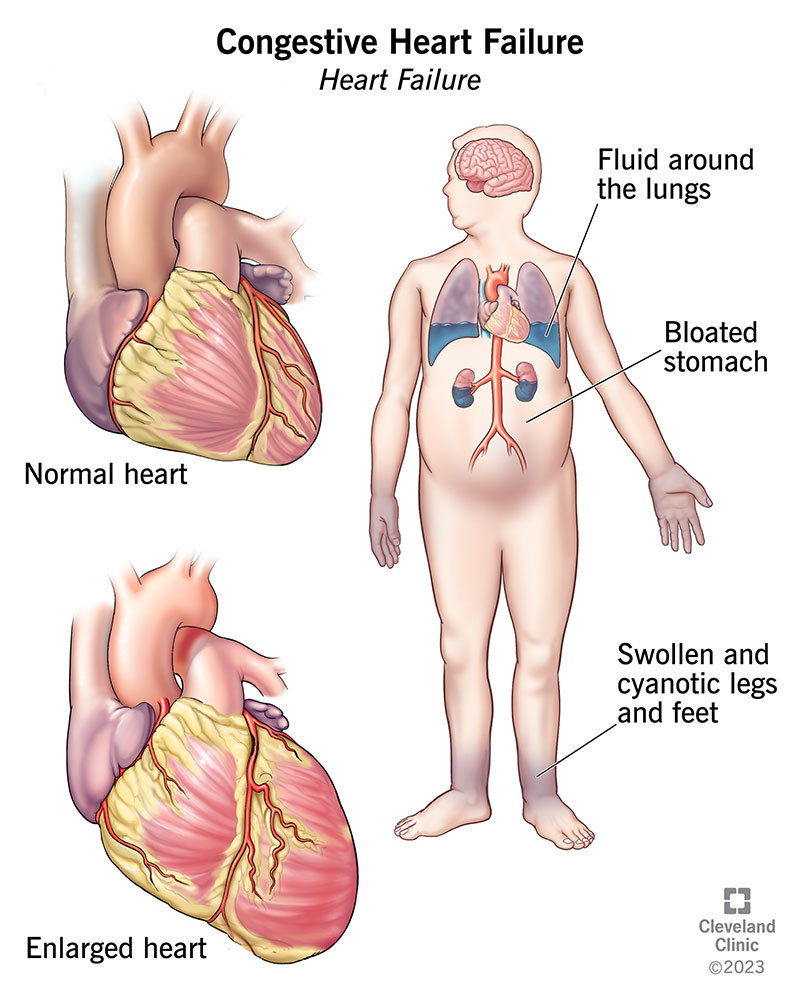
Congestive heart failure, often called CHF or simply heart failure, sounds like the heart has dramatically quit its job and left a tiny resignation letter on your rib cage. Thankfully, that is not quite what happens. Heart failure means the heart is not pumping blood as efficiently as the body needs. It may still be working very hardsometimes too hardbut it is not keeping up with demand.
When the heart cannot move blood forward effectively, fluid can back up into the lungs, legs, ankles, feet, abdomen, or other tissues. That “congestive” part refers to this fluid buildup. It is the reason a person may feel short of breath, notice swelling, gain weight quickly, or suddenly discover that climbing stairs feels like auditioning for a survival show.
Heart failure is common, serious, and manageable. In the United States, millions of adults live with it, and many do well for years with the right treatment plan, daily habits, and regular medical care. The key is recognizing symptoms early, understanding the stages, and treating the condition like a long-term partnership between you, your healthcare team, your medications, and your salt shakerwhich, frankly, may need firmer boundaries.
Note: This article is for educational purposes only and should not replace medical advice. Anyone with chest pain, severe trouble breathing, fainting, or sudden worsening symptoms should seek emergency care immediately.
What Is Congestive Heart Failure?
Congestive heart failure happens when the heart cannot pump enough oxygen-rich blood to meet the body’s needs. The problem may involve the heart being too weak to squeeze properly, too stiff to fill properly, or both. Either way, the body receives less efficient circulation, and fluid may collect where it does not belong.
CHF can affect the left side, right side, or both sides of the heart. Left-sided heart failure is the most common type and often causes fluid to back up into the lungs. Right-sided heart failure usually causes fluid buildup in the legs, feet, ankles, abdomen, or neck veins. Many people eventually have signs of both.
Heart Failure Is Not the Same as a Heart Attack
A heart attack usually happens when blood flow to part of the heart muscle is blocked. Heart failure is a chronic condition in which the heart’s pumping or filling ability is impaired. A heart attack can lead to heart failure, but they are not the same thing. Think of a heart attack as a sudden plumbing emergency and heart failure as a long-term pump performance problem. Neither is invited to dinner.
Common Symptoms of Congestive Heart Failure
Heart failure symptoms can be subtle at first. A person may blame aging, stress, being out of shape, or “that one flight of stairs that clearly has personal issues.” But symptoms often become more noticeable as the heart works harder and fluid builds up.
Shortness of Breath
Shortness of breath is one of the classic symptoms of CHF. At first, it may happen only during activity, such as walking uphill or carrying groceries. Later, it may happen during simple tasks like getting dressed, walking across a room, or lying flat in bed. Some people need extra pillows at night because breathing feels easier when they are propped up.
Fatigue and Weakness
When the heart cannot pump efficiently, muscles may not receive the oxygen-rich blood they need. This can cause tiredness, weakness, or reduced ability to exercise. The fatigue can feel different from ordinary sleepiness. It may feel like the body’s battery is draining faster than expected, even after rest.
Swelling in the Legs, Ankles, Feet, or Abdomen
Fluid retention is another major sign of congestive heart failure. Swelling may appear in the feet, ankles, legs, belly, or sometimes the lower back. Shoes may feel tight. Socks may leave deeper marks. A ring may suddenly act like it has signed a long-term lease on your finger.
Rapid Weight Gain
Sudden weight gain can be a sign of fluid buildup, not body fat. For someone with CHF, gaining several pounds over a short period may mean the body is retaining fluid. That is why many heart failure care plans include daily weighing at the same time each morning.
Coughing, Wheezing, or Chest Congestion
Fluid in or around the lungs can cause coughing, wheezing, or a feeling of chest congestion. Some people notice a cough that worsens when lying down. A cough with pink, frothy mucus can be a warning sign and needs urgent medical attention.
Fast or Irregular Heartbeat
The heart may beat faster to compensate for weaker pumping. Some people feel palpitations, fluttering, pounding, or an irregular rhythm. Because rhythm problems can worsen heart failure or signal another heart condition, they should be discussed with a clinician.
Loss of Appetite, Nausea, or Belly Fullness
When fluid backs up around the liver or digestive system, a person may feel full quickly, nauseated, bloated, or less hungry. This symptom is easy to overlook because it does not shout “heart problem.” The body, unfortunately, does not always label its warning lights clearly.
Confusion or Trouble Concentrating
Reduced blood flow and changes in blood chemistry can affect thinking. Some people experience confusion, forgetfulness, or difficulty focusing. In older adults, this may be mistaken for normal aging, but sudden or worsening confusion should always be taken seriously.
When to Seek Emergency Help
Call emergency services right away if symptoms include severe shortness of breath, chest pain, fainting, sudden severe weakness, coughing up pink or bloody mucus, or a rapid irregular heartbeat with dizziness or trouble breathing. Heart failure can worsen quickly, and waiting it out is not a heroic movie momentit is a risky plan.
What Causes Congestive Heart Failure?
CHF usually develops because another condition has damaged or strained the heart over time. The most common causes include coronary artery disease, high blood pressure, previous heart attack, heart valve disease, cardiomyopathy, abnormal heart rhythms, diabetes, congenital heart problems, kidney disease, sleep apnea, and long-term heavy alcohol or drug use.
High blood pressure is a major contributor because it forces the heart to pump against extra resistance. Over time, the heart muscle can thicken, stiffen, or weaken. Coronary artery disease can reduce blood flow to the heart muscle, making it harder for the heart to pump well. Diabetes increases the risk of heart disease and can damage blood vessels, creating yet another reason for the heart to send a strongly worded complaint.
Types of Heart Failure
Heart Failure With Reduced Ejection Fraction
Heart failure with reduced ejection fraction, or HFrEF, means the left ventricle does not squeeze strongly enough. Ejection fraction is the percentage of blood pumped out of the left ventricle with each heartbeat. In HFrEF, that percentage is lower than normal.
Heart Failure With Preserved Ejection Fraction
Heart failure with preserved ejection fraction, or HFpEF, means the heart may squeeze normally but is too stiff to fill properly. The amount pumped out may look normal, but the total amount of blood available to pump can be reduced. HFpEF is common in older adults and people with high blood pressure, obesity, diabetes, or kidney disease.
Left-Sided vs. Right-Sided Heart Failure
Left-sided heart failure often causes shortness of breath because blood backs up into the lungs. Right-sided heart failure often causes swelling because blood backs up in the body’s veins. Since the heart is one connected system, one side’s problem can eventually affect the other side too.
Stages of Congestive Heart Failure
Healthcare providers often use the ACC/AHA staging system, which runs from Stage A to Stage D. These stages describe the development and progression of heart failure. Unlike some grading systems, these stages usually move forward rather than backward, so the goal is prevention, slowing progression, and improving quality of life.
Stage A: At Risk for Heart Failure
Stage A means a person does not have heart failure symptoms or known structural heart disease, but they have risk factors. These may include high blood pressure, diabetes, obesity, metabolic syndrome, coronary artery disease, family history of cardiomyopathy, or exposure to medications that may affect the heart.
Treatment at this stage focuses on prevention: managing blood pressure, controlling blood sugar, improving cholesterol, quitting smoking, staying active, eating a heart-healthy diet, and treating conditions such as sleep apnea. Stage A is the “let’s not let this become a bigger problem” stage.
Stage B: Pre-Heart Failure
Stage B means there is evidence of structural heart disease or abnormal heart function, but no symptoms of heart failure yet. For example, a person may have a previous heart attack, reduced ejection fraction, valve disease, or enlarged heart chambers without feeling short of breath or swollen.
Treatment may include medications and procedures to prevent symptoms from developing. This is the stage where medical care can be especially powerful because the heart is already sending early warning signals, even if the person feels fine.
Stage C: Symptomatic Heart Failure
Stage C means structural heart disease is present and the person has current or previous symptoms of heart failure. Symptoms may include shortness of breath, fatigue, swelling, reduced exercise tolerance, cough, or fluid retention.
Most people diagnosed with CHF are in Stage C. Treatment typically includes lifestyle changes, medications, monitoring, and sometimes devices or procedures. With the right plan, many people in Stage C can reduce symptoms and stay active.
Stage D: Advanced Heart Failure
Stage D means advanced heart failure symptoms continue despite standard treatment. A person may have symptoms at rest, frequent hospitalizations, or need specialized therapies. Treatment may involve advanced medications, implanted devices, mechanical circulatory support, palliative care, or heart transplant evaluation for eligible patients.
NYHA Functional Classes
The New York Heart Association classification is another system doctors use. It focuses on how symptoms affect physical activity.
- Class I: Heart disease is present, but ordinary activity does not cause symptoms.
- Class II: Ordinary activity causes mild symptoms, but the person is comfortable at rest.
- Class III: Less-than-ordinary activity causes symptoms, though rest is comfortable.
- Class IV: Symptoms may occur even at rest, and any activity worsens discomfort.
How Congestive Heart Failure Is Diagnosed
Diagnosis usually begins with a medical history, physical exam, and discussion of symptoms. A clinician may listen for lung congestion, abnormal heart sounds, swelling, or neck vein enlargement. They may ask about weight changes, sleep position, exercise tolerance, medications, and family history.
Common Tests for CHF
An echocardiogram is one of the most important tests because it shows heart structure, valve function, and ejection fraction. Blood tests may check kidney function, electrolytes, thyroid function, and natriuretic peptides, which can rise when the heart is under stress. Other tests may include an electrocardiogram, chest X-ray, stress test, coronary imaging, cardiac MRI, or cardiac catheterization, depending on the suspected cause.
Treatment for Congestive Heart Failure
CHF treatment depends on the cause, stage, symptoms, ejection fraction, other health conditions, and patient goals. The plan may include medications, lifestyle changes, cardiac rehabilitation, devices, procedures, and careful monitoring.
Medications
For heart failure with reduced ejection fraction, guideline-directed medical therapy often includes several major medication classes. These may include angiotensin receptor-neprilysin inhibitors, ACE inhibitors or ARBs, evidence-based beta-blockers, mineralocorticoid receptor antagonists, and SGLT2 inhibitors. Diuretics are commonly used to reduce fluid buildup and ease swelling or shortness of breath.
Other medications may be used in specific situations, such as hydralazine with isosorbide dinitrate, ivabradine, digoxin, blood thinners, cholesterol medicines, or medications to control rhythm problems. Medication choices should always be individualized because the heart may be the headline act, but the kidneys, blood pressure, potassium level, and other conditions are also in the band.
Lifestyle Changes
Lifestyle changes can make a major difference. A heart-healthy plan may include limiting sodium, following fluid guidance if recommended, avoiding tobacco, limiting or avoiding alcohol, staying physically active within safe limits, managing weight, treating sleep apnea, and keeping vaccines up to date.
Daily weight tracking is especially useful for many people with CHF. A sudden increase can suggest fluid retention before symptoms become severe. Patients are often taught when to call their healthcare team based on weight changes, swelling, breathing, or fatigue.
Cardiac Rehabilitation
Cardiac rehabilitation is a supervised program that may include exercise training, nutrition education, medication support, and counseling. It helps people build strength safely and learn how to live with heart disease without feeling like every heartbeat requires a committee meeting.
Devices and Procedures
Some patients benefit from implanted devices. An implantable cardioverter-defibrillator may help prevent sudden cardiac death in certain people with low ejection fraction. Cardiac resynchronization therapy can help coordinate the heartbeat when the heart’s electrical timing is off. In advanced cases, ventricular assist devices or heart transplant may be considered.
If heart failure is caused by blocked arteries, valve disease, or rhythm problems, procedures may target those causes. Examples include angioplasty, bypass surgery, valve repair or replacement, ablation, or pacemaker therapy.
Living With Congestive Heart Failure
Living with CHF is not just about taking medicine. It is about noticing patterns. Did shortness of breath worsen after a salty meal? Are shoes tighter by evening? Is fatigue increasing? Is sleeping flat harder than last month? These details help clinicians adjust treatment before a crisis develops.
Many people use a simple daily checklist: weight, swelling, breathing, medication, activity, and symptoms. This does not have to become a full-time hobby. Nobody needs a spreadsheet dramatic enough to win an accounting award. But a small notebook, phone app, or calendar can help spot changes early.
Food, Sodium, and the Salt Shaker Situation
Sodium can make the body hold onto fluid, which can worsen swelling and shortness of breath. Many people with CHF are advised to reduce sodium, but the exact target should come from a healthcare provider. Processed foods, canned soups, deli meats, frozen meals, fast food, and salty snacks are common sodium traps. The salt shaker may look innocent, but so does a raccoon before it opens your trash can.
Heart-friendly eating often includes vegetables, fruits, whole grains, beans, lean proteins, low-fat dairy when appropriate, nuts, seeds, and healthy fats. Reading labels is important because “healthy-looking” foods can hide surprising sodium levels.
Experience-Based Perspective: What CHF Management Can Feel Like in Real Life
For many people, the hardest part of congestive heart failure is not one dramatic symptom. It is the daily negotiation. A person may wake up feeling mostly fine, step on the scale, notice two extra pounds, and wonder, “Is this breakfast, fluid, or my body being mysterious again?” That uncertainty can be frustrating, especially early after diagnosis.
One common experience is learning to recognize personal warning signs. Some people first notice swelling in their ankles. Others notice they cannot walk the same distance as before. Some realize they are sleeping with more pillows or waking up breathless at night. Over time, patients often become surprisingly skilled at reading their own bodies. They learn that a tight shoe, a heavier morning weight, or unusual fatigue may be the body’s way of waving a little yellow flag.
Medication routines can also take adjustment. Heart failure treatment may involve several prescriptions, and some can affect blood pressure, urination, kidney function, or potassium levels. Diuretics, for example, can be very helpful for fluid buildup, but they may also make bathroom planning feel like a strategic sport. Many patients learn to take them at times that work with their schedule, based on their clinician’s instructions.
Eating out can become another learning curve. Restaurant meals are often high in sodium, and portions can be larger than expected. A person with CHF may start asking for sauces on the side, choosing grilled instead of fried foods, or splitting meals. At first, this can feel restrictive. But many people eventually discover that heart-healthy eating is less about punishment and more about strategy. Flavor does not have to retire just because sodium got demoted.
Exercise can feel intimidating too. Someone who becomes short of breath easily may worry that activity is dangerous. But for many stable patients, carefully planned movement is helpful. Walking, cardiac rehab, light strength training, or supervised exercise can rebuild confidence. The goal is not to become a superhero. The goal is to move safely, improve stamina, and avoid letting fear shrink daily life more than necessary.
Emotionally, CHF can bring anxiety, grief, or frustration. It is normal to miss the old version of life where breathing, walking, and eating did not require so much planning. Support from family, friends, nurses, doctors, pharmacists, dietitians, rehab specialists, and counselors can make the condition feel less lonely. A good support system does not nag; it helps. There is a difference between “Did you take your medicine?” and “How can I make this easier today?”
Many patients also learn the value of preparation. Keeping an updated medication list, knowing when to call the doctor, bringing questions to appointments, and tracking symptoms can reduce panic. CHF is serious, but knowledge gives patients more control. The condition may be chronic, but it does not get to write the whole story.
Conclusion
Congestive heart failure is a serious condition, but it is not a hopeless one. Understanding the symptoms, stages, and treatment options can help people act early, avoid complications, and live better with the diagnosis. Shortness of breath, swelling, fatigue, rapid weight gain, coughing, and trouble lying flat should not be ignored, especially in people with heart disease risk factors.
Treatment works best when it is consistent and personalized. Medications, lifestyle changes, monitoring, cardiac rehabilitation, and advanced therapies can all play a role. The most successful CHF plan is not just about the heart; it is about the whole person, their daily routine, their support system, and their willingness to report changes before small problems become big ones.
In other words, heart failure management is part science, part teamwork, and part learning how to listen when your body clears its throat politely before shouting. Pay attention early, work closely with your healthcare team, and give your heart the backup crew it deserves.