Growing a SaaS company can feel like trying to fill a swimming pool with a coffee mug while someone keeps poking holes in the liner. Leads arrive, users sign up, customers ask questions, invoices need chasing, churn quietly lurks in the corner, and your team somehow has to smile through all of it. That is why SaaS automation is no longer a “nice-to-have” tool for companies with matching hoodies and a snack wall. It is a growth engine.
The best SaaS companies do not automate because they dislike humans. They automate because humans are expensive, creative, distracted, brilliant, inconsistent, and occasionally at lunch. Automation keeps the routine work moving so your people can focus on strategy, customer conversations, product innovation, and the kind of problem-solving that cannot be handled by a dropdown menu.
For a SaaS business, smart automation can improve lead conversion, shorten time to value, increase customer retention, support product-led growth, and give teams better data for decision-making. The keyword is smart. Random automation is just chaos wearing a productivity badge. The goal is not to automate everything. The goal is to automate the right things at the right moments in the customer journey.
Below are three key automations that can accelerate your SaaS company’s growth: lead-to-revenue automation, onboarding and product adoption automation, and customer success retention automation. Think of them as the three gears in a growth machine. When they turn together, your company stops relying on heroic manual effort and starts building repeatable momentum.
Why SaaS Automation Matters More Than Ever
SaaS growth has become more competitive, more data-driven, and more customer-expectation-heavy than ever. Buyers expect fast answers, personalized experiences, smooth onboarding, flexible pricing, and proof of value before they commit. Meanwhile, SaaS teams are under pressure to grow efficiently, not just loudly. Throwing more ad spend at the wall and hoping something sticks is not a strategy; it is a very expensive confetti cannon.
Automation helps SaaS companies scale without turning every department into a manual follow-up factory. Marketing can nurture leads based on behavior. Sales can prioritize high-intent accounts. Customer success teams can spot churn risk before the renewal call becomes a rescue mission. Product teams can guide users inside the app instead of hoping they discover the “aha moment” like it is a hidden treasure map.
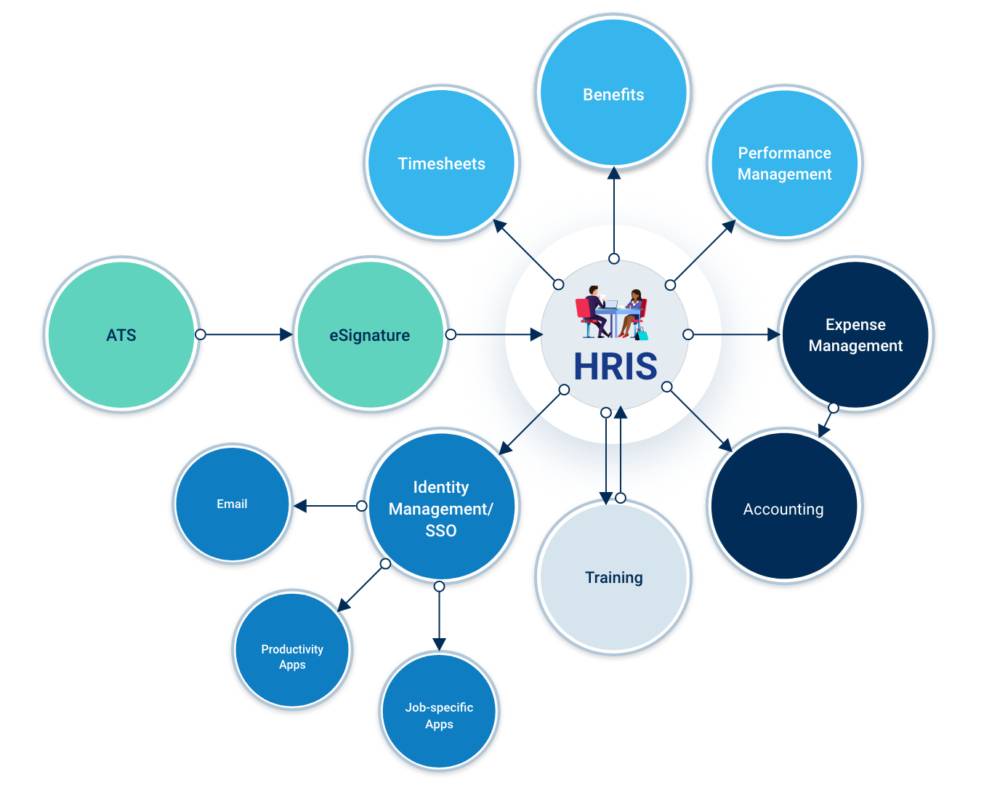
Good SaaS automation connects your CRM, marketing automation platform, product analytics, customer success software, support tools, billing system, and data warehouse. When these systems communicate, your company gets a clearer view of the customer lifecycle. When they do not, everyone has a different spreadsheet, three tabs are named “final,” and nobody knows why the biggest account has not logged in for 19 days.
1. Lead-to-Revenue Automation: Turn Interest Into Pipeline Faster
The first key automation for SaaS growth is lead-to-revenue automation. This includes lead capture, segmentation, lead scoring, email nurturing, sales routing, meeting booking, follow-up reminders, lifecycle stage updates, and pipeline reporting. In plain English: it keeps promising prospects from falling into the digital couch cushions.
SaaS buyers rarely convert after one website visit. They read a blog post, download a guide, compare pricing, watch a demo, ignore three emails, return two weeks later, invite a coworker, and finally book a call while eating a sandwich. Automation helps you respond to that messy journey with relevant messages instead of treating every lead like they just walked into a car dealership.
What to Automate in the Lead-to-Revenue Process
Start with lead capture and enrichment. When someone fills out a demo form, signs up for a webinar, downloads a template, or starts a free trial, your system should automatically create or update the contact record. It should enrich the profile with company size, industry, role, source, and engagement history where possible. This gives sales and marketing teams context before they reach out.
Next, automate lead scoring. A founder reading one blog post at midnight may be curious. A VP of Operations from a 500-person company visiting your pricing page three times, inviting teammates, and watching a product demo is waving a flag that says, “Please do not make me wait until next Thursday.” Behavioral scoring helps your team separate casual visitors from sales-ready leads.
Then automate routing. High-intent enterprise leads should go to the right account executive immediately. Smaller self-service leads may enter a product-led nurture sequence. Existing customers showing expansion signals should be routed to customer success or account management, not treated like net-new strangers. Nobody enjoys receiving a “Welcome to our brand!” email from a company they have paid for two years.
Example: A Smarter Demo Request Workflow
Imagine a B2B SaaS company selling project management software. A director at a mid-market logistics company requests a demo. Instead of sending a generic confirmation email and waiting for a human to notice, automation can instantly:
- Create the lead in the CRM and enrich the company profile.
- Score the lead based on title, company size, industry, and website behavior.
- Route the lead to the correct sales rep by territory or segment.
- Send a personalized calendar booking link.
- Notify the sales rep in Slack with the lead’s recent activity.
- Add the lead to a relevant nurture sequence if no meeting is booked within 24 hours.
- Update campaign attribution so marketing knows what worked.
This kind of workflow does not just save time. It increases speed-to-lead, improves personalization, and makes the buyer feel like your company has its act together. In SaaS, that feeling matters. If your sales process is clunky, prospects may quietly wonder whether your product is clunky too.
Lead-to-Revenue Metrics to Track
Useful metrics include website visitor-to-lead conversion rate, marketing qualified leads, sales qualified leads, demo booking rate, speed-to-lead, lead-to-opportunity conversion, opportunity win rate, customer acquisition cost, and sales cycle length. The purpose of automation is not merely to send more emails. It is to move the right people through the right journey with less friction.
One warning: do not let lead scoring become corporate astrology. A score is only useful if it reflects real buying intent. Review your scoring model regularly. If your system says a student downloading a free guide is hotter than a CFO visiting your pricing page, your automation needs adult supervision.
2. Onboarding and Product Adoption Automation: Help Users Reach Value Quickly
The second key automation is onboarding and product adoption automation. For SaaS companies, the sale is not the finish line. It is the starting whistle. If customers do not understand how to use the product, adopt key features, invite teammates, or see measurable value, churn starts packing its bags early.
Product adoption automation uses behavioral data to guide users through the app. It can include welcome emails, in-app checklists, product tours, tooltips, triggered messages, usage-based education, help center prompts, training reminders, and alerts for customer-facing teams. The goal is simple: reduce time to value.
Time to value is the amount of time it takes a new user or account to experience the core benefit of your product. For a design tool, that might be creating and sharing the first project. For an analytics platform, it might be connecting a data source and viewing the first dashboard. For a billing platform, it might be sending the first invoice without weeping into a calculator.
Automate the “Aha Moment”
Every SaaS product has an “aha moment,” the point where users understand why the product matters. Automation should be designed backward from that moment. What actions must a user complete before value becomes obvious? Which steps are confusing? Where do users drop off? Which features correlate with long-term retention?
Once you know the answer, build automated guidance around those actions. A new user might receive a welcome email with one clear next step. Inside the app, a checklist might guide them through profile setup, first project creation, integration connection, and team invitation. If they stall, a triggered message can offer a short tutorial or invite them to a live onboarding session.
The trick is to be helpful without becoming a digital mosquito. Too many pop-ups, tooltips, modals, and “friendly nudges” can make the product feel like it is attacking the user. Use behavior-based triggers, not random interruptions. If someone has already completed a task, do not keep reminding them to do it. That is not automation; that is a haunted checklist.
Segment Onboarding by User Type
Not all users need the same onboarding. A founder, admin, developer, finance manager, and end user may care about different outcomes. SaaS onboarding automation should segment users by role, plan, company size, use case, acquisition source, and product behavior.
For example, a developer using an API platform may need documentation, sandbox credentials, and code examples. A nontechnical manager may need dashboards, templates, and reporting workflows. Sending both users the same generic seven-email onboarding sequence is like giving everyone at a restaurant a fork and saying, “Good luck with the soup.”
Segmentation makes onboarding feel personal even when it is automated. It also helps customer success teams focus human attention where it matters most. High-value accounts that miss onboarding milestones can trigger internal alerts. Low-touch users can receive automated educational content. Power users can be invited to advanced training, beta programs, or expansion conversations.
Product Adoption Metrics to Track
Important metrics include activation rate, time to value, feature adoption, user retention, account retention, invite rate, integration completion, onboarding checklist completion, product qualified leads, and usage frequency. These metrics reveal whether users are simply signing up or actually becoming successful.
Product analytics should feed your automation engine. If users who connect one integration are more likely to retain, automate prompts that encourage integration setup. If teams that invite at least three coworkers upgrade faster, guide new accounts toward team collaboration. If users abandon setup at step three, fix step three before writing 14 more emails about how exciting step three is.
3. Customer Success Retention Automation: Reduce Churn and Grow Accounts
The third key automation is customer success retention automation. In SaaS, growth is not only about acquiring new customers. It is also about keeping the customers you already paid to acquire. Churn is the leak in the bucket, and no marketing team wants to spend its entire budget refilling a bucket shaped like Swiss cheese.
Customer success automation helps teams monitor account health, identify risk, trigger playbooks, support renewals, encourage expansion, and deliver proactive help. This is especially important as a SaaS company grows. A small team can manually track 20 customers. At 200, things get messy. At 2,000, “I think I saw a warning sign somewhere” is not a retention strategy.
Build Customer Health Scores That Actually Mean Something
A customer health score combines signals that indicate whether an account is likely to renew, expand, or churn. Common inputs include product usage, login frequency, feature adoption, support tickets, customer sentiment, payment status, onboarding completion, stakeholder engagement, contract value, and renewal date.
However, a health score should not be a decorative dashboard widget. It should trigger action. If a high-value account has declining usage for 14 days, the customer success manager should receive an alert. If an account completes key adoption milestones, the system might trigger an expansion playbook. If support tickets spike after a product change, the team should know before the customer writes a breakup email disguised as “feedback.”
Good retention automation helps teams move from reactive support to proactive success. Instead of waiting for customers to complain, the system identifies patterns and recommends next steps. A low-touch customer might receive an automated educational campaign. A strategic account might trigger a human outreach task. A customer approaching renewal with low usage might enter a save-risk workflow.
Automate Expansion Without Sounding Like a Robot With a Quota
Expansion revenue is one of the most powerful growth levers in SaaS. Existing customers already understand your product, trust your company, and have internal context. But expansion should be based on value, not random upsell pressure.
Automation can identify expansion signals such as repeated usage limits, frequent feature discovery, multiple team invitations, advanced workflow adoption, or increased support requests related to higher-tier functionality. When these signals appear, the system can notify account managers, recommend relevant upgrade messaging, or trigger an in-app prompt explaining the next plan.
The key is timing. If a customer keeps hitting a usage limit, an upgrade message is useful. If they just submitted a support ticket because something broke, an upgrade message is rude. Context is the difference between “helpful recommendation” and “sales raccoon knocking over the trash cans.”
Retention Metrics to Track
Track gross revenue retention, net revenue retention, logo churn, revenue churn, renewal rate, expansion revenue, contraction revenue, customer health distribution, support ticket trends, customer satisfaction, product engagement, and customer lifetime value. These metrics show whether your SaaS company is growing sustainably or just sprinting on a treadmill.
Retention automation should also feed insights back to product and marketing. If customers churn because implementation is difficult, improve onboarding. If expansion happens after a specific feature is adopted, promote that feature earlier. If support tickets rise after a confusing release, improve release communication. Automation is not just about doing tasks faster; it is about learning faster.
How These Three Automations Work Together
The real magic happens when lead-to-revenue, onboarding, and retention automation operate as one connected system. A prospect’s source, pain points, company size, and product behavior should follow them through the entire customer lifecycle. This prevents the classic SaaS problem where marketing, sales, onboarding, support, and customer success each know one chapter of the story but nobody has read the whole book.
For example, marketing automation may reveal that a lead cares about compliance reporting. Sales confirms the same priority during discovery. Onboarding then highlights compliance dashboard setup. Product adoption automation tracks whether the customer uses that feature. Customer success receives alerts if compliance-related usage drops before renewal. That is a connected growth system.
Without integration, the customer gets a disjointed experience. They tell sales they care about compliance, then receive onboarding emails about collaboration features, then get an upsell message about storage, then have to explain their goals again to support. At that point, the customer may wonder whether your CRM is powered by sticky notes and hope.
Common SaaS Automation Mistakes to Avoid
Automating a Broken Process
Automation makes good processes faster and bad processes louder. Before automating, map the workflow. Remove unnecessary steps. Clarify ownership. Fix confusing handoffs. If your demo request process is already slow and messy, automation may simply help you disappoint prospects at scale.
Using Too Many Tools Too Soon
SaaS teams love tools. Sometimes too much. A CRM, marketing platform, product analytics tool, support desk, data warehouse, billing system, customer success platform, and seven browser extensions later, the team has built a software jungle. Choose tools based on your current growth stage and integration needs. More tools do not automatically mean more maturity.
Forgetting the Human Touch
Automation should create room for better human interaction, not eliminate it everywhere. High-value accounts, complex buying committees, frustrated users, and strategic expansion opportunities often need thoughtful human engagement. The best systems know when to automate and when to tap someone on the shoulder.
Ignoring Data Quality
Bad data turns automation into a prank. Duplicate contacts, outdated lifecycle stages, missing fields, and inconsistent product events can trigger the wrong messages at the wrong time. Clean data is not glamorous, but neither is sending a “Welcome, new customer!” email to someone who canceled six months ago.
A Practical Implementation Roadmap
Start by choosing one automation from each growth area. For lead-to-revenue, automate demo routing and follow-up. For onboarding, automate the first-value checklist and usage-based nudges. For retention, automate health score alerts for declining engagement. Keep the first version simple, measurable, and easy to adjust.
Next, define your triggers, actions, owners, and success metrics. A trigger might be “pricing page visited three times in seven days.” The action might be “increase lead score and notify sales.” The owner might be revenue operations. The metric might be demo conversion rate. This structure prevents automation from becoming a mysterious black box that everyone fears but nobody understands.
Then test with a small segment. Review performance weekly. Are emails being opened? Are reps following up? Are customers completing onboarding steps? Are alerts useful or noisy? Automation should evolve based on evidence. If something does not improve the customer experience or business outcome, change it.
Experience Notes: What SaaS Teams Learn When Automation Gets Real
In practice, SaaS automation works best when teams treat it like a living operating system, not a one-time setup project. Many companies begin with excitement. They buy a powerful platform, connect a few forms, create email sequences, and imagine revenue flowing like a chocolate fountain at a very ambitious wedding. Then reality arrives. Some workflows fire too often. Some leads are scored incorrectly. Some users receive messages that do not match their behavior. The lesson is clear: automation needs maintenance, ownership, and humility.
One common experience is that the first automation project reveals how messy the customer journey really is. A company may think its sales process is simple until it tries to automate lead routing and discovers five different definitions of “qualified lead.” Marketing thinks a demo request should go to sales immediately. Sales wants only leads above a certain company size. Customer success wants expansion signals separated from new opportunities. Finance wants billing status included. Suddenly, automation becomes a mirror. Sometimes that mirror is flattering. Sometimes it says, “You have spreadsheet crumbs on your shirt.”
Another lesson is that customer behavior beats internal assumptions. SaaS teams often design onboarding around the features they love most, but users may find value somewhere else. Product analytics can show that customers who invite teammates, connect integrations, or create a first report are more likely to stay. Once those patterns are visible, automation becomes more strategic. Instead of saying, “Here are ten features,” the system says, “Take this one action that helps you win today.” That is a much better experience.
Teams also learn that automation should reduce pressure, not create notification overload. A customer success manager does not need 40 alerts per day. They need the five alerts that matter. A sales rep does not need every website visit pushed into Slack. They need meaningful buying signals. A founder does not need another dashboard with rainbow charts. They need decisions. Good automation filters noise and highlights action.
The most successful SaaS teams usually appoint clear owners for automation. Revenue operations may own lead routing and CRM workflows. Product operations may own in-app onboarding triggers. Customer success operations may own health scores and renewal playbooks. Without ownership, automations quietly decay. Fields change, events break, segments become outdated, and six months later someone asks why trial users are receiving an email about a feature that no longer exists.
Finally, strong SaaS automation still feels human. The best automated messages are timely, specific, and useful. They do not pretend to be handwritten love letters from the CEO. They simply help the customer move forward. When automation respects context, protects the customer’s attention, and creates opportunities for real human help, it becomes a growth advantage. When it blasts everyone with generic messages, it becomes background noise with a login screen.
Conclusion: Automate the Journey, Not Just the Tasks
The three key automations that can accelerate SaaS growth are lead-to-revenue automation, onboarding and product adoption automation, and customer success retention automation. Together, they help your company attract better leads, convert them faster, guide users to value, reduce churn, and expand customer relationships over time.
The secret is not to automate everything. The secret is to automate the moments that matter most. Capture buying intent quickly. Help users experience value early. Watch customer health continuously. Trigger human attention when it can make the biggest difference. That is how automation becomes more than operational efficiency. It becomes a growth strategy.
SaaS growth is hard, but it does not have to be held together by manual follow-ups, heroic employees, and calendar reminders named “PLEASE DO THIS.” With the right automations, your company can move faster, learn faster, and serve customers better. And yes, your team may even get to eat lunch without checking 17 dashboards. That is not just growth. That is progress.
SEO Tags
Note: This article is written in original American English and synthesized from current SaaS growth, CRM, marketing automation, customer success, product analytics, and retention best practices.