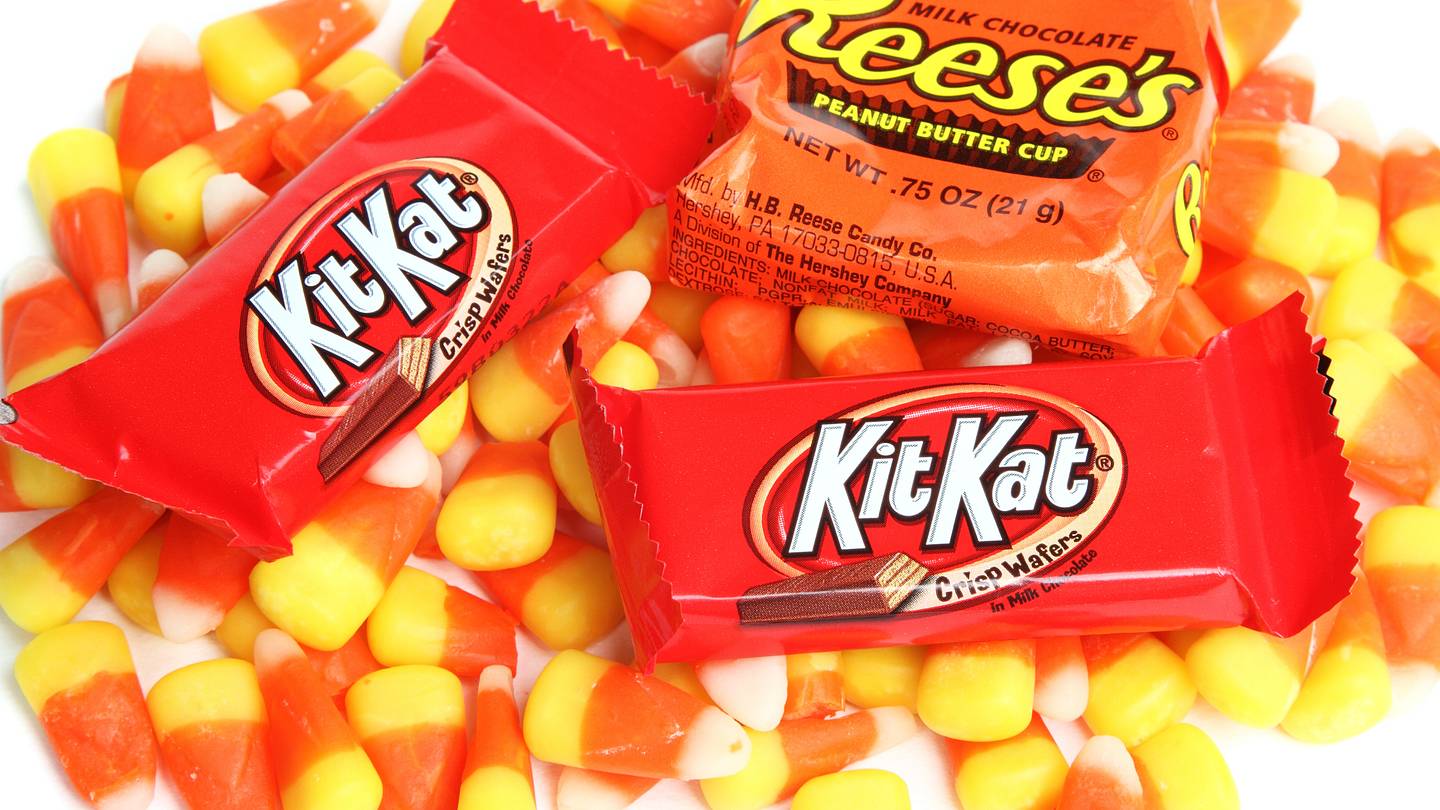
Every November, the same scene plays out in homes across America: a plastic pumpkin bucket sits on the kitchen counter, looking innocent, while secretly planning to become breakfast, lunch, and emotional support dinner. Halloween is fun. Leftover Halloween candy, however, can become a tiny wrapped army of temptation. That is where the Cash for Candy idea steps in with a surprisingly sweet solution: send your unopened candy away, support U.S. troops, and, in some campaigns, get paid for doing it.
The best-known version of this effort has been HealthyWage’s Cash for Candy program, which has offered participants cash for unwanted, unopened Halloween candy and routed donations to Friends Of The Troops, a nonprofit that supports service members, veterans, and military families. In the 2024 campaign, the offer was simple and catchy: $10 per pound of candy, up to 10 pounds, or $100 per person. In other words, your post-Halloween sugar mountain could become pocket money and a morale boost for someone serving far from home.
But this story is bigger than one candy buyback. Across the United States, organizations such as Soldiers’ Angels Treats for Troops and Operation Shoebox have also helped turn excess candy into care-package joy. The concept is practical, generous, and parent-approved: keep a few favorite treats, donate the rest, and reclaim your pantry before the peanut butter cups start whispering your name at midnight.
What Is Cash for Candy?
Cash for Candy is a seasonal candy donation campaign built around a clever exchange: households send in unwanted Halloween candy, and the program pays eligible participants based on the weight of the candy. The donated candy is then used to support military-related charitable efforts. The most widely reported campaign has been run by HealthyWage, a company known for wellness challenges and cash-based health incentives.
In HealthyWage’s 2024 campaign, participants mailed unopened, unexpired candy to Friends Of The Troops. The payout was $10 per pound, capped at 10 pounds per person. The campaign also had a collective payout cap, meaning payments were handled on a first-come, first-served basis until the national budget for the promotion was reached. Participants were responsible for shipping costs, so the program made the most sense for people with enough candy to justify postage.
Why Would Anyone Pay for Candy?
At first glance, paying people to part with candy sounds like something invented by a dentist with a superhero cape. But there is a serious idea behind it. Halloween often leads to a huge surplus of candy in American homes. Families buy extra “just in case,” kids collect more than they can reasonably eat, and office break rooms become unofficial chocolate storage facilities. Cash for Candy creates a small financial nudge that helps people remove excess sweets from the house while supporting a good cause.
It also teaches kids a surprisingly useful lesson: treats are fun, but generosity can be fun too. A child who trades a few pounds of candy for cash or a family reward learns that giving does not have to feel like losing. That is a pretty good lesson, especially when taught with mini candy bars instead of a long lecture at the kitchen table.
How the Program Works
The basic process is easy, although details may change from year to year. Participants usually need to collect eligible candy, complete the official form, include it with the shipment, and mail the package to the designated nonprofit partner. In the 2024 HealthyWage campaign, candy was shipped to Friends Of The Troops in Tennessee, and participants could choose payment by PayPal or check after the candy was received and processed.
Step 1: Sort the Candy
Start by separating candy into three piles: keep, donate, and discard. Keep the family favorites. Donate unopened, individually wrapped candy that is still fresh and safe. Discard anything opened, damaged, expired, homemade, melted beyond recognition, or suspiciously sticky in a way that suggests it has lived a full and complicated life.
Step 2: Check the Current Rules
Before shipping anything, confirm the current campaign deadline, address, payout amount, and eligibility requirements. Seasonal campaigns can change, pause, or reach capacity quickly. Some organizations accept only small personal donations, while others work through registered collection sites. A quick rule check prevents your good deed from becoming a confused box of candy wandering through the mail system.
Step 3: Pack It Carefully
Use a sturdy box, seal candy in bags if needed, and avoid including items that could leak, crush, melt, or create a chocolate crime scene. If shipping to a nonprofit, include any required form. If shipping directly to a military-related organization, follow its instructions carefully, especially if the package may be handled through military mail channels.
Step 4: Ship and Track
Because participants often pay for shipping, it is smart to compare shipping options and keep a tracking number. If the payout is weight-based, weigh the package before sending it and remember that the shipping cost may reduce your net “profit.” The real win is the donation; the cash is a cheerful bonus, like finding one last Twix in a coat pocket.
Why Send Halloween Candy to Troops?
Candy may seem small, but care packages are often about more than the item itself. A familiar snack can remind a service member of home, family traditions, neighborhood trick-or-treating, and normal everyday life. For deployed troops, veterans, and military families, that little reminder can carry emotional weight.
Organizations that support troops often include candy in broader care packages along with letters, hygiene items, snacks, and comfort goods. It is not just about sugar. It is about connection. A fun-size candy bar says, “Someone thought of you.” That message matters, especially when someone is serving far away from home or spending a holiday season outside the usual family routine.
Other Ways to Donate Leftover Halloween Candy
If Cash for Candy is not active, not available, or not practical for your household, there are still several ways to turn leftover Halloween candy into a good deed.
Soldiers’ Angels Treats for Troops
Soldiers’ Angels runs Treats for Troops, a Halloween candy collection program that allows businesses, schools, dental offices, churches, gyms, and community organizations to register as collection sites. Families can use the organization’s candy map to find nearby drop-off locations when available. Collection sites then send or deliver candy to approved military installations, VA hospitals, Guard units, Reserve units, or other designated recipients.
Operation Shoebox
Operation Shoebox has also accepted candy donations for care packages sent to U.S. service members. The organization recommends sorting candy by type when possible, which helps with packing and shipping requirements. This is a useful option for families, schools, offices, or community groups that want to support troops beyond Halloween.
Local Dentists and Community Candy Buybacks
Many dental offices run local candy buyback events after Halloween. Some offer cash, coupons, toothbrushes, small toys, or donation credits. These events are often designed to reduce sugar overload while giving children a positive reason to share part of their candy haul. For parents, it can feel like a tiny miracle: fewer sticky caramels in the house and no need to negotiate with a seven-year-old like a courtroom attorney.
Is Donating Candy Better Than Keeping It?
Keeping some candy is perfectly reasonable. Halloween without candy would be like a haunted house with excellent lighting and a polite welcome desk. The goal is not to shame treats or turn every chocolate bar into a moral dilemma. The goal is balance.
The American Dental Association recommends enjoying candy with meals, limiting constant snacking, avoiding sticky and sour candies when possible, and not keeping a huge candy stash around the house. That advice makes sense because frequent sugar exposure gives cavity-causing bacteria more opportunities to produce acid. Sticky candies can cling to teeth longer, while sour candies may add extra acidity to the problem.
Donating excess candy helps families set a boundary without making candy feel forbidden. Kids can choose their favorites, enjoy them responsibly, and still participate in something generous. That is much healthier than pretending the candy does not exist while secretly eating mini chocolate bars behind the pantry door. Not that anyone has ever done that. Certainly not.
How Much Halloween Candy Are We Talking About?
Halloween is a major shopping season in the United States. The National Retail Federation has reported record-level Halloween spending in recent years, with candy consistently ranking as one of the most popular purchases. That means millions of households buy bags of sweets for trick-or-treaters, parties, school events, office bowls, and “emergency backup candy,” which somehow becomes “personal backup candy” by November 2.
When even a small portion of that excess gets redirected, the impact adds up quickly. A few pounds from one family may not seem like much, but hundreds of families, dental offices, schools, and businesses can create thousands of pounds of donations. That is the power of a simple seasonal habit repeated across many communities.
Smart Tips Before Mailing Candy
Before you ship leftover Halloween candy, remember that not every treat travels well. Chocolate can melt in warm climates. Loose candy may not be accepted. Homemade treats are usually not appropriate for donation. Full-size items, open packages, expired candy, or anything that looks damaged should be left out.
USPS provides military mailing guidance for APO, FPO, and DPO addresses, and organizations that ship care packages often have their own rules. If a nonprofit provides instructions, follow those first. They know what their packing teams can accept, what recipients can use, and what shipping rules apply.
A Practical Candy Donation Checklist
- Donate only unopened, individually wrapped candy.
- Check expiration dates before packing.
- Avoid homemade, loose, or damaged treats.
- Separate chocolate, gummies, hard candy, and other types if requested.
- Include required forms for payout or donation tracking.
- Confirm the current deadline and shipping address.
- Keep your tracking number and shipping receipt.
Why Parents Like the Cash for Candy Idea
Parents are often stuck between two Halloween extremes. On one side, kids want to keep every single piece of candy, including the mystery taffy that may have been manufactured during the early days of dial-up internet. On the other side, parents want to avoid weeks of sugar negotiations. Cash for Candy creates a third option: keep some, give some, and celebrate the choice.
This approach works especially well when children are involved in the sorting process. Let them pick a reasonable number of favorites, then weigh the donation pile. If payment is involved, families can decide together what to do with the money. Maybe it goes into savings. Maybe it buys a book, a toy, or a family outing. Maybe it becomes a small donation to another cause. The point is that kids see generosity in action.
What Businesses and Schools Can Learn From It
Cash for Candy-style programs are not just for families. Schools, dental offices, libraries, gyms, scout groups, youth organizations, and workplaces can use leftover candy drives to build community engagement. A local business can register as a collection site through an eligible organization, promote the event, and invite families to drop off candy after Halloween.
For dental offices, the connection is obvious: less sticky candy, healthier habits, happier teeth. For schools, it can become a lesson in service and civic responsibility. For companies, it is a simple employee engagement activity that does not require a gala, a silent auction, or someone named Brad trying to organize a team-building trust fall.
Common Mistakes to Avoid
The biggest mistake is assuming every program is active every year. Some candy donation programs pause, change partners, reach capacity, or update rules. Always verify current details before collecting or shipping candy.
Another mistake is ignoring shipping costs. If you are participating in a paid candy buyback, postage matters. Sending one pound of candy across the country may cost more than the payout. Larger donations may make more sense, but only if they stay within the program limit. Think of it as cheerful math with a side of Skittles.
A third mistake is donating candy that cannot be used. Opened candy, expired candy, melted chocolate, or unwrapped treats create extra work for volunteers and may be discarded. A good donation is clean, safe, sorted when requested, and packed with care.
Experiences and Real-Life Lessons From Cash for Candy
One of the most relatable experiences around Cash for Candy happens the morning after Halloween. Parents walk into the kitchen and see the evidence: candy wrappers on the table, costumes on chairs, and a child proudly guarding a pile of sweets like a tiny dragon sitting on treasure. At first, the idea of donating candy may sound impossible. But when families turn it into a choice instead of a punishment, kids often respond better than expected.
A practical approach is to make the sorting process feel like a game. Put three bowls on the table: “favorites,” “maybe,” and “share.” Children get control over the favorites bowl, which reduces resistance. Once they realize they are not losing everything, they become more open to sharing the rest. Some families weigh the donation pile together and calculate the potential payout. Suddenly, math homework has entered the room wearing a cape and smelling like chocolate.
Another common experience comes from dental offices that host candy buyback events. The atmosphere is usually light and cheerful. Kids walk in with bags of candy and walk out with toothbrushes, small prizes, or cash. Parents get a break from the endless candy negotiations, and dental teams get an easy way to talk about oral health without sounding like the villains of Halloween. It is prevention wrapped in community fun.
Schools and youth groups can also turn candy donation into a service project. Students can decorate collection boxes, write thank-you cards for troops, and learn how small donations combine into a larger impact. A single student may bring one sandwich bag of candy. A whole classroom may collect several pounds. A whole school can create a shipment that feels meaningful. The lesson is simple but powerful: generosity does not always require money. Sometimes it starts with giving away candy you did not need anyway.
For adults, the experience is often about relief. Halloween candy has a way of lingering. It shows up in lunchboxes, desk drawers, glove compartments, and that one kitchen cabinet everyone pretends not to check. Donating leftovers creates a clean ending to the holiday. You enjoyed Halloween, saved your favorites, and sent the surplus somewhere useful. That feels much better than discovering a fossilized caramel in February.
There is also an emotional side to the process. Many military care-package organizations emphasize that small comforts from home matter. Candy may not be essential in the practical sense, but comfort is not always practical. A piece of Halloween candy can remind a deployed service member of trick-or-treat nights, family traditions, neighborhood laughter, or the simple pleasure of receiving something familiar from home. For veterans in hospitals or military families facing challenges, those small reminders can brighten an ordinary day.
The best experience comes when families talk about the “why” behind the donation. Instead of saying, “We need to get this candy out of the house,” try saying, “Let’s keep what we love and share what we can.” That small change in language makes the act feel generous rather than restrictive. It also helps children build a healthier relationship with treats: candy is enjoyable, but it does not have to control the house for the next six weeks.
Cash for Candy works because it solves several problems at once. It reduces excess sweets at home, supports troops and military communities, gives kids a reason to practice generosity, and sometimes puts a little money back into the family budget. That is a rare post-Halloween trick that actually feels like a treat.
Conclusion: A Sweet Way to Do Something Good
Cash for Candy proves that leftover Halloween candy does not have to become a pantry problem. With the right program, unopened candy can become cash, a teaching moment, and a morale-boosting gift for troops, veterans, and military families. Whether you use a paid buyback, a local dental office event, Soldiers’ Angels, Operation Shoebox, or another verified nonprofit, the idea is the same: keep the candy you love, share the candy you do not need, and turn a sugar surplus into a small act of kindness.
Halloween may be famous for spooky stories, but this one has a pretty happy ending. The candy leaves your house. Someone else smiles. Your teeth breathe a tiny sigh of relief. And your kitchen counter finally stops looking like a convenience store exploded.