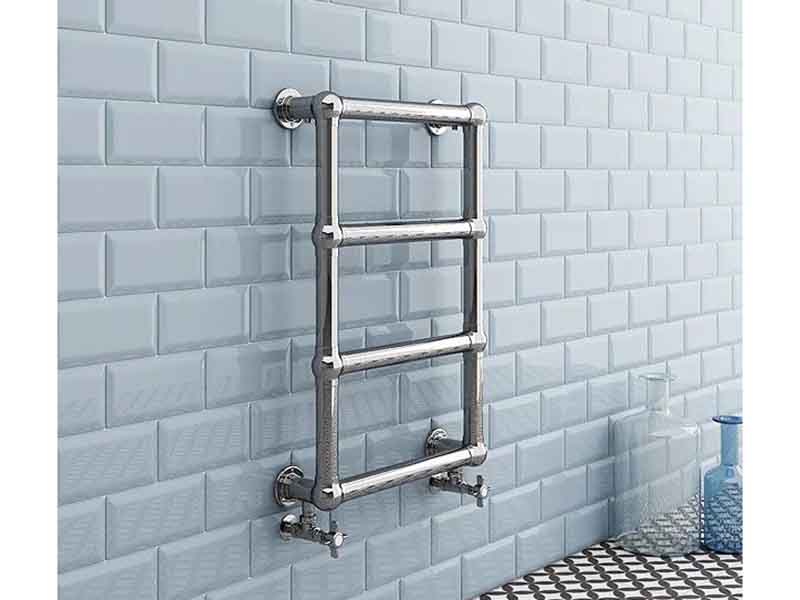
A chrome heated towel rail is one of those bathroom upgrades that sounds slightly indulgent until you use it once. Then suddenly, regular towels feel like they have been personally trained by a refrigerator. Warm, dry towels after a shower? Yes, please. A cleaner-looking bathroom? Even better. A practical way to help damp towels dry faster? Now we are talking like responsible adults with excellent taste.
At its simplest, a chrome heated towel rail is a wall-mounted or freestanding towel rack that uses gentle heat to warm and dry towels. It can be electric, hydronic, or sometimes dual-fuel. The chrome finish gives it a bright, reflective look that pairs beautifully with faucets, shower fixtures, glass, tile, marble, and modern bathroom lighting. In other words, it does not just sit there holding towels. It quietly upgrades the room while doing a job that regular towel bars can only dream about.
This guide explains how chrome heated towel rails work, what to look for before buying one, where they make the most sense, and how to use them safely and efficiently. Whether you are remodeling a bathroom, improving a guest suite, or simply tired of towels that smell like they lost a fight with humidity, this article will help you choose wisely.
What Is a Chrome Heated Towel Rail?
A chrome heated towel rail is a towel rack designed with internal heating elements or hot-water circulation. The rails warm up, transferring heat to the towels placed over them. Unlike a standard towel bar, it helps towels feel warmer and dry faster after use. The “chrome” part refers to the polished metallic finish, which is typically sleek, reflective, and easy to coordinate with common bathroom hardware.
Some people call it a heated towel rail, towel warmer, heated towel rack, or towel radiator. The names vary, but the basic idea is the same: a warm surface for towels, bathrobes, and sometimes delicate laundry items. It is not a clothes dryer replacement, and it will not turn a soaking-wet bath sheet into a desert in five minutes. But for everyday towel comfort and moisture management, it can be surprisingly useful.
Why Chrome Remains a Bathroom Favorite
Chrome has been popular in bathrooms for decades because it works almost anywhere. It reflects light, makes small bathrooms feel brighter, and blends well with white tile, gray stone, black accents, brushed nickel details, and even bold wall colors. A chrome heated towel rail can look clean and modern without shouting for attention.
Chrome is also practical. It is generally easy to wipe clean with a soft cloth, and its glossy surface gives bathrooms that crisp, hotel-inspired appearance. Fingerprints and water spots may show more than on matte finishes, but regular cleaning keeps chrome looking sharp. Avoid abrasive powders, harsh pads, and aggressive metal polishes because they can dull or scratch the finish. Think gentle care, not medieval armor restoration.
How a Heated Towel Rail Works
Electric Heated Towel Rails
Electric chrome heated towel rails are among the most common choices for residential bathrooms. They use a low-wattage heating element inside the rails. Some models are filled with a heat-transfer fluid, while others use dry elements. Electric versions may be plug-in or hardwired.
A plug-in towel rail connects to a standard outlet and is usually easier to install. A hardwired towel rail connects directly to the home’s electrical system, creating a cleaner look with no visible cord. Hardwired models are often preferred during remodels or new construction because wiring can be planned behind the wall.
Hydronic Heated Towel Rails
Hydronic towel rails connect to a hot-water heating system. They work more like compact radiators, circulating hot water through the rails. These can be excellent in homes that already use hydronic heating, especially in colder climates. However, installation is more involved and usually requires a professional plumber or heating specialist.
Dual-Fuel Options
Some towel rails offer dual-fuel flexibility, combining hydronic heat with an electric element. This allows the rail to work with the central heating system during cooler months and operate electrically when the main heating system is off. For homeowners who want year-round warm towels, dual-fuel can be a strong option.
Benefits of a Chrome Heated Towel Rail
Warm Towels Feel Luxurious
The obvious benefit is comfort. A warm towel after a bath or shower feels cozy, calming, and slightly unfair to everyone who does not have one. It turns an ordinary morning routine into a small spa moment, even if the rest of the morning includes spilled coffee and a missing sock.
Faster Drying Helps Reduce Musty Odors
Damp towels dry slowly in humid bathrooms, especially when they are bunched on hooks or folded over thick bars. A heated towel rail helps towels dry more evenly by improving airflow and adding gentle warmth. Faster drying can help reduce that unpleasant musty smell that appears when towels stay damp too long.
It Saves Space
Wall-mounted heated towel rails are helpful in bathrooms where floor space is limited. Instead of adding a bulky cabinet or freestanding rack, a rail uses vertical wall space. Slim ladder-style models are especially popular for small bathrooms, powder rooms with showers, apartments, and guest baths.
It Adds Visual Polish
A chrome towel warmer can make a bathroom look more finished. It is functional hardware, but it also behaves like a design feature. In a room full of tile, mirrors, and fixtures, the reflective chrome surface can tie the whole space together.
Choosing the Right Chrome Heated Towel Rail
Measure the Wall First
Before falling in love with a model online, measure the available wall area. Check the width, height, and depth. Leave enough clearance around the rail so towels can hang freely and air can circulate. If the bathroom door swings near the installation area, measure that too. A beautiful towel warmer is less charming when the door introduces itself with a loud clang.
Consider Towel Capacity
A compact four-bar model may work for a small bathroom or one person. A larger eight-, ten-, or twelve-bar rail is better for families, guest bathrooms, or people who enjoy oversized bath sheets. More bars usually mean better spacing and more contact area, which helps towels warm and dry more effectively.
Think About Plug-In vs. Hardwired
Choose a plug-in chrome heated towel rail if you want simpler installation and already have a properly placed bathroom outlet. Choose a hardwired version if you want a cleaner, built-in appearance and are renovating or comfortable hiring an electrician. Hardwired models are often paired with wall switches, timers, or programmable controls for convenience.
Look for Timers and Controls
A timer is one of the most useful features. It lets the rail warm towels before your shower and shut off automatically later. Some models include built-in timers, while others can be connected to external timer switches. Smart controls may also be available, depending on the product. The goal is simple: warm towels when you need them, not 24 hours a day because someone forgot to flip a switch.
Review Safety Listings and Bathroom Suitability
Bathrooms combine electricity, moisture, and bare feet, which is why safety matters. Look for products designed for bathroom use and check the manufacturer’s installation instructions. Electric towel warmers should be installed according to national and local electrical codes. In wet areas, GFCI protection is important, and hardwired installations should be handled by qualified professionals.
Installation Tips for a Better Result
Installation depends on the model. A plug-in freestanding rail may only require assembly and access to a suitable outlet. A wall-mounted plug-in unit needs proper mounting hardware and careful placement. A hardwired model requires electrical work behind the wall.
For wall-mounted rails, studs or appropriate wall anchors are essential. Towels can be heavy when wet, and the rail itself has weight. Mounting into weak drywall without proper support is a shortcut to regret. The rail should sit securely, remain level, and provide enough space behind the bars for towel airflow.
Placement is also important. Many homeowners install a heated towel rail near the shower or tub, but it should not be located where it will be sprayed directly unless the model is specifically rated and installed for that zone. Always follow the product manual. The best position is convenient, safe, and dry enough for long-term performance.
Energy Use: Is a Heated Towel Rail Expensive to Run?
Most electric towel warmers are designed to use modest amounts of power compared with larger heating appliances. Exact energy use depends on the wattage of the model and how long it runs. A small rail may use relatively little electricity, while a large rail with more bars will naturally use more.
The smartest way to manage energy use is with a timer. Running a chrome heated towel rail for a planned window before and after showers is more efficient than leaving it on continuously. In a busy family bathroom, a morning and evening schedule may make sense. In a guest bathroom, occasional use may be enough.
Also remember that a towel rail is not usually intended to heat an entire bathroom. Some larger hydronic or radiator-style units can contribute noticeable warmth, but most electric towel warmers are primarily for towels. Expect cozy textiles, not tropical rainforest climate control.
Maintenance and Cleaning
Chrome heated towel rails are generally low-maintenance, but they still appreciate a little attention. Let the rail cool before cleaning. Wipe it with a damp soft cloth, then dry it with a clean microfiber cloth to prevent water spots. For stubborn marks, use mild soap diluted in water. Avoid abrasive cleaners, scouring pads, bleach-heavy products, or anything that feels like it belongs in a garage rather than a bathroom.
Check mounting brackets occasionally to make sure the rail remains secure. If you have a plug-in model, inspect the cord and plug for wear. If you notice unusual heat, flickering controls, buzzing, damaged wiring, or inconsistent performance, stop using the unit and contact a qualified professional or the manufacturer.
Best Bathroom Styles for Chrome Heated Towel Rails
Modern Bathrooms
Chrome looks especially good in modern bathrooms with frameless glass showers, floating vanities, large-format tile, and simple lines. A ladder-style heated rail adds function without visual clutter.
Classic Bathrooms
In traditional bathrooms, chrome pairs well with subway tile, marble counters, pedestal sinks, and polished fixtures. A curved or rounded rail design can soften the look and feel less industrial.
Small Bathrooms
Small bathrooms benefit from vertical storage. A slim chrome heated towel rail can replace a standard towel bar while adding warmth and drying power. Install it where towels will not block cabinets, doors, switches, or vents.
Guest Bathrooms
A heated towel rail in a guest bathroom sends a clear message: “Welcome, you are being treated nicely.” It is a small feature that guests notice immediately, especially during cooler months.
Common Mistakes to Avoid
One common mistake is buying a rail that is too small. If you use large bath sheets, a tiny four-bar rail may warm only part of the towel. Another mistake is placing towels too thickly over the bars. Heat works better when fabric has space and airflow.
Do not assume every heated towel rail is safe for every bathroom location. Installation zones, outlet placement, GFCI protection, and product ratings matter. Also, do not use a heated towel rail as a general-purpose drying rack for heavy dripping items unless the manufacturer allows it. Wet towels are normal; soaked boots, dripping swimsuits, and mystery laundry piles are a different conversation.
Chrome Heated Towel Rail Buying Checklist
- Measure available wall space before shopping.
- Choose plug-in for simpler setup or hardwired for a cleaner built-in look.
- Select enough bars for your towel size and household needs.
- Look for timer controls to reduce unnecessary energy use.
- Check bathroom suitability, safety listings, and installation instructions.
- Match the chrome finish with faucets, shower trim, and cabinet hardware.
- Use a soft cloth and mild cleaner to protect the finish.
Real-Life Experiences With a Chrome Heated Towel Rail
The first thing most people notice after installing a chrome heated towel rail is not the heat itself; it is the habit change. You start placing the towel properly instead of tossing it onto a hook like a defeated flag. The rail encourages better bathroom behavior. Suddenly, towels are spread out, drying more evenly, and the room looks tidier without anyone delivering a lecture called “Please Stop Creating Damp Fabric Mountains.”
In a small bathroom, the difference can feel surprisingly big. A standard towel bar often holds one towel well and two towels badly. A ladder-style heated rail gives more vertical space, so towels have room to breathe. After a morning shower, the towel does not stay cold and wet until lunchtime. It begins drying sooner, and the bathroom feels less like a cave where humidity has signed a long-term lease.
During winter, the experience becomes even better. Stepping out of a hot shower into chilly air is one of life’s tiny betrayals. A warm towel softens the landing. It does not turn the bathroom into a sauna, but it gives that quick comfort boost that makes the daily routine feel more thoughtful. For people who shower early before work, this small luxury can make mornings feel less rude.
Families often discover another benefit: fewer towel complaints. Kids are more likely to hang towels when the rail feels like a gadget. Guests appreciate the hotel-style touch. In a shared bathroom, a larger chrome heated towel rail can help keep towels separated and easier to identify. No one wants to play “whose damp towel is this?” before breakfast.
There are realistic limits, of course. A heated towel rail works best when towels are spread over the bars, not folded into thick layers. If a towel is soaked, it still needs time. If the bathroom has poor ventilation, the towel rail helps, but it does not replace an exhaust fan or open window. Moisture control is a team sport: ventilation, airflow, cleaning habits, and warm rails all play their roles.
Chrome also changes the visual feel of the bathroom. In bright light, it reflects tile, mirrors, and fixtures, making the room feel cleaner and more finished. The tradeoff is that water spots may appear if the bathroom has hard water. A quick wipe with a soft cloth solves most of that. The good news is that cleaning a chrome rail is easy. The bad news is that once it looks shiny, you may start noticing every other fixture that needs polishing. Home improvement is a slippery slope with excellent lighting.
For many homeowners, the best experience comes from using a timer. Set the rail to warm before a typical shower time, let it run afterward to help towels dry, and then let it shut off. This keeps the feature convenient without wasting energy. After a few weeks, the heated towel rail stops feeling like a luxury purchase and starts feeling like something the bathroom should have had all along.
Conclusion
A chrome heated towel rail is more than a shiny bathroom accessory. It combines comfort, style, organization, and practical towel drying in one clean-looking fixture. The best model depends on your bathroom size, installation plans, towel capacity, and control preferences. Plug-in options are convenient, hardwired models look seamless, and hydronic versions can be excellent in homes with compatible heating systems.
Choose a rail that fits your space, use a timer when possible, follow electrical safety requirements, and keep the chrome finish clean with gentle care. Do that, and your bathroom gains a little everyday luxury without turning into a five-star hotel renovation project. Warm towels may not solve every problem, but they do make stepping out of the shower feel like a much better idea.
Note: This article is written for general home improvement and SEO publishing purposes. Always follow the manufacturer’s instructions and consult a qualified electrician or plumber for installation in bathrooms or wet-area locations.