Your freezer is one of the hardest-working appliances in the kitchen. It quietly saves weeknight dinners, rescues bulk buys, protects leftovers, and keeps that emergency pint of ice cream ready for emotional support. But here is the chilly truth: most people use their freezer in ways that waste food, flatten flavor, raise energy costs, and turn perfectly good meals into frosty mystery bricks.
The good news? Freezer care is not complicated. You do not need a culinary degree, a spreadsheet obsession, or a label maker named “Frosty McOrganized.” You only need to break a few common freezer habits that quietly sabotage food quality and safety. When your freezer is set correctly, packed thoughtfully, cleaned regularly, and stocked with properly wrapped food, it becomes more than cold storage. It becomes a money-saving, meal-planning powerhouse.
Below are six bad freezer habits to break, plus practical freezer organization tips, food safety reminders, and real-life examples that make the whole process easier to follow.
1. Keeping Your Freezer at the Wrong Temperature
The biggest freezer mistake is also the easiest to overlook: assuming the freezer is cold enough just because things feel frozen. For safe long-term storage, a freezer should be kept at 0°F (-18°C). At this temperature, properly handled frozen food remains safe because bacterial growth is stopped or greatly slowed. However, “safe” does not mean “delicious forever.” Quality still declines over time, especially if food is poorly wrapped or repeatedly exposed to warmer air.
Many people rely on the appliance dial, but freezer settings are not always precise. A dial labeled “cold,” “colder,” and “coldest” is not exactly a scientific instrument. It is more like your freezer saying, “Trust me, bro.” A simple appliance thermometer can tell you what is really happening inside.
Why this habit matters
If your freezer runs warmer than 0°F, food quality drops faster, ice cream becomes weirdly soft, and thawed edges can refreeze into icy crystals. If it runs much colder than needed, you may use more energy without getting meaningful benefits for everyday food storage.
How to fix it
Place a freezer thermometer near the center of the freezer, check it after the door has stayed closed for several hours, and adjust the temperature as needed. Avoid leaving the door open while deciding what to cook. The freezer is not a streaming platform; browsing too long has consequences.
2. Overstuffing the Freezer Until Air Cannot Move
A reasonably full freezer works efficiently because frozen food helps hold the cold. But there is a big difference between “nicely stocked” and “archaeological dig site.” When every inch is crammed with bags, boxes, containers, and one lonely waffle from 2022, cold air cannot circulate properly. Blocked airflow can create uneven temperatures, slow freezing, frost buildup, and extra stress on the compressor.
Overpacking also causes practical problems. You forget what you own, buy duplicates, lose leftovers, and eventually discover a frozen soup container that looks like it belongs in a museum exhibit titled “Things We Once Had Hope For.”
Signs your freezer is too full
- The door does not close easily.
- You have to remove five items to reach one item.
- Air vents are blocked by food packages.
- Items near the front are frosty while items in the back are rock-hard.
- You regularly find unlabeled bags and whisper, “What even is this?”
How to fix it
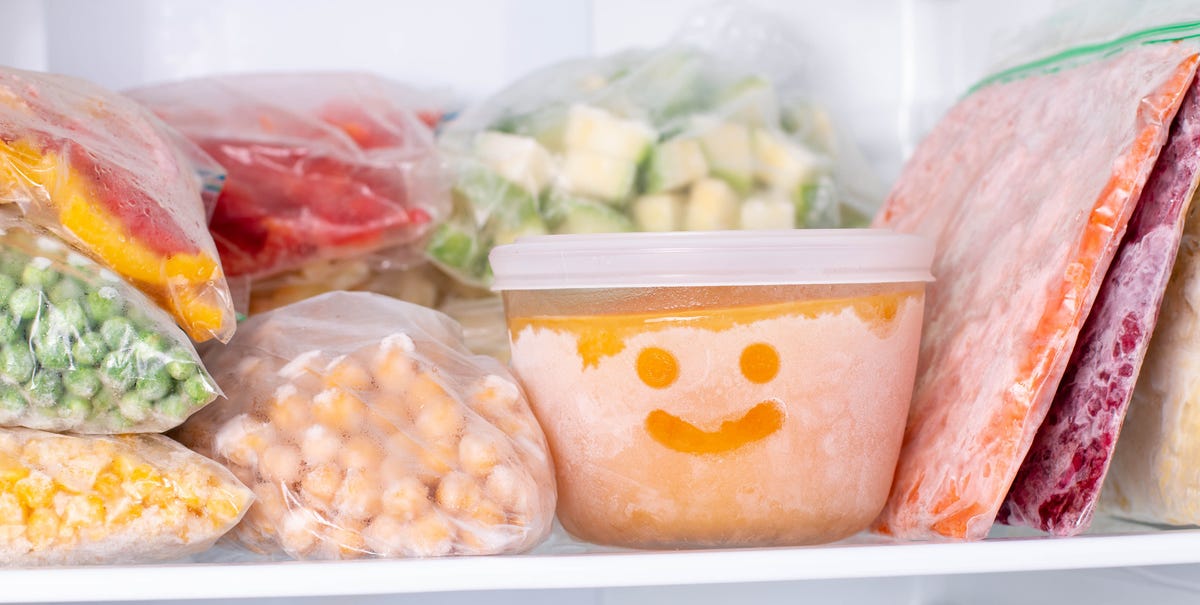
Leave space around air vents and avoid stacking packages so tightly that cold air cannot move. Use bins to group similar foods: meats, vegetables, fruits, breads, sauces, and ready-to-reheat meals. Keep frequently used items near the front and longer-term storage toward the back. A freezer should be organized enough that you can find dinner before your fingers go numb.
3. Freezing Food in Weak, Loose, or Airy Packaging
Freezer burn is not usually dangerous, but it is a flavor thief. It happens when moisture leaves the surface of frozen food and air reaches it, causing dry patches, ice crystals, discoloration, and unpleasant texture. Meat may turn grayish or leathery. Bread can taste stale. Vegetables can become icy and limp. The food may still be safe, but dinner will not exactly receive a standing ovation.
One bad habit is tossing food into the freezer in thin store packaging or loosely closed bags. Original packaging is often fine for short-term freezing, but it may not protect food well for months. Air is the enemy. The more air inside the package, the more likely freezer burn becomes.
Better freezer packaging options
- Freezer-safe zip-top bags with excess air pressed out
- Vacuum-sealed bags for meats, fish, and bulk purchases
- Freezer-safe airtight containers
- Heavy-duty aluminum foil or freezer paper for overwrapping
- Small containers that closely match the food volume
How to fix it
Wrap food tightly, remove as much air as possible, and choose freezer-safe materials. For soups, stews, and sauces, leave a little headspace because liquids expand as they freeze. For meat, divide bulk packages into meal-sized portions before freezing. You will thank yourself later when you do not have to thaw a family reunion’s worth of chicken for one Tuesday dinner.
4. Forgetting to Label and Date Everything
Unlabeled freezer food has a special talent: it becomes anonymous almost instantly. Chili looks like pasta sauce. Smoothie fruit looks like soup. Cooked chicken hides in a bag pretending to be pork. Without labels, your freezer becomes a guessing game with cold hands.
Labeling is not just about neatness. It helps you use food while quality is still high and prevents waste. Frozen food stored continuously at 0°F can remain safe for a very long time, but taste, moisture, and texture decline. Leftovers, cooked meats, breads, and prepared meals are best used within practical time frames for quality.
What to write on freezer labels
- Name of the food
- Date frozen
- Portion size or number of servings
- Cooking or reheating notes, if helpful
How to fix it
Keep freezer tape and a permanent marker in a nearby drawer. Label before freezing, not “later,” because later is where good intentions go to become freezer-burned. Use the FIFO method, which means “first in, first out.” Put newer items behind older ones so you naturally use the oldest food first.
5. Putting Hot Food Directly Into the Freezer
Freezing leftovers is smart, but putting a steaming pot of soup straight into the freezer is not. Hot food can raise the temperature around nearby frozen items, encourage condensation, increase ice crystals, and make the freezer work harder. Large containers also freeze slowly, which affects texture and can keep food in a less-than-ideal temperature zone for too long.
The goal is to cool food quickly and safely before freezing. That does not mean leaving a giant casserole on the counter all evening while everyone forgets about it. Perishable leftovers should be refrigerated or frozen within safe time limits, generally within two hours. The trick is to divide food into shallow containers so it cools faster.
Best way to freeze leftovers
- Divide large batches into shallow, meal-sized containers.
- Cool food briefly, then refrigerate if it is still warm.
- Freeze once the food is chilled.
- Leave space in containers for expansion.
- Label with the food name and date.
How to fix it
Instead of freezing one giant container of stew, portion it into two-cup or four-cup containers. Smaller portions freeze faster, thaw faster, and make future meals easier. Your future self will feel like someone lovingly stocked the kitchen. Plot twist: it was you.
6. Ignoring Freezer Maintenance
A freezer does not ask for much, but it does need basic care. Dirty door seals, heavy frost buildup, dusty coils, and a door that does not close tightly can all make the appliance less efficient. When cold air leaks out, the freezer must work harder to maintain temperature. That can mean higher energy use and inconsistent food quality.
Check the door gasket regularly. If crumbs, sticky spills, or hardened residue keep the seal from closing tightly, clean it with mild dish soap and warm water, then dry it well. If the gasket is cracked, loose, or warped, it may need replacement.
Simple freezer maintenance checklist
- Wipe door seals and handles regularly.
- Check that the door closes fully every time.
- Clean up spills before they freeze into tiny kitchen glaciers.
- Defrost manual-defrost freezers when frost becomes thick.
- Vacuum dust from accessible coils according to the appliance manual.
- Keep the freezer in a location recommended by the manufacturer.
How to fix it
Set a monthly reminder to inspect the freezer. You do not need to deep-clean it constantly, but a quick check can prevent bigger problems. Make sure packages are not preventing the door from sealing. If you hear the freezer running more than usual, see frost forming around the door, or notice soft food, investigate quickly.
Extra Freezer Habits Worth Breaking
The six habits above are the major troublemakers, but a few smaller mistakes deserve attention too. One is refreezing food repeatedly. Food thawed safely in the refrigerator can often be refrozen, but quality usually suffers. Repeated freeze-thaw cycles damage texture, especially in meat, seafood, fruit, and baked goods.
Another habit is storing food in the freezer door that really belongs in the colder interior. Door shelves experience more temperature fluctuation because they are exposed to warm air every time the door opens. Use that space for items less sensitive to quality changes, such as nuts, bread, or butter, rather than delicate seafood or expensive cuts of meat.
Finally, stop treating the freezer like a time machine. Freezing slows quality loss, but it does not improve food that was already old, dry, or suspicious. If leftovers were sad before freezing, they will not emerge as a gourmet revelation. The freezer preserves; it does not perform miracles.
Freezer Storage Tips for Better Food Quality
For best results, freeze food at peak freshness. Fresh berries, properly wrapped meats, baked goods, soups, sauces, cooked grains, and chopped vegetables can all freeze beautifully when handled well. Blanching some vegetables before freezing can help preserve color, texture, and flavor. For baked goods, freeze slices individually before transferring them to a bag so you can grab one at a time.
Flat-freezing is one of the smartest tricks. Pour soups, sauces, ground meat, or cooked beans into freezer bags, press out the air, seal tightly, and freeze flat on a tray. Once solid, the bags can stand upright like books. This saves space and speeds thawing.
Another useful habit is making a freezer inventory. It does not have to be fancy. A note on your phone is enough. List what you have, how many portions, and when it was frozen. Check the list before grocery shopping so you do not buy more frozen spinach while three bags are already hiding behind the ice packs.
Real-Life Experiences: What Freezer Mistakes Teach You
Most people learn freezer lessons the hard way. It usually starts with good intentions. You cook a big batch of soup, feel very responsible, pour it into a container, and slide it into the freezer. Three months later, you discover that the container has no label, the lid is frosty, and the contents could be tomato soup, chili, curry, or something that once had ambition. At that moment, you realize labeling is not a personality flaw. It is survival.
One common experience is buying meat in bulk to save money, then freezing the entire family pack in one solid block. It seems efficient until you need only two chicken breasts and the package has become a poultry iceberg. The better approach is to portion meat before freezing. Separate pieces with parchment, wrap them tightly, and label the bag. This small step can turn a frustrating weeknight into an easy dinner.
Another familiar freezer story involves the open bag of frozen vegetables. You use half, fold the top over, and toss it back in. Weeks later, the peas are covered in ice crystals and taste like cold cardboard confetti. A bag clip is better than nothing, but transferring opened vegetables to a freezer-safe bag or airtight container helps protect flavor and texture.
Freezer burn is another teacher, though not a gentle one. Many home cooks have pulled out an expensive steak only to find dry gray patches around the edges. The lesson is clear: air exposure matters. Pressing air out of bags, using freezer wrap, and avoiding long storage in flimsy packaging can make a noticeable difference. The freezer is cold, but it is not kind to poorly wrapped food.
Overstuffing is also a lesson people learn after losing food. A packed freezer feels comforting because it suggests abundance. But if it is so crowded that you cannot see what you own, it becomes a food-waste machine. The forgotten items in the back are not savings; they are delayed trash. Grouping items in bins can change everything. One bin for breakfast, one for vegetables, one for proteins, and one for ready-made meals can make the freezer easier to use.
Then there is the freezer door problem. Many people open the freezer, stare blankly, rearrange three boxes, close it, reopen it, and repeat the process while deciding between pizza and leftovers. Every open-door session lets warm air in and makes the appliance work harder. Planning before opening helps. Decide what you are looking for, grab it quickly, and close the door. Your freezer will appreciate the emotional boundaries.
Power outages create another memorable freezer lesson. The best habit is to keep the door closed as much as possible. A full freezer can hold cold longer than a nearly empty one, especially if it is not opened repeatedly. If food still has ice crystals or remains at a safe cold temperature, it may be refrozen. If it has become warm, smells strange, or has questionable texture, do not taste it to “check.” Food safety is not a dare.
The biggest experience-based takeaway is this: a freezer works best when it is treated as active food storage, not a frozen junk drawer. Labeling, portioning, rotating, wrapping, and checking temperature may sound small, but they add up. You waste less food, cook faster, save money, and avoid the unpleasant surprise of discovering a mystery container that looks like it has been through a tiny snowstorm.
Conclusion: Treat Your Freezer Like a Kitchen Tool, Not a Cold Closet
Breaking bad freezer habits does not require perfection. You do not need matching containers, color-coded labels, or a freezer inventory worthy of a NASA launch. Start with the basics: keep the temperature at 0°F, avoid overpacking, wrap food tightly, label everything, cool leftovers properly, and maintain the appliance.
These habits protect food quality, reduce waste, support food safety, and make cooking easier. A well-managed freezer can help you stretch groceries, rescue leftovers, prepare faster meals, and avoid the dreaded “what is this frozen lump?” dinner dilemma. In other words, your freezer can be one of the most useful tools in your kitchenas long as you stop treating it like a frosty storage cave.
Note: This article is based on established food safety, freezer storage, appliance maintenance, and energy-efficiency guidance from reputable U.S. food safety agencies, university extensions, and appliance-care resources.