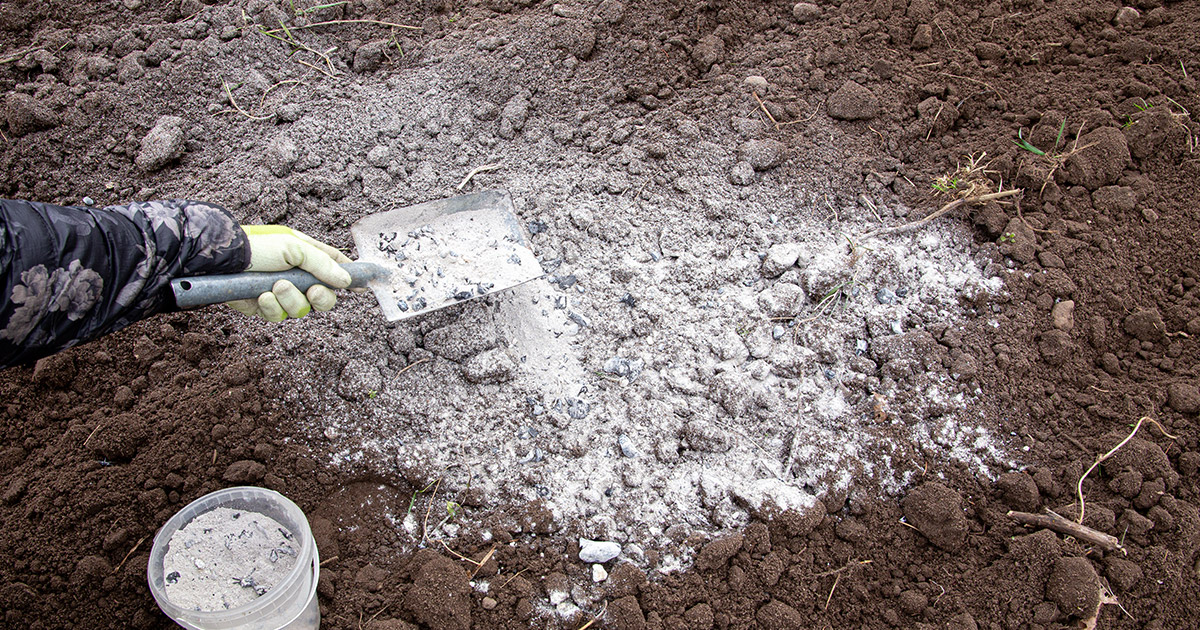
Wood ash looks innocent enough: gray, powdery, and leftover from that cozy fireplace session where everyone pretended they knew how to stack logs. But once the fire is out, a surprisingly practical question appears: is wood ash good for grass? The short answer is yes, sometimes. The longer answer is: only when your lawn actually needs what wood ash provides.
Wood ash can be useful for grass because it contains calcium, potassium, and small amounts of other minerals. It can also raise soil pH, which helps if your lawn soil is too acidic. However, wood ash is not a magic lawn food, not a replacement for nitrogen fertilizer, and definitely not something to toss around like powdered sugar on a funnel cake. Used correctly, it can support healthier turf. Used carelessly, it can make your soil too alkaline, burn grass blades, and create nutrient problems that are more annoying than a mower that refuses to start.
This guide explains when wood ash helps grass, when it hurts, how much to apply, and how to use it safely without turning your lawn into a chemistry experiment with curb appeal.
What Is Wood Ash, Exactly?
Wood ash is the powdery residue left after untreated wood burns completely. It contains minerals that were originally inside the tree, including calcium, potassium, magnesium, phosphorus, and trace elements. The exact nutrient content depends on the type of wood, how hot it burned, and whether the ash came from hardwood or softwood.
Hardwood ash, such as oak or maple ash, often contains more nutrients than softwood ash because hardwoods are denser. But even good-quality wood ash varies. That is one reason lawn experts recommend treating it as a soil amendment, not as a precisely measured fertilizer.
Most importantly, wood ash is alkaline. Its largest practical effect is raising soil pH. Think of it as a cousin of lime, not a bag of balanced lawn fertilizer. Lime raises acidic soil toward neutral; wood ash can do something similar, but often faster and less predictably.
Is Wood Ash Good For Grass? The Real Answer
Wood ash can be good for grass if your soil is acidic and low in potassium. It may help improve nutrient availability, support root strength, and create better soil conditions for turfgrass. But it is only helpful when the soil needs it.
Most lawn grasses prefer soil that is slightly acidic to near neutral, often around pH 6.0 to 7.0 depending on grass type and region. When soil becomes too acidic, grass roots may struggle to absorb nutrients efficiently. In that case, a carefully measured amount of wood ash can help raise the pH and make the soil friendlier for turf growth.
However, if your lawn soil is already neutral or alkaline, adding wood ash can push the pH too high. That can reduce the availability of nutrients such as iron, manganese, and phosphorus. The result may be yellowing grass, weak growth, or a lawn that looks hungry even after you feed it. In other words, wood ash can help the right lawn and irritate the wrong one.
What Nutrients Does Wood Ash Add To Grass?
Wood ash contains several nutrients that can benefit lawns, but it has one major limitation: it contains little to no nitrogen.
Potassium for stronger turf
Potassium is one of the big three nutrients listed on fertilizer bags as N-P-K. For grass, potassium helps with stress tolerance, root health, drought resistance, and winter hardiness. If your soil test shows low potassium, wood ash may help supply some of it.
Calcium for soil balance
Wood ash contains calcium compounds that act like liming materials. Calcium can help improve soil chemistry, especially in acidic soils. The pH-raising effect is often the main reason people use wood ash on lawns.
Small amounts of phosphorus and trace minerals
Wood ash may also contain small amounts of phosphorus, magnesium, boron, copper, zinc, and other trace minerals. These can be useful in tiny amounts, but more is not always better. Lawns do not need a mineral buffet every Saturday morning.
Almost no nitrogen
This is the big catch. Grass needs nitrogen for lush green leaf growth. Wood ash does not provide meaningful nitrogen, so it will not green up your lawn the way a nitrogen-based lawn fertilizer can. If your goal is a greener lawn, wood ash is not the star of the show. It is more like the quiet stagehand adjusting the soil behind the curtain.
How Wood Ash Affects Soil pH
Soil pH measures how acidic or alkaline your soil is. A pH below 7 is acidic, 7 is neutral, and above 7 is alkaline. Grass roots perform best when soil pH is in the preferred range for the turfgrass species. When pH is too low or too high, nutrients may be present in the soil but unavailable to the plant.
Wood ash raises pH because it contains alkaline compounds, especially calcium carbonate and related minerals. This can be helpful in acidic soil, where grass may struggle. But the same quality becomes a problem in alkaline soil. If the pH climbs too high, your lawn may develop nutrient deficiencies, even if you are fertilizing properly.
That is why the best first step is not grabbing a bucket of ash. It is getting a soil test. A soil test tells you your lawn’s pH and nutrient levels, including potassium and phosphorus. Without that information, applying wood ash is a guess. And when it comes to soil chemistry, guessing is how lawns end up sending passive-aggressive yellow patches.
When Wood Ash Is Good For Grass
Wood ash may be a smart lawn amendment in the following situations:
Your lawn soil is too acidic
If a soil test shows that your lawn pH is below the recommended range, wood ash may help raise it. This is most useful in areas with naturally acidic soils or lawns affected by years of acidic fertilizer use, heavy rainfall, or nutrient leaching.
Your soil test shows low potassium
Grass uses potassium to handle heat, cold, drought, disease pressure, and foot traffic. If your test report shows low potassium, wood ash can add some back. It should still be applied carefully because the pH effect may be stronger than the fertilizer effect.
You are using clean, untreated wood ash
Only ash from clean, untreated, unpainted, natural wood should be used on grass. Fireplace ash from plain firewood is usually the type people mean. Ash from treated lumber, painted wood, plywood, glossy paper, trash, charcoal briquettes, or manufactured fire logs does not belong on your lawn.
You apply it lightly and evenly
Wood ash is most helpful when spread in a thin, even layer. Dumping piles of ash in one spot can create a concentrated alkaline patch that damages grass. A lawn likes consistency. It does not appreciate surprise volcanoes.
When Wood Ash Is Bad For Grass
Wood ash can cause lawn problems when it is used in the wrong place, at the wrong rate, or for the wrong reason.
Your soil pH is already high
If your soil pH is already near neutral or alkaline, skip the ash. Adding more alkalinity can make essential nutrients less available. This is especially important in regions where soils naturally have high pH.
You are trying to green up your lawn
Wood ash is not a green-up fertilizer because it lacks nitrogen. If your grass is pale because it needs nitrogen, wood ash will not solve the main problem. It may even complicate things if it changes the pH unnecessarily.
You apply too much
Too much wood ash can raise pH too quickly, increase salts, and irritate turf. Ash is fine and powdery, so it is easy to overapply. A little looks like nothing, then suddenly your lawn has been seasoned like a giant baked potato.
The ash touches wet grass blades
Wood ash can be caustic when wet. If it sits on damp grass leaves, it may cause leaf burn. This is why it should be applied when grass is dry and then watered in lightly afterward to move the ash off the blades and into the soil.
You use contaminated ash
Ash from burned trash, cardboard with inks, pressure-treated wood, stained lumber, or charcoal briquettes may contain unwanted chemicals or residues. Keep questionable ash out of the lawn, garden, compost pile, and anywhere children or pets play.
How Much Wood Ash Should You Put On Grass?
The safest answer is: follow a soil test recommendation. If your soil report suggests lime or indicates low pH, ask whether wood ash is appropriate for your area and grass type.
As a general rule, many lawn and garden recommendations suggest using wood ash sparingly, often around 10 to 20 pounds per 1,000 square feet per year when soil conditions justify it. A five-gallon bucket of dry ash can weigh roughly around 20 pounds, though weight varies depending on moisture and wood type.
Do not apply wood ash every year automatically. The lawn does not know you are trying to be helpful. It only reacts to the chemistry. Repeated applications can gradually push pH too high, especially in smaller lawns where people tend to apply “just a little extra.” The phrase “just a little extra” has ruined many lawns, soups, and haircuts.
How To Apply Wood Ash To Grass Safely
If your soil test says wood ash makes sense, follow these steps for safer application.
1. Use only cool, dry ash
Make sure the ash is completely cool. Fireplace ashes can hide hot embers for a surprisingly long time. Store ash in a metal container with a lid, away from buildings, leaves, mulch, and anything flammable.
2. Screen out chunks
Remove charcoal pieces, nails, staples, or unburned debris. Fine ash spreads more evenly and is easier to manage.
3. Apply on a calm, dry day
Do not spread ash in strong wind unless you enjoy looking like you lost a fight with a chimney. Apply when the grass is dry so ash does not stick heavily to the blades.
4. Spread a thin, even layer
Use a light hand. For larger lawns, a spreader may help, but ash can be difficult to spread evenly because it is so fine. Wear gloves, eye protection, and a dust mask to avoid irritation.
5. Water it in lightly
After spreading, water the lawn gently. This moves ash off the grass leaves and into the soil surface. Avoid heavy watering that causes runoff.
6. Keep it away from acid-loving plants
Do not spread wood ash near blueberries, azaleas, rhododendrons, camellias, or other acid-loving plants. They prefer acidic conditions, and wood ash pushes soil in the opposite direction.
Wood Ash vs. Lime: Which Is Better For Lawns?
Both wood ash and lime can raise soil pH, but they are not identical. Lime is more predictable, easier to apply accurately, and commonly recommended based on soil test results. Wood ash varies more in strength and nutrient content. It also dissolves more quickly, which means it can affect pH faster.
If your lawn needs a specific pH correction, lime is often the cleaner choice because recommendations are easier to calculate. Wood ash may be useful when you have clean ash available, your soil is acidic, and your lawn can also benefit from potassium. But it should be handled as a bonus amendment, not a primary lawn-care strategy.
Wood Ash vs. Fertilizer: Do You Still Need Lawn Fertilizer?
Yes, you may still need fertilizer. Wood ash does not provide meaningful nitrogen, and nitrogen is the nutrient most responsible for green, leafy turf growth. A complete lawn-care plan may include nitrogen fertilization, proper mowing, watering, aeration, overseeding, and pH correction when needed.
Wood ash fits into that plan only if soil testing shows a reason. If your lawn is thin, pale, or patchy, do not assume ash is the answer. The cause could be compacted soil, poor drainage, shade, drought stress, insect damage, disease, low nitrogen, wrong grass variety, or mowing too short. Wood ash cannot fix all of that. It is useful, not magical. If it were magical, every fireplace owner would have a golf-course lawn and slightly smug neighbors.
Common Mistakes To Avoid
Applying ash without testing soil
This is the biggest mistake. Soil testing prevents unnecessary amendments and helps you avoid raising pH too far.
Using ash as a cure for moss
Moss in lawns is often linked to shade, compaction, poor drainage, low fertility, acidic soil, or a combination of problems. Raising pH may help only if low pH is actually part of the issue. Otherwise, moss will happily return like an uninvited guest who knows where you keep the snacks.
Spreading ash near new seedlings
Young grass can be sensitive. Avoid heavy ash applications on newly seeded lawns. Correct soil pH before seeding when possible, and use soil-test-based recommendations.
Mixing ash with nitrogen fertilizer
Do not mix wood ash directly with nitrogen fertilizers, especially ammonium-based products. Chemical reactions can reduce nitrogen effectiveness. Apply amendments separately and follow label or soil-test guidance.
Using ash from anything other than clean wood
This cannot be repeated enough. Clean wood ash only. If the burned material was painted, treated, glued, glossy, manufactured, or suspicious, keep the ash out of the lawn.
Practical Example: When Wood Ash Makes Sense
Imagine a homeowner in a rainy region with a cool-season lawn. The grass is thinning, and a soil test shows pH 5.4 with low potassium. In that case, wood ash may be useful. A light application could help raise pH and add potassium. The homeowner should apply it evenly, water it in, and retest the soil later rather than repeating the treatment every year.
Now imagine a homeowner in a dry region with naturally alkaline soil at pH 7.8. The lawn is yellowing. Adding wood ash would likely make the situation worse. The yellowing may be related to iron availability, watering problems, or other stress. In that case, wood ash belongs in the “nope” category.
So, Should You Put Wood Ash On Your Lawn?
Put wood ash on your lawn only if three things are true: your soil is too acidic, your grass can benefit from added potassium or pH correction, and the ash comes from clean, untreated wood. If those conditions are not met, skip it.
The best lawn-care decisions begin with information. A soil test is inexpensive compared with the cost of fixing a damaged lawn. Once you know your soil pH and nutrient levels, you can decide whether wood ash is helpful or unnecessary.
Used wisely, wood ash can be a practical way to recycle fireplace leftovers and improve acidic lawn soil. Used randomly, it can cause more problems than it solves. Respect the ash. It may look like dust, but it has opinions.
Personal Experience: What Homeowners Often Learn After Using Wood Ash On Grass
Many homeowners first think about using wood ash because it feels wasteful to throw it away. After a winter of burning firewood, the ash bucket fills up fast, and the lawn starts looking like a convenient place to “return nutrients to nature.” That idea is not wrong, but real-world lawn care teaches a few lessons quickly.
The first lesson is that ash spreads messier than expected. A small scoop can turn into a gray cloud with one breeze. Anyone applying it should dress like they are doing a dusty garage project, not a peaceful garden stroll. Gloves, old shoes, and eye protection are practical. A dust mask is also smart because fine ash is irritating to breathe.
The second lesson is that even spreading matters. When ash is dumped in visible patches, the lawn may respond unevenly. Some areas may look fine, while concentrated spots can show stress. The best results usually come from a very thin application over a broad area. If you can clearly see a heavy gray coating on the grass, that is probably too much.
The third lesson is patience. Wood ash is not like watering a wilted plant and seeing it perk up by dinner. Its benefits come through soil chemistry, not instant cosmetic improvement. If the soil was acidic, grass may gradually grow better after pH improves, especially when paired with proper mowing, watering, and fertilizing. But expecting overnight greening from wood ash is like expecting one salad to undo a month of pizza. Admirable, but optimistic.
The fourth lesson is that lawn problems usually have more than one cause. A patchy lawn may have compacted soil, too much shade, poor drainage, grub damage, drought stress, or weak grass varieties. Wood ash only addresses certain soil conditions. Homeowners who get the best results usually combine soil testing with broader lawn care: mowing high, leaving grass clippings when appropriate, watering deeply but less often, aerating compacted areas, and overseeding thin spots.
The fifth lesson is that regional soil matters. In some parts of the United States, acidic soils are common and pH correction is often useful. In other areas, soils are already alkaline, and wood ash is a bad fit. This is why advice from a neighbor may not apply to your yard, even if the neighbor says it with great confidence while leaning on a rake.
A practical homeowner approach is simple: collect only clean wood ash, store it safely in a metal container, test the soil, and apply lightly only if the results support it. If the report shows pH is already high, do not force the issue. There are plenty of other ways to improve a lawn, such as compost topdressing, core aeration, better irrigation habits, and choosing the right fertilizer.
In the end, wood ash is best viewed as a conditional helper. It is not trash, but it is not universal lawn medicine either. When the lawn needs alkalinity and potassium, wood ash can be useful. When it does not, the smartest move is restraint. Sometimes the most advanced lawn-care technique is simply not throwing everything you have onto the grass.
Conclusion
So, is wood ash good for grass? Yes, but only under the right conditions. Wood ash can improve acidic soil, add potassium, and support healthier turf when used carefully. But it can also raise soil pH too much, burn grass blades, and create nutrient imbalances if applied without testing.
Before using wood ash on your lawn, test your soil. If the pH is low and potassium is needed, apply clean wood ash sparingly and evenly. If your soil is already neutral or alkaline, skip it and focus on other lawn-care basics. Your grass does not need every fireplace leftover. It needs the right amendment at the right time, in the right amount.