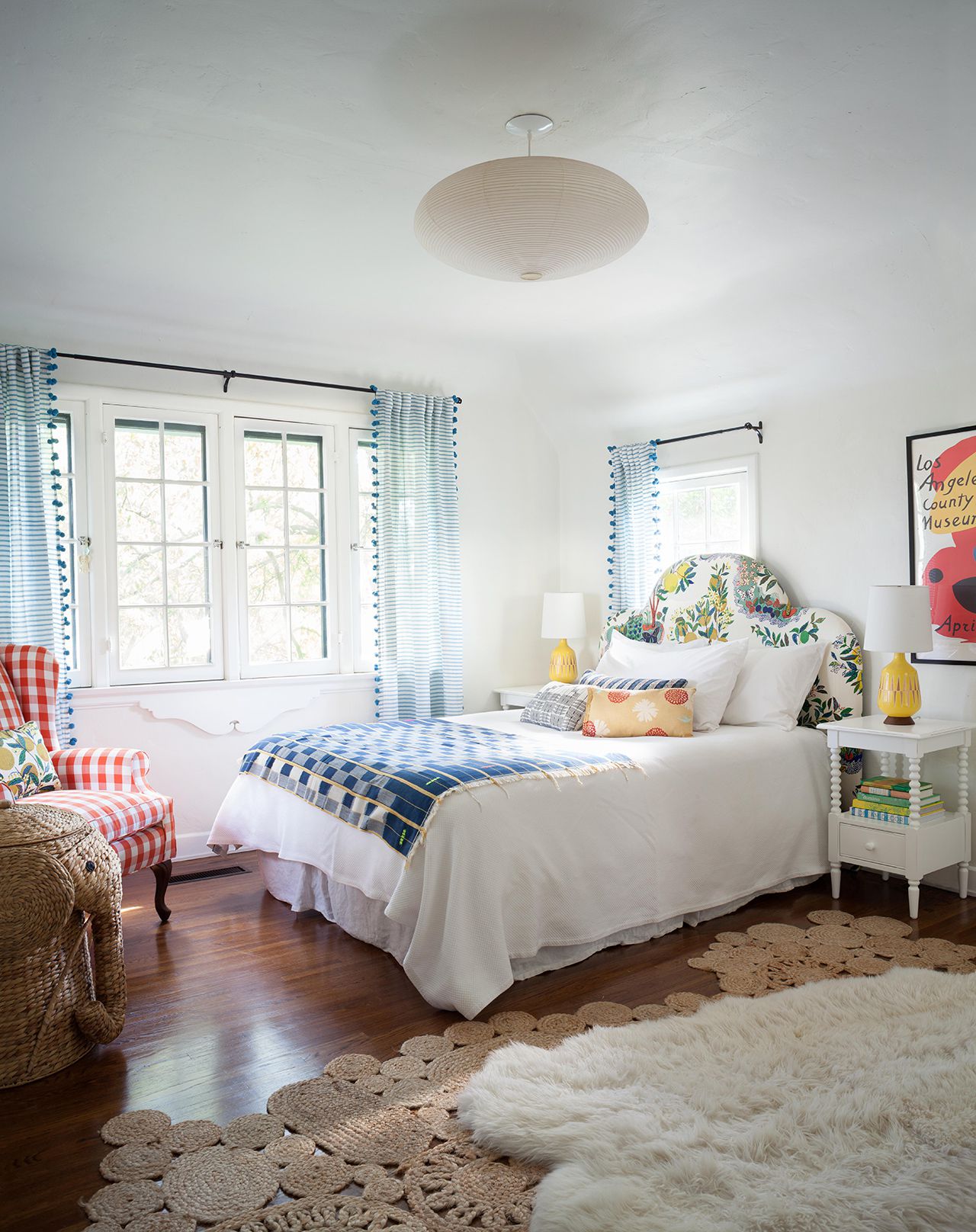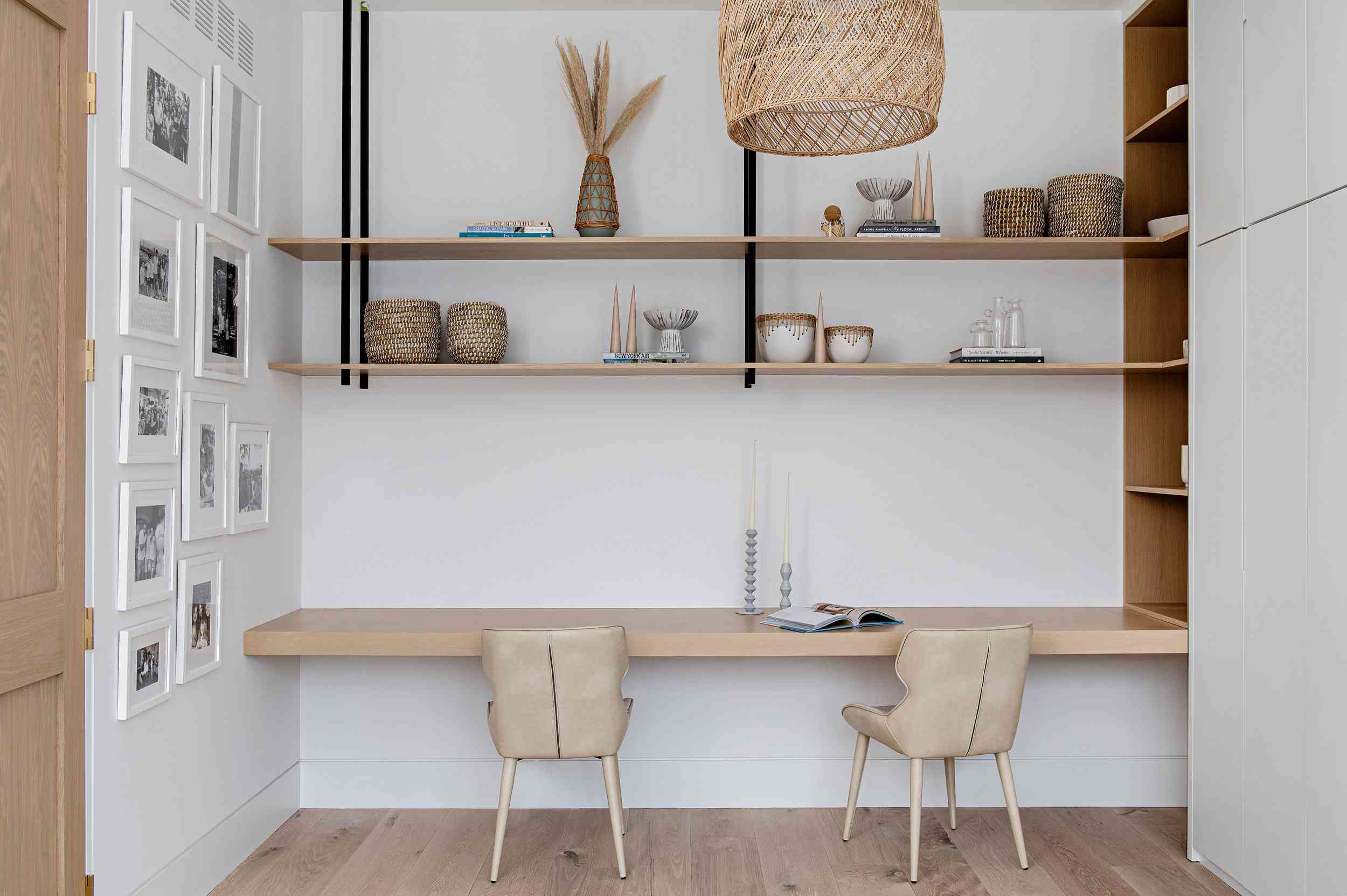
If your home office lighting currently feels like a detective-interrogation lamp hanging over a tax form, we need to talk. The right lighting setup can make your workspace feel brighter, calmer, sharper, and a whole lot more expensive than it actually was. It can also reduce glare, support focus, and stop your screen from looking like a mirror that only reflects regret.
A well-lit home office usually works best when it combines three layers: ambient lighting for overall brightness, task lighting for the desk, and accent lighting for mood and style. Add in thoughtful bulb choices, screen-friendly placement, and a few visual tricks for dark corners, and your workspace can go from gloomy cave to productivity headquarters. Below are 42 home office lighting ideas that balance function and style without turning your room into a spaceship cockpit.
Why Home Office Lighting Matters
Good home office lighting does more than help you see your keyboard. It affects comfort, eye strain, mood, and how polished your workspace feels during everyday work and video calls. Natural light is often the gold standard, but it needs to be controlled so sunlight does not blast your monitor with glare. Artificial lighting should fill in the gaps with a mix of overhead light, desk-focused light, and softer accents that make the room feel layered rather than flat.
In other words, the best home office lighting ideas are not just decorative. They are practical. They help paperwork look crisp, keep your face from disappearing into shadow on calls, and make a long workday feel less like a punishment handed down by your inbox.
42 Home Office Lighting Ideas
1. Position Your Desk Near a Window
Placing your desk close to natural light instantly brightens the workspace. Side lighting usually works better than facing direct sun head-on, which can create harsh glare on screens.
2. Use Adjustable Blinds or Shades
Natural light is wonderful until it attacks your laptop at 2:17 p.m. Add shades, Roman blinds, or light-filtering curtains so you can soften the brightness without losing the daylight advantage.
3. Layer Ambient, Task, and Accent Lighting
This is the golden rule. Ambient lighting fills the room, task lighting supports work, and accent lighting adds depth. Skip one, and the room can feel either dim, clinical, or weirdly dramatic.
4. Choose a Ceiling Fixture That Spreads Light Evenly
A flush mount, semi-flush mount, or understated pendant can provide even overall illumination. Look for fixtures that diffuse light instead of sending one blinding beam straight down.
5. Add a Swing-Arm Desk Lamp
An adjustable desk lamp is one of the easiest upgrades for a home office. It lets you direct light exactly where you need it, whether you are writing, sketching, reading contracts, or pretending to understand spreadsheets.
6. Use a Lamp With a Shade for Softer Illumination
Shaded lamps soften the light and reduce visual harshness. They are ideal if your workspace already gets strong daylight or overhead brightness.
7. Try an Architect Lamp for Precision Tasks
If your work involves detailed reading, drawing, or making tiny corrections that nobody else will ever notice, an architect-style lamp gives focused, directional light.
8. Install a Dimmer Switch
Dimmers let you fine-tune brightness throughout the day. Morning work may need brighter light, while late-afternoon tasks often feel better with a softer glow.
9. Pick LED Bulbs for Efficiency
LED lighting uses less energy, lasts longer, and gives you more control over brightness and color temperature. It is one of the smartest long-term lighting upgrades for a work-from-home setup.
10. Pay Attention to Color Temperature
Warm white bulbs can make a workspace feel cozy, while cooler white light often feels crisper for focused tasks. A balanced range often works well in a home office, especially when paired with dimmers or multiple fixtures.
11. Avoid Overly Blue Lighting
Very cool, blue-toned light can make a room feel sterile and harsh. Unless you are trying to recreate a hospital hallway, aim for a light quality that feels bright without being icy.
12. Add a Floor Lamp in a Dark Corner
A floor lamp can lift shadowy corners and make a small office feel larger. Upward-facing floor lamps are especially helpful for bouncing light around the room.
13. Use Wall Sconces to Free Up Desk Space
If your desk is small, wall-mounted sconces can provide useful light without stealing valuable surface area. They also make the room look intentionally designed instead of “assembled under pressure.”
14. Install Plug-In Sconces if You Rent
No hardwiring? No problem. Plug-in sconces deliver style and function without turning your security deposit into a memory.
15. Add Under-Shelf LED Strips
LED strips under floating shelves or cabinets brighten the work surface below and add a clean, modern look. They are especially effective in compact offices.
16. Light the Back of Your Monitor
Bias lighting behind a monitor creates a softer contrast between screen and room. It can make a workspace feel more comfortable, especially during evening work sessions.
17. Use Picture Lights Over Art or Shelves
Picture lights are not just for fancy galleries and people who alphabetize their olive oils. They can highlight artwork, bookshelves, or inspiration boards and add warm visual interest.
18. Try Recessed Lighting for a Clean Look
Recessed lights work well in modern offices or low-ceiling rooms where hanging fixtures might feel bulky. Space them carefully so the room is bright without becoming overlit.
19. Use Track Lighting in Multi-Use Rooms
Track lighting is helpful when your office shares space with a guest room, bedroom, or den. You can aim different heads toward the desk, storage, and décor features.
20. Choose a Statement Pendant
A sculptural pendant brings style overhead while still providing general illumination. It is a good way to make a home office feel more finished and less temporary.
21. Add a Mini Chandelier in a Formal Office
If your workspace leans classic or elegant, a small chandelier can bring personality without overwhelming the room. Yes, spreadsheets can be glamorous.
22. Use Glass Shades to Keep the Room Airy
Glass shades allow more light to pass through, making them useful for darker spaces. They also help a small office feel more open.
23. Pick Opaque Shades for Softer Mood
If the room already gets enough light, opaque shades can create a cozier effect and reduce harshness. They work especially well on table lamps and sconces.
24. Add a Table Lamp to a Credenza or Side Cabinet
A secondary lamp across the room balances the lighting plan. It prevents all the brightness from being concentrated at the desk and makes the space look more layered.
25. Use Matching Lamps for Symmetry
In larger offices, a pair of matching lamps on shelves, cabinets, or side tables creates visual balance and a polished look.
26. Highlight Shelving With Puck Lights
Battery-operated or wired puck lights can brighten bookcases and display shelves. They add depth and keep dark built-ins from visually disappearing.
27. Make Your Video Call Lighting Work for You
Place a soft light source in front of you or slightly off to the side for flattering video-call lighting. Backlighting from a window behind you can turn your face into a mystery silhouette.
28. Use a Ring Light Sparingly
A ring light can be helpful for frequent calls, but it should not be your entire office lighting plan. Think of it as a supporting actor, not the star of the room.
29. Add Smart Bulbs for Flexible Control
Smart bulbs let you adjust brightness and sometimes color temperature without getting up. That means fewer excuses to avoid changing the lighting when it is obviously wrong.
30. Program Lighting Scenes
Create a “focus” setting for bright daytime work, a “meeting” scene for video calls, and an “after-hours” mode for calmer evening tasks. Your office should adapt to your schedule, not the other way around.
31. Use Warm Accent Lighting With Cooler Task Light
This mix creates a workspace that feels energized where it matters and relaxed everywhere else. It is a great compromise between productivity and comfort.
32. Brighten the Ceiling
Uplighting or reflective fixtures can make the ceiling feel higher. This trick is especially useful in small home offices or converted nooks.
33. Add Mirrors to Reflect Light
A mirror placed across from or near a window helps bounce daylight around the room. It is one of the easiest ways to make a home office feel brighter without adding another bulb.
34. Use Light-Colored Lamp Shades
Cream, white, and pale linen shades reflect more light than dark shades. They also keep the room feeling fresher and less heavy.
35. Skip Glossy Desk Surfaces
Highly reflective desks can bounce light in annoying ways. Matte finishes are generally easier on the eyes and friendlier to screens.
36. Reduce Overhead Glare
If overhead lights reflect on your screen, use diffusers, reposition fixtures when possible, or rely more on lamps for a softer, better-directed lighting plan.
37. Try a Library Lamp for Vintage Charm
A classic banker’s lamp or library lamp adds character and focused desk light. It is practical, stylish, and faintly suggests you have your life together.
38. Light Vertical Space
Wall washers, sconces, or shelf lighting draw the eye upward and make a workspace feel taller. This is especially useful in narrow or closet-style offices.
39. Use Decorative Accent Lights for Personality
A small sculptural lamp, soft LED art light, or warm decorative glow can make the office feel inviting. Productivity likes a little charm.
40. Add Lighting Inside Built-Ins
If your office has cabinetry or built-in shelving, interior lighting adds polish and helps the room feel custom. It also makes storage easier to use.
41. Fake Natural Light in Windowless Offices
In a room with no windows, combine an overhead fixture, desk lamp, floor lamp, and wall or shelf lighting so brightness comes from several directions. This layered approach helps the room feel less boxed in.
42. Let Style and Function Share the Same Desk
The best home office lighting ideas do both jobs at once. Choose fixtures that solve practical needs while also reinforcing your style, whether that means modern brass sconces, industrial task lamps, or a soft contemporary pendant.
How to Choose the Best Lighting for Your Home Office
Start by assessing what your room already has. If you get beautiful daylight for most of the day, focus on glare control and layered evening lighting. If the room is dark, prioritize ambient brightness first, then add task light at the desk and accent lighting to keep the space from feeling flat.
Next, think about what you actually do there. Writers, crafters, designers, and readers usually benefit from focused desk lighting. People who spend most of the day on screens should pay close attention to glare, monitor placement, and softer contrast between the screen and the room. If your home office doubles as a guest room or bedroom, flexible fixtures like sconces, smart bulbs, and track lighting can make the space work harder.
Finally, do not treat lighting as an afterthought. It affects how the whole room feels. A stylish chair is nice, but if the lighting is bad, even the prettiest office can feel like a dim waiting room with Wi-Fi.
Real-World Experiences With Home Office Lighting
One of the most common mistakes people make when setting up a home office is assuming a single overhead fixture is enough. In real life, that setup often creates shadows on paperwork, glare on screens, and a room that feels oddly flat. Many people only realize the problem after they start working from home full-time and notice they are leaning closer to the screen, turning on random lamps from other rooms, or spending half the day chasing a better patch of light.
A better experience usually starts with one simple change: adding a desk lamp. For a lot of people, that single upgrade immediately makes reading documents easier and evening work less tiring. The difference is especially noticeable in winter, in rainy weather, or in rooms that receive good daylight for only a few hours. A swing-arm lamp or dimmable task light often becomes the unsung hero of the office, quietly doing the hard work while the expensive desk gets all the compliments.
Another common experience is discovering that natural light is both wonderful and slightly dramatic. In the morning, a window-side desk can feel energizing and fresh. By late afternoon, though, the same setup may produce intense glare, a washed-out monitor, and enough squinting to qualify as a facial workout. That is why blinds, shades, and careful desk orientation matter so much. People who move their desk perpendicular to the window instead of directly in front of it often report a noticeably more comfortable setup.
Video calls also change the lighting conversation. Plenty of people create a beautiful office, then hop on a meeting and realize they look like a witness in a true-crime documentary. In practice, even a soft lamp placed in front of the face can improve appearance on camera. A ring light helps for frequent meetings, but many workers prefer a gentler setup that feels less theatrical and more natural for all-day use.
Small-space offices bring their own lessons. A cloffice, bedroom nook, or living room workstation often benefits more from wall sconces, plug-in fixtures, and under-shelf lighting than from bulky table lamps. People working in tight spaces often find that vertical lighting solutions free up the desk and make the area feel intentionally designed instead of squeezed in as an afterthought. Even a single LED strip under a shelf can make a compact workstation feel cleaner, brighter, and easier to use.
Then there is the emotional side of lighting, which people do not always expect. Good lighting can make a workspace feel calm and motivating. Bad lighting can make even easy tasks feel heavier. A warm accent lamp in the background, a balanced ceiling fixture, and a focused desk light often create a room that feels inviting enough to enter and functional enough to stay in. That combination matters. When a space feels good, people tend to use it more consistently, maintain it better, and focus more easily.
In the end, the best home office lighting setup is rarely the fanciest one. It is the one that matches how you work, where your light comes from, and what kind of atmosphere helps you think clearly. Some people thrive in bright, crisp lighting. Others want a softer, layered workspace that feels more residential and relaxed. The best results usually come from testing, adjusting, and building a lighting plan that supports real life rather than just looking good in a photo.
Conclusion
The smartest home office lighting ideas combine comfort, flexibility, and personality. Start with the basics: control natural light, reduce glare, add task lighting, and layer in ambient and accent sources so the room feels balanced. From there, the fun begins. Maybe that means a sculptural pendant, a brass sconce, LED shelf lighting, or a desk lamp that makes you feel suspiciously competent. Whatever route you take, good office lighting should help you work better and enjoy the room more. That is a bright idea in every sense.