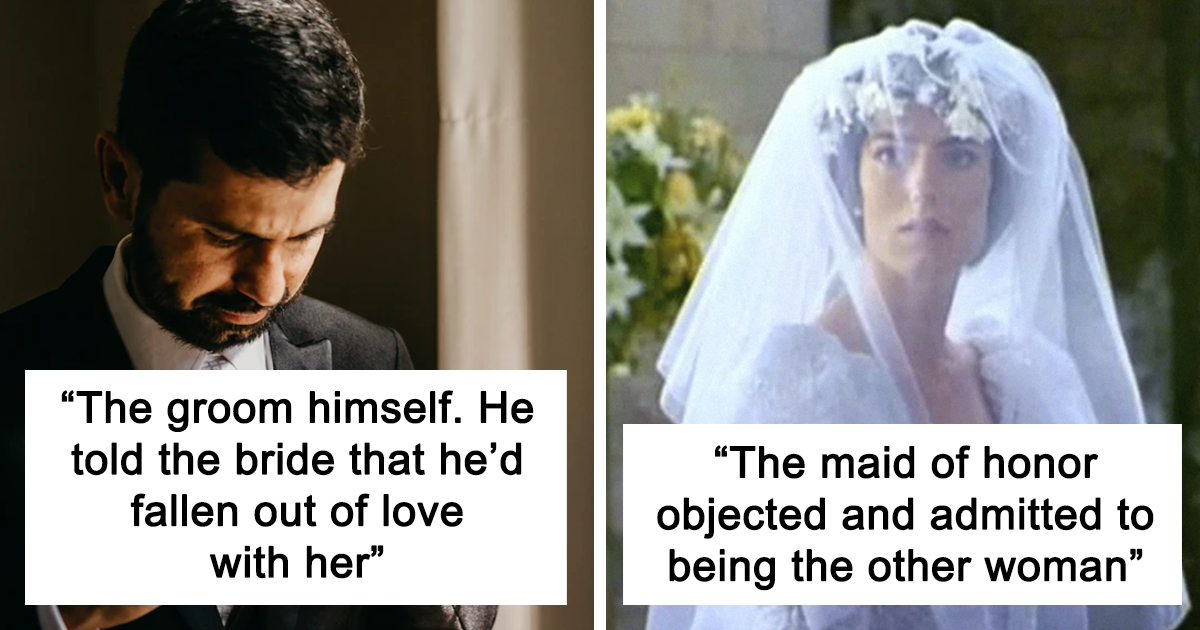
There are wedding moments everyone expects: the teary vows, the slightly nervous ring exchange, the aunt who takes 487 photos from the aisle, and at least one child who decides the ceremony is the perfect time to become a tiny opera singer. But one moment most couples do not expect is the dramatic interruption: someone standing up during the “speak now or forever hold your peace” portion of the wedding and actually saying something.
In movies, this scene is practically required by law. The church doors burst open, an ex-lover runs in, the music stops, and everyone gasps like they have been rehearsing for a soap opera. In real life, wedding objections are much rarer, much messier, and usually far less romantic. Sometimes they are jokes that land with all the grace of a dropped wedding cake. Sometimes they are family conflicts that should have been discussed months earlier. And occasionally, they involve a real legal concern, which is the only kind of objection that can truly affect whether a marriage should continue.
The classic phrase “speak now or forever hold your peace” began as a serious safeguard. Long before digital records, background checks, and marriage-license appointments, communities needed a way to discover whether a couple had a legal barrier to marriage. Was one person already married? Were the two too closely related under church or civil rules? Was someone being forced? Those were the kinds of objections that mattered. Today, most of those issues are handled before the ceremony, which is why many modern officiants skip the line entirely.
Still, humans remain humans. Give a room full of emotional people a dramatic pause, and someone may treat it like an open mic night. Below are 30 real-world-style wedding objection moments inspired by reported wedding forums, officiant experiences, etiquette stories, and the kinds of ceremony disasters people still whisper about years later.
Why Wedding Objections Still Fascinate Us
Wedding objections are fascinating because they break the invisible contract of a wedding. Guests are expected to smile, clap, cry politely, and save complaints about the chicken entrée for the parking lot. When someone objects, they are not just interrupting a ceremony; they are challenging the entire emotional production.
That is why even a small joke can feel enormous. A guest coughing loudly after the officiant asks for objections may think they are being hilarious. The couple may hear, “Thank you for spending thousands of dollars so I could audition for the role of Most Unhelpful Friend.” Timing matters. A wedding ceremony is not a roast, a bachelor party, or a group chat with flowers.
Most modern wedding objections fall into three categories: legal concerns, personal concerns, and bad jokes. Legal concerns are rare but serious. Personal concerns may be emotionally valid but should be handled privately. Bad jokes, unfortunately, continue to reproduce in the wild.
30 Times Someone Actually Objected During The Wedding
1. The Ex Who Thought The Wedding Was A Romantic Comedy
An ex-partner stood up and declared that the bride was making a mistake. The room went silent, not because the speech was moving, but because 120 guests suddenly discovered the pattern on the carpet. The officiant paused, the couple spoke privately for a moment, and the ceremony continued. Lesson: loving someone is not a legal objection.
2. The Groom’s Friend Who “Jokingly” Coughed
During the objection line, one friend gave a theatrical cough. A few guests laughed. The bride did not. The groom later insisted it was harmless, but the bride felt the moment had been cheapened. This is a classic example of a wedding joke that might have worked at brunch but failed spectacularly beside the altar.
3. The Parent Who Had Never Approved
A parent used the objection moment to say they did not support the marriage. The reason was not legal; they simply disliked the partner. The officiant calmly reminded everyone that the ceremony was not a debate panel. The wedding continued, but the family relationship needed serious repair afterward.
4. The Sibling With A Secret
One sibling reportedly objected because they believed the couple had rushed into marriage too quickly. The awkward part? They had already said this privately many times. Repeating it during the ceremony did not make it wiser. It only made it louder.
5. The Child Who Misunderstood The Assignment
A young child heard “speak now” and took it literally, announcing that they needed the bathroom. Technically, this was an objection to the ceremony timeline, not the marriage. The guests laughed, the couple laughed, and the officiant handled it with charm. Sometimes the best objection is just comic relief in tiny shoes.
6. The Guest Who Objected To The Venue
One guest objected not to the marriage but to the wedding location, claiming the couple should have chosen a church. The officiant quickly redirected the ceremony. The couple later joked that if venue criticism counted, half the guest list could object to the parking situation.
7. The Friend Who Still Had Feelings
A longtime friend admitted they had feelings for one half of the couple. The confession was emotional, poorly timed, and deeply uncomfortable. The ceremony paused, the friend was escorted outside, and the wedding continued. Romantic honesty is admirable; ambushing a wedding is not.
8. The Grandparent Who Objected To A Nontraditional Ceremony
A grandparent objected because the couple had written their own vows instead of using a traditional religious script. It was a generational clash, not a legal issue. The officiant explained that the couple had chosen a ceremony that reflected their values, and the day moved forward.
9. The Best Man Who Thought He Was Being Funny
The best man raised his hand and said, “Are we sure about this?” He expected laughter. He received a glare from the bride, a death stare from the maid of honor, and the kind of silence usually reserved for broken glass. He apologized during the reception, but the damage had already joined the family folklore.
10. The Relative Who Mentioned Money
A relative objected because they believed the couple had financial problems. Even if true, the middle of the ceremony was not the place for a budgeting seminar. Marriage requires financial honesty, yes. It does not require Aunt Linda to turn the vows into a credit review.
11. The Person Who Claimed There Was Another Marriage
This is one of the rare objections that can matter. A guest claimed one partner was already legally married. In such a case, an officiant may need to pause and clarify the facts because bigamy is a legal barrier. Unlike emotional objections, this kind of claim cannot simply be laughed off.
12. The Mother-In-Law Who Objected To The Dress
One mother-in-law reportedly muttered loudly enough for half the room to hear that the dress was inappropriate. It was not a formal objection, but it landed like one. The bride kept walking, proving that sometimes the most powerful response is pretending not to hear nonsense with lace on it.
13. The Cousin Who Brought Up An Old Argument
A cousin objected because of a years-old family dispute that had nothing to do with the marriage. The officiant gently shut it down. Weddings have a way of pulling buried drama to the surface, but the altar is not a customer-service desk for unresolved grudges.
14. The Guest Who Objected To The Age Gap
A guest objected because they thought the couple’s age difference was inappropriate. The couple were consenting adults, legally able to marry, and fully aware of the age gap because mirrors exist. The objection went nowhere.
15. The Former Friend With Screenshots
In one modern twist, a former friend threatened to object with screenshots of past messages. The couple had already discussed the issue privately, so the attempted public reveal failed. Wedding lesson: screenshots may be powerful, but they are not always relevant.
16. The Guest Who Thought The Phrase Was Interactive
Someone shouted, “Congratulations!” during the objection pause, thinking it was a call-and-response moment. It was awkward for three seconds, then adorable. Not every interruption is malicious. Some guests simply have the ceremonial awareness of a golden retriever.
17. The Father Who Wanted More Time
A father objected because he felt his child was getting married too young. His concern may have come from love, but the timing turned it into public pressure. The couple continued, and the family later had the conversation they should have had before invitations were mailed.
18. The Officiant Who Skipped The Line To Avoid Chaos
In some weddings, the most memorable objection is the one that never happens because the officiant removes the phrase. Many couples now replace it with a positive community vow, asking guests to support the marriage rather than challenge it. Frankly, this is much better for everyone’s blood pressure.
19. The Bridesmaid Who Could Not Stay Silent
A bridesmaid objected because she believed the groom had been unfaithful. If the claim was true and unknown to the bride, that is serious information. But the ceremony is still the worst possible stage for it. Serious concerns deserve private urgency, not public theater.
20. The Uncle Who Objected After Too Many Drinks
Some ceremonies happen after cocktail hour, which is brave. One uncle objected loudly, then forgot what his objection was. The officiant waited. The uncle blinked. A groomsman guided him back to his seat. The marriage survived; the uncle’s reputation did not.
21. The Guest Who Objected On Religious Grounds
A guest objected because the couple came from different faith backgrounds. Interfaith marriages can require thoughtful communication, but a public objection rarely creates understanding. The couple had already made their decision. The ceremony continued with dignity.
22. The Ex-Spouse Who Raised A Custody Concern
An ex-spouse objected because of concerns involving children and family arrangements. While blended-family concerns can be deeply important, they generally do not prevent a legal marriage unless tied to a specific legal restriction. The better route is legal counsel, mediation, or a private conversation long before the wedding day.
23. The Friend Who Objected To The Prenup
A friend objected because they thought the prenuptial agreement was unfair. Prenups can be sensitive, but they are not usually wedding-ceremony business. Also, if a guest knows enough about the prenup to object publicly, someone in the couple’s circle may need a refresher on privacy.
24. The Teen Relative Who Quoted A Movie
A teen relative stood up and quoted a dramatic objection line from a film. The room laughed, but the couple looked startled. The officiant recovered quickly. The teen later apologized, proving that pop culture should be enjoyed responsibly, especially near floral arches.
25. The Friend Who Objected To The Couple Moving Away
A friend objected because marriage meant the couple would relocate. This was not an objection to the union; it was sadness wearing a dramatic hat. The couple hugged the friend later, but the ceremony kept moving.
26. The Relative Who Claimed The Couple Was Too Different
A relative objected because the couple had different personalities, careers, and lifestyles. But compatibility is not sameness. Some marriages run on shared hobbies; others run on one person labeling the spice rack while the other brings home mystery furniture. Difference alone is not an objection.
27. The Guest Who Objected To A Same-Day Surprise
At one ceremony, a guest objected after learning about a major life decision the couple had kept private. The objection reflected hurt, not legal concern. The couple later admitted they should have communicated better, but the wedding itself continued.
28. The Officiant Who Asked For Legal Grounds
In a well-handled ceremony, someone objected vaguely, and the officiant calmly asked whether the objection involved a legal impediment. The guest had no such information. The officiant proceeded. This is the professional way to handle chaos: politely, clearly, and without becoming a daytime talk-show host.
29. The Family Member Who Was Escorted Out
Sometimes an objection turns disruptive. One family member continued shouting after being asked to stop, and venue staff helped remove them. It was uncomfortable, but it protected the couple’s ceremony. Boundaries are romantic too, in their own practical way.
30. The Couple Who Invited Objections Before The Wedding
One couple handled the tradition brilliantly by telling close family and friends ahead of time: if you have concerns, speak now privately, not dramatically during the ceremony. No one objected on the day. That may be the best version of “forever hold your peace” ever invented.
What Actually Happens If Someone Objects At A Wedding?
The answer depends on the objection. If someone says, “I still love the bride,” the ceremony does not automatically stop. If someone says, “The groom is already legally married,” the officiant may need to pause and investigate. The key difference is legal relevance.
Most emotional objections have no power over the marriage license. They can embarrass the couple, upset guests, and create a reception atmosphere colder than the salad course, but they do not usually invalidate the ceremony. A legal objection, however, may require the officiant to stop until the facts are clear.
That is why professional officiants often prepare for disruptions. They may pause, ask the objector to clarify, determine whether the issue is legal, and then either continue or delay the ceremony. Calm matters. A good officiant can turn a potential disaster into a manageable interruption.
Why Many Couples Remove The Phrase
Modern couples are increasingly skipping the objection line altogether. It may feel outdated, overly dramatic, or simply unnecessary. In many ceremonies, the couple has already applied for a marriage license, confirmed their identities, discussed their vows, and signed the required documents. By the time guests are seated, the ceremony is about celebration, not investigation.
Instead of asking for objections, some officiants ask guests to affirm their support. For example: “Will you, as this couple’s family and friends, support them in their marriage?” This keeps the communal spirit without creating an opening for Cousin Derek to process his unresolved feelings into a microphone.
Other couples use unity ceremonies, ring warming, group blessings, or short family acknowledgments. These alternatives focus on encouragement rather than interruption. They also reduce the risk of a guest mistaking the ceremony for an improv class.
How To Handle A Wedding Objection Without Losing The Plot
Stay Calm First
If someone objects, the couple should avoid reacting instantly. That is easier said than done when your heart is sprinting and your photographer is capturing every blink. Still, a calm pause gives the officiant room to manage the situation.
Let The Officiant Lead
The officiant should ask whether the objection involves a legal reason the couple cannot marry. If not, the ceremony can usually continue. The objector may be asked to sit down, step outside, or save the conversation for later.
Do Not Reward Drama
A wedding objection can become worse if everyone starts arguing. The goal is not to win the room. The goal is to protect the ceremony and the couple’s emotional safety.
Plan Ahead If You Expect Trouble
If there is a guest who might interrupt, couples can speak with them beforehand, assign a trusted relative to keep an eye on them, or avoid inviting them. That may sound harsh, but weddings are not mandatory attendance events for people who plan to bring emotional fireworks.
What Wedding Objections Reveal About Relationships
Wedding objections are rarely just about the wedding. They often reveal unresolved tension: family disapproval, old heartbreak, fear of change, religious differences, money concerns, or loyalty conflicts. The objection is the loud moment, but the problem usually began long before the ceremony.
That is why couples should take private concerns seriously before the wedding day. If several trusted people raise the same concern about a relationship, it may be worth slowing down and listening. Not every objection is wise, but not every concern is nonsense either. The difference is timing, respect, and evidence.
A healthy concern sounds like: “Can we talk privately? I am worried about how they treat you.” An unhealthy wedding objection sounds like: “I have chosen this floral aisle as my courtroom.” Same topic, very different emotional maturity.
Experiences And Lessons From Wedding Objection Stories
After reading enough wedding objection stories, one lesson becomes painfully clear: the ceremony is almost never the right time to reveal big feelings. If you care about someone, you do not wait until they are holding a bouquet, wearing formal clothes, and standing in front of everyone they know to start your TED Talk on compatibility.
The best experiences come from couples who create space for honest conversations before the wedding. Some invite close family members to share concerns during the engagement period. Others schedule premarital counseling, not because something is wrong, but because marriage is a major life decision and communication deserves more preparation than the seating chart. When people feel heard early, they are less likely to explode later.
Another lesson is that humor needs consent and context. A couple may love jokes, pranks, and playful teasing. But the ceremony is different from the reception. During vows, emotions are heightened. Guests may have traveled, spent money, taken time off work, and dressed like functional adults for once. A joke objection can feel like disrespect, even if the jokester meant no harm. The safest rule is simple: if the joke could make the couple panic for even two seconds, skip it.
Family disapproval is more complicated. Parents and relatives sometimes object because they are protective, afraid, controlling, or simply struggling with change. Their feelings may be real, but the wedding day is not the right place to process them. A respectful family member who has concerns should ask for a private conversation weeks or months before the ceremony. That gives the couple a chance to listen without being publicly cornered.
For couples, the biggest takeaway is to design the ceremony intentionally. Do not include the “speak now” line just because you have heard it in movies. Ask your officiant whether it is required for your ceremony style or religious tradition. If it is optional and you do not want it, remove it. Replace it with a guest blessing, a community vow, or a moment of gratitude. The ceremony should reflect the couple’s commitment, not create a trapdoor for drama.
For guests, the takeaway is even simpler: unless you know about a genuine legal barrier or immediate safety concern, stay seated. If you have emotional concerns, speak privately and respectfully. If you have a joke, write it in the guest book only if it is kind. If you are an ex with unresolved feelings, take a walk, call a friend, and absolutely do not treat the aisle like an airport runway in a romance movie.
Wedding objection stories remain popular because they combine everything people find irresistible: love, tension, etiquette, family politics, and the possibility that someone’s uncle may become a headline. But the best weddings are not the ones with the most drama. They are the ones where the couple feels supported, respected, and free to begin married life without needing a security plan for the vows.
Conclusion
The “speak now or forever hold your peace” moment may be iconic, but in modern weddings it is often more theatrical than practical. Real legal objections are rare and serious. Emotional objections are usually painful and poorly timed. Joke objections are risky, even when they come from good intentions. The smartest couples either remove the line or reshape it into something positive, turning a potential interruption into a shared promise of support.
In the end, a wedding ceremony is not the place to audition unresolved feelings, test comedy material, or settle family disputes. It is a public celebration of a private commitment. Anyone with genuine concerns should speak before the big day. Everyone else can follow the ancient and noble wedding rule: smile, clap, eat cake, and hold your peace.