Your home’s exterior starts talking long before anyone rings the doorbell. A tidy walkway says, “Welcome.” A freshly painted front door says, “Someonehind this shrub.”
Fortunately, improving curb appeal does not require a full exterior renovation, a landscape architect, or a suspiciously large pile of monet can be completed in a few hours or over one productive weekend. Cleaning dirty surfaces, adding colorful planters, updating exterior hardware, and sharpening lawn edges can dramatically change how a property looks from the street.
The key is to concentrate on highly visible areas, particularly the route from the curb to the front door. The following quick and easy curb appeal ideas will help you create a cleaner, more welcoming exterior without turning your weekend into a home-improvement survival documentary.
Why Small Curb Appeal Improvements Work
Curb appeal is less about adding expensive features and more about creating order, contrast, and a clear focal point. People naturally notice the front entrance, landscaping borders, walkway, lighting, and condition of exterior surfaces. When these elements look clean and coordinated, the entire property appears better maintained.
Before buying anything, stand across the street and take a photo of your house. The camera often catches distractions that your eyes have learned to ignore: a crooked mailbox, empty pots, faded trim, tangled hoses, or shrubs attempting to swallow the windows. Use that photo to identify the three areas that need attention most.
1. Wash Away Years of Exterior Grime
Cleaning is one of the fastest and least glamorous curb appeal upgrades, but it delivers an impressive visual payoff. Dirt, pollen, mildew, cobwebs, and tire marks slowly dull exterior surfaces. Because the buildup happens gradually, homeowners often do not realize how dingy the property has become.
Start With the Most Visible Surfaces
Sweep the porch, steps, and walkway before rinsing or washing them. Clean the front door, siding around the entrance, porch railings, garage door, mailbox, and exterior light fixtures. Wash the windows from the outside and remove debris from the tracks and sills.
A pressure washer can refresh suitable concrete, brick, fencing, and some siding, but excessive pressure may damage wood, mortar, paint, or delicate exterior finishes. Begin with a low-pressure setting, test an inconspicuous section, and follow the surface manufacturer’s care instructions. Sometimes a bucket, soft brush, and garden hose are all you need.
2. Give the Front Door a Fresh Coat of Paint
The front door is the natural focal point of most homes, making it an ideal place for a bold but manageable color update. A new door might be expensive, but a can of exterior paint can make the existing one look dramatically different.
Choose a Color That Belongs
Select a shade that works with fixed exterior materials such as brick, stone, roofing, and siding. Navy, charcoal, forest green, deep red, and black can create a classic appearance. Mustard yellow, coral, teal, or muted blue can add personality when they complement the home’s architecture.
Prepare the surface properly instead of painting over dust and hoping optimism will function as primer. Clean the door, repair imperfections, sand glossy areas, and use exterior-rated primer and paint when required. For a cohesive finish, consider refreshing the surrounding trim while the painting supplies are already out.
3. Replace Tired Hardware and House Numbers
Small exterior details have an outsized influence because they sit near the entrance, where visitors naturally look. Tarnished handles, rusty knockers, outdated locks, and tiny house numbers can make an otherwise attractive entry feel neglected.
Create a Coordinated Hardware Family
Choose a consistent finish for the door handle, lockset, knocker, kick plate, mailbox, and nearby light fixtures. The pieces do not have to match perfectly, but they should look related. Matte black offers strong contrast, while brushed nickel, aged brass, and oil-rubbed bronze can add warmth or traditional character.
Replace house numbers with a design that suits the property and is easy to read from the street. Oversized numbers, a simple address plaque, or backlit numbers can combine style with practical visibility. Avoid delicate fonts that make delivery drivers solve a typography puzzle at dusk.
4. Upgrade the Mailbox
A mailbox is often one of the first features people see, yet it is frequently treated like a distant relative who was accidentally left out of the family photo. A faded, leaning, or dented mailbox can weaken the appearance of the entire front yard.
If the box is still in good condition, clean it and apply paint formulated for its material. Replace damaged numbers, tighten loose hardware, and straighten the post. A small planting bed around a freestanding mailbox can add color, but keep plants low enough that they do not obstruct access or visibility.
For a wall-mounted mailbox, choose a size and finish that coordinate with the door hardware and porch lighting. The result should feel intentional rather than assembled from three unrelated aisles of the hardware store.
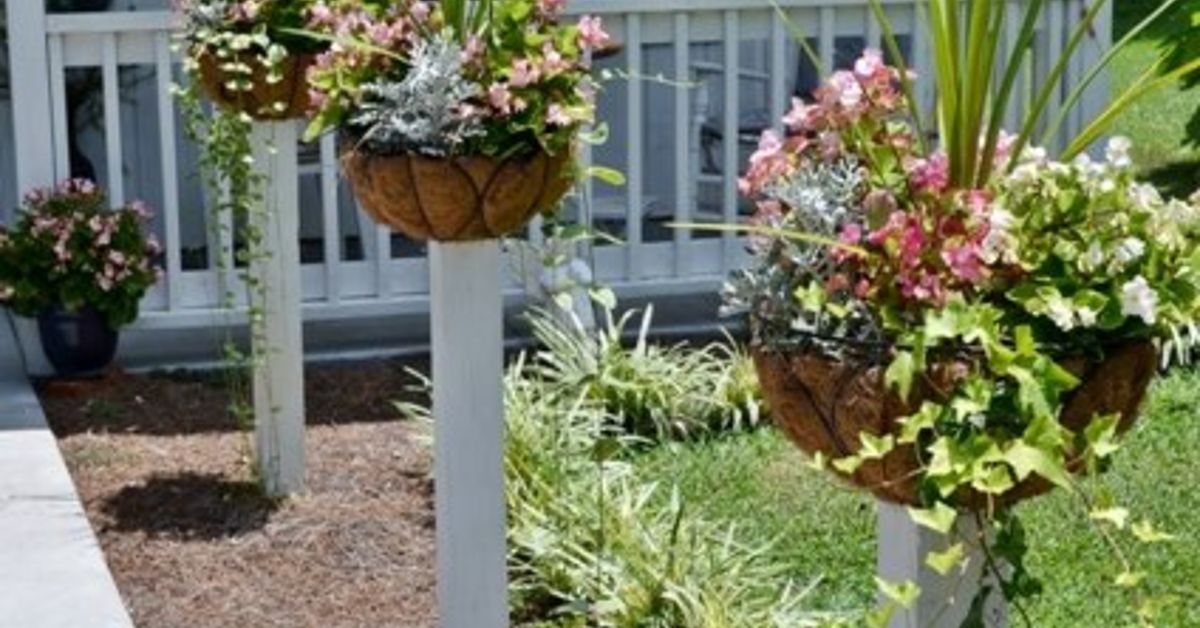
5. Frame the Entrance With Container Plants
Container plants provide instant greenery and color without requiring a major landscaping project. They are especially useful for homes with small yards, narrow porches, rental restrictions, or soil that appears personally offended by flowers.
Use Scale and Repetition
Place one substantial planter on each side of the entrance for a balanced look, or use a group of three containers in different heights for a more casual arrangement. Large containers usually make a stronger statement than a crowd of tiny pots.
Choose plants suited to the amount of sun and your regional climate. Combine an upright plant, a fuller middle layer, and a trailing variety for a professional-looking arrangement. Evergreens, ornamental grasses, ferns, succulents, herbs, and seasonal flowers are all useful options. Limit the color palette so the display enhances the house rather than competing with it.
6. Edge Garden Beds and Add Fresh Mulch
Freshly defined garden beds create crisp lines that can make an ordinary landscape look professionally maintained. Edging separates grass from planting areas, directs the eye through the yard, and prevents the lawn from wandering into flower beds like it pays rent there.
Remove weeds, dead foliage, and broken branches before cutting a clean edge. Then apply an even layer of mulch, leaving space around tree trunks and plant stems. Mulch creates a uniform background that highlights plants while helping conserve soil moisture and reduce weed growth.
Choose a mulch color that complements the exterior rather than automatically selecting the darkest option available. Natural brown mulch often works well with traditional homes, while gravel or decorative stone may suit dry climates and contemporary architecture. Consider drainage, heat, and plant requirements before changing materials.
7. Prune Shrubs and Reveal the House
Mature landscaping can be a major asset, but shrubs that cover windows, crowd the walkway, or conceal the entrance make a home look smaller and less inviting. Strategic pruning restores shape, improves visibility, and allows architectural details to rejoin society.
Trim With Purpose
Remove dead, damaged, or crossing branches first. Keep plants away from siding and trim growth that blocks porch lights, house numbers, windows, gates, and walkways. Shrubs near the foundation should complement the house rather than form an impenetrable green wall.
Avoid aggressively shearing every plant into the same round shape. Work with each shrub’s natural form, and research the correct pruning season for flowering varieties. Cutting at the wrong time can remove the buds responsible for next season’s display.
8. Sharpen the Lawn and Ground-Cover Areas
A healthy lawn can provide a clean visual frame for the house, but perfection is not required. Mowing, edging, filling obvious bare spots, and removing weeds can significantly improve the front yard in a single afternoon.
Trim grass along the driveway, sidewalk, garden beds, and curb to create clear boundaries. Rake leaves, remove fallen branches, and reseed thin areas during an appropriate season for your grass type. Adjust watering based on local conditions rather than attempting to force every climate into an emerald-green lawn.
In areas where turf struggles, consider low-maintenance ground covers, ornamental grasses, native plants, mulch, or decorative gravel. A thoughtfully designed lawn alternative usually looks better than exhausted grass receiving motivational speeches from a sprinkler.
9. Improve the Walkway to the Front Door
The walkway physically and visually guides visitors toward the entrance. It should be safe, clean, and easy to follow. Repair loose pavers, fill cracks where appropriate, remove weeds, and clear plants that narrow the route.
Make the Path Feel Intentional
Use low plants, mulch, or simple edging to define the walkway. Containers near the beginning of the path can mark the transition from sidewalk to property, while matching planters beside the door create a visual destination.
Do not place decorative objects where they create tripping hazards or force visitors into single-file obstacle-course formation. The best walkway improvements make the route feel wider, safer, and more welcoming, especially after dark.
10. Add Warm, Practical Exterior Lighting
Good outdoor lighting extends curb appeal beyond daylight hours. It also helps visitors find the entrance, makes house numbers easier to see, and reduces dark areas along paths and steps.
Clean existing fixtures and replace burned-out bulbs before buying anything new. If the fixtures are undersized, corroded, or stylistically disconnected from the house, consider replacing them with appropriately scaled designs. Choose bulbs with a consistent color temperature so one side of the porch does not resemble a cozy restaurant while the other looks like a medical laboratory.
Add pathway lights where changes in direction or elevation need clarification. Solar fixtures are convenient in sunny locations, while wired low-voltage lighting can provide more dependable illumination. Use accent lights selectively to highlight a tree, textured wall, or architectural feature without turning the yard into an airport runway.
11. Style the Porch Without Creating Clutter
A few porch accessories can make the entrance feel finished and comfortable. Start with a clean doormat that fits the width of the door. On a larger porch, layer it over an outdoor rug for added texture and pattern.
Add a seasonal wreath, one or two weather-resistant pillows, or a compact chair if the space allows. Refresh existing porch furniture with a thorough cleaning or exterior-safe paint. Keep the arrangement proportional and leave enough room for the door to open fully.
Remove empty pots, broken decorations, excessive signs, delivery packaging, children’s outdoor gear, and faded seasonal items. Decorations should support the entrance, not assemble in front of it like an enthusiastic but poorly organized welcoming committee.
How to Plan a One-Weekend Curb Appeal Makeover
Friday Evening: Evaluate and Gather Supplies
Photograph the exterior from the street and make a short priority list. Gather cleaning tools, pruning equipment, paint supplies, mulch, plants, bulbs, and replacement hardware. Check the weather forecast before scheduling painting or pressure washing.
Saturday: Clean, Repair, and Prepare
Begin by removing clutter and cleaning hard surfaces. Complete pruning, edging, weeding, and minor repairs next. Prepare the door or trim for painting and allow surfaces to dry fully. Working in this order prevents fresh decorations from being covered in dirt five minutes after installation.
Sunday: Paint, Plant, and Style
Apply paint, install hardware, spread mulch, arrange planters, replace bulbs, and style the porch. Finish by sweeping the entrance and taking another photograph from the same location as the original. The comparison helps identify whether the updates created a clear focal point or whether one area still needs attention.
Real-World Curb Appeal Experiences and Lessons
Weekend exterior makeovers commonly demonstrate that the least expensive change is often the one people notice first. Consider a typical brick home with healthy landscaping and an attractive porch that still looks tired in photographs. The owners may initially assume the brick needs professional cleaning or the entrance requires replacement. After washing the concrete, cleaning the windows, trimming two oversized shrubs, and repainting the door, the entire facade suddenly looks sharper. The house itself did not change; years of visual noise simply stopped standing in front of it.
Another common experience involves buying decorative items before handling maintenance. A homeowner may arrive with new planters, pillows, lanterns, and a cheerful mat, only to discover that the chipped trim and dirty porch remain the most noticeable features. Styling cannot disguise deferred maintenance for long. Cleaning and repairing first gives every decorative dollar more impact. A modest plant looks far more impressive beside a clean door than an expensive arrangement sitting beneath peeling paint.
Scale is another lesson that becomes obvious only after items are installed. Small house numbers can disappear against a broad facade. Tiny porch lights may look like earrings borrowed by a garage. Several miniature planters can create clutter where two larger containers would provide stronger visual balance. Before purchasing exterior accessories, measure the available space and view potential sizes from the street. Features that appear large in a store often look surprisingly modest once placed against a house.
Color decisions also improve when tested outdoors. A front door shade viewed under store lighting can look dramatically different in morning sun, afternoon shade, or against red brick. Painting sample boards and moving them around the entrance over a full day helps reveal undertones before the final commitment. This small step can prevent the classic experience of choosing “sophisticated blue” and discovering that the door becomes “aggressively purple” whenever the sun appears.
Homeowners frequently learn that curb appeal must work in the evening as well as during the day. Fresh landscaping may look beautiful at noon but vanish after sunset if the only porch bulb is weak or burned out. Replacing mismatched bulbs, cleaning cloudy fixture glass, and adding subtle path lighting can make the entrance feel safer and more welcoming. Lighting also reveals whether house numbers are truly visible or merely decorative suggestions attached to the wall.
Maintenance level matters just as much as appearance. Elaborate flower displays can look fantastic during installation and exhausted two weeks later if they require more watering than the household can provide. Successful curb appeal improvements fit the owner’s schedule, climate, and willingness to maintain them. Drought-tolerant plants, evergreen structure, durable finishes, and restrained décor often produce better long-term results than an ambitious design that demands daily attention.
Perhaps the most useful experience is learning when to stop. Once the entrance is clean, visible, balanced, and welcoming, additional accessories may reduce rather than increase its appeal. Curb appeal is not a competition to place the greatest number of objects near a front door. It is the art of helping the house look like the best, most confident version of itself.
Conclusion
Quick curb appeal improvements succeed because they focus attention where it matters most. Clean exterior surfaces, a refreshed front door, visible house numbers, healthy landscaping, defined walkways, and warm lighting can transform a property without a major renovation.
Begin with maintenance, create a clear route to the entrance, and repeat a limited selection of colors and materials. Complete one high-impact project at a time rather than scattering your budget across dozens of tiny decorations. With a focused weekend and a sensible plan, your home can look cleaner, brighter, and far more welcoming from the moment it comes into view.