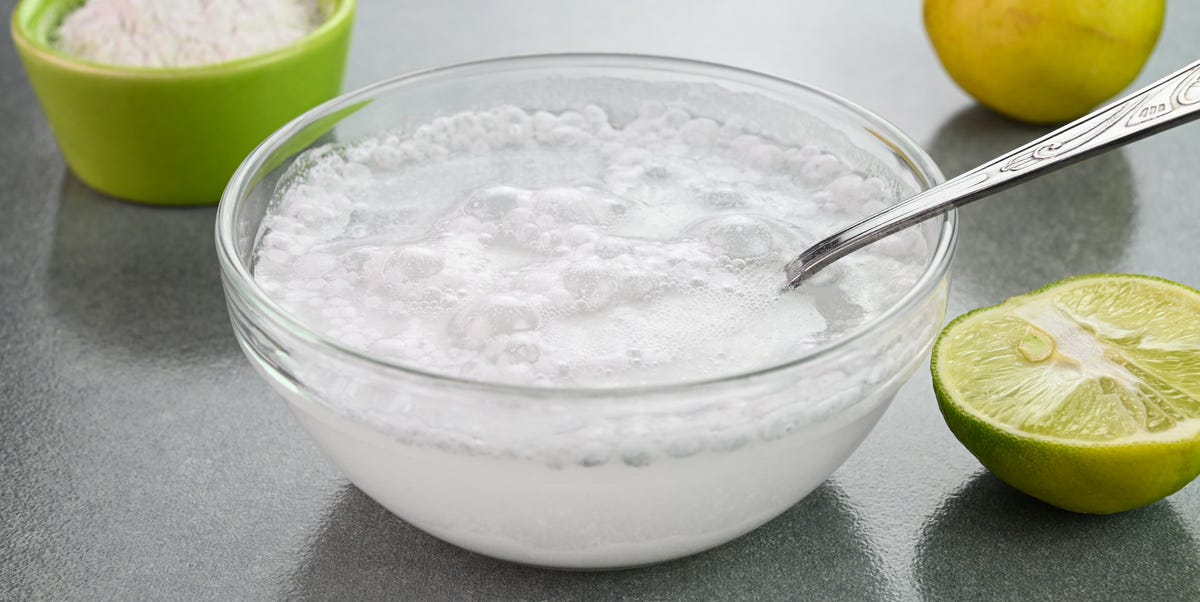
Bicarbonate of soda, better known in many American kitchens as baking soda, is the quiet overachiever of home cleaning. It is cheap, easy to store, and surprisingly useful for everything from deodorizing a funky fridge to rescuing a mug that looks like it has been through three hard winters and one office coffee apocalypse. It can scrub, freshen, and help loosen grime without making your house smell like a chemistry lab.
That said, bicarbonate of soda is not magic fairy dust. It is a mild abrasive, a deodorizer, and a solid helper for grease and everyday messes, but it will not replace every cleaner in your cabinet. It also is not the right choice for every surface. Used wisely, though, it can absolutely earn its keep. Below are 21 smart ways to clean with bicarbonate of soda, plus the safety tips and real-life know-how that make these tricks actually work.
Before You Start: The Smart Way to Use Bicarbonate of Soda
Before you go full superhero with the orange box, keep three simple rules in mind. First, always patch-test on a hidden area, especially on delicate or glossy finishes. Second, use a soft cloth, sponge, or brush. Bicarbonate of soda is gentle compared with harsher powders, but it still scrubs. Third, never mix it with bleach or disinfectants, and do not assume fizz equals deep cleaning. Sometimes a good soak and a boring sponge beat a bubbly science fair.
Also, skip bicarbonate of soda on surfaces that scratch easily or depend on a polished finish. Natural stone, mirrors, ceramic glass cooktops, waxed wood, leather, painted furniture, and some metals can all be safer with a gentler cleaner designed for that material.
21 Ways to Clean With Bicarbonate of Soda
Kitchen Cleaning Wins
1. Wipe Down Kitchen Counters and Small Appliances
For greasy counters, appliance fronts, and sticky spots near the coffee maker, mix bicarbonate of soda with warm water to create a simple wipe-down solution. It helps loosen dried splatters without leaving a harsh scent behind. This is especially handy in food-prep areas where you want clean surfaces, not a lemon-scented cloud that tastes like regret.
2. Clean the Inside of the Refrigerator
A mild bicarbonate of soda solution is a classic for the inside walls, shelves, and drawers of the fridge. It removes food smears and helps neutralize lingering odors without leaving behind a perfumed residue. That matters when your berries live two inches away from last night’s onion-heavy leftovers.
3. Deodorize the Fridge the Old-Fashioned Way
Once the fridge is actually clean, place an open box or vented container of bicarbonate of soda inside to absorb odors over time. The key word here is after. It helps with smell, but it is not a substitute for removing that suspicious container from the back shelf that has been “still good, probably” since February.
4. Freshen a Sink Drain
If your kitchen sink smells like it is hiding a tiny swamp creature, sprinkle bicarbonate of soda into the drain and flush with hot water. For a deeper refresh, you can use it with vinegar in sequence, then rinse thoroughly. The fizz is satisfying, the smell improves, and you get to feel wildly productive for under a dollar.
5. Clean and Deodorize the Garbage Disposal
Bicarbonate of soda is useful for disposals that smell like old salsa and bad choices. Sprinkle it in, follow with vinegar if needed, let it work briefly, and flush with hot water. This can help loosen leftover food particles and freshen the chamber without reaching for a stronger product right away.
6. Tackle Oven Grime With a Paste
For baked-on oven messes, make a paste with bicarbonate of soda and water and spread it over greasy interior surfaces. Let it sit, then scrub and wipe. This method works best when you give it time instead of attacking the oven like it personally insulted your casserole. Patience does a lot of the heavy lifting here.
7. Soak and Scrub Oven Racks
Oven racks collect grease like it is their side hustle. A soak in hot water with bicarbonate of soda can loosen grime so you can scrub them more easily. This is one of those jobs that feels annoying until you see the before-and-after difference and briefly consider filming a cleaning reel.
8. Rescue Burnt Pots and Pans
When cookware has scorched bits welded to the bottom, bicarbonate of soda can help break the deadlock. Use it as a paste or simmer it with water in the pan, depending on the material and manufacturer guidance. Then scrub gently. It will not erase every kitchen crime scene instantly, but it can make burnt cookware look much less dramatic.
9. Remove Coffee and Tea Stains From Mugs
Mugs collect tannin stains fast, especially if they are your emotional support mug and never really leave circulation. A little bicarbonate of soda on a damp sponge can lift those brown rings and bring the ceramic back to life. It is one of the easiest cleaning wins on this list.
10. Brighten a Stainless Steel Sink
If your stainless steel sink looks dull, sprinkle bicarbonate of soda on the basin and scrub with a soft damp cloth. Rinse well and dry for a cleaner finish. On stainless steel surfaces, gentleness matters. Think polish, not punishment.
11. Mop Tile Floors
For ceramic tile and grout, bicarbonate of soda can be mixed into warm water for a simple mop solution. It helps with greasy kitchen floor residue and everyday grime. Just rinse if needed so you do not leave powdery residue behind. No one wants a floor that looks clean but feels like a dusty saltine.
Bathroom Fixes
12. Brighten Dingy Grout
Grout responds well to a bicarbonate of soda paste and a little brush work. Apply it, let it sit briefly, then scrub. If the grout is especially grimy, this is one of the most satisfying uses because the lines often look visibly brighter almost right away.
13. Freshen the Toilet Bowl
Bicarbonate of soda works well in toilet bowls for light stains, odor, and weekly maintenance. Sprinkle it in, let it sit, scrub with a toilet brush, and flush. For many households, this is a budget-friendly way to keep the bowl fresh between heavier deep cleans.
14. Scrub Soap Scum From Tubs and Bathroom Sinks
Soap scum is clingy, dramatic, and weirdly proud of itself. A sprinkle of bicarbonate of soda on a damp sponge can help cut through buildup on many tubs, sinks, and tiles. Use a light hand, rinse thoroughly, and admire the shine like you totally enjoy cleaning bathrooms.
15. Spot-Clean Shower Doors
For cloudy shower door buildup, bicarbonate of soda can help with the final scrubbing stage after loosening grime. It is best for light to moderate residue rather than severe mineral scale. If the door has serious hard-water buildup, you may need a specialty product, but bicarbonate of soda is a great first stop for routine maintenance.
Laundry and Soft-Surface Helpers
16. Boost Your Laundry Detergent
Adding bicarbonate of soda to the wash can help with odor control, general freshness, and detergent performance. It is especially useful for gym clothes, towels, and loads that smell like they sat in the washer long enough to develop a personality. Check your washer manual and fabric care labels first.
17. Pretreat Stains Before Washing
For many everyday stains, a thick paste of bicarbonate of soda and water can be rubbed gently onto the spot before laundering. It is a solid trick for collars, underarm areas, and random mystery marks that appear on shirts as if by sorcery. Oil-based stains may do better with dry powder first, then your regular stain treatment.
18. Deodorize the Washer Drum
Even the machine that cleans your clothes needs cleaning. Running an empty cycle with bicarbonate of soda can help freshen the washer drum. This is a good habit if your laundry room has started to smell faintly like damp socks and broken ambition.
19. Freshen Carpets and Rugs
Sprinkle bicarbonate of soda over carpet, let it sit, then vacuum thoroughly. This works well for mild household odors and can be especially useful in high-traffic rooms. For stronger smells, longer sit times usually work better. Vacuum slowly, and do not rush the second pass. The difference is in the details.
20. Refresh a Mattress
Mattresses collect sweat, body oils, and stale odors with quiet determination. A light layer of bicarbonate of soda over the surface, followed by a short wait and a thorough vacuum, can make the bed smell fresher. It is a small effort that makes your bedroom feel noticeably cleaner.
21. Deodorize Sneakers and Gym Bags
Few household smells are as bold as a sealed gym bag after summer workouts. Sprinkle bicarbonate of soda into shoes or a fabric bag to help absorb odor, then shake or vacuum it out later. It is one of the easiest tricks on the list, and possibly the most socially valuable.
When Bicarbonate of Soda Works Best
The biggest strength of bicarbonate of soda is not that it does everything. It is that it does a lot of common cleaning jobs well enough, cheaply enough, and safely enough to become part of your routine. It shines with odors, light grease, food splatters, laundry funk, and everyday grime. It is especially useful when you want a cleaner with no heavy fragrance and no dramatic fumes.
It is less impressive when you expect it to behave like a heavy-duty disinfectant, mold remover, or miracle descaler. In those cases, specialized products or surface-specific cleaners may be the better call. In other words, bicarbonate of soda is a loyal utility player, not the entire cleaning team.
Common Mistakes to Avoid
The first mistake is scrubbing too aggressively. Because bicarbonate of soda feels soft in your hand, it is easy to forget it still has abrasive power. The second mistake is not rinsing enough. Residue can leave surfaces dull or chalky if you are not thorough. The third mistake is throwing it at every material in sight. Glass, stone, painted surfaces, and delicate finishes may disagree with your enthusiasm.
Another common mistake is treating the vinegar-and-bicarbonate combo like a universal deep-clean solution. It can be helpful for loosening certain messes and deodorizing drains, but it is not automatically stronger just because it foams like a middle-school volcano. The practical cleaning usually comes from the physical scrubbing and the right cleaner for the right surface.
Conclusion
If you want one low-cost cleaner that can handle a surprising number of household jobs, bicarbonate of soda deserves a permanent place in your cleaning lineup. It can freshen carpets, wake up tired laundry, cut through bathroom grime, help deodorize shoes, and make kitchen messes far less intimidating. Better yet, it does all of that without turning a quick tidy-up into a full hazmat event.
The smartest way to use it is with realistic expectations. Let it soak when needed, scrub gently, rinse well, and respect surface limitations. Do that, and this humble powder becomes less of a pantry extra and more of a cleaning staple you will reach for again and again.
Real-World Experiences With Cleaning Using Bicarbonate of Soda
One reason bicarbonate of soda remains so popular is that the experience of using it feels approachable. You do not need a long shopping list, special gloves, or a product label that reads like a chemistry exam. You open a box, add a little water, and get to work. For many people, that simplicity is half the appeal. The job feels less intimidating when the solution is already in the pantry.
In real homes, the biggest difference people notice is odor control. A room may not look dramatically different after using bicarbonate of soda on a rug, mattress, or trash can, but it often smells cleaner in a way that feels immediate and satisfying. That matters more than many people realize. A space that smells fresh usually feels cleaner, calmer, and more comfortable, even before every surface is perfect.
Another common experience is learning that wait time matters. People often try bicarbonate of soda once, scrub immediately, and decide it is overrated. Then they try again, let a paste sit on oven grime or a stained mug for a little while, and suddenly the result is much better. This is not a product that always rewards impatience. It is more of a slow-and-steady helper than a dramatic one-swipe miracle.
There is also a learning curve with texture. Too much water and the paste slides around like sad soup. Too little and it feels gritty enough to make you nervous. Most regular users eventually find a “just right” consistency for different jobs. Slightly thinner works well for wipe-downs and fridge walls. Thicker is better for grout, stovetop splatters, and stubborn cookware. Once you get a feel for that, the process becomes much easier.
People also tend to remember the first time bicarbonate of soda saves something they thought was beyond help. It might be a tea-stained mug, a musty pair of sneakers, or a sink that suddenly looks less tired. Those small wins build trust. You start reaching for it first not because it is trendy, but because it has earned a reputation in your house.
At the same time, experienced cleaners usually become more realistic about its limits. It is great for maintenance, freshening, and light scrubbing. It is not always enough for severe mineral scale, heavy grease buildup, or surfaces that need disinfecting. That honesty is part of why people keep using it. When bicarbonate of soda works, it works well. When it does not, it usually fails quietly rather than damaging a surface with fumes or harsh residue.
There is something satisfying about a cleaner that feels humble and dependable. It does not arrive with dramatic branding or promise to reinvent your entire life by Tuesday. It just shows up, handles odors, helps with grime, and costs very little. In a world full of overhyped household products, that kind of no-nonsense reliability is oddly refreshing. And yes, it is still a little thrilling when a cheap pantry staple makes a gross job easier. We are only human.