Note: This article is written for web publication in standard American English and is based on current 2026 spring forecast information from reputable U.S. weather, climate, gardening, and news sources.
Spring is the season when Americans collectively stare out the window and ask the same dramatic question: “Is it safe to put the tomatoes outside yet?” According to The Old Farmer’s Almanac’s spring weather predictions, the answer for 2026 is: maybe, but keep a jacket, an umbrella, and a little emotional flexibility nearby.
The Old Farmer’s Almanac, one of America’s most recognizable long-range weather publications, has released its spring outlook for April and May 2026. The big headline is fairly simple: much of the United States is expected to experience a warmer-than-normal spring, while many regions may also trend drier than average. That sounds like patio weather, right? Mostly. But spring has the personality of a cat near a glass of water, so there are important regional exceptions.
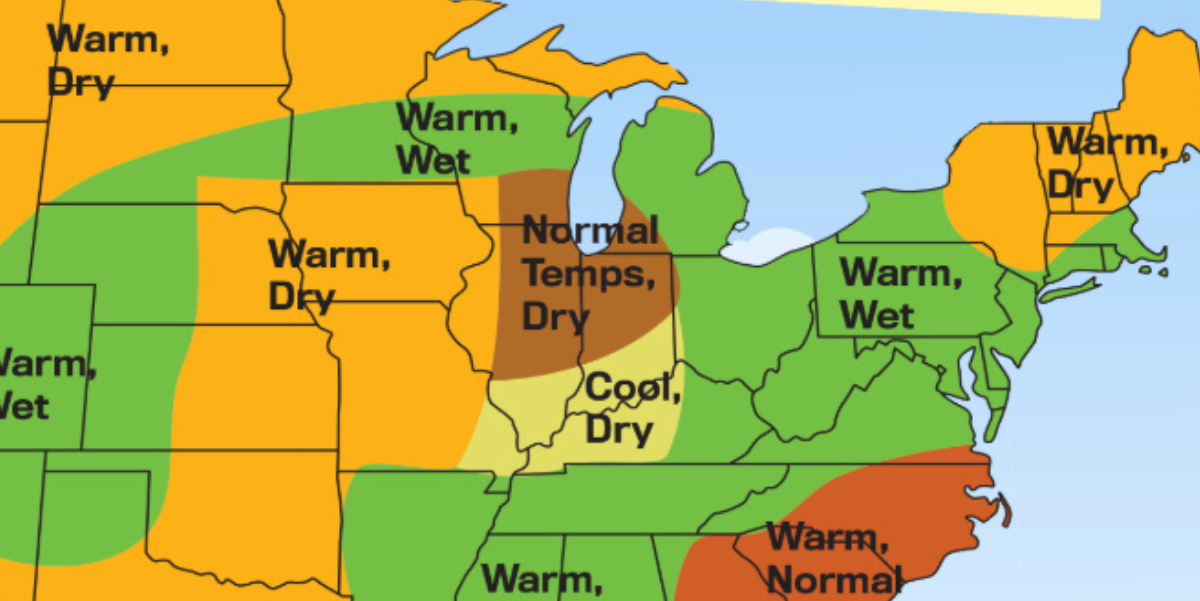
Some areas, including Texas-Oklahoma, the Upper Midwest, the High Plains, the northern Appalachians, parts of Alaska, and portions of the Intermountain West, are expected to see wetter conditions. Meanwhile, parts of Washington, Oregon, Idaho, Montana, and Colorado may stay closer to normal or even cooler than average. Translation: while some people are dragging out sandals, others may still be negotiating with fleece.
What The Old Farmer’s Almanac Predicts for Spring 2026
The Old Farmer’s Almanac divides the United States into 18 forecast regions, offering a broad look at temperature and precipitation trends for April and May. These are not day-by-day local forecasts. They are long-range seasonal outlooks, which means they are best used for planning trends rather than deciding whether to bring a poncho to soccer practice next Thursday.
A Warmer Spring for Much of the Country
The overall spring weather forecast points toward above-normal temperatures across a large share of the country. The Northeast and Atlantic Corridor are expected to warm up, especially by May. The Southeast and Florida also lean warmer, with April looking especially mild in many areas. The Deep South may start spring with a noticeable warm push, while Texas and Oklahoma could feel an early-season preview of summer.
That said, the forecast is not one big national heat lamp. The Pacific Northwest, parts of the northern Rockies, and sections of Colorado may see temperatures closer to seasonal averages or below normal. In those areas, spring could arrive like a guest who keeps texting, “Almost there,” while still 40 minutes away.
A Drier Pattern, With Several Wet Exceptions
Precipitation is where the map gets more interesting. Much of the nation is expected to trend drier than normal during spring 2026, especially in April. This matters for gardeners, farmers, wildfire watchers, and anyone who has ever tried to keep a lawn alive without turning the water bill into a horror story.
However, several regions are forecast to receive above-normal rainfall. The wettest exceptions include parts of Texas-Oklahoma, the Upper Midwest, the High Plains, the northern Appalachians, the Intermountain region, and Upper Alaska. For these areas, spring could bring more showers, more muddy shoes, and possibly more conversations that begin with, “Did you remember to close the windows?”
Regional Breakdown: What Spring May Feel Like Near You
Northeast and Atlantic Corridor
The Northeast is expected to be warmer than average overall, especially in May, with below-normal precipitation in both April and May. Significant snowfall is not expected in the Almanac’s broad seasonal outlook. For cities and towns from New England into the Mid-Atlantic, the pattern suggests a spring that may feel pleasant sooner than usual, though gardeners should still watch for cold snaps.
The Atlantic Corridor, stretching from the Boston area down toward Richmond, is also forecast to be warmer than usual. Rainfall may be below normal in April before returning closer to normal in May. That makes early spring a good time to monitor soil moisture, especially for newly planted shrubs, grass seed, and vegetable beds.
Appalachians, Southeast, and Florida
The Appalachians may see a slightly warmer spring, but rainfall could split by location. Northern areas may trend drier, while southern areas may receive more precipitation. This kind of split is common in spring, when storm tracks wobble and one county gets a soaking while the next county wonders why its rain barrel looks personally offended.
The Southeast is expected to run warmer than normal, with April leaning drier and May turning a little wetter. Florida may also start warmer and drier in April before returning closer to average temperatures and rainfall in May. That dry start matters because parts of the Southeast can face elevated fire risk when warmth, low humidity, and dry vegetation overlap.
Lower Lakes, Ohio Valley, and Upper Midwest
The Lower Lakes region is forecast to be warmer overall, with precipitation differences between western and eastern areas. The Ohio Valley may also experience a warmer spring, but rainfall could vary by state and subregion. In practical terms, spring chores may require some patience. One weekend may be perfect for mulching; the next may involve watching rainwater race down the driveway like it has somewhere important to be.
The Upper Midwest is one of the regions where wetter-than-normal spring conditions may appear. The eastern Dakotas, Minnesota, Wisconsin, and Michigan’s Upper Peninsula may see a mixed pattern, with some areas cooler and drier and others warmer and wetter. Late frost risk can remain a concern in northern locations, so tender plants should not be rushed outdoors just because one sunny afternoon got everyone emotionally carried away.
Texas-Oklahoma and the High Plains
Texas and Oklahoma are forecast to start spring quite warm in April before cooling somewhat in May, especially in northern areas. Rainfall may be above normal, and the broader outlook even highlights the possibility of a late-May tropical system. That does not mean a guaranteed tropical storm will arrive with luggage and a dramatic soundtrack. It means the pattern may support increased moisture and storm potential late in the season.
The High Plains may also lean warmer, particularly in April. Rainfall could be uneven, with wetter conditions in western areas and drier conditions in eastern zones. This region is especially sensitive to spring moisture because soil conditions can influence agriculture, wildfire danger, and how quickly summer heat starts flexing in the mirror.
Intermountain West and Pacific Northwest
The Intermountain region may see a split pattern, with cooler and wetter conditions in the north and warmer, drier weather farther south. That contrast is important because snowpack, runoff, drought, and spring temperature swings can all affect water supply and wildfire risk later in the year.
The Pacific Northwest is one of the places where spring may not follow the national warm-and-dry theme as closely. Parts of Washington, Oregon, Idaho, Montana, and Colorado may stay closer to normal or cooler than average. If you live there, spring may continue wearing a hoodie while the rest of the country starts flirting with short sleeves.
Alaska and Hawaii
Alaska often refuses to fit neatly into Lower 48 weather stories, and spring 2026 is no exception. Upper Alaska is among the regions where wetter-than-normal weather is expected. Hawaii, meanwhile, is forecast to be warmer than usual overall, with rainfall varying by location. Eastern areas may trend drier, while central and western sections may see more rainfall.
How Reliable Are Long-Range Spring Weather Predictions?
The Old Farmer’s Almanac is famous for its long-range weather forecasts, but it is important to understand what these predictions can and cannot do. Seasonal forecasts are useful for spotting broad trends, such as whether a region may be warmer, cooler, wetter, or drier than normal. They are not designed to replace local National Weather Service forecasts, severe weather alerts, or short-term radar updates.
The Almanac says its approach draws from solar science, climatology, and meteorology. Modern weather agencies such as NOAA and the Climate Prediction Center use climate models, ocean temperature data, soil moisture, snowpack, atmospheric patterns, and historical trends. When these sources point in similar directions, confidence can increase. When they disagree, smart readers should treat the forecast like a group chat: useful, but not always perfectly organized.
NOAA Climate Context: Why This Spring Matters
The broader climate background makes the 2026 spring forecast especially important. NOAA climate data showed that March 2026 was exceptionally warm across the contiguous United States, and the first three months of the year were notably dry. Drought expanded across much of the country during early spring, creating concerns for water supply, agriculture, and wildfire risk in several regions.
The Climate Prediction Center also reported ENSO-neutral conditions in early spring, with El Niño becoming more likely later in 2026. ENSO, short for El Niño-Southern Oscillation, can influence temperature and precipitation patterns across the United States, though its effects vary by season and region. In plain English: the Pacific Ocean may be quietly rearranging the weather furniture.
This is why spring weather predictions matter beyond picnic planning. A warmer, drier spring can speed up plant growth, increase irrigation needs, and raise fire danger. A wetter spring can help recharge soil moisture, but it can also bring flooding, fungal plant diseases, and delays for planting or construction projects.
What Gardeners Should Do With the Spring Forecast
Gardeners may be the most emotionally invested audience for The Old Farmer’s Almanac spring weather forecast. A warm spring whispers, “Plant early.” A late frost replies, “Absolutely not.” The best approach is to use the seasonal outlook as a planning tool while still checking local frost dates and short-term forecasts.
For Warmer and Drier Regions
If your area is forecast to be warmer and drier than normal, focus on moisture management. Add mulch around vegetables, shrubs, and flower beds to reduce evaporation. Water deeply rather than lightly, so roots grow downward instead of loitering near the surface. Consider drought-tolerant native plants if you are redesigning landscaping.
Early warmth can also wake up pests sooner than expected. Aphids, beetles, ticks, and other spring nuisances may become active earlier in mild conditions. Gardeners should inspect plants regularly instead of waiting until the leaves look like they have been through a tiny insect buffet line.
For Wetter Regions
If your region is expected to be wetter than normal, drainage becomes the star of the show. Raised beds, compost-rich soil, and proper spacing between plants can help reduce soggy roots and fungal problems. Avoid working soil when it is too wet, because compacted soil can become hard and unfriendly once it dries.
Wet spring weather can be good news for lawns, trees, and reservoirs, but too much rain at the wrong time can delay planting. Keep backup dates for outdoor projects, weddings, sports events, and backyard barbecues. Spring does not care about your spreadsheet.
What Homeowners and Travelers Should Watch
For homeowners, a warmer spring may mean earlier air-conditioning checks, earlier lawn growth, and a quicker start to outdoor maintenance. In dry areas, inspect hoses, irrigation systems, gutters, and outdoor faucets before heat increases water demand. In wetter regions, check drainage, sump pumps, roof flashing, and basement moisture.
Travelers should treat the spring outlook as a guide, not a guarantee. A drier-than-average forecast does not mean every weekend will be sunny. A wetter-than-average forecast does not mean your vacation is doomed to become a documentary about socks that never dried. Use long-range predictions for destination planning, then rely on local forecasts as your trip gets closer.
How to Use The Old Farmer’s Almanac Without Overthinking It
The smartest way to use the Almanac is to combine it with other tools. Use the spring prediction to understand the seasonal mood. Use NOAA and local National Weather Service outlooks for climate and hazard context. Use short-term forecasts for daily decisions. Use common sense when the sky turns greenish-gray and your patio umbrella attempts to relocate to another ZIP code.
For example, if the Almanac says your region may be warmer and drier, you might choose drought-tolerant flowers, schedule irrigation repairs early, or plan a camping trip with lower expectations for rain. If your region is expected to be wetter, you might delay planting, improve drainage, or keep extra indoor plans for outdoor events.
Experiences Related to The Old Farmer’s Almanac’s Spring Weather Predictions
Anyone who has followed spring weather predictions for more than one season knows they work best when treated like a wise neighbor, not a magic crystal ball. The Old Farmer’s Almanac can give you a useful seasonal heads-up, but spring still enjoys improvising. One year, the forecast may suggest warmth, and suddenly your town gets a chilly April morning that makes the daffodils look like they are questioning their career choices.
A common experience among gardeners is the classic “false spring.” The sun comes out, the temperature climbs, and every hardware store suddenly smells like potting soil and optimism. People buy tomato starts, basil, peppers, and flowers. Then, two weeks later, a frost advisory appears. That is when the neighborhood becomes a parade of bedsheets, buckets, and people whispering encouragement to seedlings like tiny green athletes.
For homeowners, the Almanac’s spring predictions can be surprisingly helpful for timing chores. A warmer, drier outlook may encourage people to clean gutters, service air conditioners, reseed thin lawn patches, and refresh mulch earlier than usual. In a wetter region, the same homeowner might focus on drainage, roof inspections, and making sure the basement does not become an indoor pond with storage boxes.
Travelers also use spring weather predictions in practical ways. A family planning a road trip through the Southeast may look at a warmer, somewhat drier April and decide to schedule hiking, beach time, or outdoor festivals earlier. Someone heading toward the northern Rockies or Pacific Northwest may pack layers, waterproof shoes, and the emotional strength to accept four seasons in one afternoon.
Farmers and small growers often pay even closer attention. Spring warmth can speed up soil temperature, but dry weather can limit germination. Rain can recharge fields, but too much can delay equipment work. Long-range predictions help set expectations, order supplies, and prepare backup plans. No forecast plants the field for you, but a good seasonal outlook can help you avoid being surprised by the obvious.
The best personal experience with the Almanac is using it as part of a bigger weather routine. Check the seasonal forecast first. Compare it with NOAA outlooks. Watch local meteorologists. Pay attention to your own yard, because your soil, shade, wind, and elevation matter. The backyard knows things the regional map cannot always see.
In the end, spring weather predictions are not about controlling the season. They are about being less surprised when spring acts like spring: warm one day, chilly the next, sunny at breakfast, stormy by dinner, and somehow still beautiful enough to make everyone forgive it.
Final Thoughts
The Old Farmer’s Almanac’s spring weather predictions suggest that 2026 may bring a warmer-than-normal season for much of the United States, with many areas also leaning drier than average. Still, regional exceptions matter. Texas-Oklahoma, the Upper Midwest, the High Plains, the northern Appalachians, Upper Alaska, and parts of the Intermountain West may see wetter conditions, while portions of the Pacific Northwest and Rockies may stay cooler or closer to normal.
For gardeners, homeowners, farmers, and travelers, the forecast is useful because it encourages preparation. Mulch early in dry areas. Improve drainage in wet zones. Watch frost dates. Follow local weather alerts. And remember: spring is not a spreadsheet. It is a season with muddy boots, blooming trees, surprise cold fronts, and at least one weekend when everyone says, “Well, that wasn’t in the forecast.”