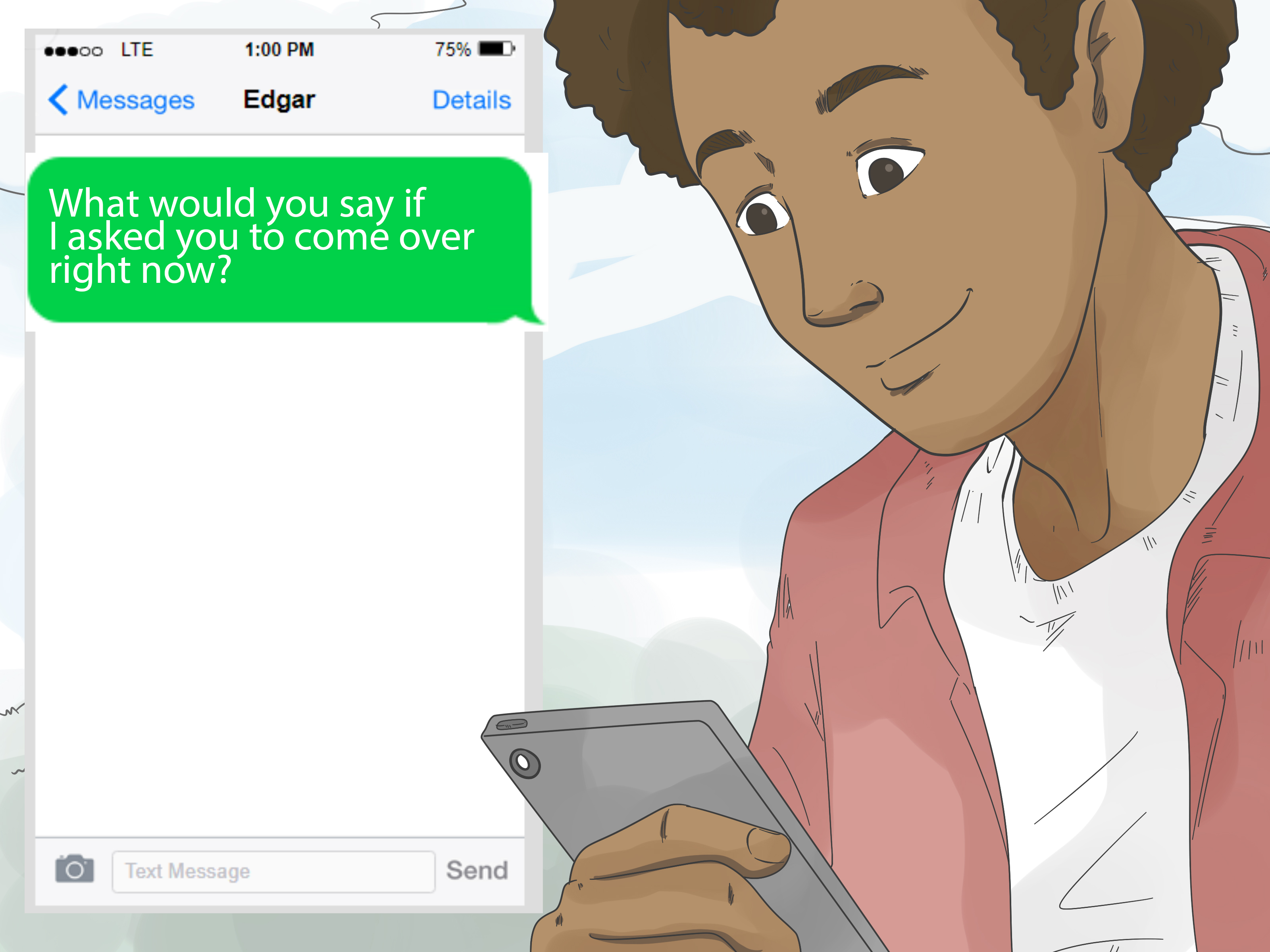
Showing affection over the phone can feel a little unfair. In person, you have hugs, eye contact, shared snacks, and the powerful romantic gesture of handing someone the better slice of pizza. On a phone call, you have your voice, your attention, and possibly a suspiciously unstable internet connection.
Fortunately, emotional closeness does not depend on being in the same room. A thoughtful call can reassure a long-distance partner, comfort a family member, strengthen a friendship, or simply remind someone that they matter. Research-based relationship guidance consistently emphasizes responsive communication, active listening, gratitude, emotional safety, and small bids for connection. Technology can support intimacy when it is used intentionally rather than becoming another source of distraction or misunderstanding.
The goal is not to perform affection like a contestant in a televised romance competition. It is to make the other person feel seen, heard, appreciated, and safe. Here are 11 practical ways to show affection over the phone without sounding scripted, clingy, or as if you swallowed a greeting card.
1. Give the Conversation Your Full Attention
The simplest way to show affection over the phone is also one of the most powerful: be fully present. Stop scrolling, mute the television, and avoid answering work messages while the other person is talking. Multitasking may seem efficient, but it often produces the conversational equivalent of nodding at the wrong funeral.
Focused attention communicates, “You are important enough for me to pause.” That message matters even during a five-minute call. Active listening involves more than remaining silent; it means following the speaker’s meaning, noticing emotional cues, asking relevant questions, and responding thoughtfully. It helps people feel understood and can build trust and empathy.
Try this
Say, “I have about 15 minutes, and I want to focus completely on you.” A clear time boundary is warmer than pretending to listen while wrestling with three other tasks.
2. Use Specific Words of Appreciation
Generic affection is pleasant. Specific affection is memorable. Instead of saying only, “You’re amazing,” explain what you appreciate: “I love how you checked on your sister after her interview,” or “You always make stressful days feel manageable.”
Specific praise shows that you notice character, effort, and everyday behavior. It also keeps compliments from sounding like copy-and-paste romance. Expressing gratitude can support relationship satisfaction because it acknowledges what the other person contributes and reinforces a sense of mutual care.
Try this
Complete the sentence, “One thing I appreciated about you today was…” Then give a real example. Evidence beats dramatic adjectives every time.
3. Ask Questions That Invite Real Answers
“How was your day?” is useful, but it often receives the conversationally nutritious answer, “Fine.” Show affection by asking questions that make room for feelings, stories, and details.
Try asking, “What was the best part of your day?” “What drained your energy?” “Did anything make you laugh?” or “What are you looking forward to tomorrow?” These questions communicate curiosity rather than routine politeness.
Do not turn the call into an interrogation. The aim is connection, not a witness statement. Follow the emotional thread of the answer and let the conversation breathe.
Try this
When the person mentions something important, return to it later: “You said the meeting made you nervous. How did it go?” Remembering details is affection with a filing system.
4. Listen for Feelings, Not Just Facts
Someone may say, “My manager changed the deadline again,” but the deeper message could be, “I feel overwhelmed and unsupported.” Affectionate listening hears both layers.
Instead of immediately offering solutions, reflect what you hear: “That sounds frustrating,” “You seem disappointed,” or “I can understand why that would hurt.” Empathy does not require agreeing with every conclusion. It requires taking the person’s emotional experience seriously.
Healthy communication guidance often recommends listening to understand rather than listening merely to respond or fix. Feeling heard can be more comforting than receiving a surprise seven-step action plan before the speaker has finished sentence two.
Try this
Ask, “Do you want advice, help brainstorming, or just someone to listen?” This tiny question prevents many well-intended conversational disasters.
5. Create Small Phone Rituals
Affection becomes especially reassuring when it is predictable. A good-morning call, a lunchtime voice note, or a five-minute bedtime check-in can become a comforting relationship ritual.
The ritual does not need to be long. Consistency matters more than producing a nightly podcast. Couples and loved ones separated by distance often benefit from regular check-ins, shared routines, and intentional communication because these practices create continuity between visits.
Keep the routine flexible enough to survive real life. Missing one call should not trigger an emotional emergency broadcast. A ritual is meant to support connection, not become a loyalty test.
Try this
Choose one repeatable moment: a Monday encouragement call, a Friday “best thing this week” conversation, or a quick goodnight message.
6. Send a Voice Message with Personality
A voice note carries tone, laughter, pauses, and warmth that plain text can lose. It is ideal when schedules do not match or when you want to send affection without demanding an immediate response.
Keep it natural. Tell a short story, share a private joke, sing one hilariously imperfect line of a song, or say why you are thinking about the person. A 30-second message can feel more intimate than 20 texts that mostly consist of “lol,” “same,” and mysterious punctuation.
Because text can be misread, especially during emotional conversations, voice or video may provide helpful context through tone and expression. Texting can strengthen closeness, but excessive or poorly timed digital communication can also create tension.
Try this
Say, “No need to reply right away. I just wanted you to hear that I’m proud of you.” Removing response pressure makes the gesture feel generous rather than transactional.
7. Share Ordinary Moments
Affection is not limited to dramatic declarations. Invite the person into the small, ordinary parts of your life: the terrible coffee you bought, the dog you saw wearing rain boots, the song playing in the grocery store, or the tiny victory of finally folding the laundry before it became a chair-based ecosystem.
These details create a sense of shared daily life. They say, “You are part of my world even when you are not physically here.” This can be especially meaningful in long-distance relationships, during travel, or when busy schedules reduce face-to-face time.
Try this
Call while taking a familiar walk or preparing dinner and describe what is happening. Better yet, cook the same simple meal while talking and compare results. One person will inevitably claim the smoke alarm is “just being supportive.”
8. Offer Encouragement Before Important Moments
A well-timed call can become emotional backup. Reach out before an interview, exam, medical appointment, presentation, family gathering, or other stressful event.
Effective encouragement is realistic and personal. Avoid promising that everything will be perfect. Instead, remind the person of qualities they can rely on: preparation, courage, patience, humor, or experience.
Try this
Say, “You have prepared carefully, and you know this material. Take one breath at a time. I’m in your corner.” Afterward, follow up. Remembering the event matters almost as much as the pep talk.
9. Flirt in a Way That Fits the Relationship
Romantic affection over the phone can be playful, sweet, or gently suggestive, depending on the relationship and everyone’s comfort level. Compliment your partner’s voice, recall a favorite date, tease them kindly, or describe what you look forward to doing together.
Consent and timing are essential. A flirtatious message that delights someone at home may be deeply inconvenient while they are presenting quarterly earnings to 40 coworkers. Ask what kinds of messages feel fun and what should remain private.
Affection should never be used to pressure, monitor, manipulate, or demand sexual content. Genuine intimacy respects boundaries and allows either person to say “not now” without punishment.
Try this
Send a simple message first: “Are you somewhere I can be a little flirty?” It is direct, respectful, and much safer than launching surprise poetry during a staff meeting.
10. Plan a Phone Date
A phone date adds intention to a regular call. Choose an activity you can enjoy together: watch the same movie, play a question game, take separate walks, order similar food, tour a museum virtually, or listen to an album and discuss favorite tracks.
The key is to treat the time as a date rather than background noise. Agree on a start time, reduce interruptions, and bring a little creativity. Emotional connection often grows through shared positive experiences, not only through serious conversations about schedules, bills, and whose turn it is to remember the password.
Try this
Create a “three-course phone date”: a funny question, a meaningful question, and one plan for the future. For example: “What useless superpower would you choose?” “What made you feel cared for this week?” and “Where should we go next month?”
11. End the Call with Warmth and Clarity
The ending of a call leaves an emotional aftertaste. Do not vanish with a rushed “Okay, bye” while the other person is still mid-thought. Close with attention.
Summarize something meaningful, express appreciation, and say when you expect to reconnect. You might say, “I’m glad you told me what happened,” “I loved hearing your voice,” or “I’ll call after work tomorrow.” Clear expectations can reduce unnecessary uncertainty, especially for people who feel anxious when communication suddenly drops.
Small responses to bids for connection help relationships feel emotionally secure. Turning toward a loved one’s request for attentioneven in a brief closing momentcan communicate reliability and care.
Try this
Develop a sign-off that feels like yours: a private phrase, a tiny joke, or a sincere “I love you.” It does not need to be original enough for a movie. It only needs to be true.
How to Make Phone Affection Feel Natural
The best way to show affection over the phone depends on the person receiving it. One person may adore long conversations; another may feel loved by a 20-second check-in. Some people enjoy frequent texts but dislike surprise calls. Others want to hear a voice because typed messages feel emotionally flat.
Talk openly about preferences. Ask, “What kind of contact makes you feel close?” “When do calls feel supportive rather than distracting?” and “Would you rather receive encouragement, jokes, voice notes, or practical help?” Affection becomes more effective when it is personalized instead of delivered according to a universal romance instruction manual that does not exist.
Also, pay attention to reciprocity. Healthy phone communication should not require one person to be constantly available or responsible for regulating the other person’s emotions. Caring contact includes respect for work, sleep, privacy, friendships, and independent time.
Real-World Experiences: What People Commonly Learn About Phone Affection
Experiences with phone affection often reveal that small gestures matter more than elaborate ones. The following are composite, realistic examples based on common relationship patterns rather than claims of personal firsthand experience.
Consistency Usually Beats Intensity
Consider a couple living in different cities for six months. At first, they attempt two-hour video calls every night. The schedule quickly becomes exhausting. One partner begins to dread the calls, then feels guilty for dreading them, which is not exactly the romantic trilogy anyone ordered.
They replace the marathon sessions with a ten-minute morning call, two longer conversations each week, and occasional voice notes. The result feels warmer because both people can be present instead of depleted. The lesson is simple: affection is easier to trust when it is sustainable.
Remembered Details Feel Deeply Personal
A friend casually mentions on Tuesday that her father has an appointment on Friday. A Friday afternoon call asking, “How did your dad’s appointment go?” may mean more than a dramatic speech about friendship. Remembering shows that the earlier conversation was not disposable.
This habit can transform ordinary calls. Write down important dates when necessarynot because affection should be managed like inventory, but because human memory is imperfect and calendars are cheaper than apologizing for forgetting a major event.
Listening May Be the Most Affectionate Response
Imagine someone calling after a difficult day and hearing, “Here’s what you need to do.” The advice might be excellent, yet the caller feels more alone because no one acknowledged the frustration. On another day, the listener says, “That sounds exhausting. Tell me what happened next.” The problem remains, but the emotional burden feels lighter.
Many people discover that support is not always a repair job. Sometimes affection means staying with the story long enough for the speaker to understand their own feelings.
Humor Can Restore ClosenessWhen It Is Kind
Inside jokes can make distance feel smaller. A silly nickname, a recurring imitation, or a deliberately terrible song can turn a routine call into a shared emotional space. Humor works best when it includes both people rather than making one person the target.
During conflict, jokes require care. Humor should lower tension, not dodge accountability. “I hurt you, but look at this meme” is not conflict resolution; it is emotional confetti thrown at a leaking pipe.
Boundaries Make Affection Safer
One person may interpret frequent calling as devotion, while another experiences it as pressure. Couples and friends often improve their communication after discussing practical expectations: when calls are welcome, how quickly texts need replies, which topics should not be discussed by text, and what “I need quiet time” means.
A boundary does not reduce affection. It gives affection a shape that both people can enjoy. A message such as “I’m heading into work and may not answer for four hours, but I’ll call tonight” combines independence with reassurance.
Repair Matters More Than Perfect Technique
Phone conversations occasionally go wrong. Tone is misread. A call drops during the worst possible sentence. Someone says “whatever” when they mean “I’m overwhelmed,” and suddenly two adults are conducting an international summit about a single word.
Strong relationships are not built by avoiding every mistake. They grow when people repair mistakes with honesty: “I sounded dismissive earlier. I’m sorry. What you said mattered, and I want to understand it.” A sincere repair can become an act of affection because it protects the relationship without pretending nothing happened.
Conclusion
Learning how to show affection over the phone is less about finding perfect romantic lines and more about practicing attention. Listen closely. Ask better questions. Offer specific appreciation. Share ordinary life. Encourage important moments. Flirt respectfully. Create rituals that fit both people, and end calls in a way that leaves warmth rather than confusion.
A phone cannot replace every hug, shared meal, or quiet moment together. Still, it can carry something essential: the steady message that another person is remembered, valued, and emotionally accompanied. When affection is sincere, specific, and respectful, even a short call can make distance feel considerably smaller.
Note: Affection should always respect consent, privacy, emotional boundaries, and the other person’s preferred communication style.