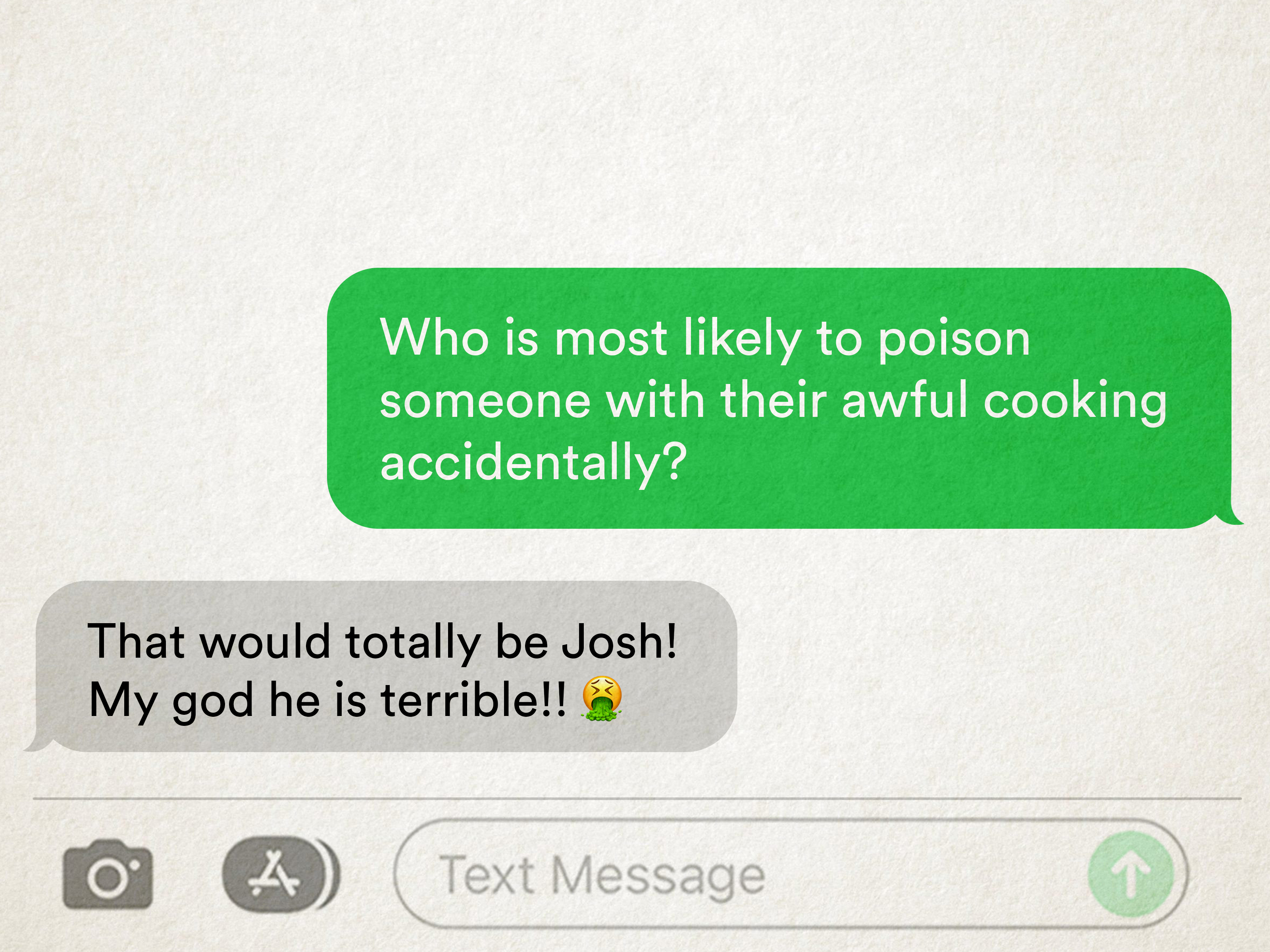
Texting can connect two people across a city, across time zones, or across the terrifying social distance between “Hey” and an actual personality. It can also turn a promising conversation into a digital waiting room filled with one-word replies, mysterious punctuation, and the dreaded thumbs-up reaction.
The good news is that an interesting text conversation does not require you to perform like a late-night host. It requires curiosity, balanced sharing, thoughtful responses, and enough personality to make the exchange feel human. Texting is one of the most common ways friends and romantic partners stay connected, but the absence of facial expressions and vocal tone means your words must carry more of the emotional load.
Whether you are texting a new friend, a crush, a partner, or someone you have known since flip phones were cool, these 19 tips will help you keep the conversation moving without turning it into an interview, a monologue, or an unpaid customer-service chat.
What Makes a Text Conversation Interesting?
A good conversation has movement. One person offers a question, opinion, joke, observation, or short story. The other person responds to it while adding a new opening. The exchange feels mutual rather than forced.
Communication researchers and relationship experts frequently emphasize open-ended questions, attentive follow-ups, empathy, listening, and genuine curiosity. These behaviors encourage people to elaborate instead of shutting down with a polite but conversation-ending “Yeah.”
In text, listening means reading carefully, remembering details, and replying to what was actually said. If someone writes, “My presentation went well, but I nearly missed the train,” and you answer only, “Nice,” you have ignored the miniature action movie hidden in the second half of the message.
19 Tips for Having a Fun Conversation Via Text
1. Open With Something More Specific Than “Hey”
There is nothing technically wrong with “Hey.” It is simply a conversational paper plate: functional, plain, and unlikely to create excitement by itself.
Give the other person something easy to react to:
Example: “I just saw a dog wearing yellow rain boots, and it looked more prepared for Monday than I am. How is your day going?”
A specific opener creates a scene, shows personality, and includes a question. That is already more useful than tossing “What’s up?” into the chat and hoping it develops hobbies.
2. Ask Open-Ended Questions
Questions that can be answered with “yes,” “no,” or “fine” often receive exactly that amount of effort. Ask questions that invite a story, opinion, memory, or explanation.
Instead of “Did you like the movie?” ask, “What part of the movie stayed with you?” Instead of “Was work busy?” ask, “What was the most ridiculous part of your workday?”
Open-ended questions give the recipient freedom to decide what to share and naturally produce more conversational material.
3. Remember Details From Earlier Chats
Remembering a small detail makes your message feel personal. Ask how the interview went, whether the new recipe worked, or if their rebellious houseplant survived the weekend.
Example: “Did your presentation go smoothly, or did the projector choose violence?”
This shows that their previous messages did not disappear into the void immediately after you replied.
4. Ask Relevant Follow-Up Questions
A strong follow-up question grows naturally from what the person just said. If they mention learning to cook, ask which dish they are proudest of. If they want to travel, ask which destination excites them and why.
Follow-ups create depth. Constantly jumping to unrelated subjects makes a conversation feel like a questionnaire assembled by a nervous robot.
5. Share Your Own Answer
Curiosity is attractive. Interrogation is not. When you ask a question, offer your own answer when it fits.
Example: “What small purchase has made your life surprisingly better? Mine is a ten-foot phone charger. I now live like royalty.”
A balanced rhythm of asking, sharing, reacting, and continuing helps both people feel involved. Research on digital communication has also linked appropriate self-disclosure with intimacy and communication quality in established relationships.
6. Match the General Energy
You do not need to imitate the other person, but notice their pace and level of effort. If they send thoughtful paragraphs, repeated one-word replies may feel dismissive. If they prefer brief, playful messages, a twelve-part essay about your lunch could feel like assigned reading.
Aim for compatible effort rather than identical response times. This is a conversation, not an Olympic event judged by typing speed.
7. Use Playful Hypothetical Questions
“Would you rather” questions are useful because there is no pressure to produce a perfect answer. Make them creative and relevant to the person’s interests.
Example: “Would you rather have free flights forever but only middle seats, or free hotels forever but every room contains one mildly haunted lamp?”
The best hypothetical questions lead to explanations, teasing, and new questions instead of producing a single-word choice.
8. Bring Back Inside Jokes
Callbacks turn shared history into social glue. Mention the disastrous recipe, the running joke about their alarm clock, or the nickname you gave an overly confident neighborhood squirrel.
Use inside jokes occasionally. One callback feels warm and personal. Ten callbacks can make the conversation sound like a sitcom desperately trying to renew itself.
9. Tell Short Stories Instead of Giving Reports
“I went to the store” is information. “I went to the store for toothpaste and watched two strangers passionately debate whether a watermelon was emotionally ready to be purchased” is a story.
A good text story needs only three elements: a quick setup, one memorable detail, and your reaction. Keep it short enough that the recipient can respond without needing a bookmark.
10. Make Ordinary Moments Interactive
You do not need a dramatic life to send interesting texts. Invite the other person into an everyday choice or opinion.
Example: “Help me settle this: Is breakfast for dinner comforting, or is it evidence that society has collapsed?”
Ask for a song recommendation, send two outfit options, compare snack rankings, or let them choose what you cook. Participation creates more connection than a stream of status updates.
11. Use Photos, GIFs, Voice Notes, and Memes Wisely
Media can add emotion and variety. Send a photo of the strange sign you saw, a voice note when your story needs dramatic sound effects, or a GIF that captures your reaction better than words.
Use media to support the conversation, not replace it. Ten unrelated memes in a row can feel less like bonding and more like someone emptied a digital junk drawer into the chat.
12. Use Emojis to Clarify Tone
An emoji can signal warmth, excitement, affection, or playful sarcasm when plain words might appear flat. Research has found that including emojis can increase perceptions of responsiveness in text messages, potentially supporting feelings of closeness.
Context still matters. One laughing face may clarify a joke. Seven flames, three moons, and a shrimp may require an archaeological team.
13. Write Clearly Enough to Sound Sincere
Abbreviations are convenient, but excessive shorthand can make a thoughtful message look rushed. Research reported by the American Psychological Association found that messages containing abbreviations may sometimes be perceived as less sincere.
You do not need formal grammar in every casual message. Just avoid compressing every emotion into “idk lol.” When the message matters, give it enough words to sound like you mean it.
14. Give Specific, Genuine Compliments
Specific compliments feel believable because they focus on something you have actually noticed.
Instead of “You’re amazing,” try, “I like how you make complicated subjects easy to understand,” or “You always notice the funniest detail in a story.”
Compliment humor, kindness, effort, creativity, taste, perspective, or confidencenot only appearance. Then let the compliment breathe rather than immediately demanding one in return like a waiter presenting a payment terminal.
15. Avoid Repeated One-Word Replies
Sometimes “cool” is enough. Repeatedly answering with “nice,” “same,” “wow,” or “okay” signals that the other person must perform all the conversational labor.
Use a simple formula:
Reaction + detail + question
Example: “That sounds exhausting. I would have needed three coffees. What happened after the meeting?”
This takes only a few extra seconds but gives the other person a clear path forward.
16. Break Up Long Messages
Long messages can be wonderful when the topic deserves them. However, divide them into readable paragraphs and give the recipient a clear place to respond. One enormous block can make a casual chat resemble a legal notice.
For a complicated story, send a short setup first: “I have a ridiculous story from today. Do you currently have the emotional capacity for nonsense?”
That invitation adds humor while respecting the other person’s attention.
17. Clarify Ambiguous Jokes and Tone
Texting removes facial expressions and vocal cues, so sarcasm can accidentally sound like criticism. When a joke could be misread, add context:
“I’m teasing.”
“That sounded warmer in my head.”
“No pressureI genuinely mean that.”
If a message seems unusually cold, ask before assuming: “I may be reading the tone wrong. Are we okay?” Texting can support connection, but it can also magnify uncertainty when people try to decode missing context.
18. Respect Pauses and Different Texting Styles
A delayed reply is not automatically rejection, anger, or evidence that someone has joined a monastery. People work, sleep, drive, care for family, lose track of notifications, and occasionally leave their phones under couch cushions.
In close relationships, discuss expectations. Do you enjoy daily check-ins? Are work hours usually unavailable? Would a quick “Busy now, reply later” be helpful?
Clear boundaries reduce pressure and prevent people from inventing dramatic explanations for ordinary silence.
19. Know When to Call or Meet in Person
Texting is excellent for jokes, updates, planning, flirtation, and low-pressure connection. It is often a poor tool for layered conflicts, major relationship decisions, sensitive criticism, or discussions where tone is essential.
Example: “I care about getting this right, and text may make it harder. Can we talk tonight?”
Changing the communication method is not a failure. Text can open the door, but sometimes a voice or face-to-face conversation is the room you actually need.
Interesting Text Conversation Starters
- “What topic could you give a 20-minute presentation on with no preparation?”
- “What is the funniest thing you believed as a child?”
- “Which fictional home would you move into immediately?”
- “What song has been following you around lately?”
- “What tiny inconvenience turns you into a dramatic Victorian ghost?”
- “What ordinary skill are you strangely proud of?”
- “What is something you are looking forward to that most people do not know about?”
Choose prompts that suit the relationship. A playful question may work well with a new friend, while a personal question is usually better after trust has developed. Interesting does not have to mean intensely intimate.
Realistic Experiences: How Better Texting Changes a Conversation
Note: The following scenarios are composite examples created to demonstrate how these texting techniques work in everyday situations.
Experience 1: Replacing a Flat Opening
Alex wants to text a new coworker after they briefly discussed movies. The first draft is, “Hey, what’s up?” It is harmless, but it gives the recipient no reason to choose this chat over laundry, streaming, or staring peacefully at a wall.
Alex changes it to: “You mentioned that you love terrible disaster movies. I just watched one where the moon behaved like an angry bowling ball. What is your favorite movie that is bad in the best possible way?”
The revised message works because it remembers a detail, introduces humor, and asks for an opinion. The coworker responds with a movie title and a story about watching it every year with siblings. Alex now has several natural follow-ups involving family traditions, favorite scenes, or other wonderfully terrible movies.
One specific opener creates an entire conversational map.
Experience 2: Escaping Dating-App Interview Mode
Jordan and Casey have exchanged the standard questions: Where are you from? What do you do? Do you have siblings? The chat is beginning to feel like paperwork with profile pictures.
Jordan asks, “What does your ideal Sunday look like?” Casey replies, “Coffee, a bookstore, and cooking something ambitious.”
Instead of firing another unrelated question, Jordan responds: “That is a strong Sunday. Mine includes coffee too, but my ambitious cooking usually ends with smoke-alarm applause. What is your signature dish?”
This message reacts, shares, jokes, and follows up. Casey is no longer carrying the conversation alone, and Jordan sounds like a person rather than a form requesting biographical data. The exchange becomes warmer because both people reveal personality at the same time.
Experience 3: Handling a Delayed Reply Calmly
Sam sends a friend a question and receives no answer for most of the day. The anxious impulse is to send “Hello?” followed by “Did I do something?” and perhaps a third message containing suspicious punctuation.
Instead, Sam waits. That evening, the friend explains that work was chaotic. Sam replies, “No worries. I figured life had kidnapped you. How did the chaos end?”
The conversation continues without turning a normal delay into an emotional emergency.
Later, because they text frequently, they discuss expectations. The friend explains that daytime replies are inconsistent, while Sam says a brief acknowledgment is useful when plans are time-sensitive. That small boundary conversation prevents future misunderstandings more effectively than guessing at hidden meanings.
Experience 4: Moving a Sensitive Topic Out of Text
Taylor receives a short message from a partner: “Fine. Do whatever you want.” The sentence could mean anger, exhaustion, sarcasm, or genuine indifference. Responding with a defensive twelve-paragraph message would add more words without creating more clarity.
Taylor writes, “I may be reading this wrong, but it sounds like you’re upset. I want to understand instead of arguing through text. Can I call you after dinner?”
During the call, both people hear tone, pause, clarify, and resolve the misunderstanding. The lesson is not that texting is bad. Texting successfully revealed that something needed attention. The mistake would have been forcing a high-emotion conversation to remain in a low-context format simply because both phones were already open.
Experience 5: Strengthening a Long-Distance Friendship
Two friends living in different states stop relying on generic “How have you been?” messages. Instead, they exchange small pieces of everyday life: a photo of a hilariously misspelled menu, a voice note after a strange meeting, a song recommendation, or a question such as, “What was today’s most unexpectedly good moment?”
The conversation begins to feel less like a quarterly report and more like sharing a neighborhood. Research involving long-distance couples suggests that frequent and responsive texting may play an especially positive role when regular in-person contact is impossible.
The principle applies beyond romantic relationships. Responsiveness is not only about speed. It means acknowledging what the other person shared, responding with interest, and offering something that keeps the connection alive.
Do Not Forget Texting Safety and Courtesy
Never read or send messages while driving. Texting combines visual, physical, and mental distraction. Pull over and park safely before responding.
Be cautious with unexpected messages, unfamiliar links, or requests for financial and personal information. The Federal Trade Commission recommends verifying suspicious messages through contact details you already know are legitimate rather than trusting the number or link contained in the text.
Respect privacy and consent as well. Do not pressure someone for intimate photos, share screenshots of private conversations without permission, or use constant texting to monitor another person’s whereabouts. A fun conversation should leave both people feeling connected, not supervised.
Conclusion
Learning how to have a fun, interesting conversation via text is less about possessing endless clever lines and more about creating a generous rhythm. Notice details. Ask questions that invite meaningful answers. Share your own stories. Use humor, images, voice notes, and emojis with purpose. Respect pauses, clarify uncertain tones, and recognize when a conversation deserves more than a tiny screen.
The best texters are not necessarily the fastest or funniest. They make the other person feel that the exchange is alive, mutual, and worth returning to. That is the difference between merely sending messages and building a connectionone suspiciously specific hypothetical question at a time.