If you think modern Christmas is a lot, imagine celebrating it in the Victorian era, when people put actual fire on trees, swapped cards featuring dead birds, told ghost stories for fun, and played party games that sounded suspiciously like a lawsuit waiting to happen. The Victorians did not simply celebrate Christmas. They staged it, polished it, wrapped it in ribbon, added moral lessons, and then set part of it on fire for ambiance.
A surprising number of traditions people now treat as timeless holiday classics were shaped, standardized, or popularized during the 19th century. Queen Victoria and Prince Albert helped make family-centered celebrations fashionable, Charles Dickens gave Christmas a warm literary glow, and industrial printing and cheap postage made festive customs easier to spread. But along with the cozy bits came some genuinely strange habits that now feel equal parts charming, theatrical, and faintly unhinged.
Here are 11 odd Victorian Christmas traditions that prove the “good old days” were often a lot weirder than the greeting cards suggest.
Why the Victorian Christmas Still Feels So Familiar
Before diving into the oddities, it helps to understand why Victorian Christmas traditions still cast such a long shadow. The 19th century turned Christmas into a more domestic, child-centered, sentimental holiday. Family gatherings mattered more. Decorations mattered more. Food mattered a lot more. Even the emotional tone of Christmas changed, becoming something warmer and more nostalgic than the rougher, rowdier celebrations of earlier centuries.
That is why Victorian Christmas customs feel both recognizable and bizarre. They helped build the holiday many people know today, but they did it with more candles, heavier pudding, stranger artwork, and a level of enthusiasm for parlour entertainment that would make a modern streaming service nervous.
11 Odd Victorian Christmas Traditions
1. Lighting Real Candles on the Christmas Tree
Yes, real candles. Not battery-operated tapers. Not safe little clip-ons with remote controls. Real flame, clipped directly onto tree branches. Victorian families often decorated Christmas trees with lit candles, along with sweets, paper chains, toys, and small gifts. It looked magical. It was magical. It was also an extremely efficient way to turn holiday cheer into a household emergency.
To be fair, the effect must have been stunning in a dim parlor filled with greenery and glass ornaments. The glow was soft, theatrical, and unforgettable. But this tradition reminds us that the Victorian commitment to atmosphere was heroic, and perhaps not always guided by what we would now call risk assessment.
2. Hanging Edible Decorations and Presents on the Branches
Victorian Christmas trees were not just decorative. They were basically snack towers with side quests. Branches might hold candies, fruits, fancy cakes, ribbons, toys, and little gifts. In other words, the tree was part centerpiece, part dessert tray, part surprise dispenser.
For children, this must have felt like the peak of human civilization. Instead of staring at a tree covered in sentimental ornaments from Target and one weird bauble shaped like a pickle, Victorian kids could gaze upon an evergreen that literally offered treats and treasures. The downside, of course, was that the tree had open flames on it. So the holiday experience was something like: “Look, candy!” followed by “Step back from the burning branch, Edwin.”
3. Pulling Christmas Crackers for Hats, Jokes, and Tiny Trinkets
Christmas crackers became a Victorian sensation after confectioner Tom Smith helped popularize them in the mid-19th century. These paper-wrapped novelties made a popping sound when pulled apart and usually contained a small gift, a motto or joke, and eventually the beloved paper hat that makes everyone at dinner look like they were promoted against their will to regional manager of silliness.
The oddity here is not just the object itself, but how completely the Victorians embraced performative holiday nonsense. Crackers created noise, surprise, and ritualized embarrassment, which is basically a three-course festive meal in Britain. They were fun, slightly chaotic, and ideal for a culture that loved ceremony but also enjoyed laughing at itself.
4. Telling Ghost Stories at Christmas
Today, Christmas is more associated with cozy romance, animated snowmen, and at least one terrible cookie exchange. In the Victorian period, however, ghost stories were a serious part of the season. Long winter nights, candlelight, and crowded family gatherings made Christmas an ideal time for eerie storytelling.
This tradition was older than the Victorians, but they helped lock it into the holiday imagination. Dickens’s A Christmas Carol turned spirits into seasonal celebrities, and readers embraced the mix of morality, melancholy, and supernatural drama. For Victorians, nothing said “festive” quite like contemplating mortality beside a fire while hoping the wallpaper did not move on its own.
5. Playing Snapdragon, the Flaming Christmas Party Game
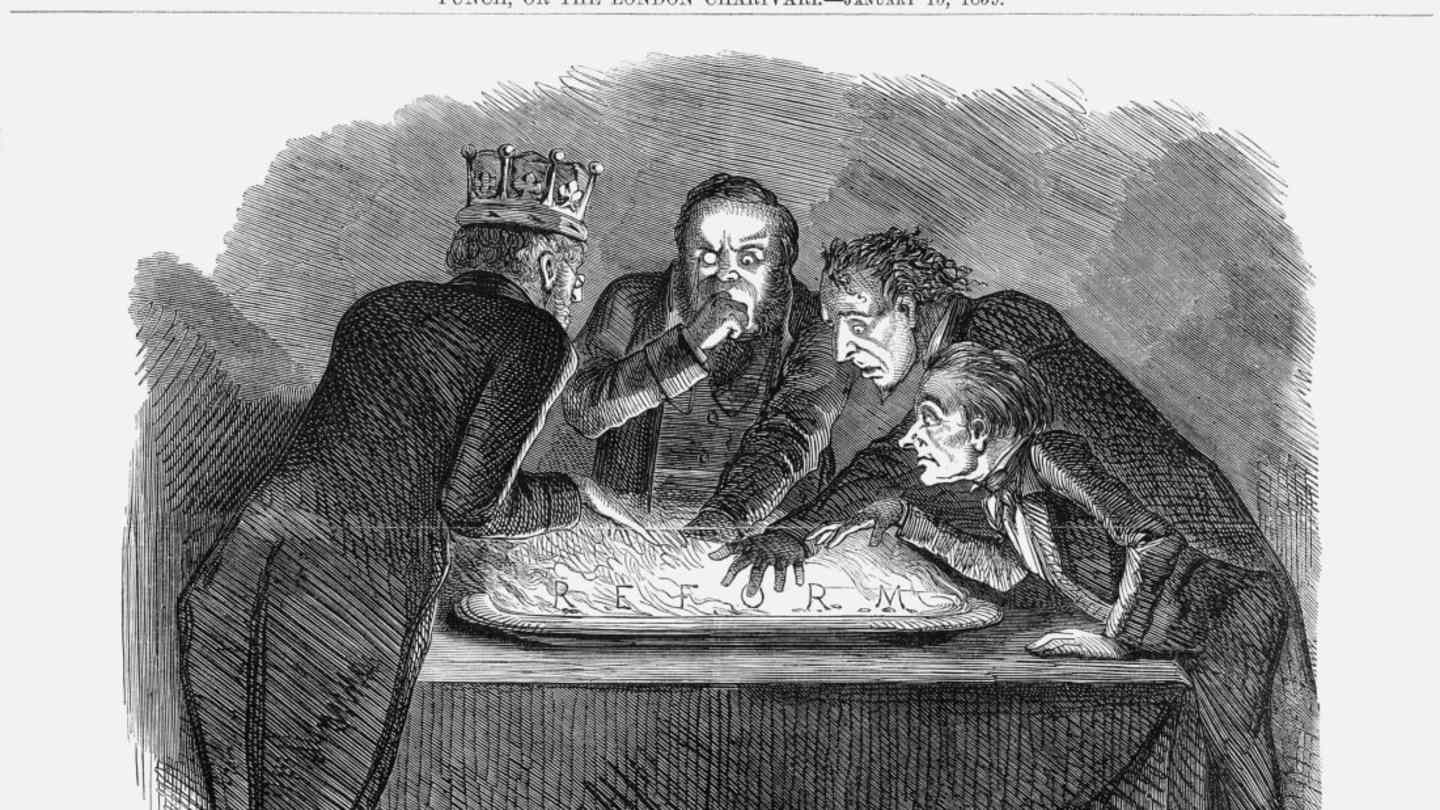
If you have ever looked at a bowl of burning alcohol and thought, “This could really use a competitive element,” then congratulations, you would have fit right into a Victorian Christmas party. Snapdragon involved placing raisins, nuts, or bits of fruit in brandy, setting the dish alight, and snatching the treats from the blue flames.
It was popular, dramatic, and exactly as dangerous as it sounds. The game was especially associated with Christmas and New Year festivities, when families gathered for food, games, and entertainment. The flickering blue flames gave the whole room an eerie appearance, which probably only improved the mood if ghost stories were already on the menu. It was festive, theatrical, and a terrible idea. A true Victorian triple threat.
6. Standing Under the Kissing Bough
Modern holiday decor usually gives mistletoe a modest little doorway cameo. The Victorians often went bigger with a kissing bough, a decorative arrangement of greenery that could include mistletoe, holly, apples, ribbons, and ornaments. It hung overhead and turned social interaction into a seasonal obstacle course.
The custom of kissing beneath mistletoe was already established, but the Victorian era helped make it more visible and socially codified. In practice, the kissing bough worked like a botanical trap disguised as décor. Step under it, and suddenly the room had opinions about your romantic future. It sounds cute until you remember the Victorians were not exactly famous for low-pressure social situations.
7. Sending Bizarre, Morbid, and Occasionally Unhinged Christmas Cards
The Victorians helped invent the commercial Christmas card, but their artistic choices were not always what modern audiences would call reassuring. Alongside lovely religious and winter scenes, Victorian cards sometimes featured dead birds, giant insects, creepy children, fighting frogs, sinister clowns, and other images that looked less like “Merry Christmas” and more like “Good luck sleeping after this.”
Part of the reason was novelty. Cheap color printing encouraged experimentation, and not every card had to feature snow, angels, or holly. Some images carried symbolic meanings that made more sense to Victorian viewers than they do today. Still, to modern eyes, many of these cards look like holiday greetings designed by a fever dream. Which, honestly, gives them a certain collectible charm.
8. Hiding Coins and Charms in Christmas Pudding
Victorian Christmas pudding was not a humble dessert. It was dense, rich, ceremonial, and often brought to the table flaming with brandy, because subtlety had apparently left the building. Families also tucked coins or charms into the pudding mixture, turning dessert into a fortune-telling device with calories.
Finding a coin in your slice could mean luck or prosperity. Other charms might hint at marriage, wealth, or other future blessings. It sounds delightful, apart from the small issue that your spoonful of pudding might contain metal. Still, the custom captures something essential about Victorian Christmas: food was not just food. It was symbolism, ritual, suspense, and spectacle, ideally all served in one blazing mound.
9. Treating Oranges and Nuts Like Treasure in Stockings
Modern stockings tend to overflow with gadgets, candy, skin care, and at least one gift nobody can explain. In the 19th century, an orange could be the star attraction. Fresh fruit was a luxury in many places, especially in winter, so finding an orange in a stocking felt special, indulgent, and slightly exotic.
Nuts, sweets, and other small treats also mattered more when Christmas gifts were modest by modern standards. The point was not to bury children under a mountain of plastic; it was to create wonder with a few carefully chosen items. That makes the orange tradition feel both sweet and oddly moving. It is hard to imagine a child today gasping dramatically over citrus, but in a Victorian home, that orange was basically a jewel with peel.
10. Filling the House With Parlour Games, Charades, and Amateur Theatricals
Victorian Christmas was not a passive holiday. People did not sit around in elastic waistbands scrolling their phones and pretending to watch a movie they had already missed the first 40 minutes of. They played. Christmas gatherings often featured charades, forfeits, riddles, tableaux, blindman’s bluff, music, and amateur performances that turned the home into a miniature theater.
This helps explain why so many Victorian Christmas customs feel so interactive. The holiday was built around group participation. Guests were expected to sing, act, guess, laugh, and occasionally embarrass themselves for communal joy. It sounds exhausting to the modern introvert, but it also sounds lively, warm, and memorable. The Victorians really knew how to wring entertainment out of one room and a few determined relatives.
11. Giving “Christmas Boxes” on Boxing Day
The day after Christmas had its own tradition: Boxing Day. In Victorian Britain, it was associated with giving servants, tradespeople, and workers a “Christmas box,” essentially a seasonal gratuity or gift. Employers might offer food, money, drink, or practical goods, especially to those who had worked through Christmas Day itself.
From a modern perspective, this custom feels both generous and revealing. It highlights the strong class structure of the period, when household celebrations often depended on staff labor in the background. Even so, Boxing Day gave the holiday a philanthropic and social dimension beyond family festivity. It was not just about what happened around the Christmas tree, but also about how gifts and goodwill moved through a wider social circle.
What These Odd Traditions Reveal About the Victorian Mindset
Put all these customs together and a pattern appears. Victorian Christmas was sentimental, yes, but it was also theatrical, symbolic, and deeply social. The holiday asked people to perform joy in visible ways: decorate the house, set the pudding ablaze, send the card, wear the paper crown, play the game, gather the family, tell the ghost story, kiss under the greenery, and prove that winter could be transformed into warmth.
At the same time, these traditions reveal a culture fascinated by contrast. Christmas was innocent and spooky, childlike and formal, domestic and public, devout and commercial, cozy and just a tiny bit dangerous. That is probably why the era still fascinates people. The Victorian version of Christmas feels familiar enough to recognize, yet strange enough to keep surprising us.
And maybe that is the real lesson here. Every generation thinks its holiday habits are perfectly normal. Then a century passes, and future readers discover that we once drank peppermint mocha from collectible tumblers while arguing over inflatable lawn décor. History is merciless that way.
A Walk Through a Victorian Christmas: What the Experience Might Have Felt Like
To understand these traditions fully, it helps to imagine the experience from inside the room. Picture a middle-class Victorian home on Christmas Eve. The front parlor is warm, maybe a little too warm, because the fire is doing heroic work against the winter air creeping at the windows. Evergreen boughs trim the mantel. Holly is tucked into frames and mirrors. Somewhere overhead hangs a kissing bough that looks festive until you realize it has transformed the room into a zone of strategic movement and social danger.
The Christmas tree stands in pride of place, glittering with ornaments, sweets, ribbons, paper decorations, and candles clipped to its branches. The light is softer than electric bulbs, more flattering, more mysterious. It flickers across polished furniture and catches the shine of glass and metal. Children stare at the tree as if it were proof that heaven occasionally makes house calls. Adults admire it too, though at least one sensible person is quietly keeping an eye on the flames.
Dinner has been hearty, and dessert has made an entrance worthy of theater. The pudding arrived blazing, drawing delighted gasps from the table. Someone found a coin in a slice and instantly became the center of speculation about luck and prosperity. Crackers were pulled. Paper hats were worn with varying levels of dignity. Bad jokes were read aloud with the confidence of Shakespearean monologues. Nobody admitted the jokes were terrible because the point was not literary excellence. The point was shared silliness.
Later, the chairs are shifted. A game begins. Perhaps it is charades, perhaps riddles, perhaps something more reckless. Laughter grows louder. Younger guests hover near the edge of the action, trying to look mature while remaining extremely interested in every scandal, surprise, and near-disaster. Someone suggests snapdragon. There is a collective thrill, because the game is dangerous enough to be exciting but traditional enough to seem respectable. Blue flames leap over the dish. Faces glow in the firelight. For a moment, everyone looks slightly supernatural.
And then the mood changes again, because Victorian Christmas was excellent at changing costumes without leaving the stage. The room grows quieter. A ghost story is proposed. Now the very same candlelight that made the tree look magical makes the corners look uncertain. The same winter wind that seemed picturesque an hour earlier now sounds like a warning. Children pull closer to adults. Adults pretend not to be unnerved. Dickens has prepared everyone beautifully for this moment. Christmas, after all, is not just about comfort. It is about memory, conscience, fear, hope, and the strange thrill of standing between darkness and light.
That is what makes Victorian Christmas traditions so memorable. They were not efficient, minimalist, or especially safe, but they were immersive. They engaged every sense: the scent of greenery, the glow of candlelight, the crack of paper novelties, the heaviness of pudding, the sweetness of fruit, the tension of games, the hush before a ghost story. The holiday was not background noise. It was an event, a performance, a mood, and a full-body experience. Weird? Absolutely. Forgettable? Not a chance.
Conclusion
Victorian Christmas traditions can seem odd from a modern point of view, but that is exactly what makes them fascinating. They remind us that many “classic” holiday customs were once new, fashionable, experimental, and sometimes a little ridiculous. The Victorians helped create a version of Christmas that was warm, family-focused, and full of ritual, yet they also filled it with flaming games, creepy cards, ghostly tales, and enough greenery to turn a drawing room into a small forest.
In other words, they did not just keep Christmas. They produced it. And while we may have traded candlelit trees for LED strings and snapdragon for board games that do not involve minor burns, the Victorian love of surprise, spectacle, and seasonal storytelling still lingers in the way people celebrate today.